(NEW YORK) The Department of Homeland Security said it has “formally accused” New York of obstructing federal immigration enforcement, intensifying a long-running fight over how states and cities handle federal requests to hold people for deportation. The move, announced in September 2025, follows a series of letters and public warnings aimed at New York and other sanctuary jurisdictions that limit cooperation with ICE detainers. DHS accuses New York of refusing to transfer jailed noncitizens with criminal records to federal custody, a stance state officials say is required by state law and the Constitution.
Federal warnings, executive action and responses
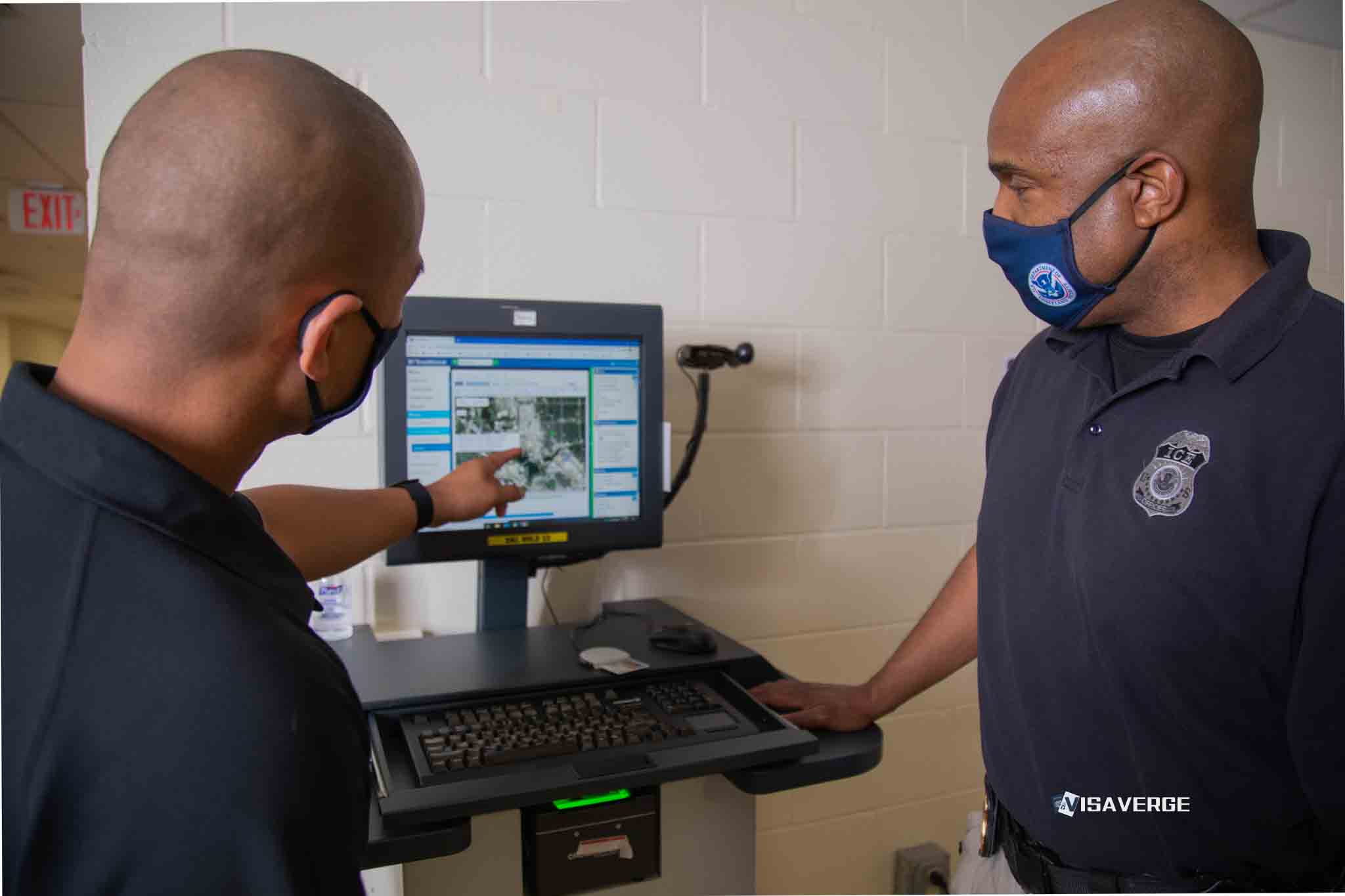
On September 10, 2025, Acting ICE Director Todd Lyons sent instructions to New York, California, and Illinois demanding confirmation within two days on whether they would honor thousands of pending detainers or continue their current policies.
By September 19–20, DHS said New York and Illinois replied to reiterate their refusals, while California did not respond. ICE then warned that continued non-cooperation would trigger work with the Justice Department and other federal partners to pursue “all appropriate measures” to end what DHS calls “inadvisable and irresponsible obstruction.”
Free toolI-94 Expiration Calculator OnlineDHS also points to Executive Order 14287, signed by President Trump on April 28, 2025, titled “Protecting American Communities from Criminal Aliens.” The order directs federal agencies to identify and take action against sanctuary jurisdictions, including publishing lists of states and localities that do not cooperate. Federal officials say the order gives them a stronger basis to seek court action and attach consequences — including potential funding limits — for jurisdictions that refuse to hold people for ICE.
Tricia McLaughlin, an Assistant Secretary at DHS, said:
“These dangerous sanctuary policies, often combined with cashless bail for serious crimes, allow criminal illegal aliens to be released back into American communities — threatening the American people’s lives and wellbeing… These sanctuary state politicians should do the right thing and side with law-abiding Americans over criminal illegal aliens.”
New York officials counter that state law bars them from holding people past their release time without a judicial warrant, and that local compliance with civil requests can violate constitutional rights.
How ICE detainers work and the dispute’s practical effects
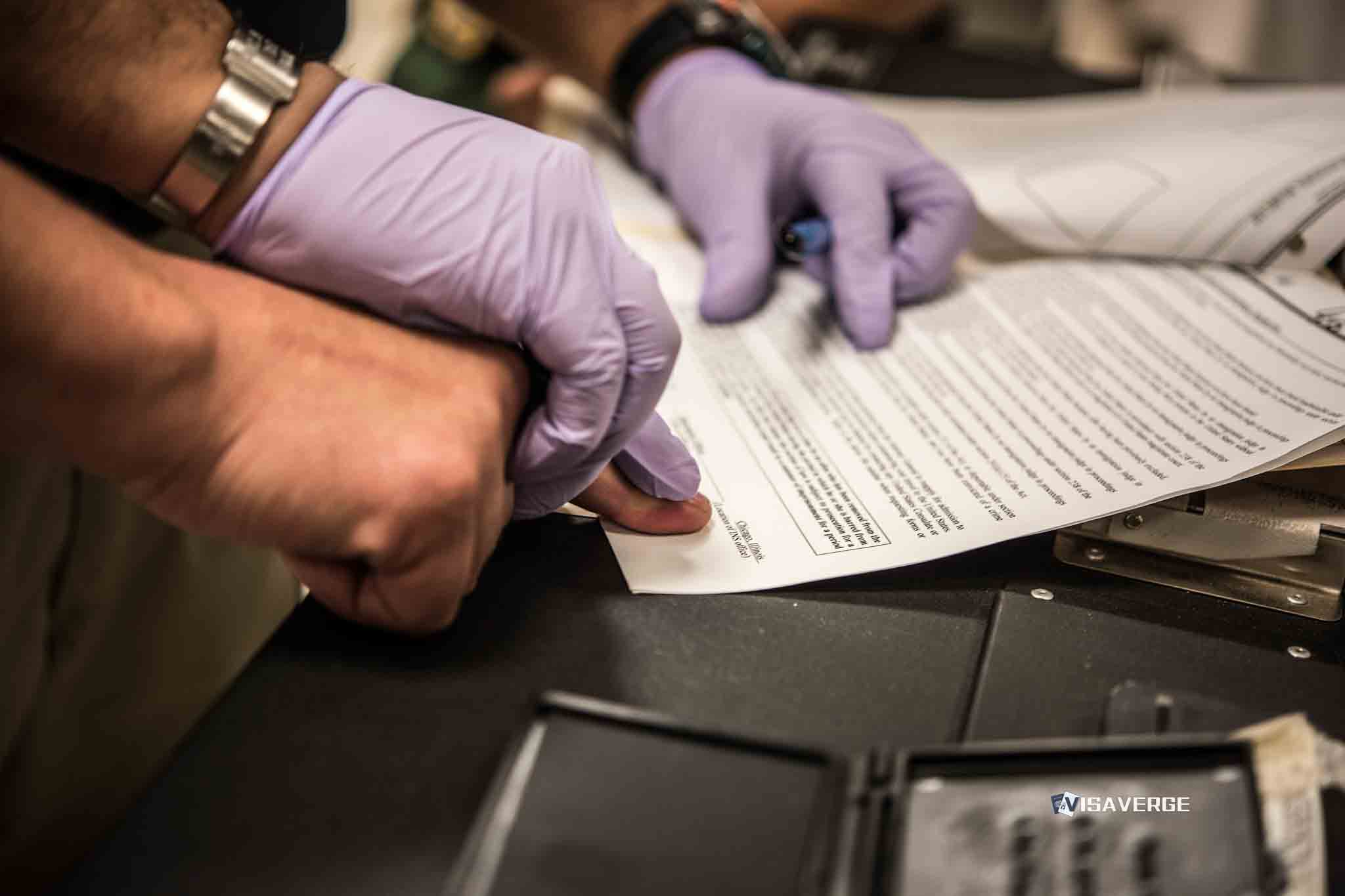
- ICE detainers are written requests asking local or state jails to notify ICE before a person is released and to hold that person for up to 48 hours so federal agents can assume custody.
- New York’s policy generally requires a judge’s warrant to honor such requests. City and state leaders argue detainers alone are not enough under the Fourth Amendment.
- DHS’s view: immigration enforcement is a federal responsibility; non-cooperation forces ICE to make arrests at homes and workplaces, which can be riskier for officers and the public.
According to DHS:
– ICE made more than 400,000 arrests in 2025.
– About 70% of those arrested had criminal charges or convictions.
– The current dispute covers “thousands” of detainers for people with records in New York, California, and Illinois.
Federal officials say refusing to honor detainers allows offenders to leave local custody and disappear into communities, making future arrests harder. State officials argue honoring detainers without a warrant invites lawsuits and undermines trust with immigrant families who rely on local police.
VisaVerge.com reports that the department’s stepped-up messaging is part of a broader strategy to put public pressure on non-cooperative states. Publishing compliance lists under Executive Order 14287 is meant to show voters where local policies clash with DHS priorities and to lay groundwork for legal steps by the Justice Department.
Legal stakes and possible federal actions
The Justice Department is now involved and could:
1. Seek court orders compelling cooperation.
2. Pursue new litigation challenging sanctuary policies.
3. Attach strings to certain federal grants or funding streams.
DHS says it will work with DOJ to use “all appropriate measures” if New York’s stance does not change. Legal scholars note the Supreme Court has not clearly settled how far the federal government can go to compel state or local compliance with immigration enforcement.
Several injunctions and lawsuits filed in 2025 will test where that line sits and may produce rulings late this year or in early 2026.
Real-world impact: people, local governments and law enforcement
For noncitizens in New York with criminal cases:
– If local authorities won’t honor an ICE detainer, a person may leave jail after bail or a sentence instead of moving straight to federal custody.
– That can lead to later home arrests or workplace arrests, which are disruptive for families and businesses.
– Community groups warn such later arrests can make immigrant families fear local police, even when they are crime victims or witnesses.
For local governments:
– Non-compliance could bring federal lawsuits and potential funding consequences tied to Executive Order 14287 and DOJ guidance.
– New York leaders say they will defend state autonomy and constitutional protections in court, arguing a judicial warrant protects due process and shields taxpayers from damages in unlawful detention cases.
For law enforcement:
– Federal agents moving to more direct operations in non-cooperative areas may draw resources away from other priorities and create friction with local agencies.
– Police chiefs warn that when immigrant communities fear interacting with local officers, reporting of crimes drops and serious offenders can hide activity.
Supporters of DHS’s plan emphasize public safety and focus on people with criminal charges or convictions. Critics note that criminal history ranges from serious offenses to low-level charges, and that civil immigration enforcement should not override local policing strategies or constitutional rules. Both sides agree the outcome will shape how the United States balances federal immigration power with state and local control.
Key takeaway: The clash between DHS and sanctuary jurisdictions is escalating into legal and political battles that could redefine cooperation over ICE detainers and federal-state relations.
What’s next and what affected people should do
What happens next depends on fast-moving legal and policy choices:
– DHS and DOJ have signaled readiness to sue and to publish lists of jurisdictions they label “non-cooperative.”
– Congress could consider new laws to define state obligations, though past attempts have stalled.
– ICE will likely continue issuing detainers, while New York appears set to continue requiring judicial warrants.
If you may be affected:
– Consult official guidance on the Department of Homeland Security website: Department of Homeland Security
– Attorneys advise anyone with a pending criminal case and an immigration history to speak with qualified counsel, since even a minor conviction can carry severe immigration consequences.
– Families may want to prepare safety plans if a household member is at risk of an ICE arrest outside jail settings.
As DHS accuses New York of obstruction, the broader clash over sanctuary jurisdictions is entering a new phase — one that could redefine cooperation between federal and state authorities and shape how ICE detainers are handled across the country.
This Article in a Nutshell
In September 2025 DHS formally accused New York of obstructing federal immigration enforcement by refusing to honor ICE detainers without judicial warrants. Acting ICE Director Todd Lyons had demanded rapid confirmation from New York, California and Illinois about thousands of pending detainers; New York and Illinois reiterated refusals while California did not respond. DHS points to Executive Order 14287, signed April 28, 2025, as authority to publish non-cooperative lists and pursue legal or funding consequences. The Justice Department may seek court orders or litigation. State officials insist warrants are required under the Fourth Amendment and state law. The clash affects thousands of detainers, could trigger lawsuits, influence federal funding, and reshape federal-state immigration cooperation.