- TSA ended Gold Plus in August 2026 and is considering a redesigned approach to private airport screening.
- The agency may link contractor-run screening with checkpoint modernization under Horizon 25.
- Private screening operates at 20 airports nationwide; TSA has set no replacement timetable or airport list.
TSA ended Gold+ in August 2026 and is weighing a redesigned route to expand private airport screening through its existing partnership program. The agency’s next move would connect contractor-run screening with checkpoint changes, rather than simply revive the canceled plan.
TSA Administrator David Cummins said the initiative had confused airports and industry participants about its purpose, benefits and operating model. “The concept around Gold+ was confusing to folks in terms of what it was and what the solution was, what the carrot was,” he said.
Free toolI-94 Expiration Calculator Online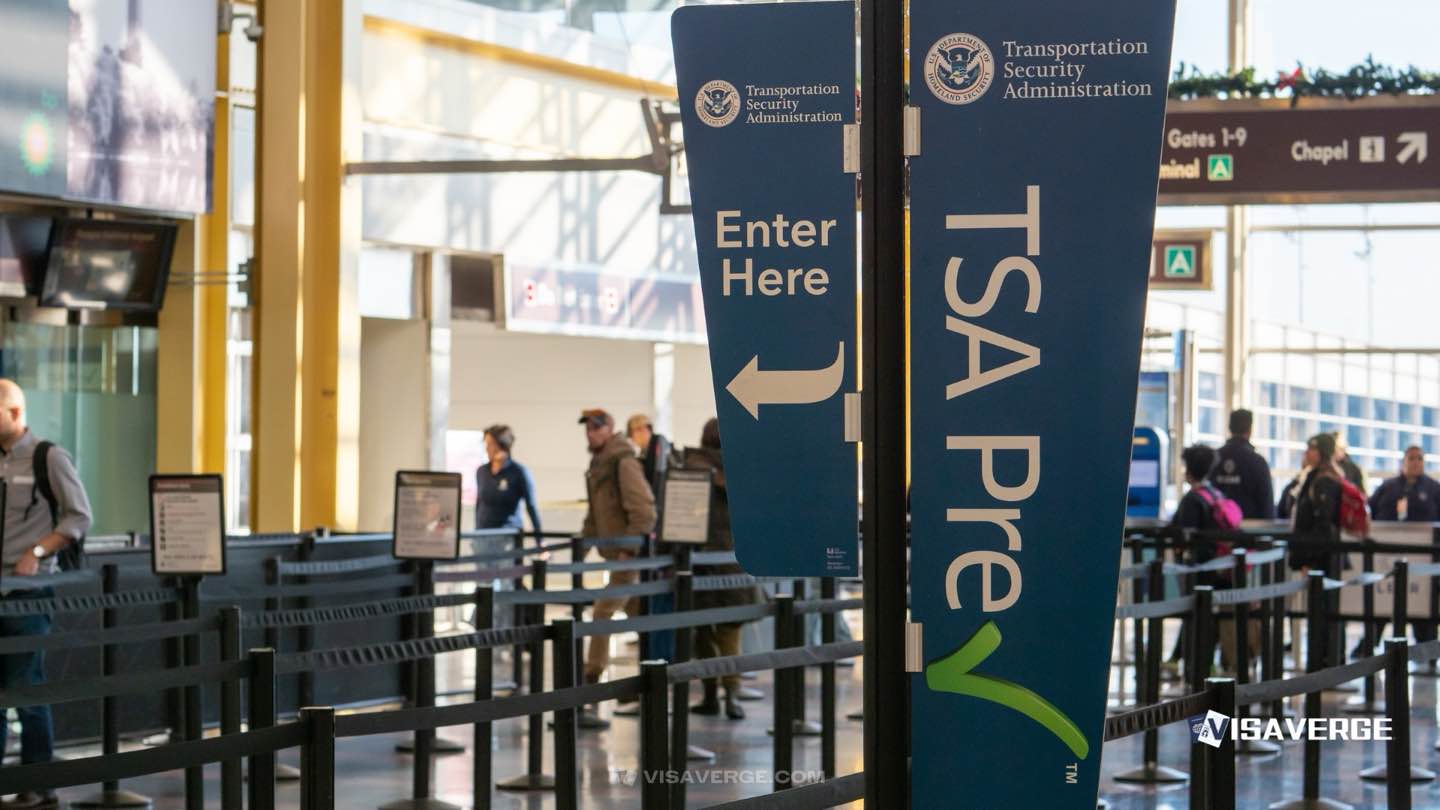
The agency still wants more airports to use private contractors under TSA oversight. Three airports had announced plans to join the canceled initiative: Des Moines International Airport, Charleston International Airport and Tampa International Airport.
Under the Screening Partnership Program, contractors manage screening staff while TSA supplies the equipment. The canceled model would have let contractors manage both. TSA issued a final solicitation and reviewed industry proposals before ending it.
TSA is pairing private screening with checkpoint redesign
The agency is considering changes to the existing program alongside redesigned checkpoints, including both TSA PreCheck and standard screening lanes. Cummins said TSA has spoken with “a number of airports that are interested” in joining and is developing incentives to make participation attractive.
He described the goal as more than shifting current screening jobs to contractors. TSA wants to link private operations with checkpoint modernization. The agency has not yet laid out a new operating model.
Steve Lorincz, TSA’s executive assistant administrator for security operations, said the agency may form a “tiger team” to review the earlier proposal’s data and recommend a direction. TSA retained that material for the reassessment.
“When considering Horizon 25, we must think about what TSA will look like in the next 25 years. The SPP model has been in place since its inception, and now is the time for change. There will be substantial efforts in this area.”
Lorincz said the review would bring a fresh viewpoint to the data. Horizon 25 is the broader checkpoint-modernization strategy that TSA plans to connect with the program’s redesign.
Private screening already operates at 20 airports
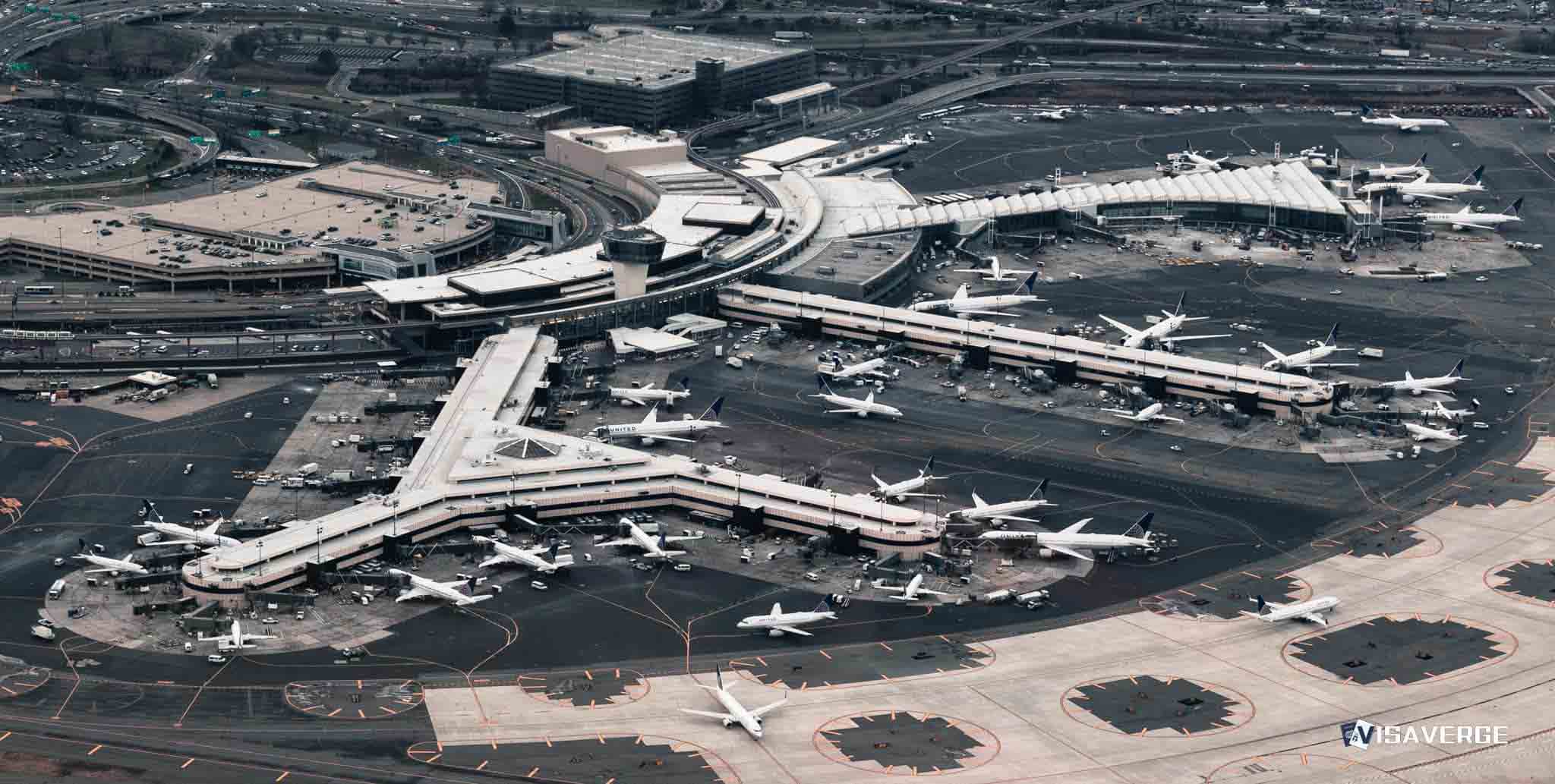
Private screening is in place at 20 airports nationwide, while most U.S. commercial airports continue to rely on TSA-employed screening officers. Current participants include San Francisco International Airport, Kansas City International Airport, Atlantic City International Airport and Orlando Sanford International Airport.
Those airports operate under the existing arrangement, in which contractors provide the workforce and TSA provides screening equipment. The abandoned proposal would have shifted responsibility for both to contractors. TSA has not said which airports, if any, will join an expanded program.
TSA says federal officers could move into contractor jobs
Cummins has said TSA employees at airports entering the program would get a “right of first refusal” for contractor screening positions. “In our experience, all of them take the jobs and they stay there,” he said.
TSA labor representatives and Democratic lawmakers have argued that a larger program could privatize a core government security function and weaken the federal workforce. Cummins rejected that criticism, arguing that private operators can offer workers continuity in some circumstances.
“Some will suggest that the SPP is all about privatization and that it is anti-worker. I hold that it is in fact pro-worker to pay your employees, as the SPP airports did during the last shutdowns.”
At San Francisco International Airport, private screeners continued to receive pay during government shutdown conditions because a federal contract funded their compensation. Aviation-security researcher Sheldon Jacobson, whose work contributed to TSA PreCheck’s design, cited the airport as a case for examining private screening.
“Of course TSA would have oversight. It’s not like they’re freewheeling on their own.”
Jacobson also said privatization “is something that needs to be explored.” His comments came amid the debate over whether a broader contractor role would affect federal staffing or preserve jobs under different employers.
TSA has not set a replacement timetable
As of October 10, 2026, TSA has announced no replacement solicitation, new effective date or final list of airports for an expanded program. The agency says it will use the earlier proposal’s data as it considers changes under Horizon 25.