- Judge Regina M. Rodríguez ordered the government to return Sánchez Servellón to Colorado from the Central African Republic.
- After his return, officials must release him on his own recognizance without GPS monitoring or mandatory check-ins.
- The government needs clear and convincing evidence at a prior hearing to detain him again; a compliance report is due September 25, 2026.
U.S. District Judge Regina M. Rodríguez ordered the Trump administration to bring Brayan Omar Sánchez Servellón back to Colorado from the Central African Republic and release him when he arrives.
Rodríguez issued the order on September 18, 2026, in the U.S. District Court for the District of Colorado. It directs the government to return the Honduran man to the state where he had been living.

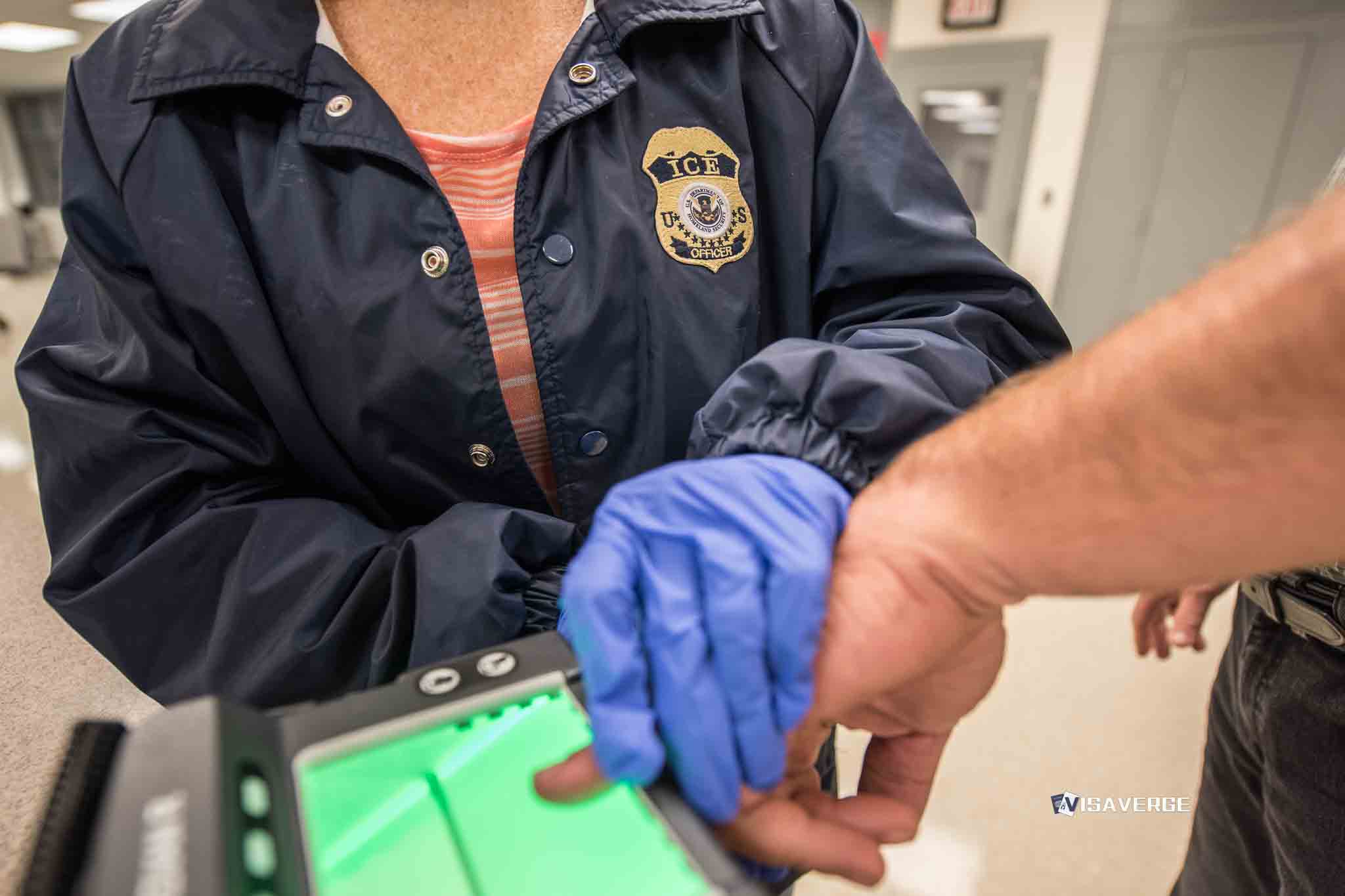
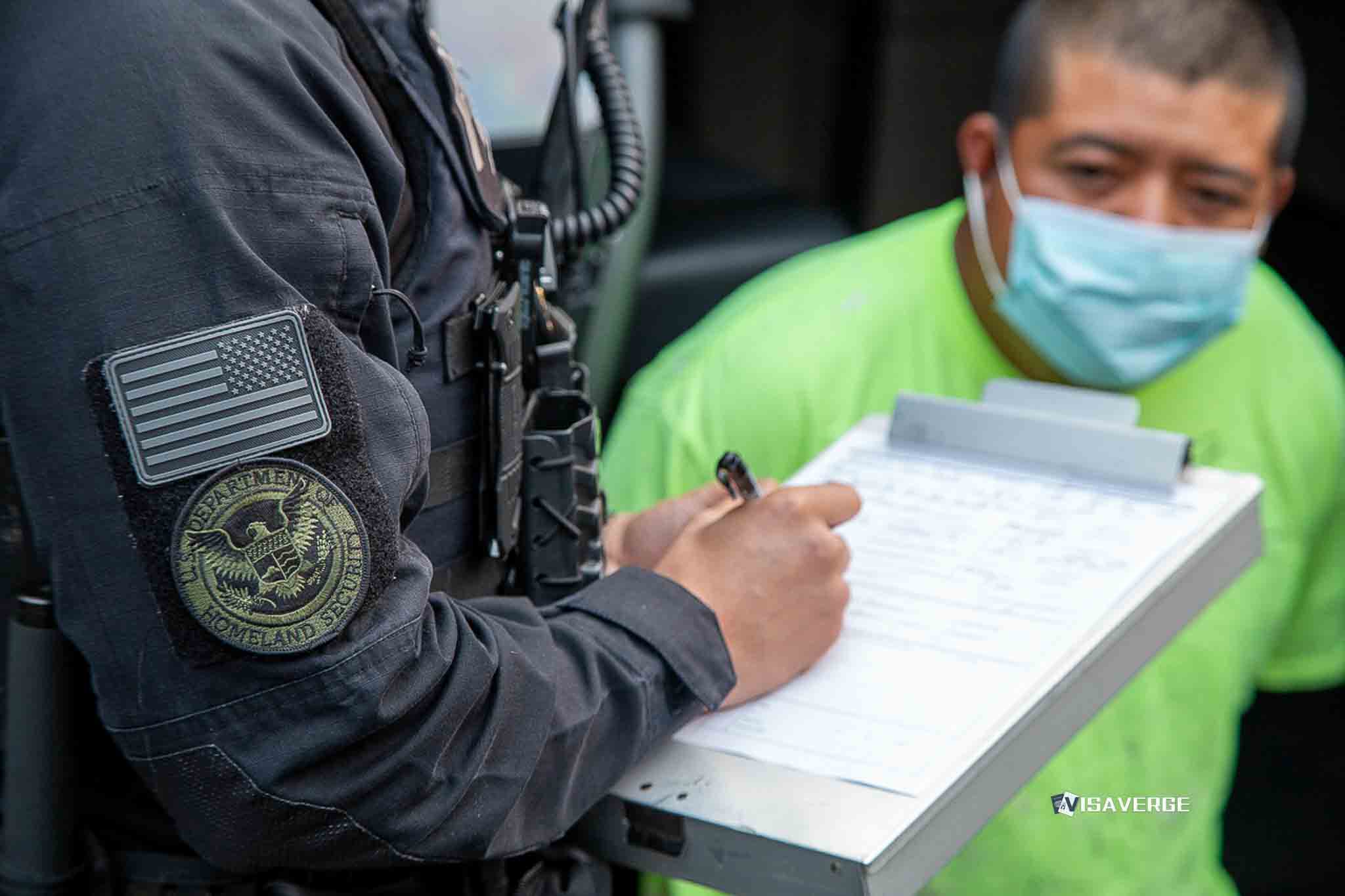
Immigration and Customs Enforcement detained Sánchez Servellón in May 2026. The government removed him in late July or August 2026, while his asylum-related case and claims under the Convention Against Torture remained pending.
The judge also placed limits on any effort to take him into custody again. A compliance report is due September 25.
Rodríguez says people need notice before third-country transfers
The order addresses the process used to send people to countries other than their home countries. Rodríguez wrote that people must receive notice and an opportunity to contest a transfer before the government sends them to a third country.
“This court and many others across the country have determined that ICE’s policies of expelling people to third countries violate the constitutional right to due process when applicants are not given notice and an opportunity to challenge their removal before being transferred to a third country”
The judge’s stated concern is procedural. The order connects due process to notice and a chance to challenge removal before a transfer occurs.
Sánchez Servellón’s pending immigration matter included asylum-related proceedings and claims for protection under the Convention Against Torture. Those matters were unresolved when the government sent him abroad.
The return order requires release without GPS monitoring or check-ins
Once the government brings him back to Colorado, the order directs officials to release him on his own recognizance and return all his personal belongings. It bars onerous release conditions.
The order specifically names GPS monitoring, mandatory reporting and other restrictions on his movement. Those conditions are excluded from the release directive.
The order therefore sets out what must happen after his return, not only the transfer back to Colorado. The release is part of the court’s instruction.
A new detention requires proof at a hearing first
Rodríguez also barred renewed detention unless the government first meets a stated evidentiary test. It must show “by clear and convincing evidence” at a pre-deprivation hearing before an impartial judge that Sánchez Servellón presents a risk of flight or danger to the community.
The order cites 8 U.S.C. § 1226(a). It requires the hearing and proof before a new detention, rather than allowing officials to take him back into custody first and address the issue later.
The test identifies two grounds for renewed detention: flight risk and danger to the community. The government must establish one of them under the standard the judge set.
The case concerns transfers to countries other than a person’s home
Third-country removal refers here to sending a person to a country that is not that person’s home country. The research describes the case as part of wider challenges to the administration’s use of such transfers, sometimes following rapid removal procedures.
Rodríguez’s quoted statement focuses on notice and the chance to challenge a transfer before it happens. Her order directs relief for Sánchez Servellón; the available facts do not establish how courts will rule in other cases.
The government must submit a status report by September 25, 2026, confirming compliance with the order to return him and release him in Colorado.