- UN human rights experts urged Pakistan to stop forcibly returning Afghans and create individual screening.
- Pakistan ordered detentions and deportations on June twenty-eighth, twenty twenty-six, with removals starting after July ten.
- More than three hundred seven thousand returns were reported from Pakistan in the first seven months of twenty twenty-six.
UN human rights experts urged Pakistan on September 19, 2026, to stop forcibly returning Afghans and create individual screening for people who could face persecution, torture, or other serious harm in Afghanistan.
The call follows a Pakistani directive ordering authorities to detain and deport Afghan nationals without valid documentation. The experts said removals without individualized review could expose people to irreversible harm.
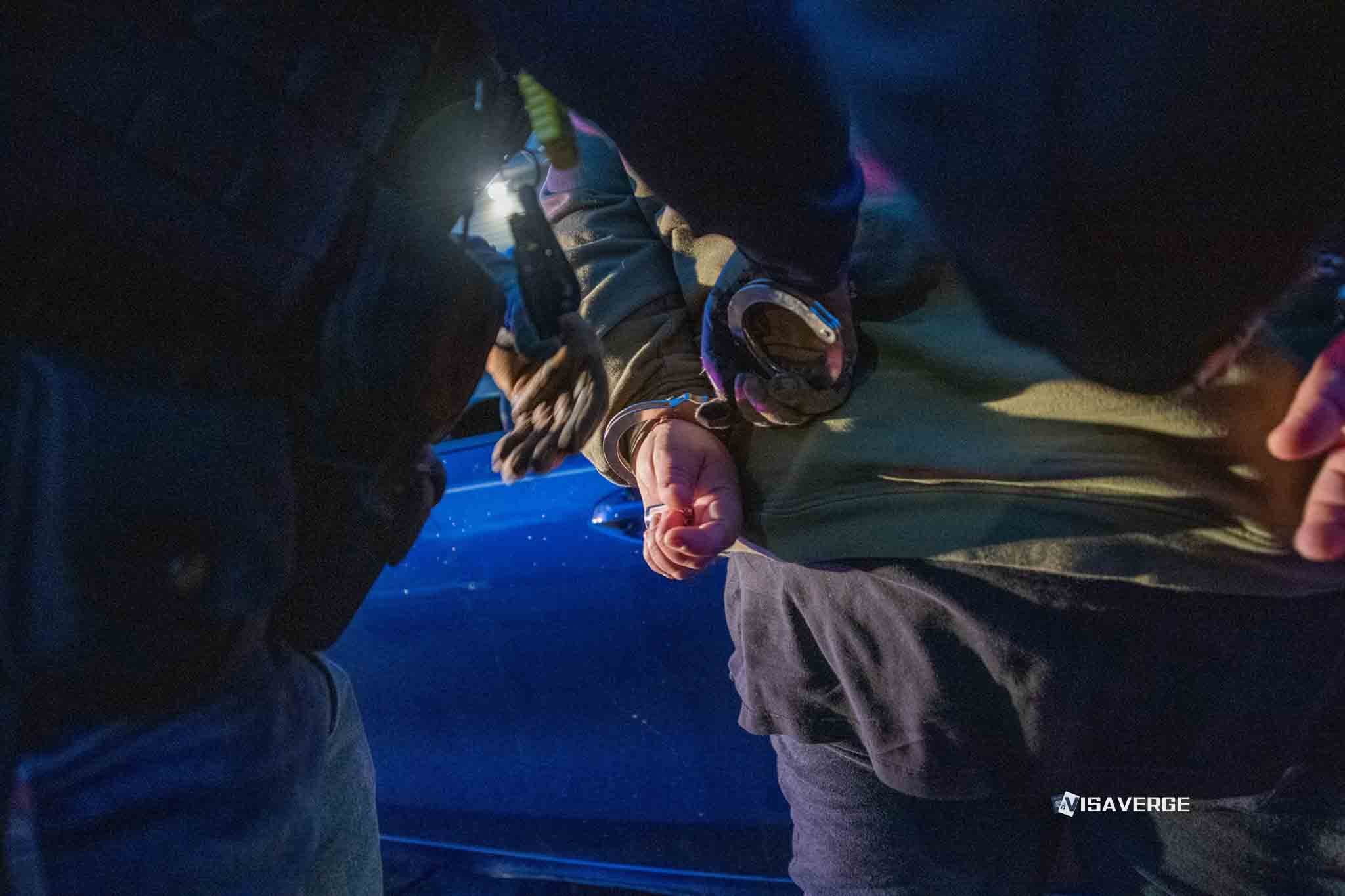
Pakistan’s Ministry of Interior issued the directive on June 28, 2026, instructing provincial authorities to begin detentions and deportations after July 10, 2026. The policy has driven a large movement across the border.
Approximately 127,344 Afghans crossed into Afghanistan between July 10 and August 27, 2026. At least 14,186 were reportedly forced to leave, while about 38,388 of those returning were women and children.
The experts urged Pakistan to comply with its non-refoulement obligations. That principle bars states from sending people to places where they face a real risk of persecution, torture, arbitrary detention, or other irreparable harm.
Richard Bennett, the UN Special Rapporteur on the situation of human rights in Afghanistan, was among the experts identified in the statement. They called for safeguards for women and unaccompanied children, who may face heightened risks after return.
Pakistan’s screening system would keep cases open during review
The experts want Pakistan to establish “a transparent and accessible procedure” for Afghans who fear return. People at risk should be able to come forward, receive an individual assessment, and remain protected from removal while officials review their cases.
“a transparent and accessible procedure”
The proposed process would replace blanket treatment with case-by-case review. It would also give officials a way to identify people whose circumstances may not be visible from their documentation status alone.
Pakistan’s Ministry of Foreign Affairs communicated on July 30, 2026 that the country had identified around 16,000 vulnerable Afghans for a humanitarian exemption. UNHCR welcomed that step but sought clearer criteria and procedures for determining who qualifies as being at risk.
The campaign has also expanded beyond undocumented foreigners. Pakistani authorities have included some Afghans with government-issued documentation in the repatriation effort.
Female Afghan students have faced a separate pressure point. Pakistani authorities reportedly ordered medical and dental institutions to remove Afghan students, affecting at least 100 students, including 20 to 40 women.
UN data places Pakistan’s returns in a wider regional movement
UNHCR reported that more than 300,000 Afghans had returned from Pakistan during the first seven months of 2026. The total included facilitated and spontaneous movements.
| Return category | Number reported |
|---|---|
| Facilitated returns | 187,547 |
| Spontaneous returns | 119,953 |
| Combined total | 307,500 |
A separate UN report said more than 400,000 Afghans had been forcibly returned during 2026, mainly from Iran and Pakistan. The figures cover a broader period and regional movement than the 127,344 people recorded between July 10 and August 27.
Charlie Goodlake, UNHCR spokesperson in Afghanistan, described the scale of the movement this way:
“represents a population comparable to that of a small country.”
UN and rights groups have warned that returnees may face persecution, torture, arbitrary detention, enforced disappearance, and other serious harm in Taliban-ruled Afghanistan. Human Rights Watch described the country as remaining in an “acute and worsening humanitarian and economic crisis,” worsened by large-scale forced returns without adequate safeguards.
UN officials press states to put returnees’ lives first
Volker Türk, the UN High Commissioner for Human Rights, separately warned on September 19, 2026, that “the silence is deafening.” He added: “I implore all states to reconsider their actions, and to put the lives of the suffering population first.”
The experts’ request puts the next step on Pakistan’s provincial authorities, which received the Interior Ministry’s instructions to detain and deport people lacking valid documentation. Their proposed screening process would apply before removal where an Afghan national could face serious harm.
The humanitarian exemption and the call for individual review now sit alongside a much larger return operation. The UN figures include both people who left through organized channels and those who crossed back without that assistance.
This article provides general information and is not legal advice. Consult a qualified immigration attorney about your specific case.