- Iran and Pakistan expelled 3.6 million Afghans during the first four months of 2026.
- Humanitarian agencies report gross violations of non-refoulement as vulnerable families face forced returns.
- Afghanistan’s infrastructure is failing as over 23 million people currently require urgent humanitarian assistance.
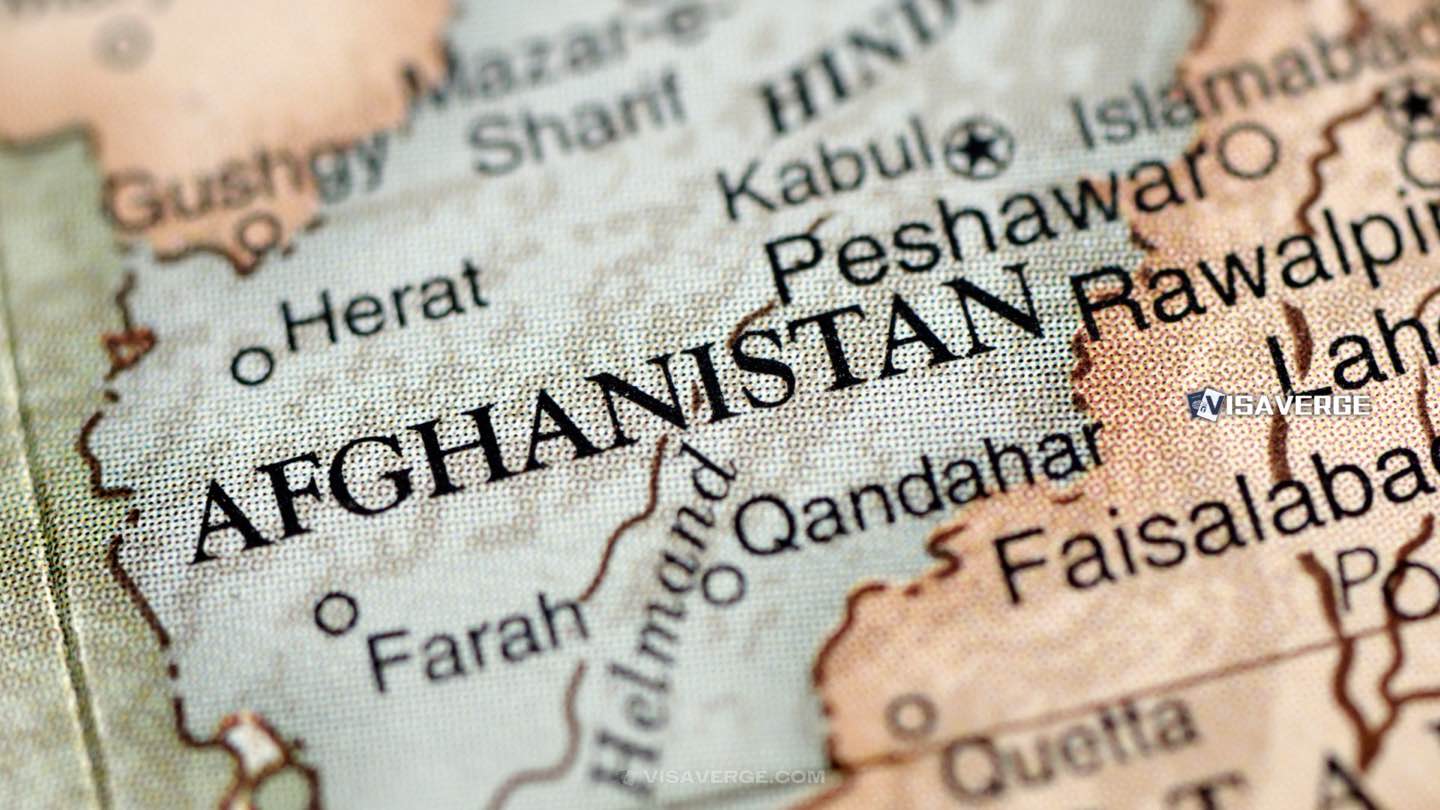
(AFGHANISTAN) — Iran and Pakistan have expelled more than 3.6 million Afghans in 2026, driving one of the largest forced population movements since the Taliban returned to power in 2021 and pushing overwhelmed border crossings deeper into crisis.

Iran has deported over 2.8 million Afghans since early 2026, while Pakistan has forced more than 800,000 returns by April. Aid agencies said daily crossings have exceeded 10,000 in peak periods, with western Afghanistan absorbing large numbers of people into makeshift camps and border settlements.
The International Organization for Migration and UNHCR have tracked returns surpassing 4 million since the Taliban’s 2021 takeover. Rights groups and U.N. officials say the pace and manner of removals violate non-refoulement, the international principle that bars sending people back to places where they face persecution, torture, or serious harm.
Free toolUSCIS Receipt Number DecoderAfghanistan has struggled to absorb the influx as 23.7 million people, or more than half the population, require humanitarian aid, according to UNHCR’s March 2026 update. Taliban edicts barring women and girls from education and most work, along with drought, unemployment and conflict, have left conditions brittle across much of the country.
UN High Commissioner for Human Rights Volker Türk warned on February 15, 2026, that “Mass returns without individual assessments expose vulnerable Afghans to a multi-layered crisis, violating binding legal obligations.”
Iran has emerged as the epicenter of expulsions. Before the acceleration in 2025, it hosted an Afghan population estimated at 4-6 million. By April, authorities had deported over 2.8 million, building on the 1.5 million expelled by September 2025.
Daily crossings at Islam Qala and Dogharoun peaked at 12,000 in January. The International Organization for Migration logged 750,000 returns in Q1 alone.
Tehran has tied the campaign to national security, economic strain and espionage allegations. Authorities enforced deadlines including an extended March 31, 2026, cutoff for undocumented stays, and reports describe raids, workplace checks and roadside detentions sweeping through Afghan communities.
Human Rights Watch said in February 2026 that Afghans with valid visas or work permits were also detained, with documents confiscated or destroyed in custody. That practice blocked appeals and left some returnees without proof of identity on arrival.
Children make up 28% of deportees, according to UNICEF data. Reports from detention sites describe overcrowding, beatings, extortion of up to $500 per person, and denial of food.
Families also faced pressure outside detention centers. Homes rented to Afghans were sealed and landlords fined, forcing people out overnight.
A truck carrying deportees overturned near Herat on January 22, 2026, killing 45 people, including 12 children. The crash highlighted the risks tied to hurried removals and unsafe transport at a time when border systems were already under severe strain.
The International Organization for Migration said, “This scale rivals historic displacements, but Afghanistan’s absorption capacity is zero.”
Pakistan has run a parallel deportation drive. It resumed large-scale returns under its “Illegal Foreigners Repatriation Plan” on January 10, 2026, after earlier phases of removals, and has deported over 800,000 Afghans by April through Torkham and Chaman.
Pakistan hosts 1.3 million registered Afghan refugees. Islamabad has linked the renewed push to security concerns after the 2024 elections and to economic pressures, while also revoking temporary protections for undocumented Afghans.
UNHCR reported daily peaks of 15,000 in February. Families arrived at the border with little money after summary evictions, and some people with valid documents were also detained.
Tensions at the frontier flared on March 5, 2026, when a border clash injured 20 people. That episode added to instability along routes already crowded with deportees, aid workers and local residents.
Smaller streams of Afghan returns have also come from Turkey and Europe. Turkey deported 50,000 Afghans in 2026, while European Union states deported 12,000 by Q1 under tighter asylum rules.
The United States has deported 3,500 Afghans since January, focusing on criminal cases through expanded ICE operations. Gulf states have not carried out mass removals, but labor expulsions have continued quietly.
Inside Afghanistan, the pressure is visible across western provinces including Nimroz, Herat and Kandahar, where makeshift camps have spread and 70% of returnees sleep outdoors. Health workers have reported growing cases of malnutrition, dehydration and cholera.
Médecins Sans Frontières said in its April 2026 bulletin that malnutrition had risen 40%. Women activists, journalists and former officials have arrived without papers, exposing them to possible arrest by Taliban authorities.
Winter conditions added another layer of risk. During winter 2025-2026, 200 people died of hypothermia among new arrivals, and spring floods now threaten 500,000 more.
Children separated from their families have also become part of the emergency. Aid agencies logged 5,000 such cases along the border, raising fears of trafficking and long-term disappearance in the chaos of repeated mass crossings.
The Norwegian Refugee Council said, “Overstretched services mean no shelter, no cash aid—returns fuel secondary displacement.”
Funding has fallen far short of what aid agencies sought. UNHCR’s $658 million regional appeal was 18% funded as of April 1, 2026, down from 24% in mid-2025.
Those gaps have cut reception centers, school enrollment and health posts. Only 20% of returnee children attend school, leaving many in camps or informal settlements with little support.
U.N. agencies and rights groups say the legal protections intended to prevent this kind of return have been bypassed. OHCHR said in a March 2026 briefing that mass expulsions amounted to “collective punishment” and that even registered refugees were losing status without due process.
Non-refoulement applies regardless of visa status, and aid groups have argued that case-by-case screening is required before any return. In both Iran and Pakistan, detainees have reported being denied access to lawyers and rushed through border handovers.
Pakistan’s Peshawar High Court paused 100,000 returns on February 28, 2026. Enforcement, however, has remained uneven as deportation operations continued at the border.
For Afghans still in host countries, aid agencies have urged immediate steps to protect records and legal claims. They have advised families to keep digital and physical copies of identification papers, visas, evidence of family ties and documents showing threats they may face if returned.
Advocates have also urged detainees to demand case-by-case review and legal counsel, and to invoke non-refoulement if they face imminent removal. In Iran, they have pointed people to the Center for Human Rights in Iran, while in Pakistan they have advised contact with UNHCR field offices.
Some governments have narrowed other routes to safety at the same time. In the United States, asylum through USCIS and Special Immigrant Visas remain options for some former officials, but immigrant visas for 75 countries, including Afghanistan, have been paused since Jan 21, and asylum waits were extended to 365 days under a Feb 20 DHS rule.
The April Visa Bulletin also allowed green card holders to petition spouses domestically. In Europe, individual asylum and family reunification remain available, though Dublin returns have tightened and humanitarian visas are limited.
Canada expanded its Administrative Deferral of Removals, while Australia continued offshore processing and Temporary Protection Visa extensions amid high refusal rates. Aid agencies have warned against smuggling routes to Europe, which they said can cost more than $10,000.
International agencies have called for a halt to forced returns and for more money to support returnees already inside Afghanistan. At a Geneva pledging event on March 15, 2026, donors raised $120 million, well below the $500 million sought for the immediate response.
The European Union pledged €50 million for reintegration but also continued to prioritize border controls. Analysts cited in the broader debate have pointed to economic motives behind deportation drives, including Iran’s unemployment rate of 12% in Q1, even as host governments frame removals around security.
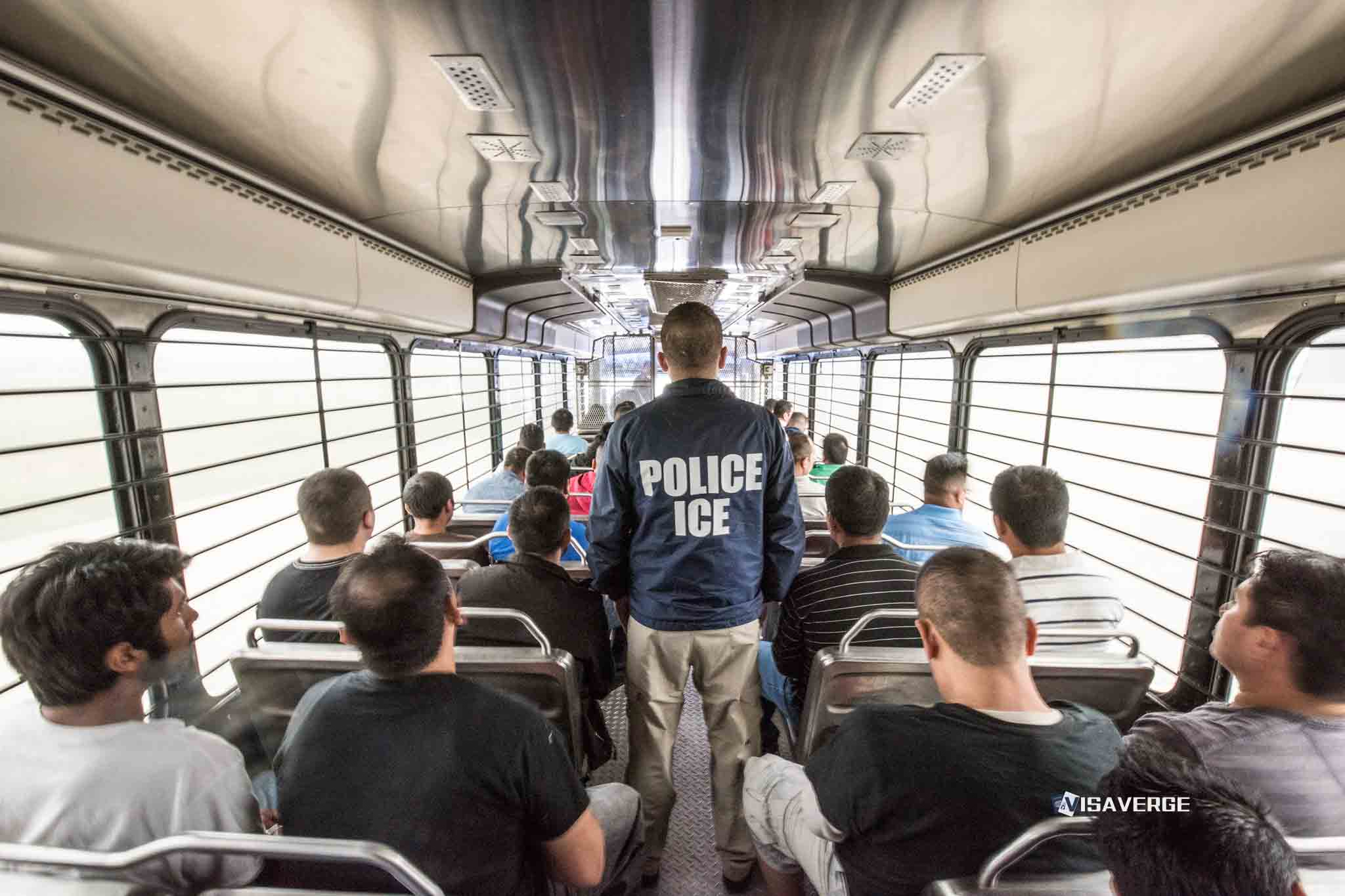
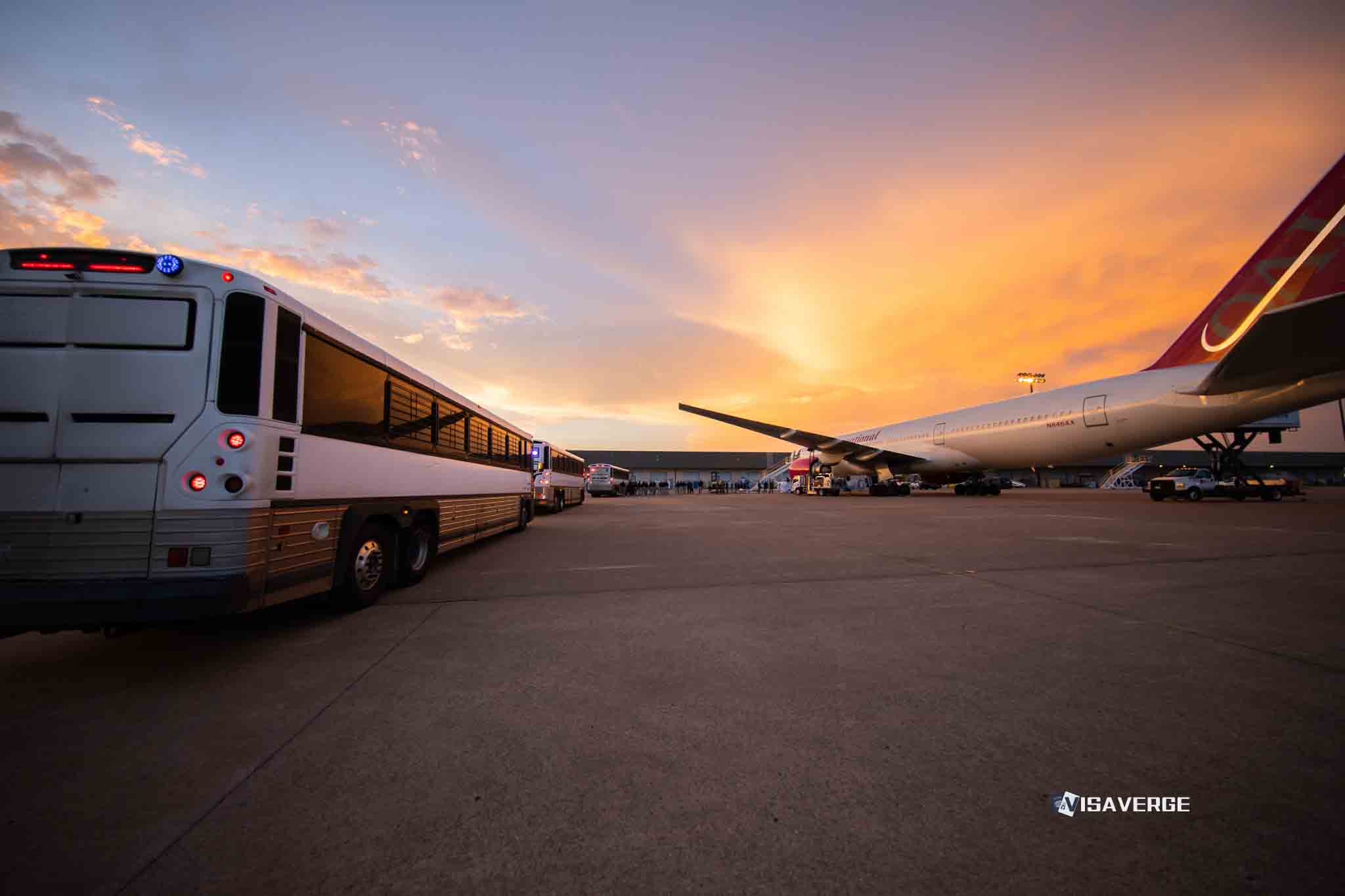
Aid groups describe a recognizable pipeline in the deportations. Authorities announce deadlines, then carry out raids and checks in workplaces and markets, followed by detention lasting days or weeks, transport by bus or truck to the border, and handover to Taliban patrols or abandonment near crossing points.
The pattern has recurred in different forms since the 1979 Soviet invasion. What sets 2026 apart is the volume, with projections reaching 5.5 million returns by year-end if expulsions continue at the current pace.
VisaVerge.com summarized the trend as a test of whether legal protections can survive political and economic pressure. On the ground, that question has become immediate for families arriving without shelter, papers or cash in a country already buckling under aid shortages.
UNHCR and the International Organization for Migration have called for screening pauses, wider legal pathways and a much larger donor response. With winter 2026 looming later this year, the warning from aid groups is stark: unless deportations slow and funding rises, the border emergency will deepen long after the buses and trucks stop arriving.