- Authorities detained Deisy Fidelina Rivera Ortega during a military Parole in Place interview in El Paso.
- DHS cites a 2019 final removal order and a prior conviction as grounds for her current detention.
- The case highlights that work authorization does not confer lawful immigration status or protection from deportation.
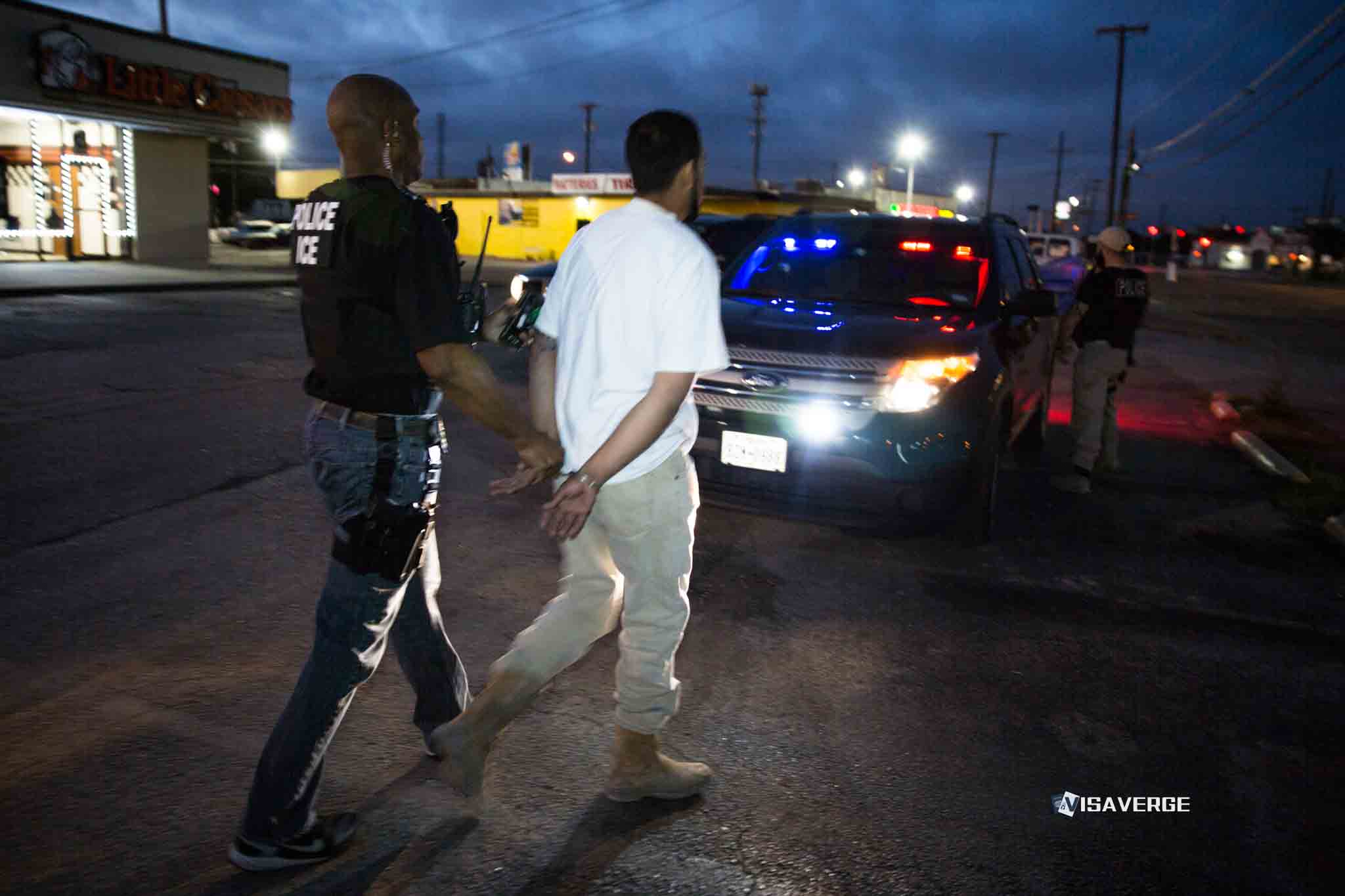
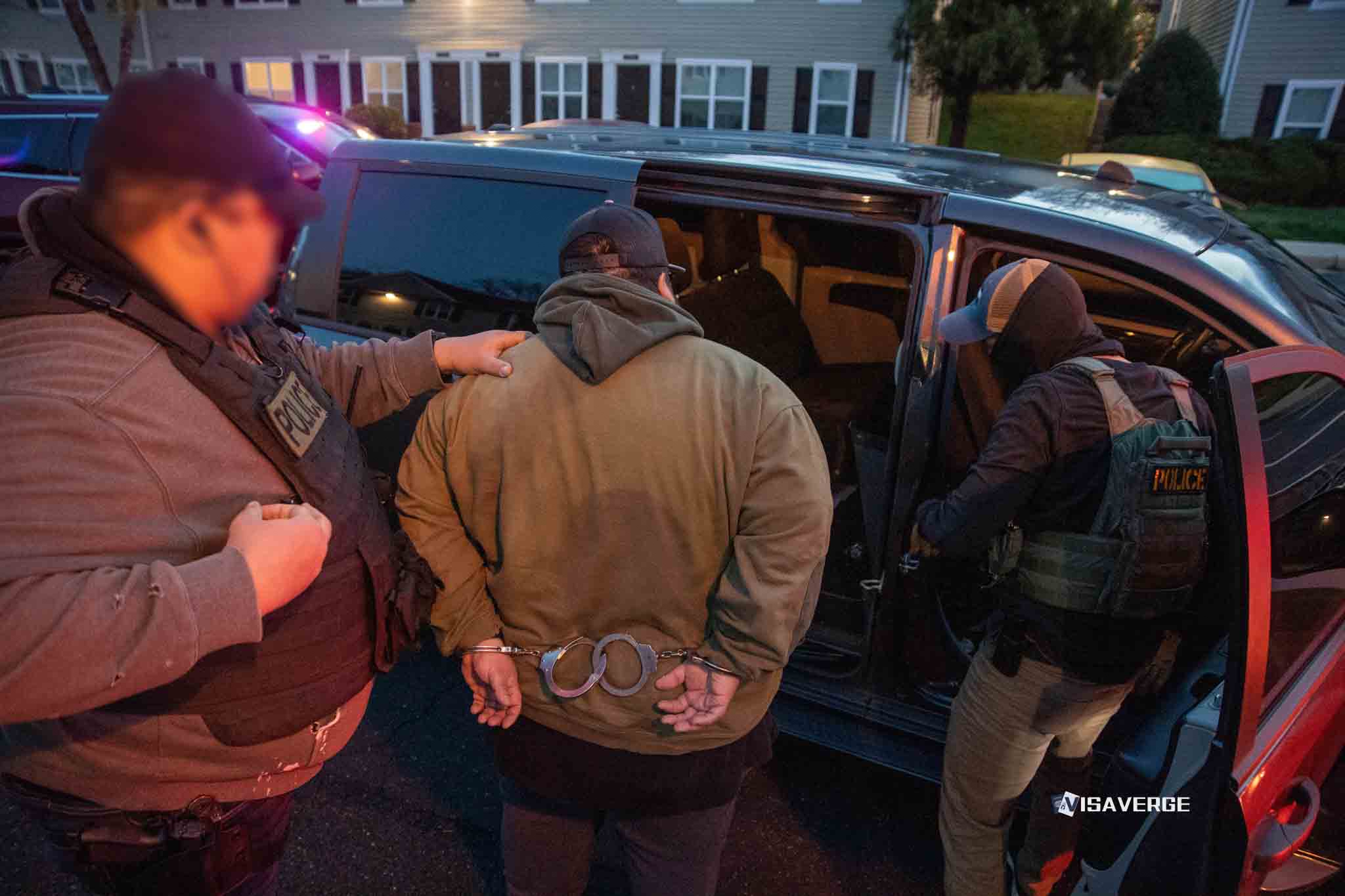
(EL PASO, TEXAS) – U.S. immigration authorities detained Deisy Fidelina Rivera Ortega, the wife of active-duty Army Sgt. 1st Class Jose Serrano, at an interview tied to a military Parole in Place application in El Paso on April 14, 2026, setting off a dispute over whether she should be released or deported.
Matthew Kozik, Rivera Ortega’s attorney, said his legal team was told on April 22 that she would be released from detention. He later said officials instead indicated she would be removed to Mexico.
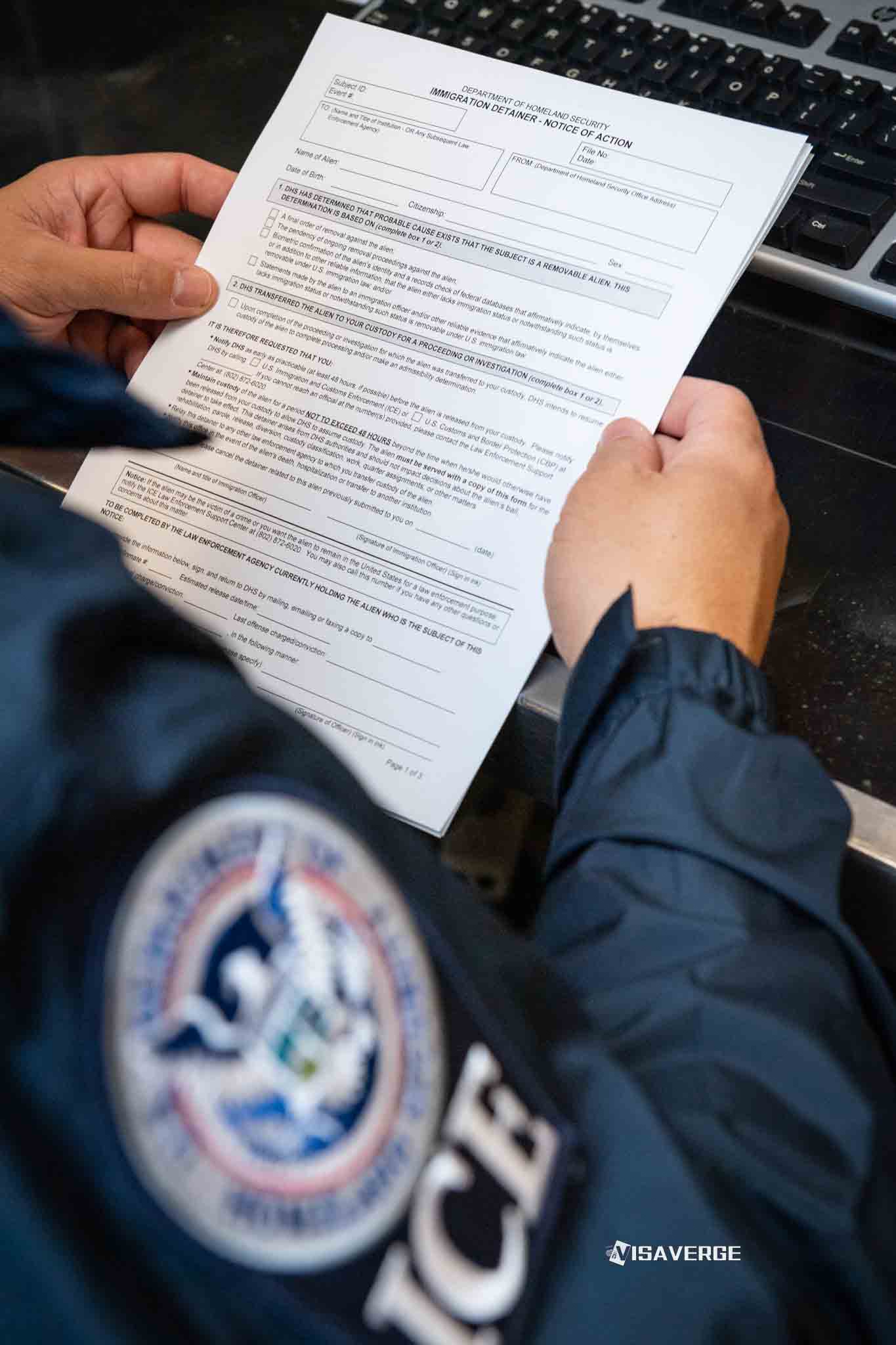
DHS said Rivera Ortega entered the United States in 2016, had a prior illegal-entry conviction, and received a final removal order from an immigration judge on December 12, 2019. The department also said work authorization does not create lawful immigration status.
Kozik has argued that Rivera Ortega has separate protection from return to El Salvador and should not be sent to Mexico without further process. He said he filed a habeas petition seeking her release.
| India | China | ROW | |
|---|---|---|---|
| EB-1 | Feb 01, 2023 | Aug 01, 2023 ▲31d | Current |
| EB-2 | Nov 01, 2013 | Oct 01, 2021 | Apr 01, 2025 ▲90d |
| EB-3 | Jan 22, 2014 ▲21d | Jan 22, 2022 ▲14d | Jun 15, 2024 ▲31d |
| F-1 | Jan 22, 2021 ▲366d | Jan 22, 2021 ▲366d | Jan 22, 2021 ▲366d |
| F-2A | Oct 22, 2026 ▲30d | Oct 22, 2026 ▲30d | Oct 22, 2026 ▲30d |
The case has drawn attention because it sits at the intersection of military-family immigration relief and enforcement. Rivera Ortega attended an appointment linked to a process often used by service members’ relatives who are trying to stabilize their status in the United States.
USCIS gives certain military families access to discretionary options, including parole or deferred action, on a case-by-case basis. Spouses, parents, sons and daughters of current or former service members may qualify to ask for that relief.
Parole in Place can help some undocumented relatives remain in the country and, in some cases, support a later green card process. It does not erase prior immigration violations, wipe out every removal order, or block ICE action in every case.
That distinction matters in Rivera Ortega’s case because the government and her legal team are relying on different parts of her record. DHS points to the prior order and conviction, while Kozik points to her existing protections and the process he says must come before any removal to a third country.
Work authorization often causes confusion in cases like this one. A person can hold permission to work and still remain exposed to detention or deportation.
Employment authorization can arise from several immigration settings, including pending applications, parole-related cases, asylum matters, withholding of removal, deferred action, Temporary Protected Status and other temporary categories. The permit allows employment; it does not by itself confer permanent residence, lawful nonimmigrant status, or immunity from removal.
DHS took that position directly in Rivera Ortega’s case. The department said her work authorization does not give her lawful status in the United States.
Her legal team has focused instead on what kind of protection stands behind that work authorization and whether it limits where the government can send her. Those are different questions from whether she can work.
Withholding of removal, one of the protections raised in the dispute, can stop deportation to a country where a person’s life or freedom would be threatened. It does not automatically prevent removal to every other country.
Immigration court rules explain that withholding bars removal to the country of feared persecution. It may still permit removal to a third country where that threat does not exist.
Mexico has become central because Rivera Ortega is from El Salvador, and Kozik argues she should receive a fear-screening process before any transfer there. The legal fight is not limited to whether DHS can act on the final removal order; it also turns on whether additional screening or other process is required before removal to a third country.
That issue carries weight beyond one detention case. Military families often approach Parole in Place as a humanitarian step that recognizes service, family unity and hardship, but the process remains discretionary from start to finish.
Recent enforcement guidance has also narrowed the protection many military households once assumed existed. DHS eliminated a 2022 policy that had treated military service by an immediate family member as a “significant mitigating factor” in enforcement decisions.
Newer guidance states military service alone does not exempt noncitizens from immigration-law consequences. Family ties to the armed forces may still count, but they do not guarantee release from detention or protection from removal.
Serrano’s family has described the personal cost in stark terms. He has served 27 years, deployed to Afghanistan three times, and said his wife’s detention has caused serious stress while he has been receiving treatment for PTSD.
The legal and practical lesson from the case is narrower than the public reaction around it. Military PIP can be valuable, but it is not a shield against every unresolved problem in a person’s immigration file.
Applicants with old court cases face the highest risk if they walk into an appointment without a full review of the record. Prior removal orders, missed hearings, old deportation proceedings, unlawful-entry convictions, reinstatement issues, asylum denials and earlier ICE encounters can all change what happens at what appears to be a routine interview.
Lawyers handling military-family cases often begin with the underlying file, not the new application. That means reviewing court orders, appeal history, motions to reopen, stays of removal, the category behind any work permit, prior entries and exits, and criminal records.
Country-specific protections also matter. If a person has withholding of removal or protection under the Convention Against Torture, counsel must determine exactly what country that order covers and what it does not cover before the person appears at USCIS, ICE, or a consular appointment.
Families also gather evidence that goes to discretion. Marriage records, military service records, deployment history, medical documentation, tax filings, proof of family unity, community ties and evidence of good moral character can all shape how officers assess a request for relief.
None of those documents, by themselves, cancels a prior order. They can still matter, especially when a lawyer is trying to reopen a case, seek deferred action, argue hardship, or persuade authorities to exercise discretion in a military-family matter.
The distinction between relief and status sits at the heart of many enforcement disputes. A grant of parole, deferred action, or work authorization may offer temporary breathing room, yet leave older orders or inadmissibility grounds untouched.
That is why attorneys urge military families to treat any government appointment as both an opportunity and a risk when the person has prior immigration history. The paperwork being filed that day may not control the encounter if another part of the file gives enforcement officers a separate basis to act.
Rivera Ortega’s detention has put those questions in unusually public form because it involved a spouse of an active-duty soldier seeking Parole in Place through a channel designed for military families. Her case now turns on how immigration authorities and the courts weigh her prior order, her prior conviction, the protections her lawyer says she holds, and the process required before any removal to Mexico.
The outcome will not change the basic legal structure around these cases. Parole in Place remains discretionary, work authorization remains distinct from immigration status, and withholding of removal remains country-specific in scope.
Military relatives preparing for a PIP interview still face the same hard requirement: know the full record before stepping into the building. In Rivera Ortega’s case, that record includes a 2016 entry, a prior illegal-entry conviction, and a December 12, 2019 order that DHS says remains enforceable.
Kozik’s court filing and the government’s next move will decide whether she leaves detention, stays in the United States while the case proceeds, or faces removal to Mexico. Until then, the detention of Deisy Fidelina Rivera Ortega stands as a blunt reminder that Parole in Place can open a door for military families, but it does not close every enforcement path that remains on file.