Key Takeaways
• Paola Clouatre, a breastfeeding mother and Marine veteran’s wife, was detained by ICE in June 2025.
• ICE enforcement under Trump policy deprioritizes protections for military families with undocumented members.
• Paola faces deportation from Monroe, Louisiana, disrupting her family and breastfeeding newborn daughter.
The detention of Paola Clouatre, the wife of Marine Corps veteran Adrian Clouatre, has sparked widespread concern and debate about the treatment of military families under current United States ?? immigration enforcement policies. In late June 2025, Paola Clouatre, a 25-year-old Mexican national, was taken into custody by U.S. Immigration and Customs Enforcement (ICE) while she was still breastfeeding her three-month-old daughter, Lyn. This case highlights the real-life impact of strict immigration policies on families, especially those with deep ties to the United States ?? military.
Who Is Involved and What Happened?

Paola Clouatre was brought to the United States ?? illegally by her mother more than ten years ago. She built her life in Baton Rouge, Louisiana, where she married Adrian Clouatre, a Marine Corps veteran who is service-disabled. Together, they have children, including their youngest, Lyn, who was only three months old and still breastfeeding when Paola was detained.
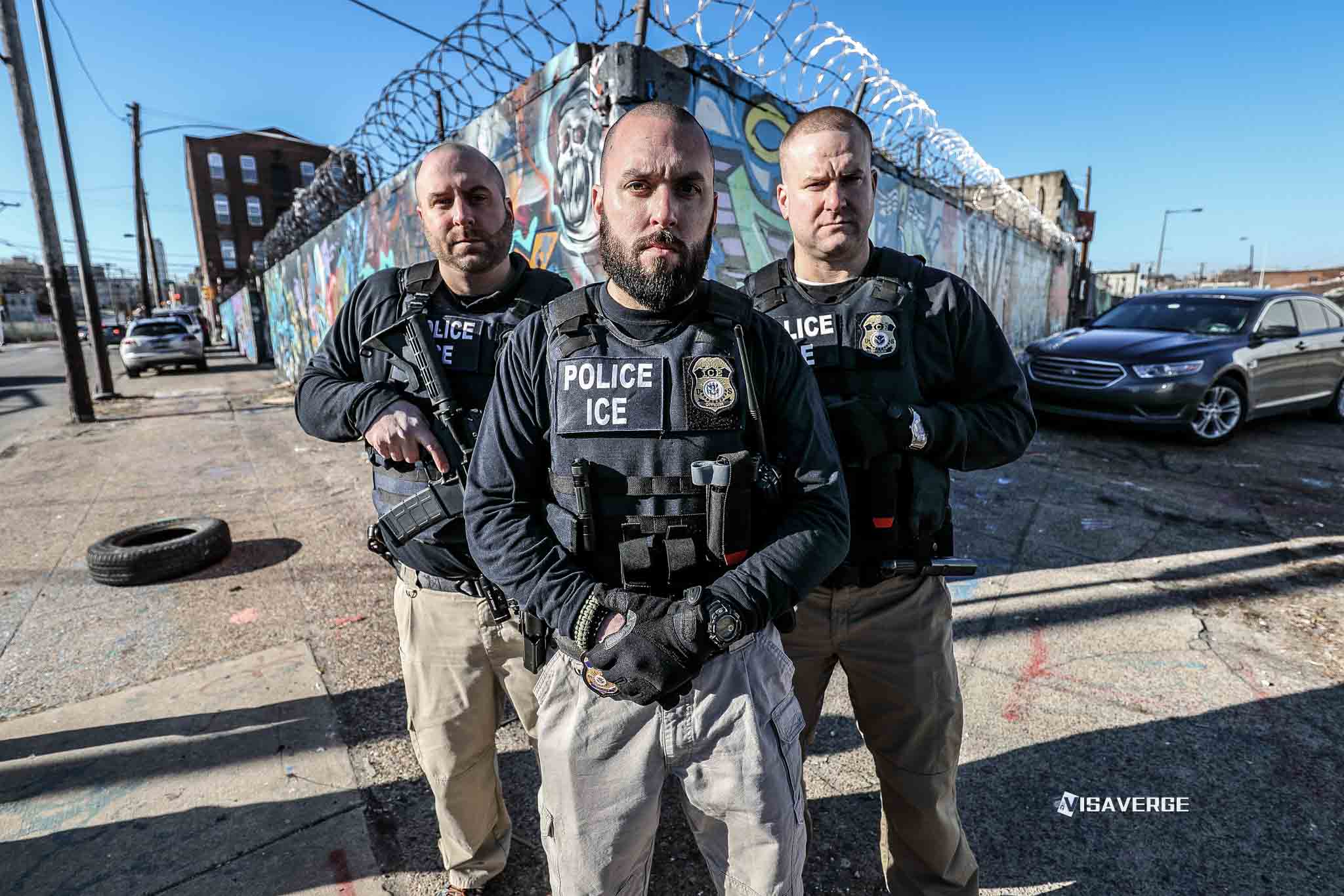
ICE detained Paola as part of a broader enforcement effort that, under the Trump administration, has aimed to arrest about 3,000 people each day. These arrests include people with family ties to military service members, a group that previously might have expected some leniency due to their connection to the armed forces.
Paola is now being held in an ICE detention center in Monroe, Louisiana, which is about a four-hour drive from her home. Her husband, Adrian, must make an eight-hour round trip to visit her, all while caring for their children and managing the emotional and practical challenges of her absence.
Why Was Paola Clouatre Detained?
Paola Clouatre’s detention is part of a larger policy shift. In the past, there was an informal understanding that military families, especially those with U.S. citizen spouses or children, might receive some protection or help in legalizing their status. However, recent government memos show that the agency responsible for helping military family members now refers them for deportation, even if they have strong family and community ties.
This change reflects a strict enforcement approach under the Trump administration. The administration has deprioritized protections for military families who lack legal status, even as Marine Corps recruiters continue to suggest that enlistment can help protect families from deportation. This contradiction has left many families confused and vulnerable.
Where Is Paola Clouatre Now?
Paola is currently in ICE custody in Monroe, Louisiana. She is facing deportation proceedings, which means she could be removed from the United States ?? and separated from her husband and children. The detention center is far from her home, making it difficult for her family to visit and support her during this challenging time.
How Does This Affect the Clouatre Family?
The impact on the Clouatre family is severe. Adrian Clouatre, as a Marine Corps veteran and a service-disabled individual, faces significant challenges. He must care for their children alone, including their infant daughter who was still breastfeeding when Paola was detained. The long distance to the detention center adds to the strain, both emotionally and financially.
Adrian has spoken about the emotional toll on their children, especially the baby, who is missing out on the benefits of breastfeeding and the close bond with her mother. The separation has disrupted their family life, making daily routines and childcare much harder.
The Bigger Picture: ICE Enforcement and Military Families
Policy Shift Under the Trump Administration
The Trump administration has taken a hardline stance on immigration enforcement. According to official directives, ICE officers are expected to arrest about 3,000 people each day across the country. This aggressive approach has led to tens of thousands of detentions and deportations, including many people with close family ties to U.S. citizens and military veterans.
In the past, there was an understanding that military families might be treated differently, with some leniency or help in adjusting their immigration status. However, recent memos show that these families are now treated like any other group facing immigration enforcement. The agency that once helped military families now refers them for deportation, marking a clear change in policy.
Contradiction in Military Recruitment Messaging
Marine Corps recruiters have continued to promote military service as a way for families without legal status to gain protection. This message is now at odds with the reality of current enforcement policies. Families like the Clouatres, who may have believed that military service would shield them from deportation, now find themselves at risk.
Analysis from VisaVerge.com suggests that this contradiction has created confusion and fear among military families with undocumented members. Many now worry that their service and sacrifice are not enough to protect their loved ones from detention and deportation.
Humanitarian Concerns: The Impact on Mothers and Children
Detaining Breastfeeding Mothers
The detention of Paola Clouatre while she was still breastfeeding her infant daughter has raised serious humanitarian concerns. Breastfeeding is important for a baby’s health, providing essential nutrition and helping to build a strong bond between mother and child. When a breastfeeding mother is detained, the baby may suffer from lack of proper nutrition and emotional distress.
Human rights advocates have pointed out that separating mothers from their infants can have long-lasting effects on both the child and the family. The emotional trauma, disruption of feeding routines, and loss of maternal care can be especially harmful to young children.
Emotional and Practical Hardship
For families like the Clouatres, the practical challenges are overwhelming. Adrian must travel long distances to visit his wife, arrange childcare for their children, and manage the household alone. The emotional strain on the children, especially the infant, is significant. The family’s daily life has been turned upside down by the detention.
The Legal Process: What Happens Next?
ICE Detention and Deportation Proceedings
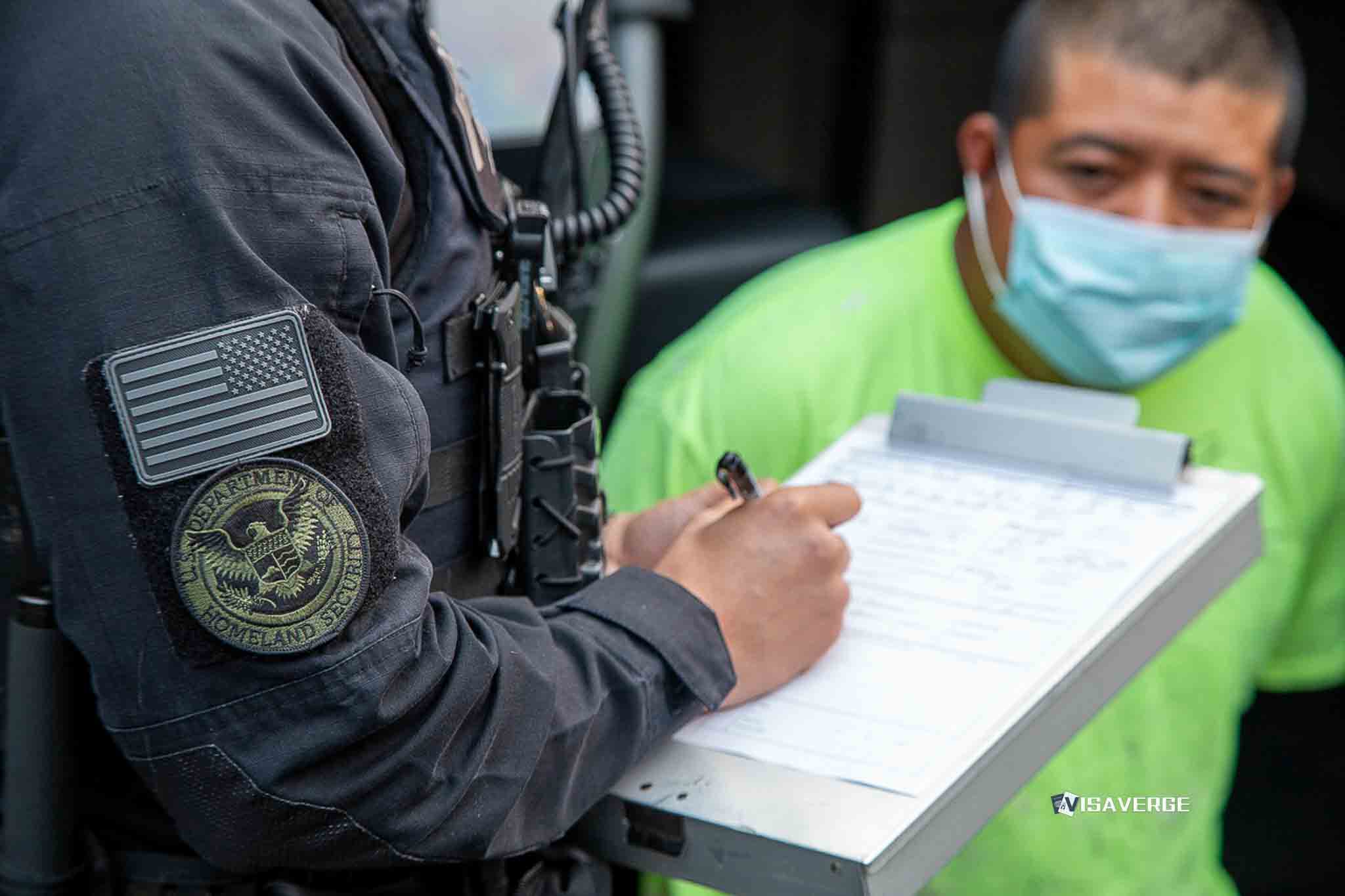
When ICE detains someone like Paola Clouatre, the process usually follows these steps:
- Detention: The individual is taken into custody and held in a detention center, often far from home.
- Deportation Proceedings: The detainee faces a legal process to determine whether they will be deported. This can involve court hearings and the chance to present a case for staying in the United States ??.
- Seeking Legal Relief: Detainees may try to adjust their status or seek other forms of relief, such as asylum or cancellation of removal. However, recent policy changes have made it harder for military families to get special consideration.
- Family Visits: Family members can visit, but long distances and strict visitation rules make this difficult.
For more information about ICE detention and deportation, readers can visit the official ICE Detention Management page.
Fewer Protections for Military Families
In the past, military families could sometimes benefit from programs like “Parole in Place,” which allowed certain undocumented family members of U.S. military personnel to stay in the country temporarily. However, recent memos indicate that these protections are now rarely granted, and military families are often treated like any other group facing deportation.
Stakeholder Perspectives
The Clouatre Family
Adrian Clouatre has spoken out about the hardship his family faces. As a Marine Corps veteran, he feels that his family’s service and sacrifice should count for something. He worries about the well-being of his children, especially the baby who is missing her mother’s care and breastfeeding.
ICE and Federal Authorities
ICE officials say they are following current laws and policies, which require them to detain and deport people who lack legal status, regardless of their family ties or military connections. They point to directives from the Trump administration that prioritize strict enforcement.
Immigration Law Experts
Experts in immigration law note that the current approach is a major change from past practices. They say that military families are no longer given special consideration, and that this shift has left many families vulnerable. Some experts argue that the policy is at odds with the nation’s values and the sacrifices made by military families.
Marine Corps Recruiters
Recruiters continue to suggest that military service can help protect families from deportation, but this message is now complicated by the reality of strict enforcement. Families who believed they would be safe are now at risk, leading to confusion and fear.
Broader Implications and Policy Debate
Humanitarian and Family Unity Concerns
The detention of breastfeeding mothers like Paola Clouatre has sparked debate about the balance between immigration enforcement and family unity. Many advocates argue that separating families, especially those with young children, is harmful and goes against basic humanitarian principles.
Impact on Military Recruitment and Morale
The policy shift may also affect military recruitment and morale. If families of service members cannot count on protection or support, some may be less willing to serve or may feel betrayed by the system.
Calls for Policy Change
Advocacy groups and some lawmakers are calling for changes to immigration policy to restore protections for military families. They argue that families who have served the country deserve special consideration and that humanitarian exceptions should be made, especially for mothers with young children.
Historical Context: How Did We Get Here?
Historically, the United States ?? has sometimes shown leniency toward military families in immigration matters, recognizing their service and sacrifices. Programs like “Parole in Place” were created to help undocumented family members of military personnel stay in the country.
The Trump administration’s policies marked a sharp departure from this approach. The focus shifted to strict enforcement, with fewer exceptions for military families. Paola Clouatre’s case is a clear example of how these changes have affected real people.
What’s Next for Paola Clouatre and Families Like Hers?
Ongoing Detentions and Advocacy
Given the current enforcement priorities, it is likely that more military families will face similar situations. Advocacy groups are working to raise awareness and push for policy changes, especially for breastfeeding mothers and families with young children.
Legal and Legislative Efforts
There may be legal challenges or new laws proposed to restore protections for military families. Some lawmakers have called for humanitarian exceptions and for programs like “Parole in Place” to be strengthened.
Support and Resources
Families facing ICE detention and deportation can seek help from:
- The U.S. Immigration and Customs Enforcement (ICE) Detention and Deportation Office
- Local legal aid organizations that specialize in immigration law
- Veteran service organizations that support military families with immigration issues
Practical Guidance for Affected Families
If you or someone you know is facing a similar situation, here are some steps to consider:
- Contact a qualified immigration lawyer as soon as possible to discuss your options.
- Reach out to veteran service organizations for support and resources.
- Stay informed about your rights and the latest policy changes by visiting official government websites.
- Document your family’s military service and gather any paperwork that may help your case.
Conclusion
The case of Paola Clouatre, the wife of Marine Corps veteran Adrian Clouatre, shows the real-life impact of current immigration enforcement policies on military families. Her detention while breastfeeding her infant daughter has raised serious humanitarian and policy questions. As reported by VisaVerge.com, the shift away from protecting military families has left many vulnerable to detention and deportation, despite their service and sacrifice.
The debate over how to balance immigration enforcement with family unity and humanitarian concerns is ongoing. For now, families like the Clouatres must navigate a difficult and uncertain path, hoping for policy changes that will recognize their contributions and keep their families together.
Learn Today
ICE → U.S. agency enforcing immigration laws, responsible for detaining and deporting undocumented immigrants.
Detention Center → Facility where detained immigrants are held during immigration enforcement and deportation processes.
Deportation Proceedings → Legal process determining whether an undocumented individual must leave the United States.
Parole in Place → Immigration policy allowing military family members to stay temporarily without deportation.
Military Families → Families with members serving or having served in the armed forces, often receiving special protections.
This Article in a Nutshell
Paola Clouatre’s ICE detention while breastfeeding highlights harsh immigration policies impacting military families. Despite military ties, protections are removed, causing family separation and hardship. The Trump administration enforces mass arrests, ignoring prior leniency, sparking humanitarian and policy debates around family unity and immigrant rights.
— By VisaVerge.com