A federal court on April 13, 2026 revoked the U.S. citizenship of Indian-origin man Gurdev Singh Sohal, changing the case from a pending denaturalization effort into a completed loss of citizenship. The Justice Department said the action followed a civil complaint filed on Sept. 24, 2025 and was part of a broader enforcement push that it described as the ninth denaturalization action since Jan. 20, 2025.
- The court found Sohal illegally procured citizenship after he concealed a prior deportation order issued in 1994 under the name Dev Singh and later naturalized in 2005.
- Government filings said Sohal adopted a different identity, date of birth, and date of entry before becoming a U.S. citizen, and that fingerprint analysis in February 2020 confirmed the records under both identities belonged to the same person.
- The Justice Department said Sohal was never lawfully admitted for permanent residence and that the concealment of his identity and immigration history defeated the good moral character required for naturalization.
- Reporting on the wider campaign said the administration’s denaturalization effort expanded to 17 U.S. citizens in a single push, including people accused of immigration fraud, fraud crimes, violent crimes, and identity-related offenses.
- A federal judge revoked the U.S. citizenship of Gurdev Singh Sohal due to identity and immigration fraud.
- The fraud was discovered by matching old fingerprint records from a 1994 deportation order to his 2005 naturalization.
- The Justice Department has increased denaturalization targets to 100-200 referrals per month for fiscal year 2026.
(UNITED STATES) — A federal judge revoked the U.S. citizenship of Gurdev Singh Sohal, an Indian-origin man also known as Dev Singh and Boota Singh Sundu, after finding that he obtained naturalization through identity fraud and by concealing an earlier deportation order.
The ruling, issued on April 13, 2026, stripped Sohal of citizenship that the Justice Department said he secured in 2005 under a false identity. The Department of Justice announced the case in a press release dated April 16, 2026.
Assistant Attorney General Brett A. Shumate of the Justice Department’s Civil Division cast the decision as part of a broader enforcement push. “This case shows this Administration’s strength and commitment to ensuring the sanctity of U.S. citizenship. The cooperation between the Department of Justice and the Department of Homeland Security reflects a strong partnership to protect the nation against immigration and identity fraud.”
Court records described Sohal’s citizenship as “illegally procured” because he hid a prior deportation order, a fact that meant he did not meet the good moral character requirement for naturalization. That finding put the case in the category of denaturalize actions that federal authorities have elevated during the past year.
The government said Sohal had been ordered deported in 1994 under the identity “Dev Singh.” Instead of leaving the United States, he assumed what officials described as a fictitious identity with a different name, date of birth and entry record.
Using that new identity, he later became a lawful permanent resident and then naturalized as a U.S. citizen in 2005. The concealment lasted for years.
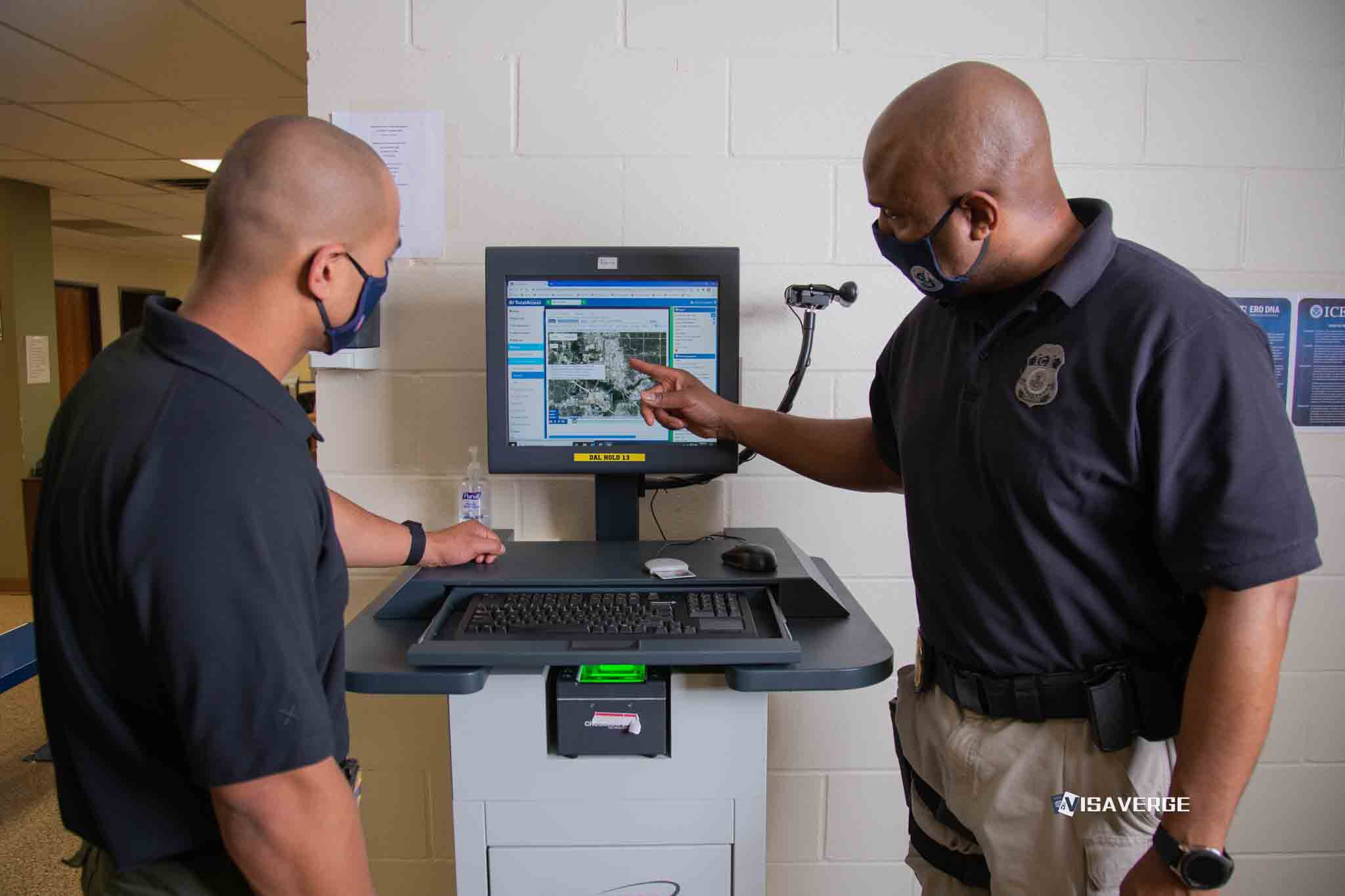
Federal authorities said the fraud came to light in February 2020 through the Historic Fingerprint Enrollment project, a joint DOJ-DHS effort that compares older paper fingerprint records with newer digital immigration files. Forensic analysts matched fingerprints tied to the 1994 deportation record with the fingerprints in Sohal’s 2005 naturalization file.
The match depended on the digitization of legacy paper fingerprint records, an effort that has widened the government’s ability to revisit old immigration cases. The Sohal case fits a pattern federal officials have linked to older records that were never fully integrated into centralized databases.
Shumate had previewed that approach months earlier. “If you lie to the government or hide your identity so that you can naturalize, this Administration will find you and strip you of your fraudulently acquired U.S. citizenship,” he said on September 24, 2025.
That warning now sits alongside a sharp increase in referrals for denaturalization. Internal USCIS guidance issued in December 2025 directed field offices to send 100 to 200 denaturalization cases per month to the Justice Department for fiscal year 2026.
The increase marked a break from the historical average of roughly 11 cases per year. As of June 2025, the Justice Department had formally designated denaturalization as a top five enforcement priority.
The renewed emphasis follows the model of Operation Janus, a Department of Homeland Security probe that identified 315,000 cases in which fingerprints were missing from centralized databases. That effort led to the first major Indian-origin denaturalization case in 2018, involving Baljinder Singh.
Sohal’s case shows how those projects can revive immigration histories that appeared settled decades earlier. A deportation order issued under one identity became the basis for undoing a citizenship grant issued under another.
The legal effect of denaturalization can be immediate and severe. Once a court cancels citizenship, a person’s status typically reverts to that of a lawful permanent resident, or green card holder, unless the underlying fraud leaves no lawful status to return to.
In cases involving earlier removal findings, deportation proceedings can move quickly. For Sohal, the 1994 deportation order can be reinstated.
The consequences can stretch beyond U.S. immigration status. Indian-origin individuals who lose U.S. citizenship can also face risks tied to Overseas Citizen of India status, which often depends on the legal validity of foreign citizenship.
That creates another layer of uncertainty for people who previously gave up Indian citizenship after naturalizing elsewhere. Some denaturalized individuals can face technical statelessness if their earlier citizenship was renounced and cannot be easily reclaimed.
Federal officials have framed the new campaign in narrow legal terms, focusing on fraud in the naturalization process rather than on revoking citizenship from naturalized Americans generally. Still, the monthly referral targets set out in December 2025 point to a far larger pipeline than the government has used in the past.
The Justice Department announcement in Sohal’s case emphasized coordination between immigration agencies and civil litigators. The department’s civil division, working with the Department of Homeland Security, pursued the action after fingerprint evidence tied the two identities together.
USCIS has also highlighted denaturalization matters in its newsroom postings as the administration expands review of older files. The relevant government pages include the DOJ press release issued on April 16, 2026, the USCIS newsroom, and the DOJ Office of Immigration Litigation.
The Justice Department identified the case in a release titled “Federal Judge Revokes Citizenship of Immigration and Identity Fraudster.” The government’s account centered on a single allegation with broad legal force: Sohal obtained citizenship by hiding the fact that he had already been ordered deported under another name.
Denaturalization cases have long been rare because they require the government to reopen completed citizenship grants and prove that the original naturalization was unlawful. The jump from roughly 11 cases per year to a target of 100 to 200 referrals each month shows how sharply federal priorities have changed.
Identity fraud sits at the heart of many of those cases because citizenship applications depend on the accuracy of names, dates of birth, entry histories and prior immigration encounters. In Sohal’s case, officials said all of those elements had been altered when he assumed a fictitious identity after the 1994 deportation order.
The government’s ability to denaturalize often turns on evidence created years earlier and rediscovered later. Here, fingerprint records from an old deportation file became the link that connected Gurdev Singh Sohal to the identity of Dev Singh and, in turn, to the name Boota Singh Sundu listed among his aliases.
Federal authorities have not treated that kind of discovery as an isolated problem. Operation Janus and the Historic Fingerprint Enrollment project both grew from concerns that older, incomplete databases allowed some people with removal orders or disqualifying immigration histories to reenter the system under different identities.
Those concerns now have a clear enforcement structure behind them. USCIS field offices have referral goals, the Justice Department has listed denaturalization among its top five priorities, and officials have paired public warnings with court filings designed to show that old cases remain open to review.
Sohal’s case ended with the court canceling a citizenship grant that had stood for more than two decades. The government’s message, repeated by Shumate in 2025 and again after the April 13, 2026 ruling, is that a naturalization oath will not survive proof that it was secured through identity fraud.