- House lawmakers passed a funding bill to end the 76-day DHS shutdown on April 30, 2026.
- Full staffing levels are restored for USCIS, CBP, and ICE to address massive backlogs.
- Enhanced airport security measures and ICE-TSA collaboration will continue despite the resolution.
(UNITED STATES) — House lawmakers passed a Senate-approved funding bill on April 30, 2026, ending the DHS shutdown after 76 days and restoring normal operations across the Department of Homeland Security.
The lapse began on February 14, 2026 and halted or strained work across agencies that touch immigration processing, airport screening, and border operations. DHS said services would now resume across components including USCIS, CBP, and TSA.
“The 76-day funding lapse has concluded. DHS components, including USCIS, CBP, and ICE, are authorized to resume full staffing levels immediately to address backlogs in processing and airport operations,” a DHS spokesperson said on April 30, 2026.
Free toolB1/B2 Tourist Visa Stay Calculator onlineThat return to full staffing closes the longest partial funding lapse in U.S. history. It also opens a slower phase, as agencies work through delayed adjudications, airport staffing gaps, and travel checks that expanded during the standoff.
Congressional disputes over immigration reforms triggered the shutdown after the killing of Alex Pretti by CBP agents in January 2026. By the time the impasse ended, immigration enforcement and airport operations had already shifted under emergency measures that reached well beyond Washington.
President Trump tried to keep employees paid during the shutdown with an April 3, 2026 memorandum titled “Liberating the Department of Homeland Security From the Democrat-Caused Shutdown.” “I have determined that these circumstances constitute an emergency situation compromising the Nation’s security. I hereby direct the Secretary of Homeland Security. to use funds. to provide each and every employee of DHS with the compensation and benefits that would have accrued to them,” Trump said in the memorandum.
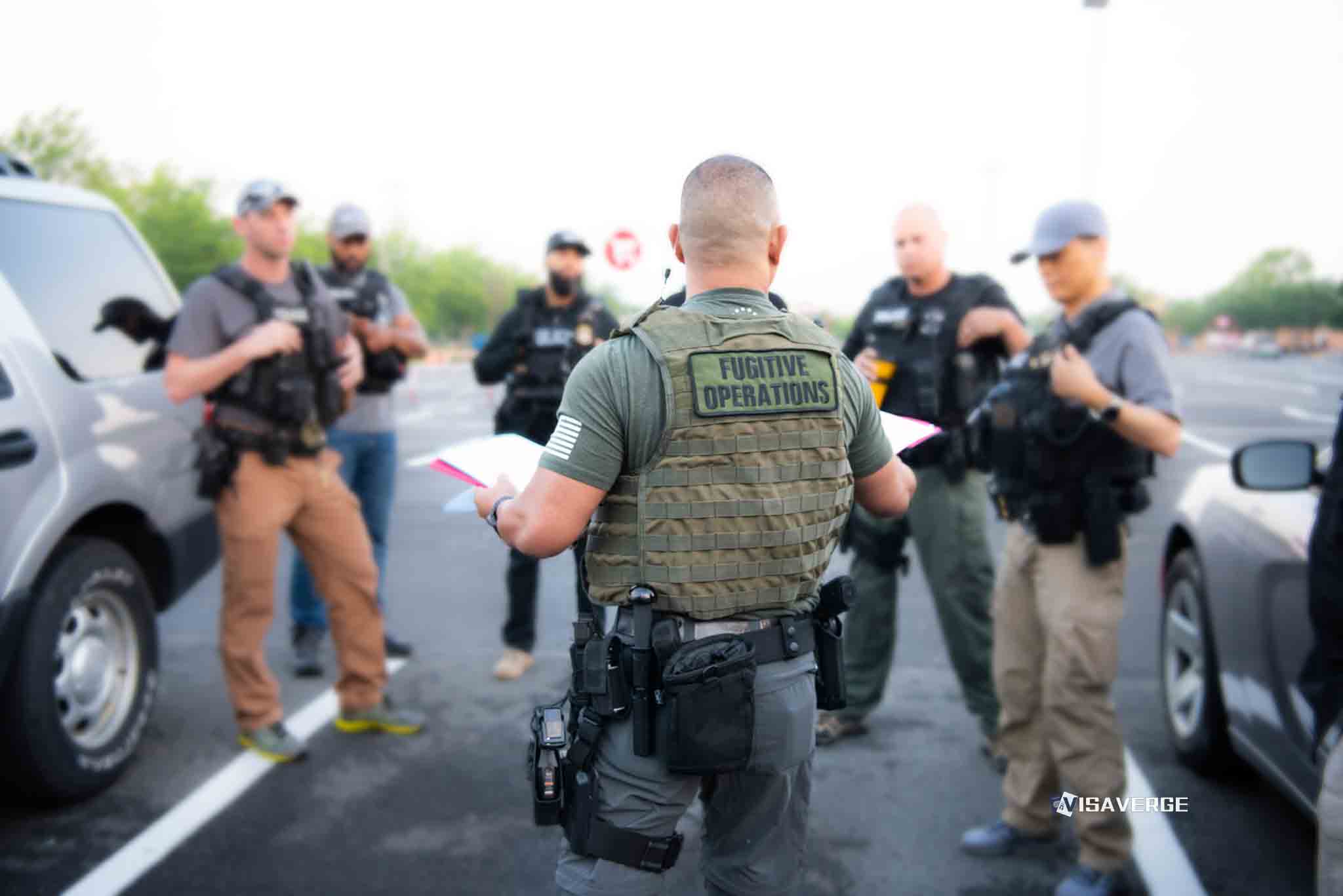
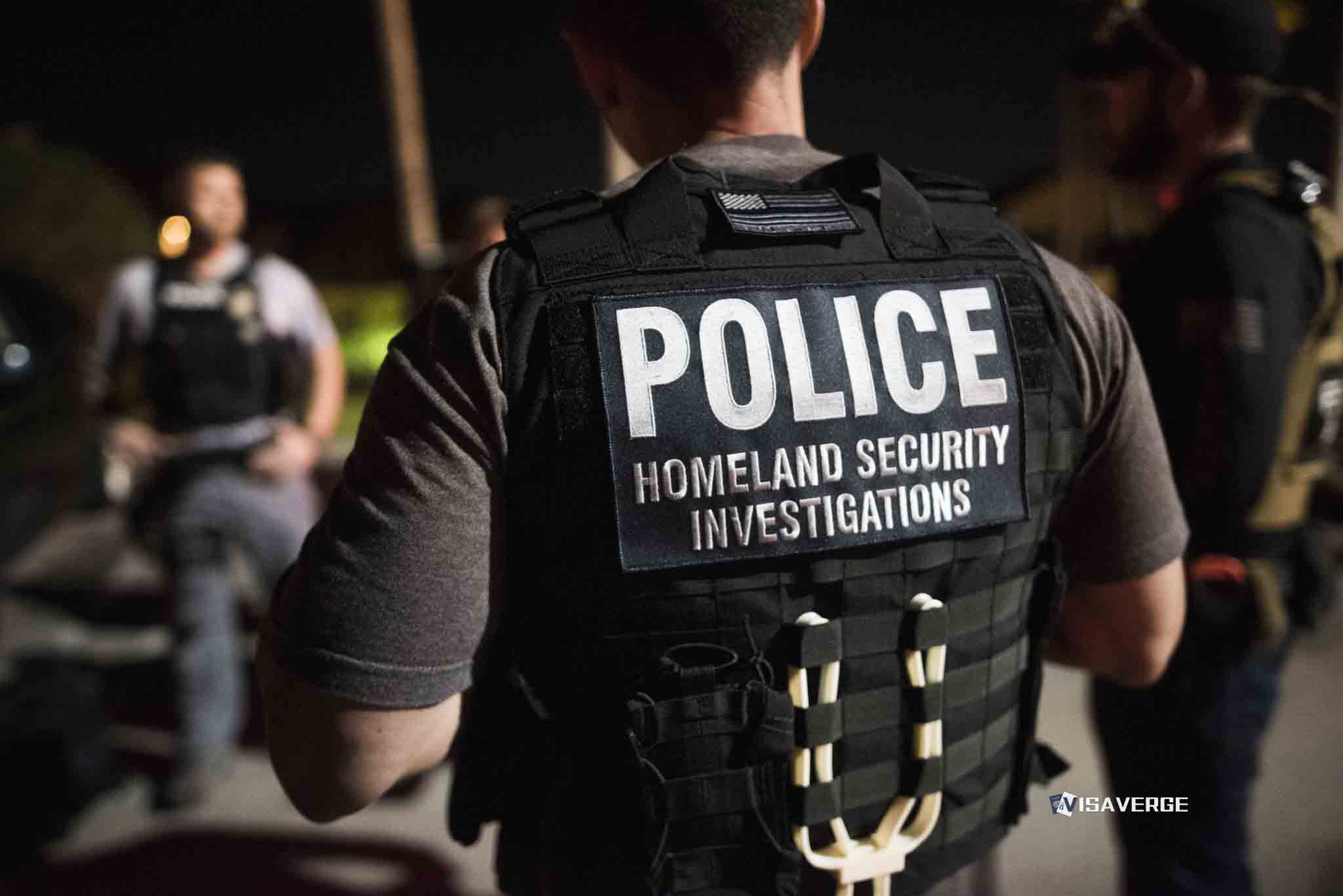
At airports, DHS expanded the role of immigration agents as TSA staffing weakened. Acting Assistant Secretary Lauren Bis said on March 27, 2026, “ICE agents have received the standard TSA training curriculum and are verifying identification using TSA equipment. they will continue arresting public safety threats and will not allow [politics] to slow us down from making America safe again.”
ICE deployed to 14+ major airport hubs, including JFK, O’Hare, and ATL, after TSA callouts reached 55% in hubs like Houston. The collaboration remains in effect after the shutdown, according to the policy details released alongside the resumption of operations.
Emergency spending also helped keep parts of the department functioning during the lapse. DHS drew on the One Big Beautiful Bill Act of 2025, known as OBBBA, which provided a $165 billion infusion for immigration enforcement.
With USCIS and related agencies resuming normal operations, immigrants and travelers now face a changed enforcement environment rather than a return to pre-shutdown routines. Airport identification checks have become tighter, document checks matter more, and delays tied to the shutdown are expected to persist even as offices reopen fully.
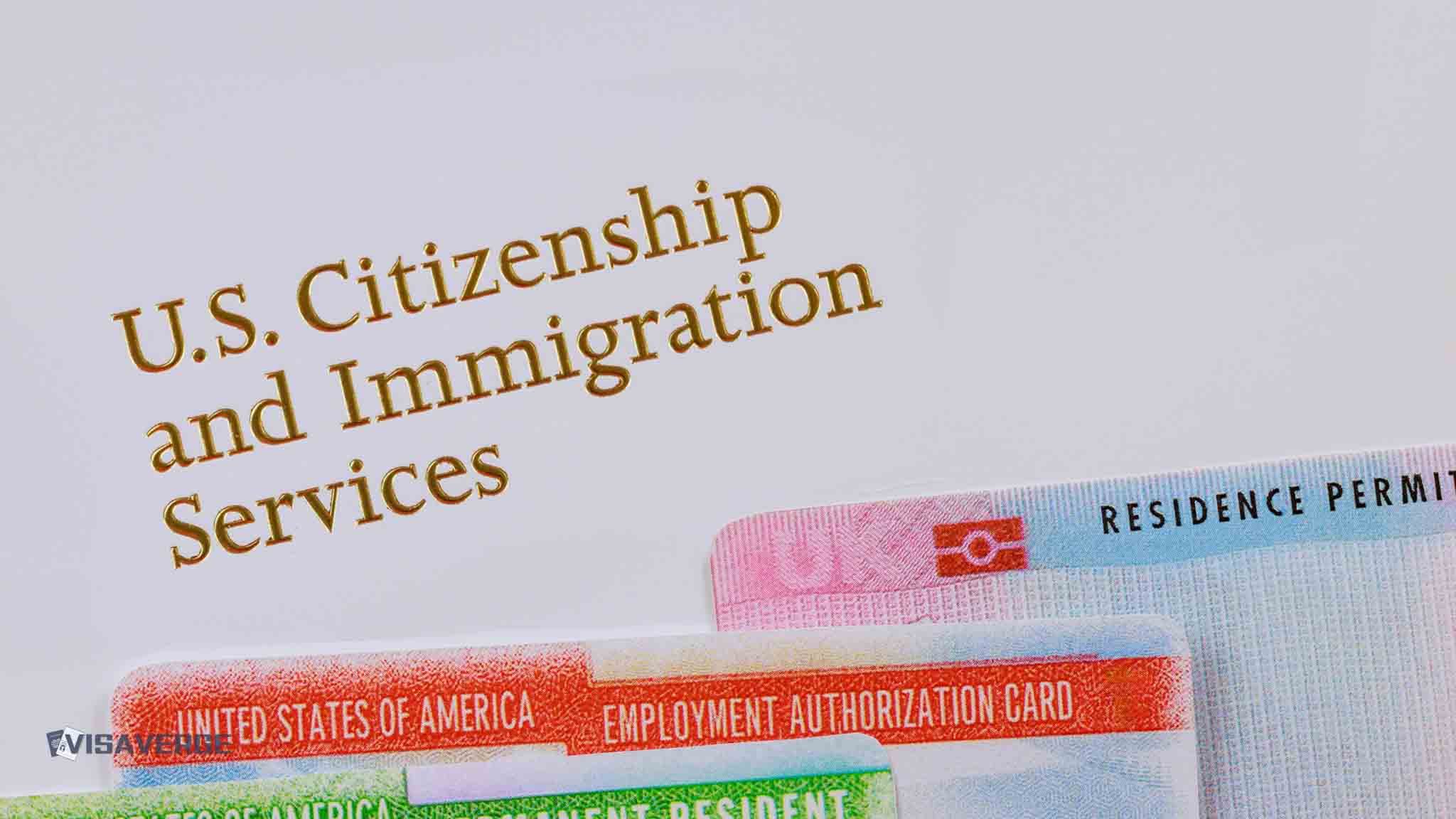
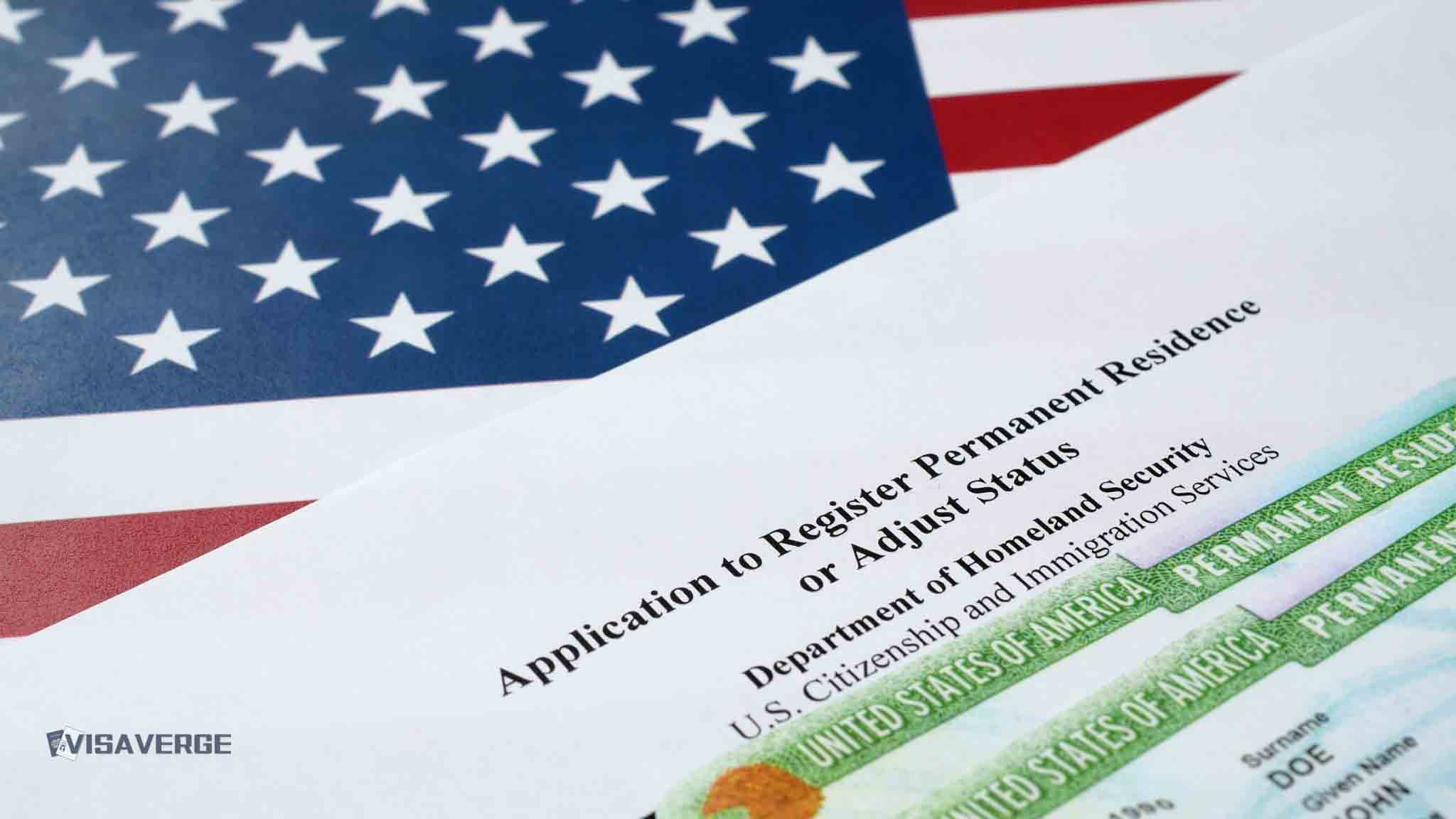
Current proof of lawful status sits at the center of that post-shutdown checklist. Travelers and non-citizens should carry a valid I-551 green card or I-766 employment authorization document, and USCIS validity changes from late 2025 shortened certain EAD periods to 18 months.
Recent arrivals should also verify the accuracy of their electronic Form I-94 after entry, especially the “Admit Until” date. CBP maintains that record through the [official I-94 portal](https://i94.cbp.dhs.gov), which remains the quickest way to catch an entry error before it causes trouble with work authorization, status compliance, or later travel.
Receipt notices have taken on more practical value as airport enforcement widened during the shutdown. Anyone with a pending case, including asylum, adjustment of status, or DACA, should carry the original Form I-797 receipt notice because it provides context during encounters at airports where ICE and TSA now work side by side.
Travel authorization also needs a second look before an international trip. A person with a pending green card case needs approved Advance Parole on Form I-131 before leaving the United States, and passports should remain valid for at least six months beyond the intended return date.
USCIS compliance rules did not pause during the funding lapse. Address changes still require filing Form AR-11 within 10 days, and recent tax returns remain useful records to carry or store electronically as proof of continuous presence and compliance with U.S. law.
The travel side of the shutdown left a broader footprint than delayed screening lines. TSA has shared more than 31,000 passenger records with ICE for enforcement cross-referencing since the 2026 funding crisis began, and DHS says travelers should expect continued enhanced vetting at airports even after the funding bill restored full staffing.
Non-citizens now face closer scrutiny on domestic trips as well as international ones. ICE holds situational authority in secure airport gate areas, making immigration status documents relevant even on flights within the United States for people including DACA recipients and lawful permanent residents.
Backlogs are also likely to outlast the political fight that created them. DHS said agencies are resuming full staffing immediately, but the 76-day pileup is expected to keep pressure on Global Entry enrollments and USCIS premium processing for several months.
That matters for travelers waiting on trusted traveler interviews and for employers or applicants relying on faster case decisions from USCIS. The end of the shutdown removes the funding obstacle, but it does not erase the queue that built up while personnel, airport operations, and adjudications ran under emergency arrangements.
DHS has directed the public to its existing government channels as agencies sort through those delays and post operational updates. Immigration applicants can monitor statements through the [USCIS newsroom](https://www.uscis.gov/newsroom), while travelers can check broader department announcements at [DHS press releases](https://www.dhs.gov/news) and entry guidance through [CBP travel guidance](https://www.cbp.gov/travel).
The immediate picture on April 30, 2026 is straightforward: the funding bill passed, the DHS shutdown ended, and full staffing authority returned across the department. The harder part now sits in the airport line, the USCIS queue, and the document folder that many immigrants and travelers will keep close until the backlog finally thins.