- United Airlines CEO Scott Kirby ended his merger pursuit after American Airlines firmly rejected the proposal.
- American Airlines cited significant antitrust concerns and negative impacts on consumers for their refusal.
- President Trump also opposed the potential combination, creating an additional political barrier to the deal.
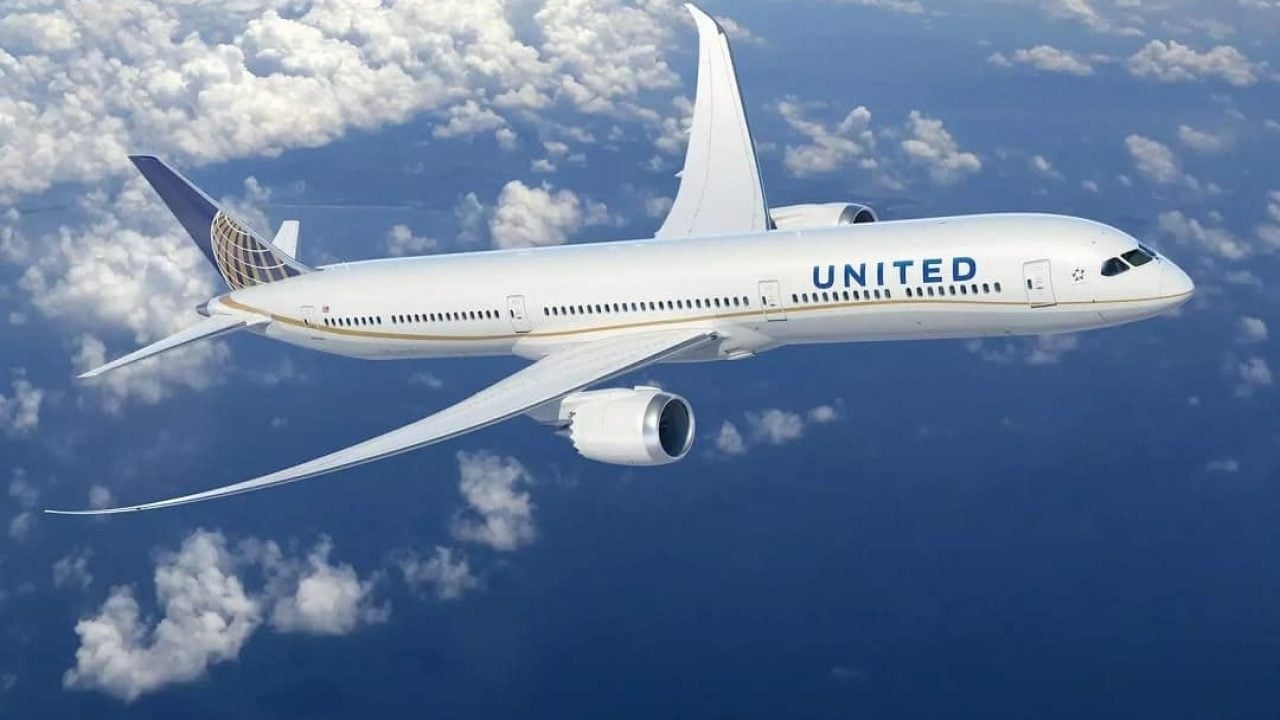
(FORT WORTH, TEXAS) – United Airlines CEO Scott Kirby ended his pursuit of a merger with American Airlines after American firmly rejected the proposal, closing off a combination that Kirby had cast as a way to build a stronger carrier.
Kirby had approached American Airlines directly about a potential merger. He said the deal would create “a truly great airline that customers love” and described the idea as a merger focused on “adding and not subtracting.”
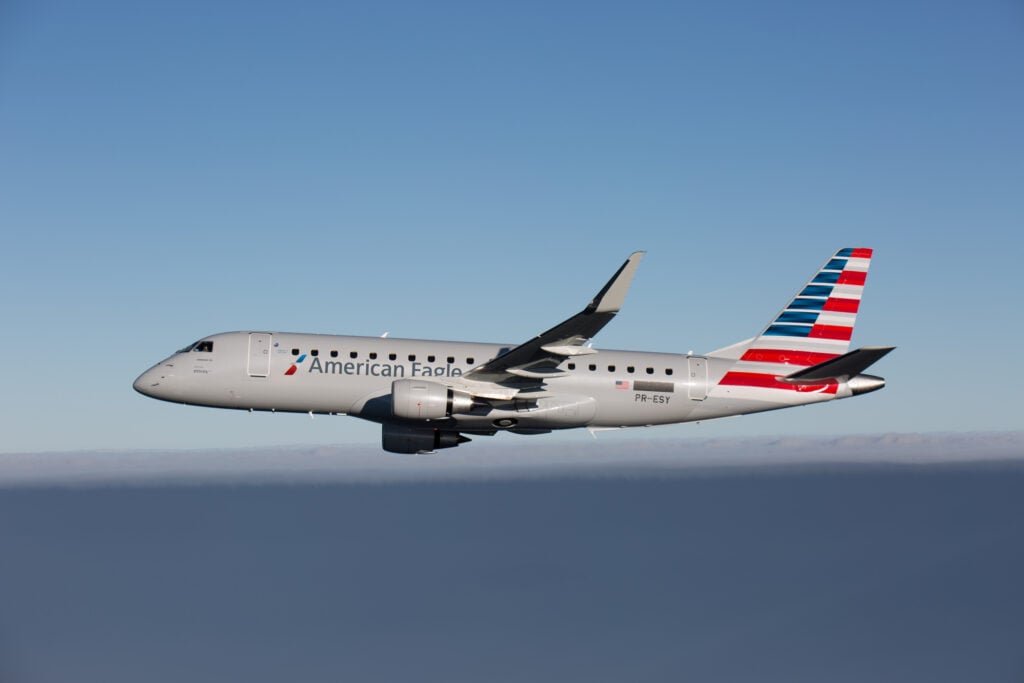
American shut the door on April 17. In a public statement, the airline said it was “not engaged with or interested in any discussions regarding a merger with United Airlines.”
American said the proposed tie-up “would be negative for competition and for consumers” and could raise antitrust concerns, putting competition issues at the center of its rejection. The Fort Worth-based airline said the merger would harm customers rather than help them.
American Airlines CEO Robert Isom took the opposition further, saying the merger would be bad for all parties involved. His response put American’s leadership in direct conflict with Kirby’s argument that customers would benefit from a combined airline.
Kirby later accepted that the proposal had run aground. In his statement, he said, “American’s public comments make it clear that a merger like this is off the table for the foreseeable future,” and added that “without a willing partner, something this big simply can’t get done.”
The exchange laid out a rare public split between two of the most prominent figures in the airline business, United Airlines CEO Scott Kirby and American Airlines CEO Robert Isom. One argued the deal would make the airline industry better for travelers; the other said it would weaken competition and hurt consumers.
American’s position carried added weight because the airline itself emerged from consolidation. The carrier is the product of a 2013 merger with US Airways Group.
That history did not soften its view of a new combination with United. American instead said this deal crossed a line, citing the effect on customers and the market rather than treating the approach as a routine strategic overture.
The proposal also drew opposition from President Donald Trump. That resistance added a political obstacle to the competitive and consumer questions already raised by American.
Kirby’s language suggested he had tried to frame the merger as an expansion play rather than a cost-cutting exercise. By saying the combination would center on “adding and not subtracting,” he presented the idea as one that would build a larger airline without taking value away from customers.
American rejected that premise outright. Its statement did not leave room for ongoing talks, saying the airline was neither engaged in nor interested in merger discussions with United.
The speed and clarity of that response mattered. In large airline combinations, even exploratory contacts can leave room for negotiation, but American’s public position made clear that it did not intend to test the idea further.
Kirby acknowledged as much. His statement did not suggest another path around American’s refusal, and instead accepted that a transaction of that size requires consent from both sides.
The dispute turned on more than corporate preference. Antitrust concerns sat at the center of American’s case against the merger, with the airline arguing that combining with United would be negative for competition and for consumers.
That argument answered Kirby’s sales pitch point by point. Where he described “a truly great airline that customers love,” American said customers would lose, not gain, from the merger.
Isom’s dismissal sharpened the divide further. By saying the merger would be bad for all parties involved, he rejected not only the customer case but the broader business logic behind the approach.
American’s stance also underscored how hard it is to advance a merger between two large carriers without broad agreement on consumer impact. Even before any formal process could begin, the proposal had already met resistance from the company being courted and from President Trump.
Kirby’s final comments reflected that reality. “American’s public comments make it clear that a merger like this is off the table for the foreseeable future,” he said.
He ended on an even plainer note: “without a willing partner, something this big simply can’t get done.”