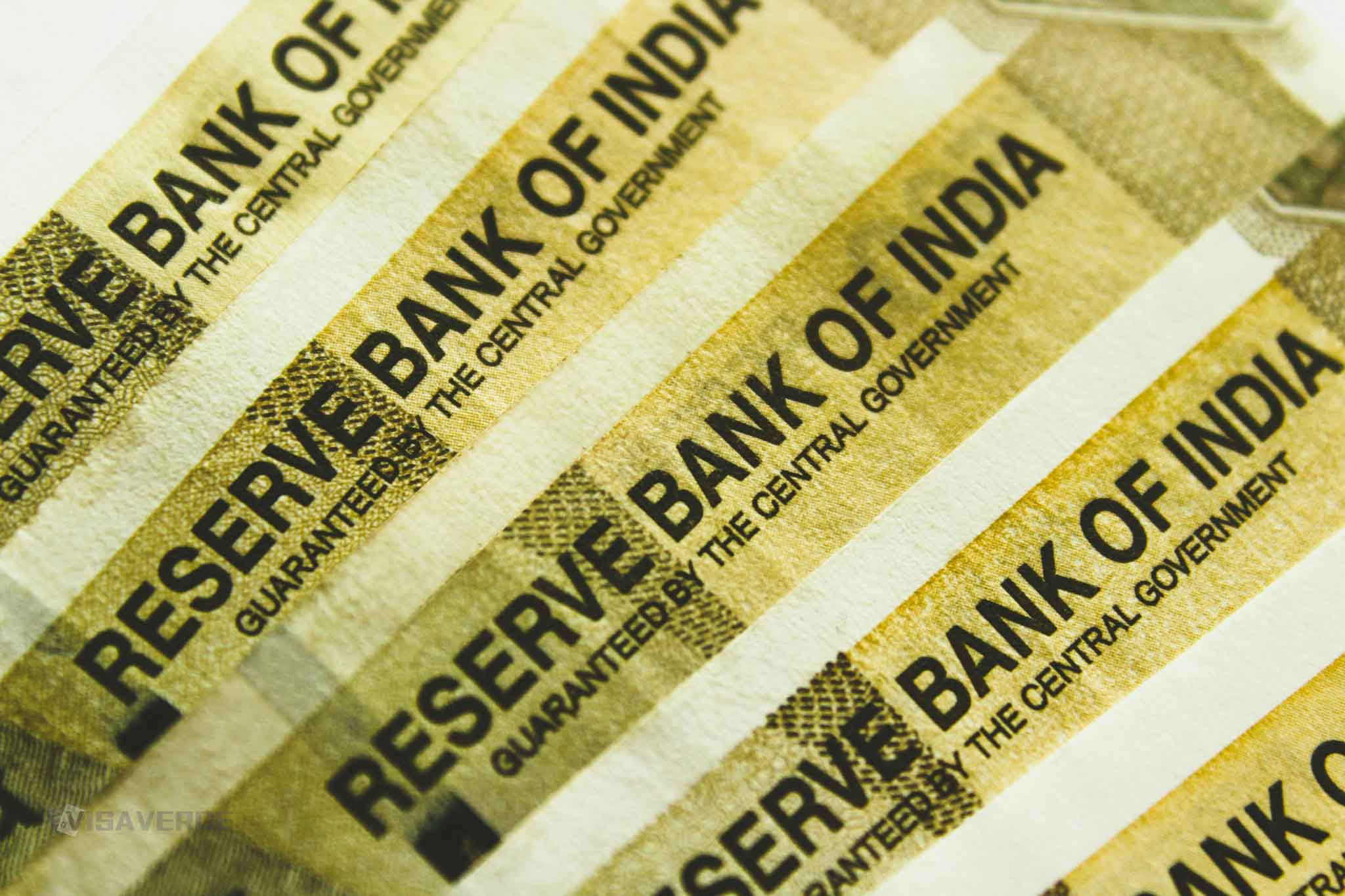
- The Reserve Bank of India will implement Expected Credit Loss accounting beginning April 1, 2027.
- Lenders must now assess forward-looking risks from day one rather than waiting for actual borrower defaults.
- Students and NRIs will face tighter scrutiny on future earnings and destination country job market stability.
(INDIA) – The Reserve Bank of India will implement its Expected Credit Loss framework from April 1, 2027, requiring banks to set aside money for potential loan losses based on forward-looking risk assessments instead of waiting for borrowers to default.
The change will push Indian lenders to assess risk at the time a loan is issued and then reassess it through the life of the loan. It will affect how banks price and approve credit, including education loans, home loans and personal loans tied to overseas study, work and investment plans.
Free toolOPT Timeline Calculator Online
Under the new system, banks will no longer rely on stress becoming visible through delayed repayments or accounts turning non-performing before recognizing losses. They must estimate future credit risk from day one and keep provisions even when a loan is still performing.
The framework places India alongside global standards such as IFRS 9 and the United States’ CECL model. The stated aim is to improve transparency in bank balance sheets, detect financial stress earlier and strengthen the banking system against future shocks.
Indian banks will assess loans in three stages. Stage 1 covers normal loans and requires provisions for possible losses over the next 12 months. Stage 2 covers loans where risk has increased and requires provisions for lifetime expected losses. Stage 3 covers credit-impaired loans and carries higher lifetime loss provisioning.
Banks must classify loans at every reporting date based on changes in credit risk since origination. Their models will use measures such as probability of default, expected recovery, borrower profile and the economic outlook.
The rules keep one familiar threshold in place. A loan overdue by 90 days will still count as non-performing.
The framework also sets a minimum provisioning floor for Stage 2 loans at 5%, or 500 basis points, compared with current provisioning of about 0.4% on standard assets. Loans that already exist as of March 31, 2027 will get a transition window until March 31, 2030 to adopt the effective interest rate method.
The Reserve Bank of India issued the notification on April 27, 2026, after draft consultations published in October 2025. The final move rejected requests from banks for a delay.
One of the clearest practical effects will fall on borrowers seeking financing for overseas study. Because lenders must estimate losses before any default occurs, they are likely to scrutinize future earning potential more closely when assessing education loans.
That scrutiny will extend beyond the applicant’s current finances. Banks are expected to place heavier weight on course quality, the credibility of the university and job prospects in the destination country.
Students applying to STEM programmes, top-ranked universities and countries with stronger job markets are likely to fit more comfortably within a risk-based lending model. Borrowers linked to low-ranked institutions or courses with weaker employment outcomes are more exposed to tougher scrutiny.
Collateral and co-applicant checks are also set to become tighter. Parents or guardians backing education loans may face closer assessment, and higher-risk cases may draw stronger collateral demands or higher interest rates.
The change does not create a single rule that all education loans will become harder to get. It makes approvals more risk-sensitive and more data-driven, with pricing and documentation increasingly shaped by how a bank’s models read the borrower’s future prospects.
That approach already has visible relevance in overseas education finance. Current lending trends show tighter criteria for students headed to the United States amid immigration concerns, with 50-75% of disbursements affected and inquiries dropping.
Non-resident Indians and other cross-border borrowers will also face closer review. Banks are expected to look more closely at income stability, country of residence and how a borrower’s earnings might hold up under changing economic conditions abroad.
Currency risk will sit more directly inside those credit decisions. Country-specific economic conditions and employment stability overseas are also set to play a larger role when lenders assess home loans, investment-linked borrowing and other cross-border exposures.
The framework covers more than standard loans. It applies to loans, debt securities, receivables, commitments and off-balance-sheet items, excluding assets measured at fair value through profit or loss.
Purchased or originated credit-impaired assets fall under separate lifetime expected credit loss treatment. That feature keeps the forward-looking approach in place even where credit weakness already exists at the time the asset enters a bank’s books.
Professionals planning to move abroad for work may see the same logic extend into personal lending. Borrowers seeking funds related to H-1B visas, work permits or skilled migration pathways may face more detailed documentation and more predictive credit scoring tied to relocation risk.
Under that model, a bank’s view of future repayment ability can absorb more than salary slips and current balances. It can reach into employment stability, destination market conditions and the wider risks associated with an international move.
India’s system will still differ from the U.S. model in one important respect. The American CECL framework books lifetime expected losses from the first day, while India’s Expected Credit Loss regime uses a staged structure that begins with a 12-month loss estimate and shifts to lifetime provisioning as risk rises.
That means the front-loading effect in India is expected to be more moderate than in the United States. CECL requires an immediate full lifetime estimate, while the Indian model spreads the recognition of loss more gradually through its three-stage design.
The new framework will not produce a single outcome across all borrowers. Lower-risk applicants may benefit from better pricing and faster approvals if a bank’s models see a stronger probability of repayment and lower expected loss.
Borrowers with weaker profiles are likely to encounter the opposite. They may face more paperwork, stricter terms, partial approvals or higher borrowing costs as lenders build future uncertainty into their calculations.
That shift reaches beyond bank accounting. It links access to credit more tightly with future earning potential, global job markets and economic forecasts, making financing decisions part of the same calculation as study plans, visa choices and career moves abroad.
In practical terms, a student choosing a course, an NRI seeking financing, or a professional arranging an overseas move will increasingly meet a banking system that looks ahead rather than behind. From April 2027, Indian banks will judge loans not only on present finances but on how risk and opportunity may develop over time.