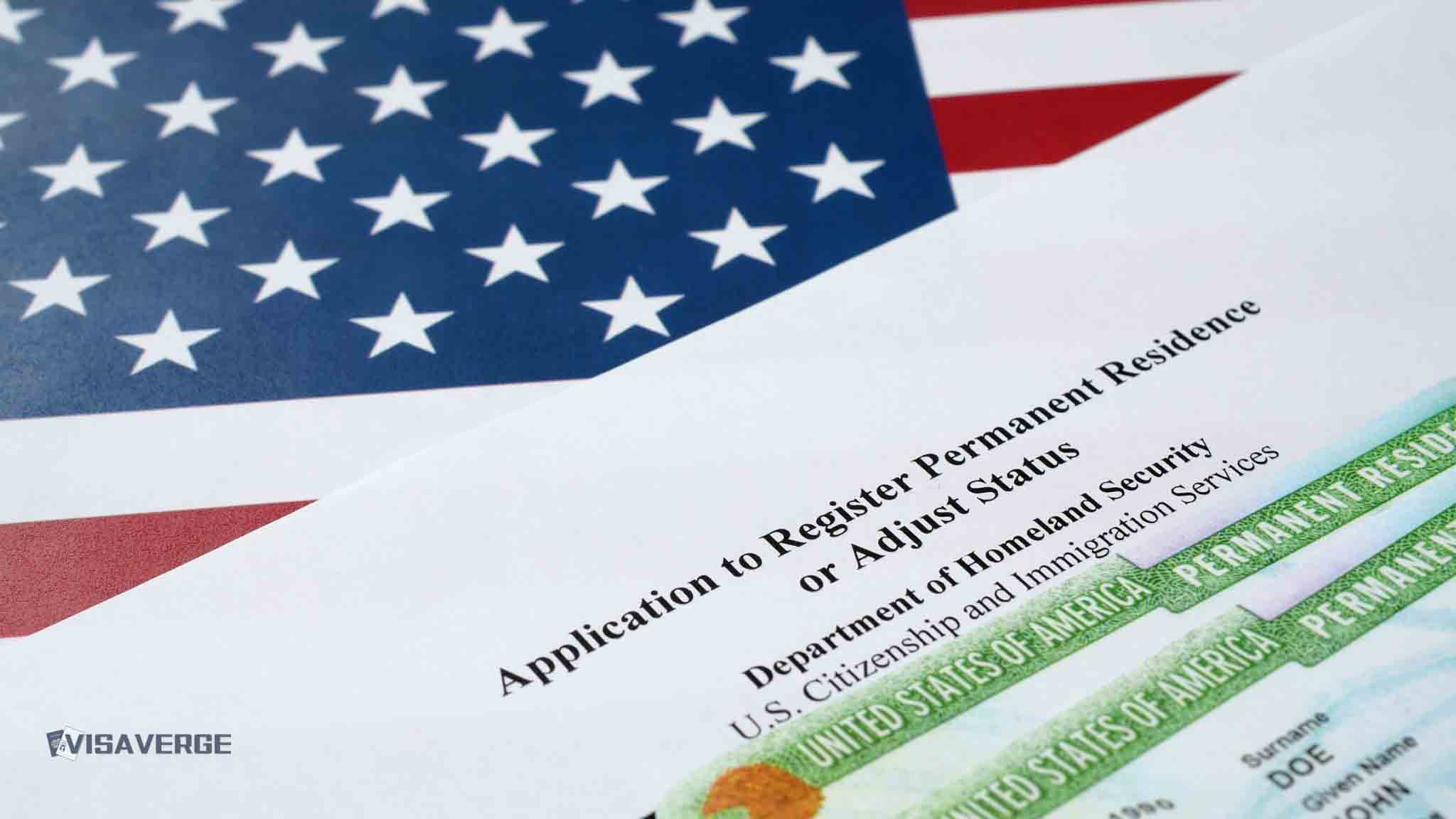
- Failure to pay the Annual Asylum Fee now leads to immediate rejection of pending asylum cases.
- Applicants must pay the $102 fee within 30 days of the notice date to avoid consequences.
- Missing the payment deadline can result in the loss of work authorization and potential removal proceedings.
(UNITED STATES) — The Department of Homeland Security issued an interim final rule that makes the Annual Asylum Fee a deadline with immediate consequences for asylum applicants who miss it, tying nonpayment to rejection of pending asylum cases and, in some situations, loss of work authorization.
The rule takes effect on May 29, 2026, and DHS will accept public comments until June 29, 2026. It applies to pending asylum cases before U.S. Citizenship and Immigration Services and changes how fee compliance affects both case status and employment authorization.
Under the rule, an applicant with a pending Form I-589 must pay the Annual Asylum Fee within 30 days of the date on the government’s fee notice. If the fee is not paid in that period, USCIS will reject the asylum application.
DHS adopted the rule to implement immigration fee provisions from H.R.1, the 2025 reconciliation law. The agency said the rule codifies the asylum application fee, the Annual Asylum Fee, certain Form I-94 fee requirements, and employment authorization validity limits for some Temporary Protected Status applicants and beneficiaries.
For asylum applicants, the central change is the creation of a distinct yearly charge while an application remains pending. USCIS previously announced a minimum annual fee of $100; for fiscal year 2026, the Annual Asylum Fee is $102, while the initial Form I-589 filing fee remains $100.
USCIS will send affected applicants a notice that states the fee amount, the due date, how to pay, and the consequences of not paying. DHS also said applicants must pay the Annual Asylum Fee through USCIS’s online fee payment system.
The timing rule is short and rigid. DHS added language stating that for each calendar year a Form I-589 remains pending, the applicant must pay within 30 days of the date the notice is sent, not the day the applicant opens the mail, checks an online account, or hears about it from a lawyer.
That distinction places pressure on routine case maintenance. Applicants who moved, changed lawyers, lost access to a USCIS online account, or rely on relatives to receive mail face a direct risk that a missed notice becomes a missed payment deadline.
DHS uses the term rejection rather than denial, and the difference carries legal meaning. In immigration practice, a rejection means a filing is not properly accepted for processing, while a denial follows review of the applicant’s eligibility on the merits.
Even so, the practical effect can be severe for a pending asylum case. DHS said a rejected benefit request does not retain a receipt date and may be refiled when properly completed, depending on the benefit and the circumstances, while the new rule also states that an incomplete asylum filing does not start the period after which the applicant may request employment authorization.
That link matters because the rule ties asylum case status directly to work permits. USCIS will reject an employment authorization application filed by an applicant whose asylum application has been denied or rejected, and if the asylum application is denied or rejected before USCIS decides the work permit request, USCIS will deny the work permit application.
The regulation goes further for applicants who already have permission to work. If USCIS denies or rejects the asylum application, employment authorization terminates immediately, except where USCIS refers the asylum application to an immigration judge under specified referral provisions.
If an immigration judge denies or rejects the asylum application, employment authorization terminates 30 days after the judge’s decision unless the applicant appeals to the Board of Immigration Appeals. The result is a rule in which fee compliance can interrupt both a pending asylum claim and the ability to work legally in the United States.
DHS’s own cost discussion says applicants without lawful status who do not pay the Annual Asylum Fee on time will have their Form I-589 rejected and may be placed in expedited removal proceedings or issued a Notice to Appear. The agency also said those applicants may face disruption to employment authorization and potential wage loss.
Risk therefore falls most heavily on people who do not hold another valid immigration status apart from the pending asylum case. An applicant whose temporary visa expired stands in a different position from someone who still has separate valid nonimmigrant status, and the consequences of nonpayment can differ accordingly.
The rule focuses on Form I-589, Application for Asylum and for Withholding of Removal, pending with USCIS. USCIS’s fee schedule identifies the Annual Asylum Fee as applying to the principal applicant only.
DHS also said the fee is not retroactive for years before fiscal year 2025. It does apply to applications already pending at the start of fiscal year 2025 if they otherwise meet the rule’s timing requirements.
Cases filed after October 1, 2024 enter a recurring schedule. For those filings, the Annual Asylum Fee becomes due each year on the one-year anniversary of the filing date for every year the case remains pending.
Applicants in immigration court face a different system. The Executive Office for Immigration Review uses its own fee process for defensive asylum cases, and court-based cases can involve different payment mechanics from the DHS and USCIS rule.
DHS said H.R.1 requires the new statutory fees and that the rule provides the fees cannot be waived or reduced. That leaves no fee waiver or reduced-fee option for the Annual Asylum Fee.
The amount itself is relatively modest next to other immigration costs, but the compliance burden is not. A missed $102 payment can trigger rejection of the asylum application, break the timeline connected to employment authorization, and expose some applicants to removal steps.
That structure places unusual weight on notice handling and recordkeeping. Applicants with pending asylum cases need USCIS to have the correct mailing address, and they need reliable access to their USCIS online account so a fee notice does not sit unseen while the 30-day clock runs.
They also need to count from the notice date itself. Saving proof of payment matters as well, including the USCIS confirmation page, payment receipt, email confirmation, and any account notices connected to the transaction.
Applicants represented by counsel face a short reporting chain. A fee notice should go to the lawyer the same day it arrives so payment can be made within the deadline and a record preserved if questions arise later.
Those without lawyers face a narrower margin for error. Legal help becomes more urgent if the deadline passes, especially where the pending asylum application is the basis for remaining in the country and pursuing employment authorization.
Employers also have a stake in the new rule because a missed Annual Asylum Fee can disrupt work authorization for employees with asylum-based eligibility. DHS said nonpayment could produce lost wages for applicants and lost productivity for employers.
Ordinary Form I-9 reverification rules still govern the workplace response. The relevant question for employers is whether the employee holds current employment authorization, not whether the employee merely has a pending asylum case or received a fee notice.
The same interim final rule also changes employment authorization validity for some Temporary Protected Status applicants and beneficiaries. TPS-related employment authorization now lasts for one year or for the remaining duration of the country’s TPS designation, whichever is shorter.
Anyone seeking to keep TPS-based work permission beyond that period must renew if the TPS designation remains in effect. That change affects workers who had expected longer validity periods tied to broader TPS extensions.
Across the asylum system, the rule turns the Annual Asylum Fee from an administrative charge into a recurring compliance test. For applicants with pending Form I-589 cases, the difference between paying $102 on time and missing the notice date can determine whether the case stays in place, whether employment authorization continues, and whether removal procedures begin.