- Saudi Arabia announced severe penalties for overstayers including fines, jail time, and a 10-year re-entry ban.
- U.S. officials issued a heightened security alert advising Americans to reconsider Hajj participation due to regional tensions.
- Unauthorized Hajj attempts carry hefty fines and criminal charges as authorities tighten control of Mecca access.
(SAUDI ARABIA) — Saudi Arabia’s Ministry of Interior warned on April 28, 2026 that expatriates and visitors who overstay their entry visas will face fines, jail, deportation and long re-entry bans as the kingdom tightens controls ahead of the Hajj season.
The warning came as U.S. officials also raised alarms for Americans considering the pilgrimage. On April 7, 2026, the U.S. Embassy in Riyadh issued a heightened security alert advising Americans to reconsider taking part in Hajj because of regional tensions and travel disruption.
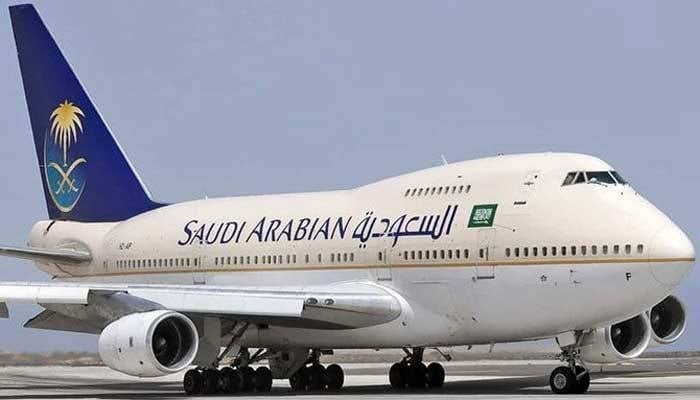
Saudi authorities said visa overstayers face fines of up to SR 50,000, imprisonment for up to six months, deportation at the violator’s expense and a 10-year ban on re-entering the kingdom. Those penalties land at a sensitive moment, with millions of pilgrims expected and enforcement focused on keeping unauthorized visitors out of Mecca.
Officials also tied the crackdown to Hajj permit rules. Any person caught attempting to perform Hajj without an official permit faces a fine of SR 20,000, regardless of visa type. People who transport or shelter unauthorized pilgrims face fines of up to SR 100,000 per person.
| India | China | ROW | |
|---|---|---|---|
| EB-1 | Feb 01, 2023 | Aug 01, 2023 ▲31d | Current |
| EB-2 | Nov 01, 2013 | Oct 01, 2021 | Apr 01, 2025 ▲90d |
| EB-3 | Jan 22, 2014 ▲21d | Jan 22, 2022 ▲14d | Jun 15, 2024 ▲31d |
| F-1 | Jan 22, 2021 ▲366d | Jan 22, 2021 ▲366d | Jan 22, 2021 ▲366d |
| F-2A | Oct 22, 2026 ▲30d | Oct 22, 2026 ▲30d | Oct 22, 2026 ▲30d |
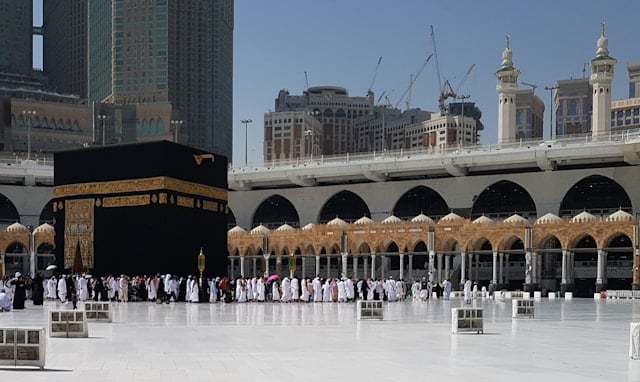
The kingdom had already set a firm cutoff for Umrah visitors. The final deadline for Umrah visa holders to leave Saudi Arabia was April 18, 2026, corresponding to Dhul Qa’dah 1, 1447. Since that date, Mecca has been restricted to people holding official Hajj permits or residency IDs issued in Mecca.
That restriction puts visa overstayers and late-departing visitors in immediate jeopardy during the Hajj season. It also closes off a common assumption among travelers that a valid tourist or visit visa can still be used to enter the city during the pilgrimage period. Saudi authorities have treated that route as a criminal violation when it is used for Hajj.
The U.S. Embassy in Riyadh framed its warning in direct terms. “Per the Saudi Arabia Travel Advisory, and due to the ongoing security situation and intermittent travel disruptions, we advise reconsidering participation in Hajj this year.”
The State Department also said that beginning April 18, 2026, all non-Hajj permit holders were required to leave Mecca. That message aligned with the Saudi enforcement deadline and underscored how little room remains for late itinerary changes, informal entry plans or overstays tied to religious travel.
Regional conflict forms the backdrop to the alerts. The 2026 Hajj season is unfolding amid a broader confrontation involving the U.S., Israel and Iran, with periodic airspace closures and drone threats affecting travel safety and access. Those conditions have added a security layer to what is already one of the world’s largest annual movements of people.
American pilgrims now face two distinct sets of rules at once: Saudi entry and permit enforcement on one side, and U.S. travel and immigration scrutiny on the other. The legal route for U.S. citizens and residents seeking to perform Hajj is the Nusuk platform, which Saudi Arabia has designated as the only lawful channel for obtaining Hajj permits.
That leaves little ambiguity for travelers trying to enter on the wrong visa. Attempting Hajj on a tourist or visit visa is not treated as a paperwork error under the Saudi system described by officials; it is treated as a criminal violation. During the Hajj season, that distinction carries immediate consequences at checkpoints, in Mecca access controls and in any later immigration proceeding.
U.S. lawful permanent residents have received separate cautions. American authorities have advised them to keep their Green Cards secure while abroad, but they have also made clear that U.S. consular officers cannot intervene in Saudi immigration proceedings or resolve overstay cases once local enforcement begins.
Inside the United States, Department of Homeland Security and U.S. Citizenship and Immigration Services officials have paired travel-season warnings with tougher language on visa compliance and immigration screening. USCIS published an update on March 30, 2026, under the title “Update on USCIS’ Strengthened Screening and Vetting,” describing national security as the agency’s leading priority.
USCIS said, “Our top priority is ensuring that all individuals seeking immigration benefits are properly vetted, particularly those from identified high-risk countries.” The statement did not target Hajj travelers specifically, but it landed during the same period in which officials were emphasizing visa integrity and records review.
Department of Homeland Security Secretary Kristi Noem has also directed Customs and Border Protection and Immigration and Customs Enforcement to intensify reviews of immigration records for foreign nationals. In a statement on visa integrity, Noem said, “There is NO room in the United States for the rest of the world’s terrorist sympathizers. We will find you, deport you, and prosecute you to the fullest extent of the law.”
The language from Washington and Riyadh reflects different legal systems but a similar insistence on compliance. In Saudi Arabia, the focus is immediate control of access to Mecca, the removal of visa overstayers and punishment for unauthorized Hajj participation. In the United States, the emphasis falls on strengthened screening, record checks and the broader enforcement message tied to immigration benefits and lawful presence.
Practical risks are mounting for travelers who entered Saudi Arabia on timelines that no longer fit the kingdom’s Hajj rules. A person who remained after the April 18, 2026 Umrah departure deadline, tried to approach Mecca without a Hajj permit, or relied on a tourist or visit visa for pilgrimage can now face overlapping exposure: administrative penalties, criminal enforcement and future exclusion from the country.
That 10-year ban has consequences beyond one trip. It effectively blocks future Hajj and Umrah participation in the kingdom for a decade, on top of the cost of deportation and any financial penalty imposed. For would-be pilgrims, the punishment reaches past the current Hajj season and into long-term religious travel plans.
Assisting unauthorized pilgrims now carries its own steep liability. Drivers, hosts and others who transport or shelter people without permits face fines of up to SR 100,000 per person, a figure that sharply raises the stakes for anyone helping visitors move or stay near the holy sites outside official channels.
Saudi Arabia has pushed those warnings through official channels including the [Ministry of Interior’s account](https://twitter.com/MOISaudiArabia). The United States has directed travelers to its [Hajj and Umrah travel guidance](https://travel.state.gov/content/travel/en/international-travel/International-Travel-Country-Information-Pages/SaudiArabia.html), while USCIS has continued posting policy notices through its [newsroom](https://www.uscis.gov/newsroom) and the embassy has maintained [security alerts in Saudi Arabia](https://sa.usembassy.gov/u-s-citizen-services/security-and-travel-information/).
Those notices now form the operating reality for a pilgrimage season shaped by crowd control, visa enforcement and regional instability at once. Anyone still in Saudi Arabia on the wrong visa, anyone trying to reach Mecca without an official permit, and any American weighing travel despite the embassy alert enters the Hajj season under explicit warnings from both governments.