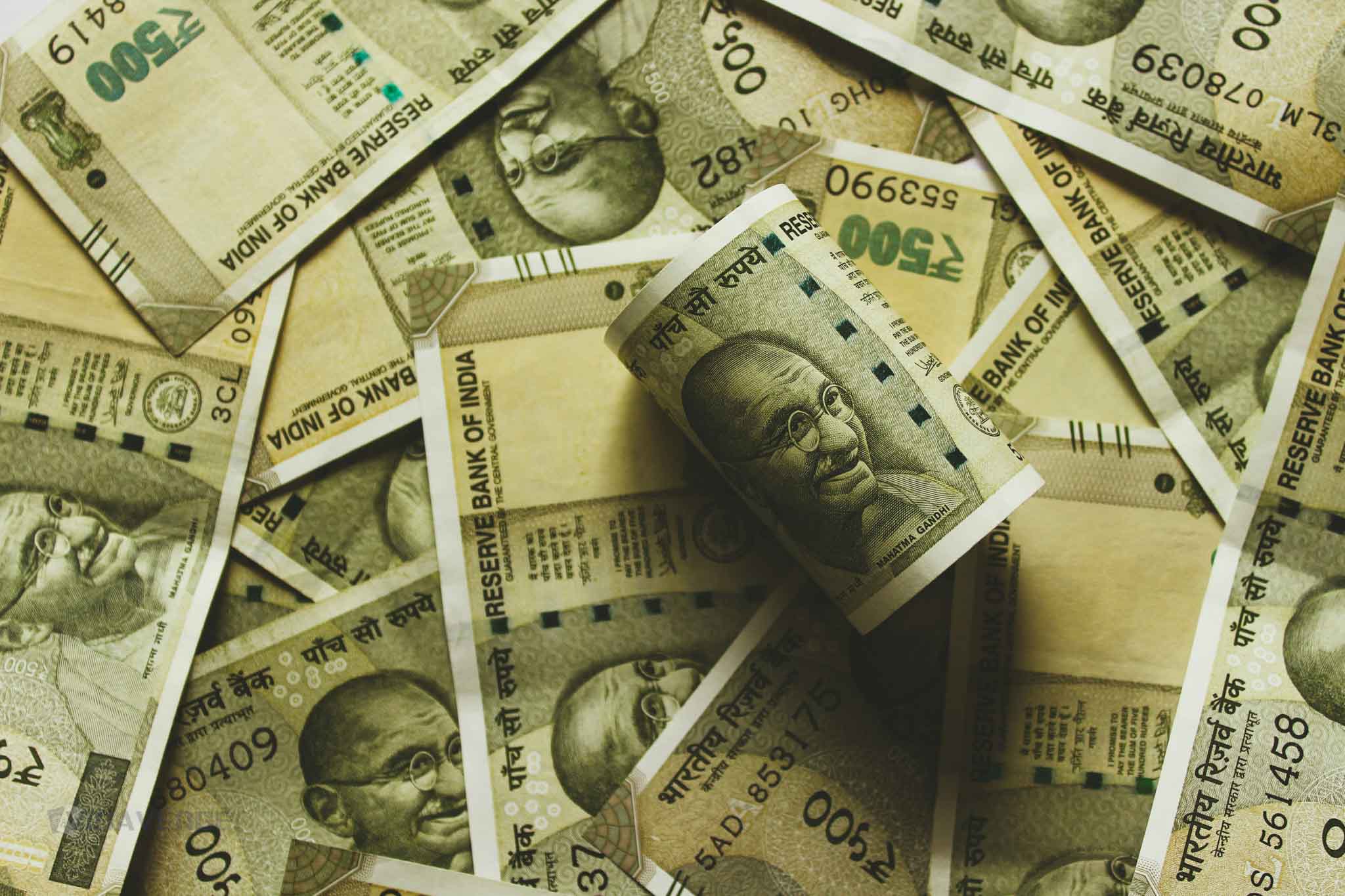
- New Indian tax rules mandate PAN for high-value deals across banking, property, and insurance effective April 2026.
- Revised thresholds increase transparency for property deals above ₹20 lakh and vehicle purchases exceeding ₹5 lakh.
- Inoperative or unlinked PANs trigger higher 20% TDS rates and can stall major financial transactions indefinitely.
(INDIA) — Indian tax rules now require the PAN Card for a widening range of high-value financial transactions, tying routine banking, investing, insurance and property activity more closely to tax compliance records in India.
The shift has immediate consequences for taxpayers using no PAN, an incorrect PAN, or an inoperative PAN. Banks, investment platforms, insurers and property registration systems increasingly use the number for identity checks, compliance screening and tax tracking, and mismatches can delay a transaction or draw later scrutiny.
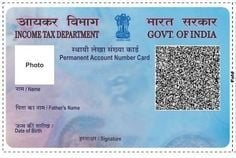
PAN has long been associated with income tax return filing, but the document now sits at the center of much of the formal financial system. Financial institutions and other reporting entities use it to record specified transactions and help tax authorities match spending, deposits and investments with declared income and existing tax data.
Several categories already require PAN quoting under tax and banking rules. They include large cash deposits and withdrawals, opening demat accounts, mutual fund purchases above prescribed thresholds, bond and debenture investments, life insurance payments, foreign travel-related payments and immovable property transactions above the specified limit.
Those checks do not stop at the point of sale. A transaction can go through and still create problems later if PAN details do not align across tax filings, bank records and know-your-customer data.
Revised thresholds effective April 1, 2026 sharpen that system by shifting some triggers toward cumulative annual activity and higher-value transactions. The changes affect categories including property deals, vehicle purchases, insurance payments, cash bills and annual banking activity.
Under the current framework, cash deposits or withdrawals exceeding ₹50,000 in a single day remain part of the compliance picture, while total deposits or withdrawals exceeding ₹10 lakh in a financial year now fall under the revised annual threshold from April 1, 2026. Bank deposits above ₹50,000 in a day, or time deposits aggregating over ₹5 lakh annually, also require PAN quoting.
Opening a bank account also requires PAN, except for basic savings accounts or certain time deposits. The same applies in securities markets, where demat account opening and stock market trading rely on PAN as a standard identifier.
Investment thresholds remain explicit. Mutual fund investments above ₹50,000 require PAN, as do bonds, debentures or RBI bonds above ₹50,000. Unlisted company shares or securities contracts above ₹1 lakh per transaction also fall within the quoting requirement, along with fixed deposits exceeding ₹50,000 in a year.
Property transactions now face one of the clearest revised thresholds. Immovable property deals above ₹20 lakh require PAN, up from ₹10 lakh before the April 1, 2026 change.
Vehicle purchases also moved onto a more defined line. The current threshold is ₹5 lakh from April 1, 2026.
Other asset and spending categories remain within the reporting net. Gold or jewellery purchases above ₹2 lakh require PAN, and goods or services exceeding ₹2 lakh per transaction also trigger the requirement.
Insurance rules tightened further this month. Any insurance policy purchase now requires PAN, replacing the earlier threshold of ₹50,000 annual premium from before April 1, 2026.
Loan and payment products also rely on PAN. Home, personal and vehicle loans require it, as do credit and debit cards in the compliance chain used by financial institutions.
Cash-heavy spending faces revised triggers as well. Hotel, restaurant or event bills exceeding ₹1 lakh in cash now require PAN, up from ₹50,000 before the April 1, 2026 revision.
Foreign travel, currency purchases or remittances above ₹50,000 also require PAN quoting. Rent agreements over ₹1 lakh annually fall into the same compliance structure.
Tax authorities use those records to build a digital trail across reported activity. Scrutiny does not always begin with suspected evasion; it often begins with a mismatch in data, a missing PAN or a transaction that appears inconsistent with a person’s disclosed financial profile.
That makes PAN status as important as PAN possession. An unlinked PAN became inoperative after June 30, 2023 where PAN-Aadhaar linkage is mandatory, and the effects extend beyond filing a return.
An inoperative PAN can block tax refunds, lead to higher tax deducted at source and interrupt high-value transactions that require a valid number. The higher TDS rate cited in the current rules is 20% instead of the standard rate.
Many taxpayers discover the problem late, when they try to make an investment, update bank records or complete property paperwork. By that stage, the transaction itself can stall because the compliance systems behind it recognize the PAN as inactive.
Cross-border cases add another layer. Non-resident Indians need PAN for Indian investments, property transactions and remittances under FEMA, and inoperative status can complicate TDS claims and capital gains reporting.
That matters in ordinary situations as much as in large deals. An NRI selling property in India, receiving investment income or moving funds through regulated channels can face delays if the PAN record does not match tax and KYC databases or if the number has turned inoperative after the linkage deadline.
Institutions also file Statement of Financial Transactions reports tied to PAN-linked activity. That reporting system allows tax authorities to compare banking, securities, insurance and property records against tax returns and other disclosures, increasing the chance that inconsistencies will surface automatically.
The compliance effect reaches beyond large investors. Anyone making a major deposit, purchasing an asset, paying an insurance premium, arranging a loan or moving money through the banking system may be asked for PAN as a standard part of the transaction.
Errors can be as disruptive as omission. A mistyped PAN, an outdated record or inconsistent spelling across bank, tax and KYC documents can create a mismatch that later results in a notice, a delayed refund or additional questions from the tax department.
Taxpayers planning major transactions now have little room to treat PAN as a once-a-year filing document. The number functions as a central financial identifier across banking, investments, property, insurance and high-value payments, and the rules increasingly connect those sectors through digital reporting.
Checking PAN validity before a major transaction has become part of routine financial preparation. Taxpayers who ensure that their PAN is active and correctly reflected across tax, banking and KYC records are less likely to face delays, higher withholding or compliance problems after the money has already moved.
Waiting until a bank flags the issue, a property deal pauses, or a refund is blocked can make the fix slower and more expensive. In India’s formal financial system, the PAN Card now sits at the center of high-value financial transactions, and an inactive or mismatched record can stop business long before tax season begins.