- Indian investors in the EB-5 unreserved category face possible date retrogression or visa unavailability in FY 2026.
- USCIS will shift to Final Action Dates for May 2026, cutting off many adjustment of status applicants.
- Investors with priority dates between 2022 and 2024 must file by April 30, 2026 to secure eligibility.
(INDIA) — The U.S. Department of State and U.S. Citizenship and Immigration Services warned in April 2026 that Indian investors in the EB-5 visa unreserved category face a possible date rollback or even visa-number unavailability during the rest of Fiscal Year 2026, tightening a route many applicants had used to move from an approved investment petition toward permanent residence.
The warning appeared in the May 2026 Visa Bulletin, published on April 14, 2026. In Section E, the bulletin said: “Sufficient demand and increased use by India in the EB-5 unreserved visa categories may necessitate retrogression of the final action date or render the category unavailable to maintain number usage within the FY 2026 annual limit. This situation will be continually monitored, and any necessary adjustments will be made accordingly.”

That language put Indian investors on notice that the current window for the unreserved category may narrow further before the fiscal year closes on September 30, 2026. It also signaled that demand has risen enough to pressure annual visa-number limits in a category that includes non-rural and non-high-unemployment cases.
Under the May 2026 bulletin, the Final Action Date, Chart A, for India in the EB-5 unreserved category stands at May 1, 2022. The Date for Filing, Chart B, stands at May 1, 2024.
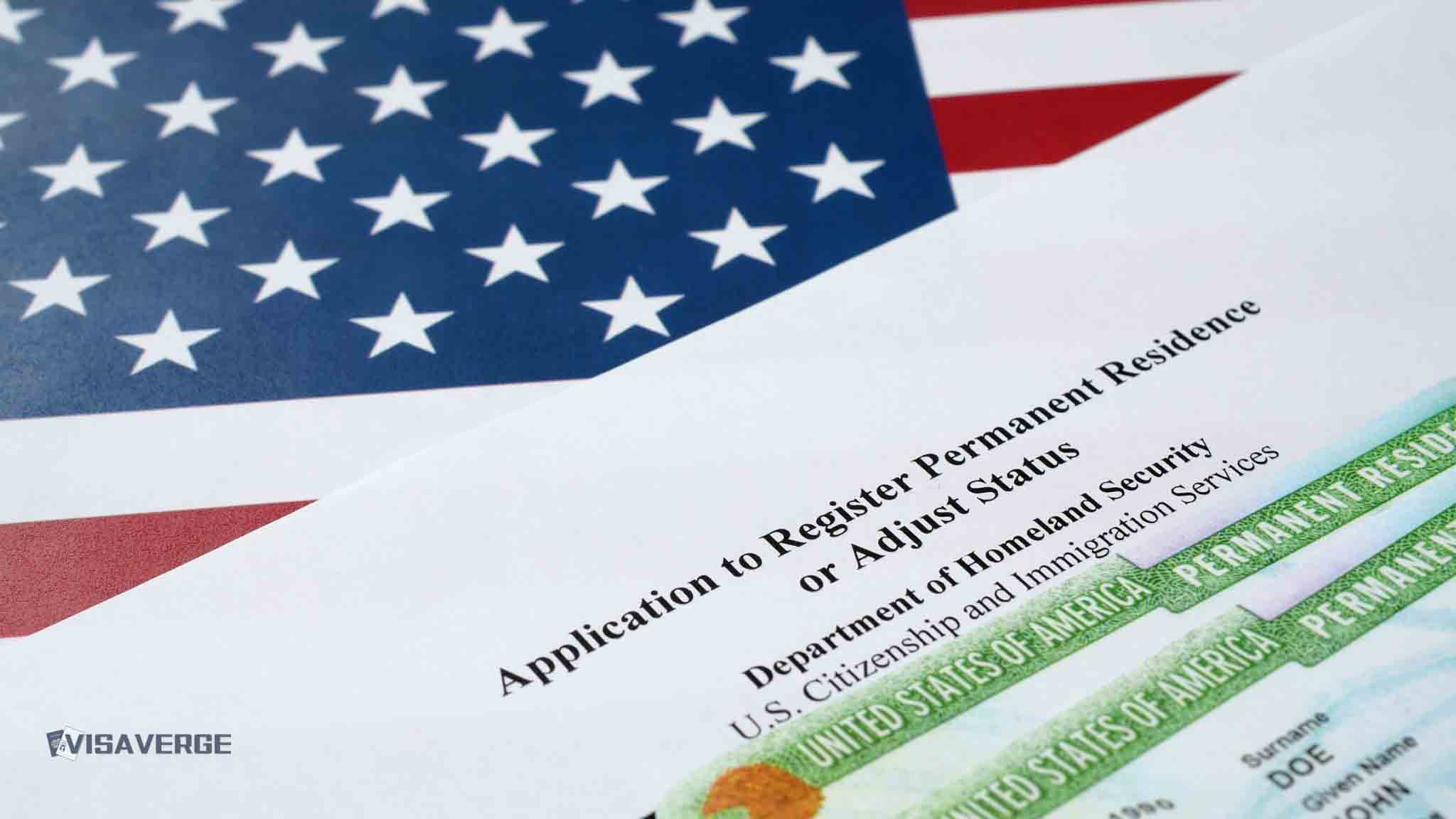
USCIS tightened the filing rules the same day. On April 14, 2026, the agency announced on its Adjustment of Status Filing Charts page that all employment-based applicants must use Final Action Dates in May 2026 to determine whether they can file for adjustment of status, including Form I-485.
That marked a shift from April 2026, when USCIS had allowed employment-based applicants to use the more generous Dates for Filing chart. For Indian EB-5 investors, the change cuts off a group that had been eligible to file in April but will not be able to do so once the calendar turns to May.
The affected band is clear. Investors with priority dates between May 1, 2022 and May 1, 2024 could file in April because USCIS accepted Chart B, but they lose that filing eligibility starting May 1, 2026 because USCIS will use Chart A instead.
That creates a hard near-term deadline of April 30, 2026 for applicants who are current under Chart B but not under Chart A. Missing that window leaves them exposed to the backlog in the unreserved category and, if the final action date retrogresses further or the category becomes unavailable, a much longer pause before they can move their cases forward.
India has become a large share of the modern EB-5 pipeline. It is the second-largest source of EB-5 applicants after China, and approximately 22% of all EB-5 petitions filed globally between April 2022 and July 2025 came from India.
That demand helps explain the government warning. The bulletin points to rising use by India in the unreserved EB-5 pool, and the current position indicates that India has nearly exhausted its unreserved visa numbers for FY 2026. Once that annual cap comes under pressure, the State Department can move the final action date backward or declare the category unavailable to keep issuances within the yearly limit.
The timing also intersects with a separate deadline in the EB-5 Reform and Integrity Act of 2022. Petitions filed on or before September 30, 2026 fall under a grandfather clause that protects processing even if the program’s authorization expires, a provision that has added to the rush of new filings as investors try to secure a place before that date.
For families already in the pipeline, the immediate issue is not whether an EB-5 petition can exist, but how quickly an approved or pending case can convert into a green card case inside the United States. A freeze or rollback in the unreserved category slows that transition from petition to permanent residence, even for applicants who have already committed capital and advanced through earlier stages of the process.
Applicants who file Form I-485 while their date is current preserve a place in the adjustment process that later filers may not reach for years if retrogression deepens. Those unable to file by April 30, 2026 face a narrower route, because the government will judge May eligibility by the May 1, 2022 final action cutoff rather than the May 1, 2024 filing cutoff.
The pressure is concentrated in the unreserved category, not across every EB-5 track. Official data shows that the reserved, or set-aside, categories, Rural, High Unemployment, and Infrastructure, remain Current for India, leaving those channels open while the older unreserved line absorbs the backlog.
That distinction matters for new Indian investors choosing where to file. The unreserved category now shows clear signs of slower movement, while the set-aside categories still offer a faster path for applicants seeking to avoid the congestion building in the main pool.
The May bulletin and the USCIS filing-chart notice now form the two documents investors and lawyers will watch most closely in the weeks ahead. The bulletin sets the visa-number limits and cutoffs; USCIS decides which chart controls filing eligibility for adjustment cases in a given month.
Indian applicants tracking the EB-5 visa line now face a compressed end-of-April window, a lower filing threshold in May, and the prospect that the unreserved category could move backward again before September 30, 2026. The official record, in the State Department’s May 2026 Visa Bulletin and USCIS’s Adjustment of Status Filing Charts, now points to the same conclusion: the filing window for India’s EB-5 unreserved category has tightened sharply.