- U.S. State Department confirms visa laws apply uniformly across all nations rather than targeting India.
- A new salary-weighted selection system replaced the H-1B lottery to prioritize higher-paid, high-skilled professionals.
- Over 200,000 applicants paid the $100,000 fee for certain new H-1B entries during fiscal year 2026.
(NEW YORK, USA) – Senior State Department official Andrew Pigott said on June 5, 2026, that U.S. visa laws do not target India and that current H-1B rules are part of a uniform global framework applied across countries.
Speaking during a roundtable at the New York Foreign Press Centre, Pigott addressed concerns that recent visa and immigration changes had singled out Indian nationals. “There are no visa laws that target India. These are global visa laws that are being implemented with clarity, clear instructions that are being applied across the board.”
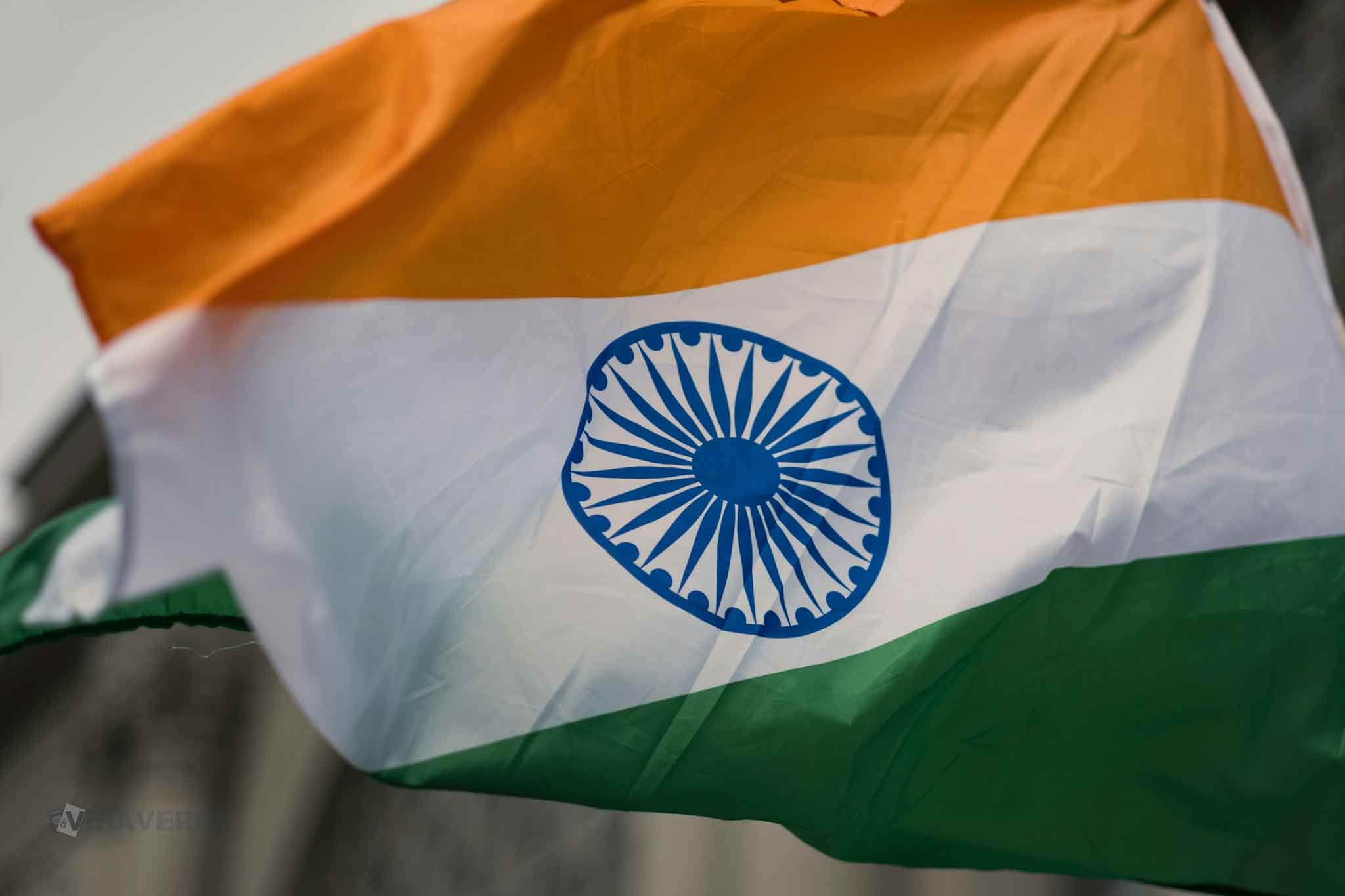
Pigott also tied the policy to U.S. labor protections. “We are consistently applying visa law across the board. We also are clear, as in any country, that if you are going to create a job in the United States, we want to make sure that Americans have opportunities there, and every country has a similar mentality.”
The comments came as the United States rolled out several immigration changes that affect high-skilled workers, adjustment applicants and employers filing visa petitions. Among the most closely watched are a new wage-weighted H-1B selection system, a $100,000 fee tied to certain new H-1B entries, a stricter approach to adjustment of status, and new signature requirements that USCIS will apply from July 10, 2026.
Pressure had built around whether those steps, taken together, would hit Indian applicants harder than others because Indian professionals make up a large share of the high-skilled migration pipeline. Pigott’s remarks placed the administration’s position on the record: the rules are not country-specific and sit inside a broader global framework for visa enforcement.
The diplomatic backdrop is hard to miss. A high-level U.S. Trade Representative delegation visited India from June 1-4, 2026, to advance a proposed trade agreement, while high-skilled migration remained a sensitive part of the U.S.-India economic relationship.
Days earlier, DHS Secretary Markwayne Mullin gave senators new figures on H-1B demand and the fiscal measures now attached to the program. During Senate testimony on June 2, 2026, Mullin said, “We had 286,000 applicants a year to date for the H-1B visas. Over two lakh [200,000] applicants chose to pay the $100,000 fee for their H-1B visas to work in the United States during the fiscal year 2026.”
That volume underscores how heavily employers and foreign professionals still rely on the category even as the government raises the cost of entry. The figure of 286,000 applicants, paired with the secretary’s statement that more than two lakh [200,000] applicants paid the new fee, marks a sharp shift in the economics of the program.
The biggest structural change took effect on February 27, 2026, when the government replaced the H-1B random lottery with a weighted selection process for the FY 2027 cap season. The new system gives priority based on higher wage levels and skill sets, moving away from chance and toward salary and occupational value.
USCIS had previewed that shift months earlier. On December 23, 2025, USCIS spokesperson Matthew Tragesser said, “The new weighted selection will better serve Congress’ intent for the H-1B program and strengthen America’s competitiveness by incentivizing American employers to petition for higher-paid, higher-skilled foreign workers.”
That language fits with the message Pigott repeated in New York. The U.S. government is pairing a non-discrimination argument abroad with an America-first labor argument at home, saying the rules apply across the board while also insisting that employers show a stronger case for bringing in foreign workers.
Another point of confusion emerged from a USCIS policy memorandum issued on May 21, 2026, identified as PM-602-0199, that dealt with adjustment of status. The memo instructed officers to treat adjustment of status, or AOS, as a “discretionary grace” rather than an entitlement, triggering concern among applicants already in the United States.
That concern centered on whether workers in dual-intent categories such as H-1B and L-1 would be forced into consular processing instead of applying from inside the country. The memo landed especially hard among employment-based green card applicants who had already secured approved immigrant petitions and expected to complete the final stage from within the United States.
USCIS spokesperson Zach Kahler moved to calm that reaction on May 26, 2026. “People who present applications that provide an economic benefit or otherwise are in the national interest will likely be able to continue on their current path [adjusting status from within the US].”
Kahler’s statement narrowed the practical effect for many employment-based applicants, particularly those maintaining lawful status in dual-intent categories. It did not erase the policy shift. Adjustment now carries more visible discretion, and applicants with approved `I-140` petitions still face more scrutiny over why they seek to finish the process inside the United States instead of abroad.
USCIS is also tightening filing standards. From July 10, 2026, the agency will impose stricter signature rules on H-1B and green card filings, allowing officers broader authority to deny submissions with “deficient” signatures unless they are handwritten or use an authorized electronic signature.
That administrative change may prove as consequential as the headline policy changes for employers and applicants already coping with higher fees and a weighted selection system. Minor clerical errors that once might have led to a Request for Evidence now face a greater risk of immediate denial, raising the cost of mistakes in already expensive filings.
The official statements, taken together, show how several branches of the immigration system are moving in the same direction. The State Department is defending the rules diplomatically, DHS is presenting their scale and fiscal effect, and USCIS is reshaping both who gets selected and how cleanly applications must be prepared.
Indian IT professionals are likely to feel much of that pressure because of their longstanding presence in the H-1B pipeline, even though Pigott said the laws do not target India. A salary-weighted system favors higher-paid roles, and the $100,000 fee sets a steeper threshold for certain new entries, leaving employers to decide which positions justify the added cost.
Employers also face a narrower margin for procedural error. Any petition filed after July 10, 2026, will carry the added compliance burden of the signature rule, and any green card case shaped by the May 21, 2026, memo will move under a more discretionary standard than applicants had expected earlier in the year.
Government agencies have framed those changes as a uniform enforcement effort rather than a country-based policy. Pigott directed readers to that logic in his remarks, and the same line runs through the official material posted by the [State Department visa news page](https://travel.state.gov/content/travel/en/news.html), the [DHS news releases page](https://www.dhs.gov/news-releases), the [USCIS newsroom](https://www.uscis.gov/newsroom) and the agency’s [H-1B specialty occupations page](https://www.uscis.gov/working-in-the-united-states/temporary-workers/h-1b-specialty-occupations).
Whether that message eases concern in India may depend less on the rhetoric than on how the rules work in practice during the next filing cycle. Pigott’s words were direct, but so are the numbers and deadlines now confronting applicants: 286,000 applicants, a $100,000 fee, a weighted system in force since February 27, 2026, and a stricter filing regime starting July 10, 2026.