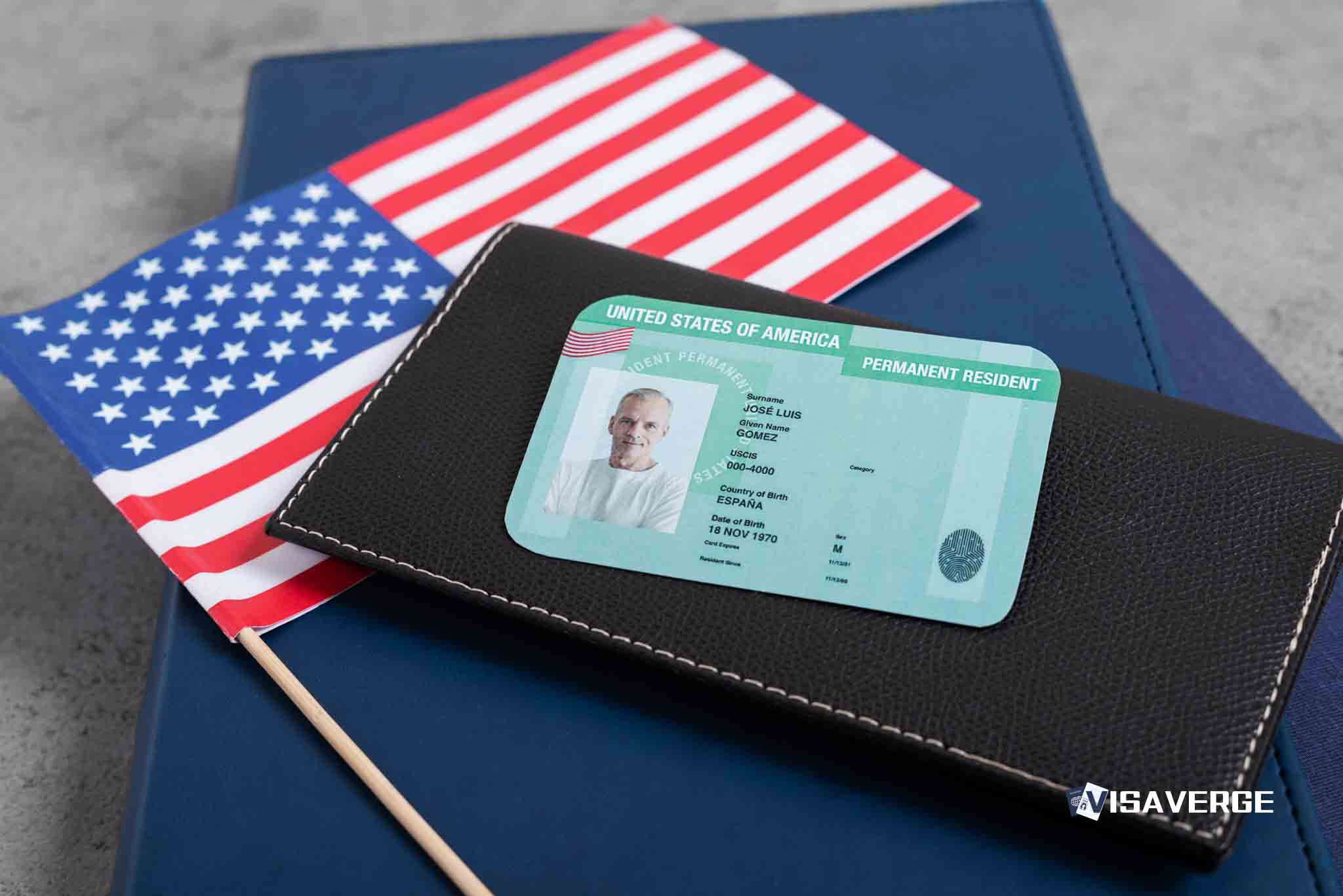
- Saudi Arabia now allows three-month residence renewals for domestic workers starting July 19, 2026.
- The new system improves cash-flow flexibility for sponsors by allowing quarterly payments instead of annual fees.
- This change only affects residency validity and does not modify the terms of the underlying employment contract.
Saudi Arabia’s Ministry of Interior introduced shorter residence-permit renewal periods for eligible domestic workers on July 19, 2026, allowing sponsors to choose three months or longer periods calculated in three-month multiples.
The General Directorate of Passports launched the service with the Ministry of Human Resources and Social Development and Musaned, the government platform for domestic-worker services. Employers now pay the residence fee for the period they select instead of funding a longer validity period at once.

The change improves cash-flow flexibility. It does not automatically lower the total cost of employing a worker.
A sponsor choosing three months can pay the amount assigned to that period and renew again later. The official announcement does not announce a discount for shorter renewals.
The electronic renewal service for a registered worker operates through Absher. Employers should check the amount generated there before completing payment because the precise duration choices and payable fees may change as the new feature is implemented.
The three-month option covers household workers, not every expatriate employee
The measure applies to domestic workers and people treated as belonging to a similar category under Saudi regulations. Listed occupations include household workers, private drivers, nannies, home nurses, household cooks, housekeepers, personal assistants and house farmers.
The category also includes certain other household-service occupations. A domestic worker generally provides services directly or indirectly to an employer or the employer’s family while working under that employer’s supervision and direction.
The announcement does not extend the option automatically to every foreign employee at a private-sector company. A household sponsor using the domestic-worker system follows a different route from a business sponsoring an ordinary expatriate employee through the commercial employment system.
Company employees may face different work-permit, levy and residency procedures.
Shorter residence validity does not rewrite the employment contract
A three-month residence permit establishes lawful residence for its stated validity period. It does not automatically create a three-month employment contract.
The domestic-work agreement separately covers the worker’s occupation, salary, duties, working arrangements, duration, extension, termination and the rights and obligations of both parties. Saudi domestic-worker contract rules require the agreement to state its duration and explain how the parties may extend or terminate it.
The July 19 reform changes the permitted residence period and payment schedule. It does not amend, terminate or replace an existing employment agreement merely because a sponsor selects the minimum period.
An employer therefore cannot use a shorter residence renewal instead of documenting a contract extension, termination or service transfer through the applicable official process.
Payment flexibility can help when employment plans are changing
The shorter option may suit a household that does not know how long the employment relationship will continue. It can also help when a sponsor is considering a lawful service transfer, expects the worker to leave, or needs time to resolve a contractual or administrative issue.
A sponsor approaching the end of a contract may avoid paying in advance for months that will not be used. The same choice may help families employing several eligible workers spread renewal expenses across different months rather than facing multiple large annual payments together.
A one-year renewal may remain simpler when the employment relationship is stable. The reform creates a choice, not a requirement to renew every three months.
Frequent renewals add an administrative risk
A missed deadline could leave the worker with an expired residence permit. That may create immigration, employment or service-access problems for both parties.
Sponsors using quarterly renewals should verify the worker’s records before the current permit expires. They should also confirm that payment has cleared and that the new expiry date appears correctly after the transaction.
The shorter period may be particularly useful when a worker is expected to depart or transfer to another eligible employer. It can reduce the risk of paying for a long period that the worker will not use, but it requires closer monitoring.
Existing wage, leave and contract rights remain in place
The reform does not remove domestic workers’ existing protections. Rules continue to govern monthly wages, rest periods, sick leave, contract renewal and end-of-service entitlements.
Wages must be paid monthly through methods prescribed by the Ministry. Domestic workers also retain weekly rest and specified leave protections.
When a worker has completed two years of service and the parties renew the domestic-work contract, the worker may be entitled to 30 days of leave under the applicable rules. A short residence renewal does not allow an employer to withhold wages, ignore a longer valid contract or remove required rest and leave.
It also does not authorize work in an unauthorized occupation or eliminate the need to complete the proper termination or transfer process.
Travel plans should be checked before selecting three months
A short residence period can affect travel planning. Employers and workers should review passport validity, residence validity and travel authorization before arranging a journey.
The government provides a separate electronic service for exit-and-re-entry and final-exit visas for domestic workers. A permit that remains valid on the departure date may not by itself provide enough remaining validity for the planned trip and return.
The intended journey should be checked through the official system before tickets are booked.
Absher handles renewal while Musaned supports the employment relationship
Employers generally begin by signing in to the official Absher account and opening the passport or resident-services section. They then select the registered worker, choose an available duration, review the calculated government fee, pay through the authorized channel and confirm the revised expiry date.
The screens may change as the feature is implemented. Sponsors should use only official Absher and Musaned websites or applications.
The domestic-worker platform continues to support recruitment, contracts, worker management and related employment services. Employers should not share login credentials, verification codes or payment details with unauthorized agents.
After renewal, workers should check the new expiry date, occupation and personal details. They should also confirm that the employment contract remains documented, salary payments continue, planned travel fits within the permit’s validity and another renewal will not be needed before the contract ends.
A three-month residence period does not instruct a worker to leave after three months. Departure, termination and service transfer depend on the contract, the parties’ actions and the applicable procedures.
The new system began on July 19, 2026. Sponsors deciding between a short and longer validity period must weigh the immediate payment against the need to monitor the next deadline.