- San Antonio filed a federal lawsuit on October 13, 2026, seeking to pause plans for an ICE facility.
- The city says DHS and ICE must complete environmental review before developing the East Side warehouse.
- The warehouse could process up to 1,500 people daily; the court has not decided whether to pause the project.
San Antonio filed a federal lawsuit on October 13, 2026, asking a court to stop DHS and ICE from converting a warehouse into a detention and immigration-processing facility until environmental review is complete.
The city alleges that the agencies moved ahead without adequate review under the National Environmental Policy Act. It is seeking an injunction halting development while that process takes place.

The proposed ICE detention center would sit at 542 S.E. Loop 410 Access Road. The city’s challenge targets federal agencies’ process, not just the proposed use of the East Side property.
Mayor Gina Ortiz Jones, District 2 Councilman Jalen McKee-Rodriguez and City Attorney Andy Segovia announced the lawsuit at a City Hall press conference. McKee-Rodriguez represents the district where the facility is planned.
The city says work must wait for environmental review
Segovia said the city may ask for an emergency hearing if visible construction begins. An initial environmental assessment could identify effects on nearby schools, parks, community centers, water and sewer systems, utilities, and emergency services.
If that assessment finds significant effects, the agencies could need to prepare a more extensive environmental impact statement. The city’s request is for development to stop until the required review occurs.
The lawsuit does not automatically prevent the facility from opening. A court order could delay construction or require further federal review, and the city hopes a delay will lead federal officials to reconsider the project.
The court has not yet ruled. Any temporary or preliminary relief would depend, among other factors, on the city showing a credible statutory violation and a sufficient likelihood of environmental or other legally cognizable harm.
The warehouse could process as many as 1,500 people daily
ICE bought the vacant, 639,595-square-foot industrial building for $66.1 million in January 2026. The agency later awarded GardaWorld Federal Services LLC a $17.3 million contract in August 2026 to retrofit it.
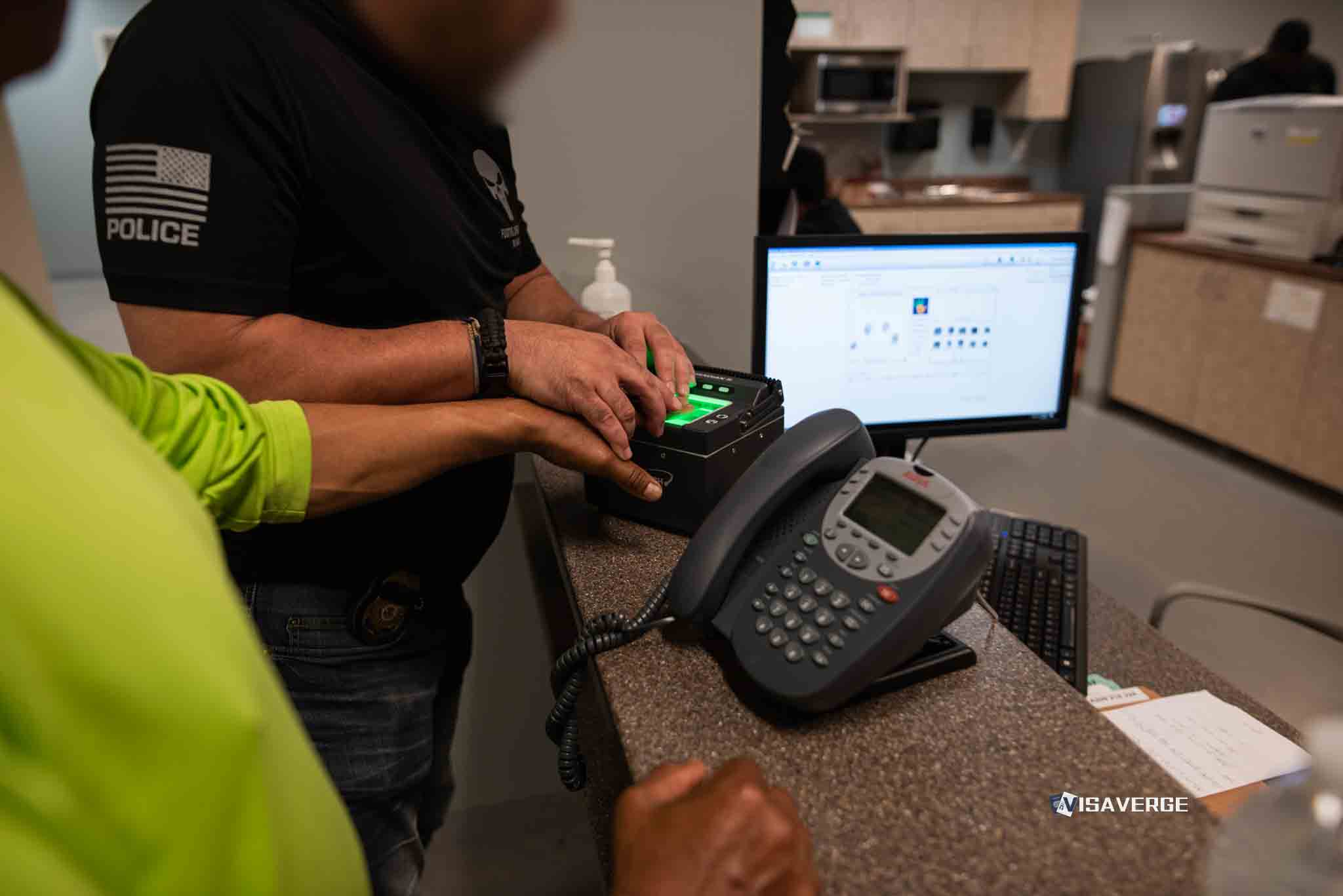
The planned operation could handle up to 1,500 people per day during immigration proceedings. That figure describes daily processing, not a stated number of beds.
Acting ICE Director David Venturella outlined the plan in a June 2026 letter to Ortiz Jones. He said the agency intended to renovate the property and expected it to house up to 1,500 people per day. Venturella also said ICE would review designs with city leaders and encouraged community stakeholders to raise concerns in future discussions.
The anticipated opening has been described as winter 2026–2027 and, in other local accounts, spring 2027. The city says ICE did not answer its September request for information about environmental compliance and development plans.
Federal authority limits the city’s zoning options
The city previously changed its zoning rules to make it harder for privately operated detention facilities to open. Federal facilities, however, are generally protected from conflicting local regulation under federal supremacy principles. The lawsuit therefore focuses on the agencies’ alleged failure to follow environmental-review procedures rather than relying only on local zoning authority.
On October 8, the City Council voted 9–2 to direct CPS Energy and the San Antonio Water System to assess possible effects on power, water, sewer, police, fire, and emergency-response services. The reviews extend beyond utility capacity to public-safety services.
Councilman Marc Whyte and Councilwoman Misty Spears opposed both the assessments and the lawsuit. They argued that federal immigration policy governs the project and that litigation would cost taxpayers without stopping the facility from opening.
The court has not decided whether to pause the project
Bexar County officials and immigration-advocacy organizations were considering whether to join or bring related cases. Commissioner Tommy Calvert had discussed possible county action before the city filed its suit.
The immediate question is whether the court will grant temporary or preliminary relief while the case proceeds. A ruling requiring more review could delay the project, but the lawsuit itself is not a permanent bar to the facility.
This article provides general information and is not legal advice. Consult a qualified immigration attorney about your specific case.