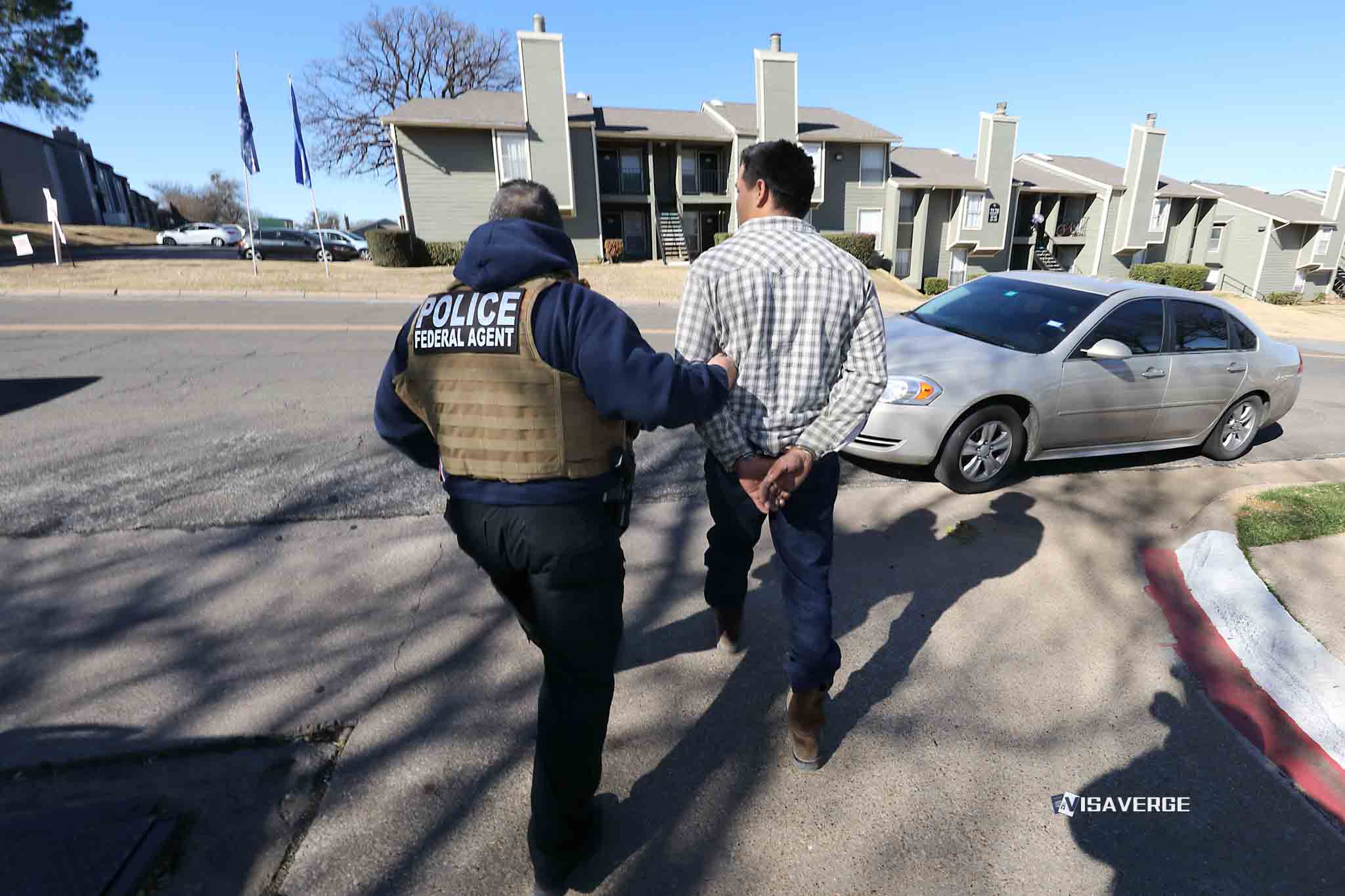
ICE deported Iowa City mother Fatou Traore to Sierra Leone on October 13, 2026, before an immigration judge ruled on her motion to stay removal, local advocacy groups said. The judge had not ruled.
Traore, 42, is originally from Côte d’Ivoire and has four children. Advocates said she had lived in Iowa City for more than 20 years and reportedly had no criminal history. She had never visited Sierra Leone, they said.
ICE detained her on September 24, 2026, as she traveled to work at University of Iowa Hospitals and Clinics. Her deportation followed weeks of appeals from relatives, local officials and community groups.
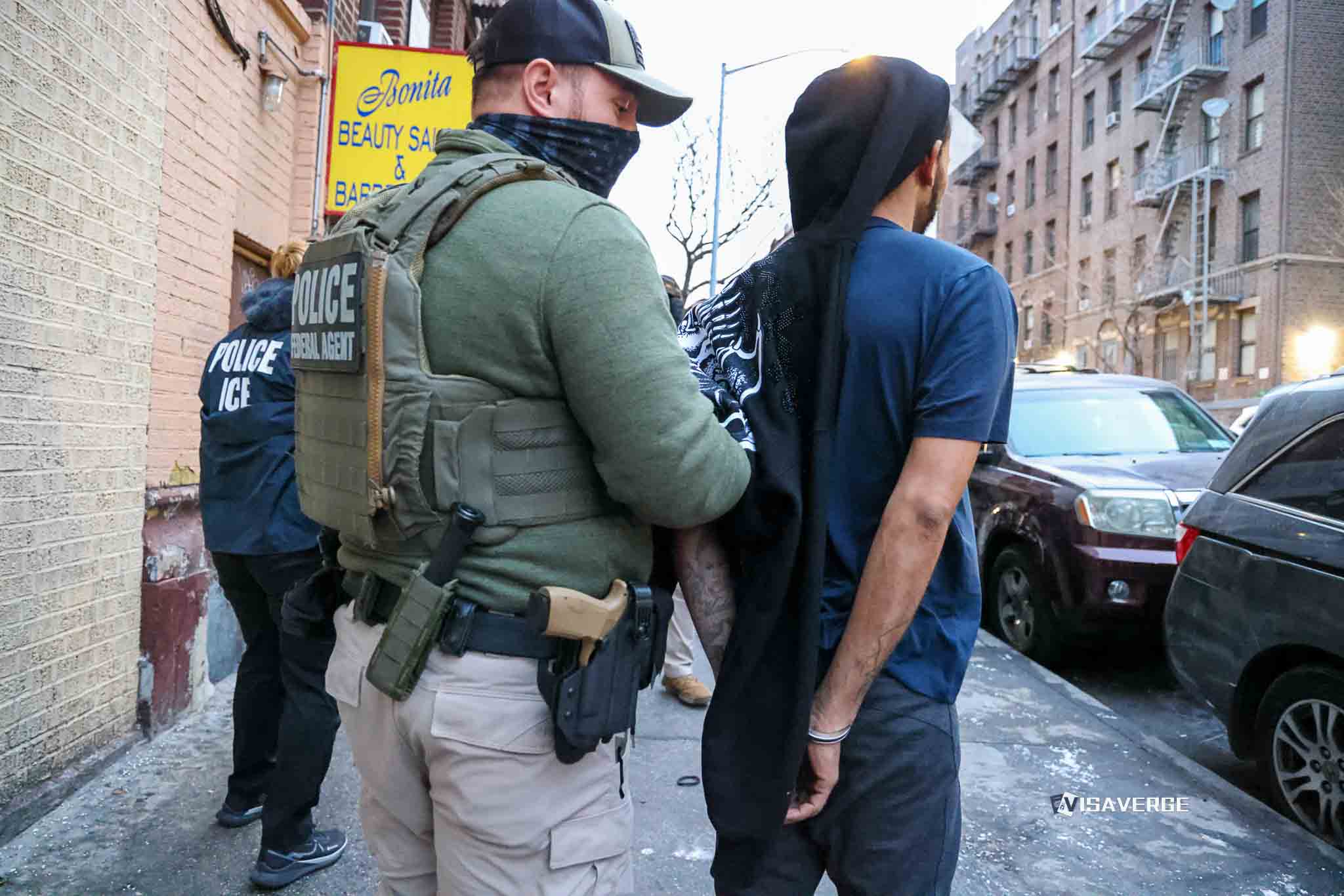
An immigration judge granted her protection from removal to Côte d’Ivoire in 2011. ICE maintained that a final removal order from that year remained in effect and arranged to send her to Sierra Leone, a third country.
A pending motion left the judge’s ruling unresolved
Traore’s legal team asked the court to pause her removal. The deportation took place before the judge decided that motion, according to advocacy groups. That sequence left the request unresolved at the time she was sent abroad.
Advocates also said Traore asked for a credible-fear interview because she feared persecution or torture. They said she was deported without receiving the screening.
The facts raise distinct legal questions. Under INA § 241(b)(3), the protection generally bars deportation to a country where a person’s life or freedom would likely be threatened because of a protected ground. It does not ordinarily grant permanent residence or prevent removal to a different country willing to accept the person.
That distinction leaves questions about the destination and the process. The issues include whether Sierra Leone was properly designated and agreed to accept Traore, and whether she had a separate legal protection against removal there. Her pending request also raises questions about whether officials had to wait for a ruling and whether the circumstances required the requested fear screening.
The reports identify the 2011 order and the pending motion, but do not establish a final judicial ruling that the deportation violated federal law. The questions remain unresolved in the account of the case.
Iowa supporters appealed before the deportation
More than 400 people gathered October 1 at First United Methodist Church in Iowa City to call for Traore’s release and return to her family. Faith leaders, immigrant-rights groups, relatives and local elected officials also urged federal authorities to stop the removal.
Rep. Mariannette Miller-Meeks, R-Iowa, wrote to Homeland Security Secretary Markwayne Mullin on September 30, asking for a stay and a review of the case. Her letter warned that deportation would separate Traore from her children and could violate protections tied to her court order.
Sen. Chuck Grassley said he would refer the matter to immigration specialists in his office. Rep. Ashley Hinson met with Traore’s family. The appeals did not stop the deportation.
Advocates are now asking DHS to facilitate her return. Legal teams in Sierra Leone, New York and Iowa are working on the case.
This article provides general information and is not legal advice. Consult a qualified immigration attorney about your specific case.