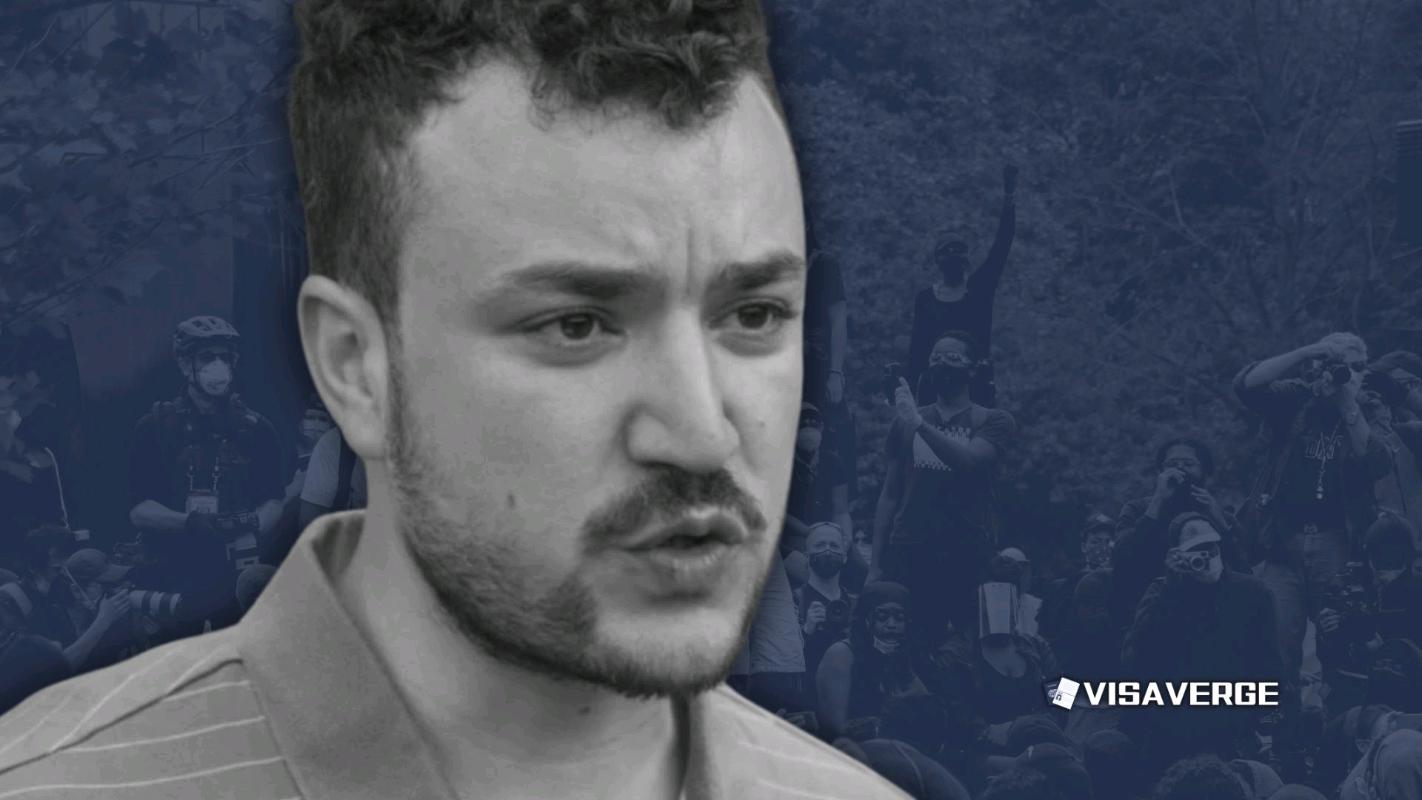
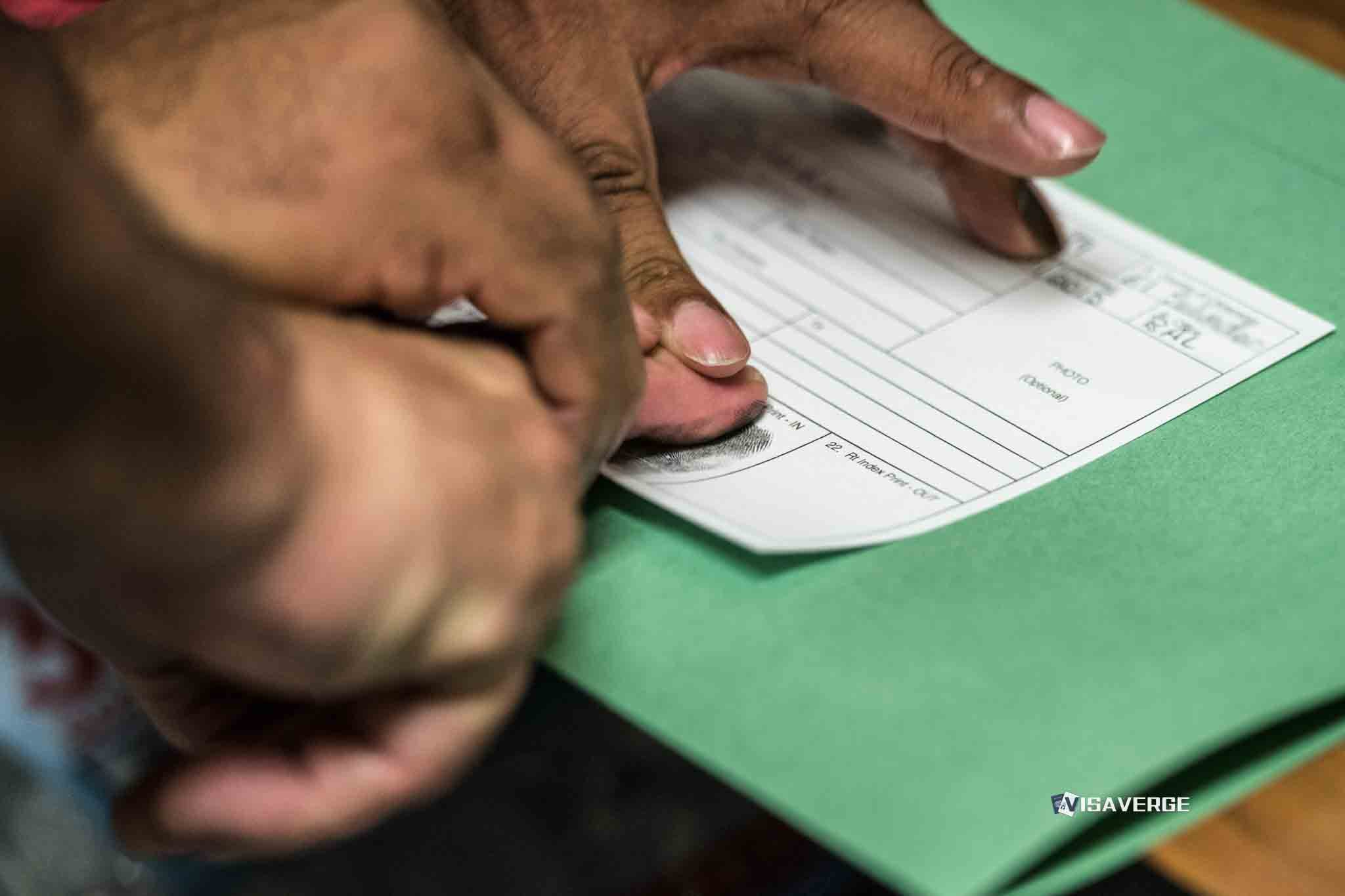
- Retired judge Michael Callahan says I-C-E agents arrested his foster son after arriving for a claimed ankle-monitor appointment.
- Meschac Munongo, who had a 2019 order barring return to the Democratic Republic of the Congo, was deported to Cameroon.
- The family says Munongo had no criminal record, attended immigration check-ins, and worked as a truck driver.
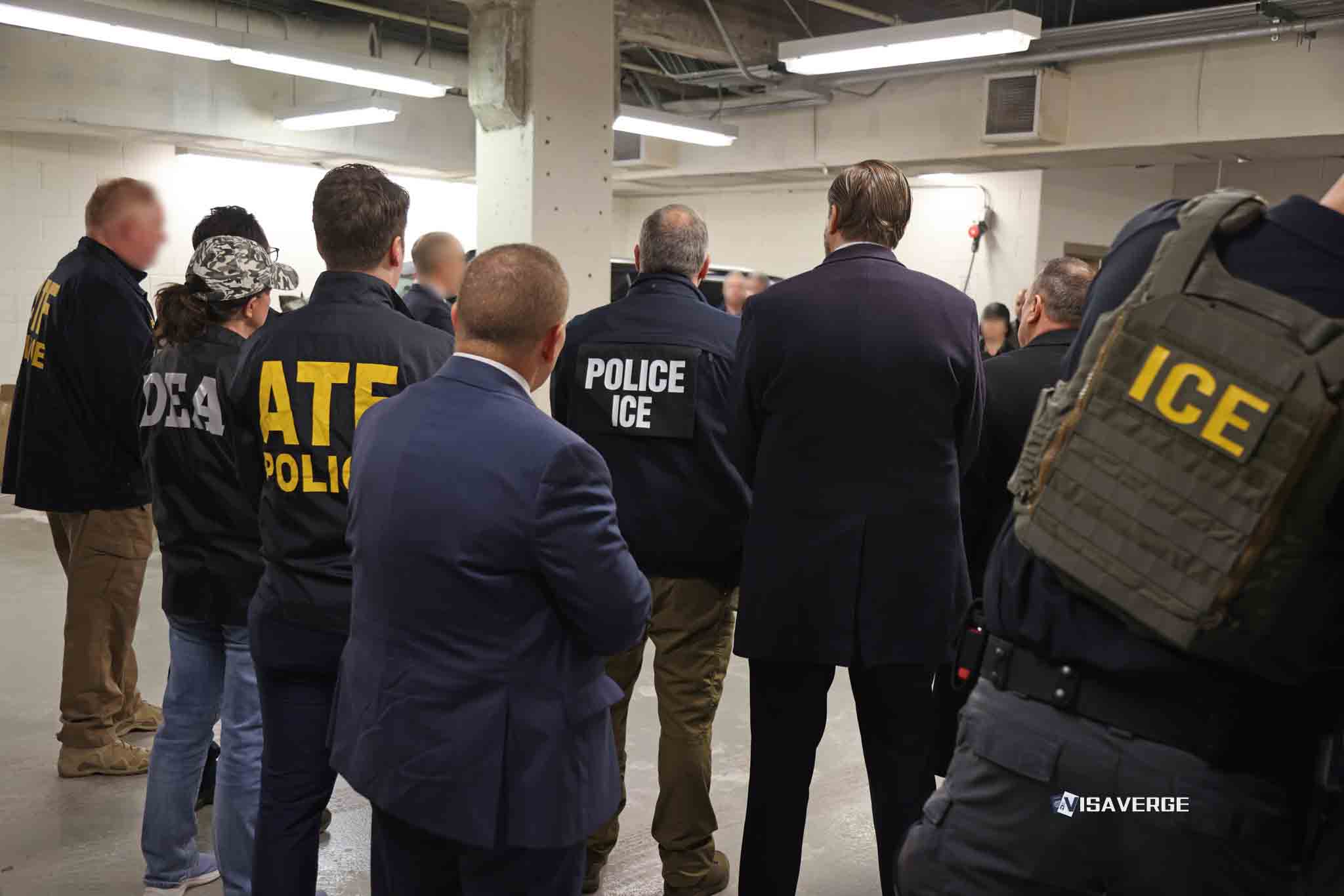
Retired Wayne County, Michigan, Judge Michael Callahan says ICE officers came to his Van Buren Township home on August 2, 2026, claiming they had arrived to fit his foster son, Meschac Munongo, with an ankle monitor. Callahan says agents arrested Munongo instead. The family calls the stated purpose a pretext.
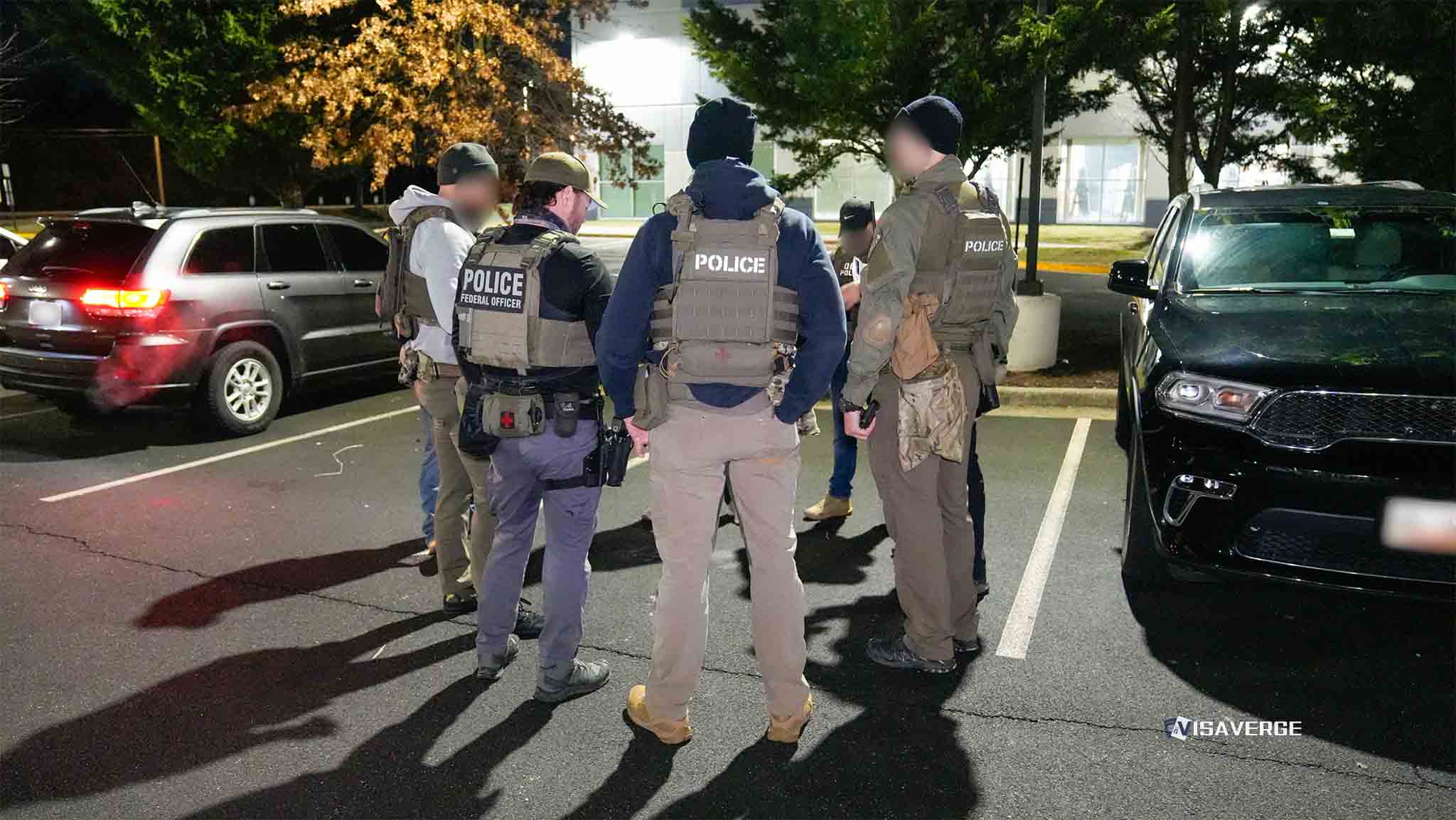
The account describes eight armed agents arriving in six SUVs. The Callahans say the officers had no warrant or court order, and used the promised appointment to get Munongo outside. He was 26.
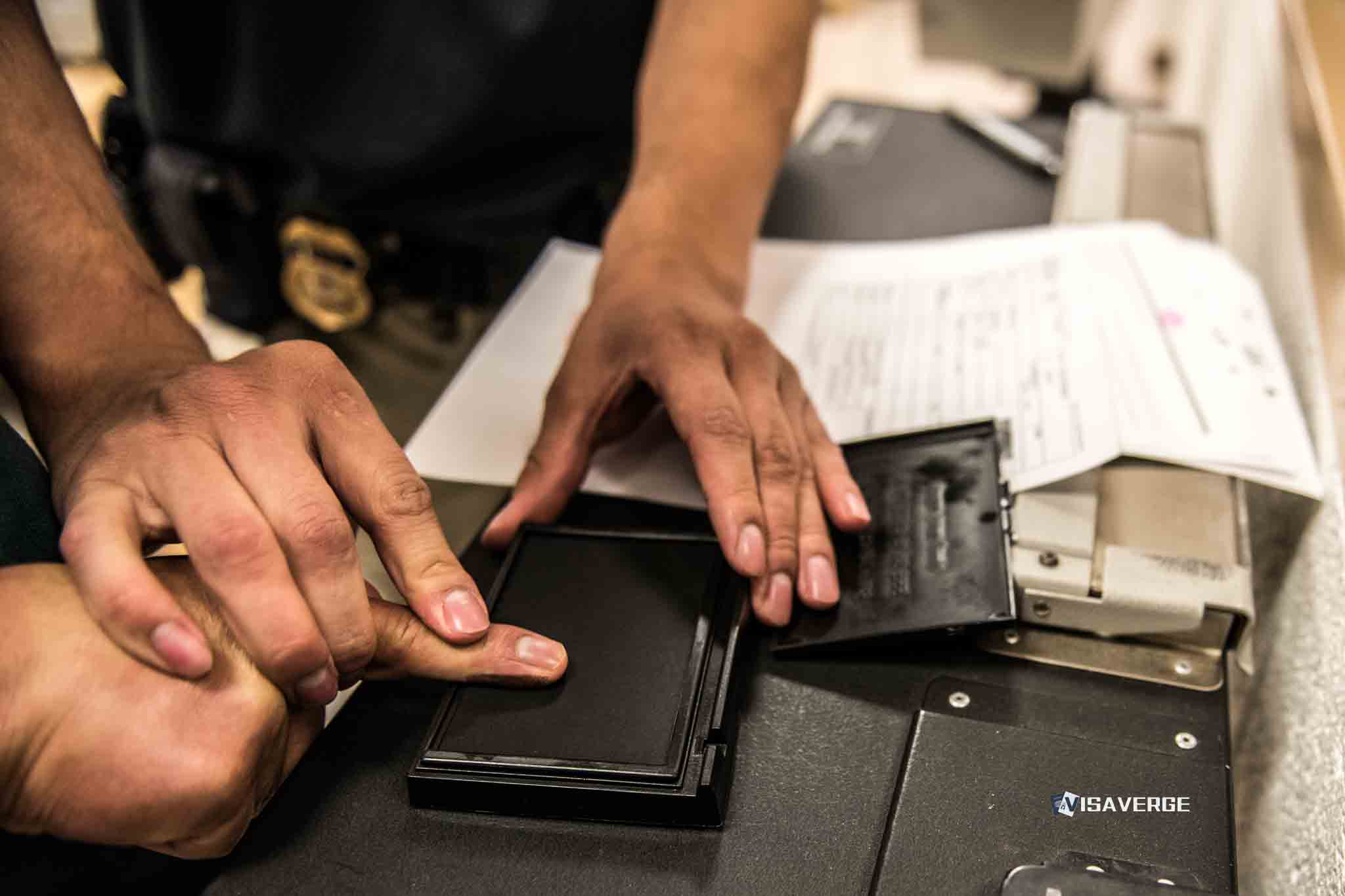
Munongo was later deported to Cameroon. Two weeks after the arrest, he was reportedly placed on a plane.
The family says he had no criminal record, attended required immigration check-ins and worked full-time as a truck driver in metro Detroit. He had lived in the United States for more than seven years.
The Callahans say agents promised a monitoring appointment
Callahan’s wife, Susan, is a retired Ford executive. He described the operation as “a ruse” and said his family watched in horror as Munongo was taken away. The family’s account centers on what agents told them before the arrest.
The Department of Homeland Security denied that officers acted falsely. The department said agents clearly identify themselves as law enforcement. A follow-up ICE report reportedly described Callahan as “claiming to be a 3rd circuit court judge.”
The order barred return to Congo, not necessarily Cameroon
Munongo had a 2019 order from a Louisiana immigration judge granting withholding of removal. That protection barred the government from returning him to the Democratic Republic of the Congo, where the order recognized a risk of persecution. It did not necessarily prevent removal to another country.
Under INA § 241(b)(3), withholding generally bars removal to the country where a person faces persecution. It does not, by itself, always bar the Department of Homeland Security from sending that person to a different country willing to accept them. The distinction is central to the family’s account of Munongo’s transfer to Cameroon.
Third-country removals typically involve notice and fear-screening requirements. Legal challenges have questioned whether people received adequate warning and a chance to raise fears about the country receiving them. Those protections address a different risk from the one considered in an order barring return to a person’s country of origin.
The reported order therefore did not itself establish that Munongo could never be removed from the United States. Whether a transfer complied with applicable requirements can depend on the notice given and any fears raised about the destination.
The case comes amid broader transfers to African countries
The case falls within the Trump administration’s expanded use of removals to countries other than migrants’ homelands. An investigation counted 35 U.S. arrangements allowing deportations to third countries. The arrangements involve destinations that may differ from the country named in a person’s immigration case.
Over a 10-day period, U.S. authorities sent more than 100 deportees from multiple countries to eight countries across Africa, including Cameroon. The figure reflects transfers involving several nationalities, not only people from the Democratic Republic of the Congo.
Munongo's family is trying to reach him in Cameroon
The family says Munongo remains in Cameroon and is trying to reestablish contact and support him. As of reporting on September 24–25, 2026, that effort was continuing.
Before his arrest, the family says, he held a full-time truck-driving job, went to required check-ins and had no criminal record. His family’s account describes a refugee who had spent more than seven years in the United States before being sent to a country other than the one covered by his protection order.
This article provides general information and is not legal advice. Consult a qualified immigration attorney about your specific case.