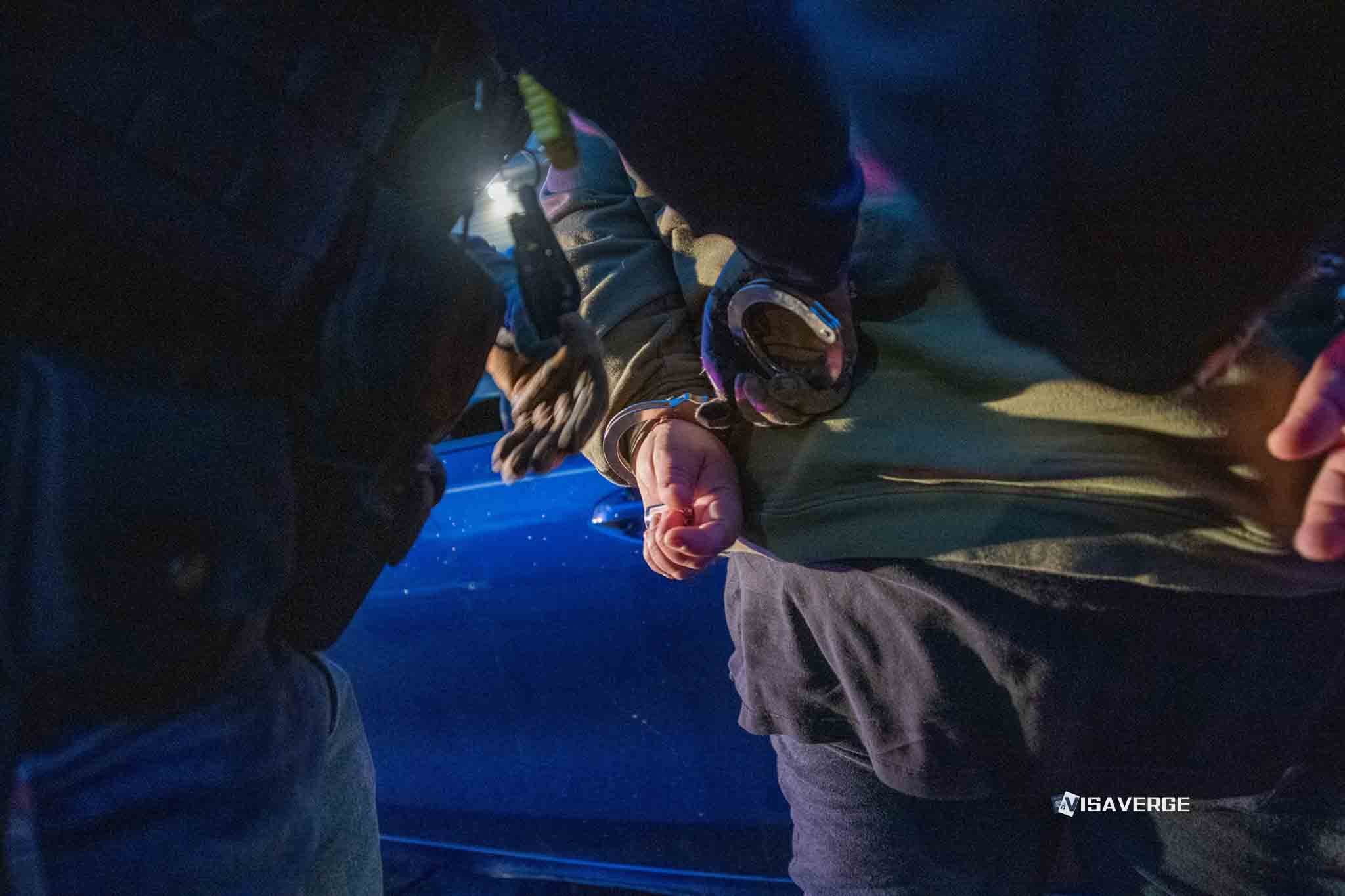
- The Trump administration authorized at least $410 million for removals linked to 31 countries by June twenty twenty-six.
- The Office of Remigration began operating in May twenty twenty-five and was led by diplomat Christian J. Ehrhardt.
- By late August twenty twenty-six, records counted 25,447 people sent to 28 countries, with about 20,000 going to Mexico.
The Trump administration authorized or pledged at least $410 million by the end of June 2026 for removal arrangements involving 31 countries and related agencies, mostly across Africa and Latin America.
The spending flowed through a State Department office that inherited the functions of the former refugee bureau. Officials used it to negotiate and finance removals to countries where many migrants were neither citizens nor previously connected.
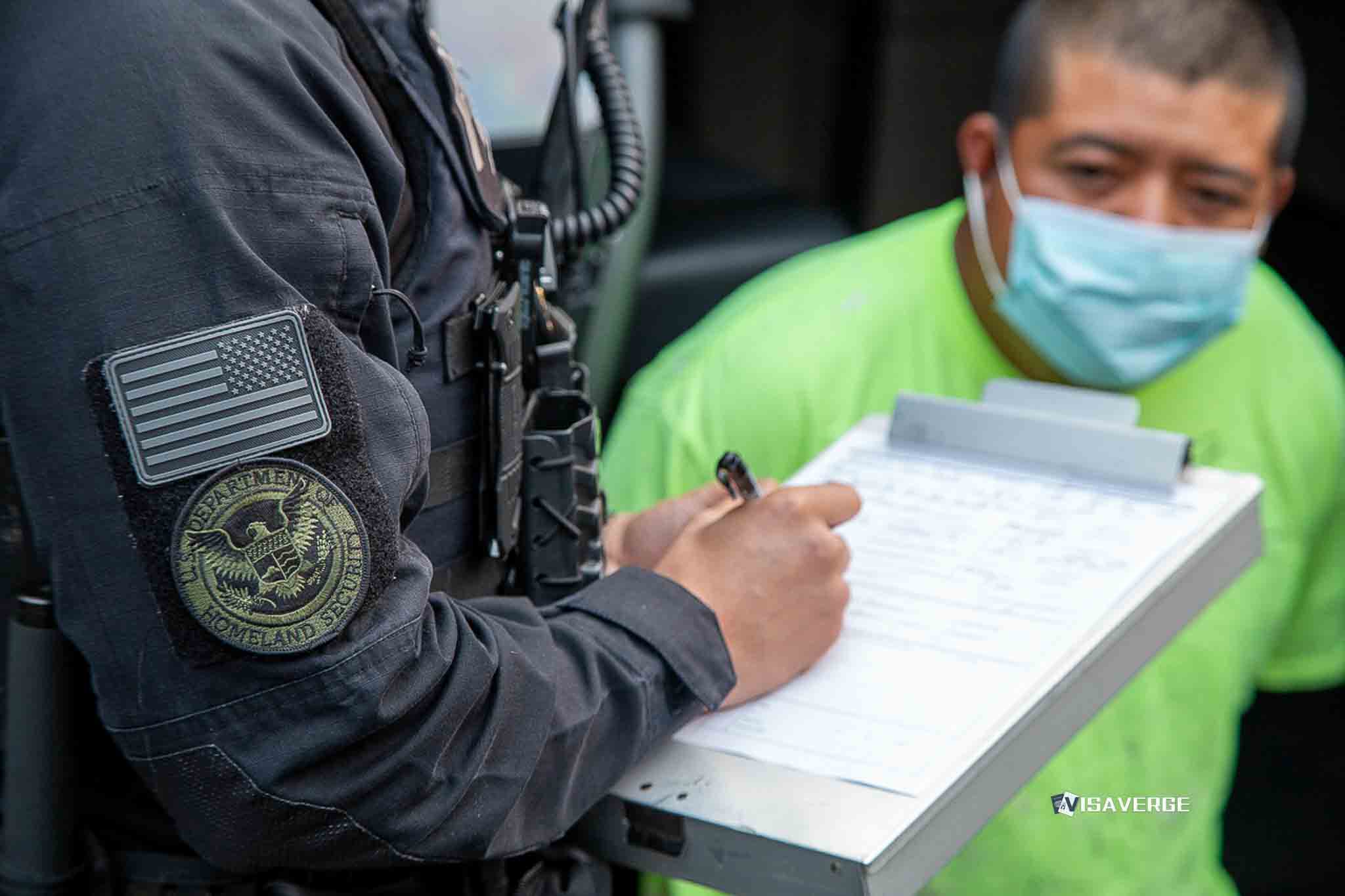
The Office of Remigration began operating in May 2025 inside the Bureau of Population, Refugees, and Migration. Christian J. Ehrhardt, a diplomat, led the office and handled most negotiations and payments.
The system expanded quickly. Internal records and investigative reporting counted 25,447 people sent to 28 countries by late August 2026.
About 20,000 went to Mexico. Others traveled to destinations across Latin America, Africa, and the Pacific.
Early flights carried people from China, Russia, Iran, Afghanistan, Vietnam, Laos, Cuba, and Jamaica. Costa Rica, Eswatini, and Panama were among the destinations.
The funding moved through governments and international agencies
The money did not follow a single channel. The allocation covered direct payments, international organizations, and other support connected to the arrangements.
| Recipient or channel | Amount | Scope |
|---|---|---|
| Foreign governments | About $81 million | 13 governments |
| International Organization for Migration | More than $178 million | Support connected to the arrangements |
| UNHCR | $123 million | Support connected to the arrangements |
The overall package covered 31 countries. It also supported agencies involved in carrying out the transfers.
The agreements tested foreign-aid safeguards and deportation law
The deals were structured to avoid standard foreign-aid safeguards, including human-rights conditions that ordinarily apply to U.S. assistance spending, according to records and reporting on the operation.
That arrangement became part of President Donald Trump’s broader mass-deportation strategy. It shifted removals toward destinations other than migrants’ countries of origin.
A federal appeals court ruled last week that the underlying third-country deportation policy is unlawful. The administration is expected to ask the Supreme Court to review that decision.
The court ruling places the arrangements against a broader legal dispute over the government’s authority to send noncitizens to countries with which they may have no prior connection. The funding structure adds another issue, because the deals involved payments and foreign assistance outside the usual safeguards.
Receiving-country capacity remains a practical limit
The operation also depends on transportation and cooperation abroad. Separate reporting has identified available flights and receiving-country capacity as constraints on the administration’s wider deportation campaign.
Those limits sit alongside the court challenge. The administration’s next move is expected to include a Supreme Court review request.
This article provides general information and is not legal advice. Consult a qualified immigration attorney about your specific case.