- Ecuador detained former minister José Serrano after U.S. deportation on August 28, 2026, sending him to El Encuentro prison.
- Officials said a preventive-detention order remains active in the Fernando Villavicencio assassination investigation.
- A Florida judge closed Serrano’s habeas case on September 2, 2026 after he left U.S. custody.
Ecuador detained former interior minister José Serrano after the United States deported him on August 28, 2026, sending him from a flight arriving in Guayaquil to a maximum-security prison in Santa Elena. Authorities moved him under heavy security.
Serrano reached Ecuador late Friday and was taken to the Cárcel del Encuentro early August 29. The prison is also known as El Encuentro.
Free toolUSCIS Receipt Number Decoder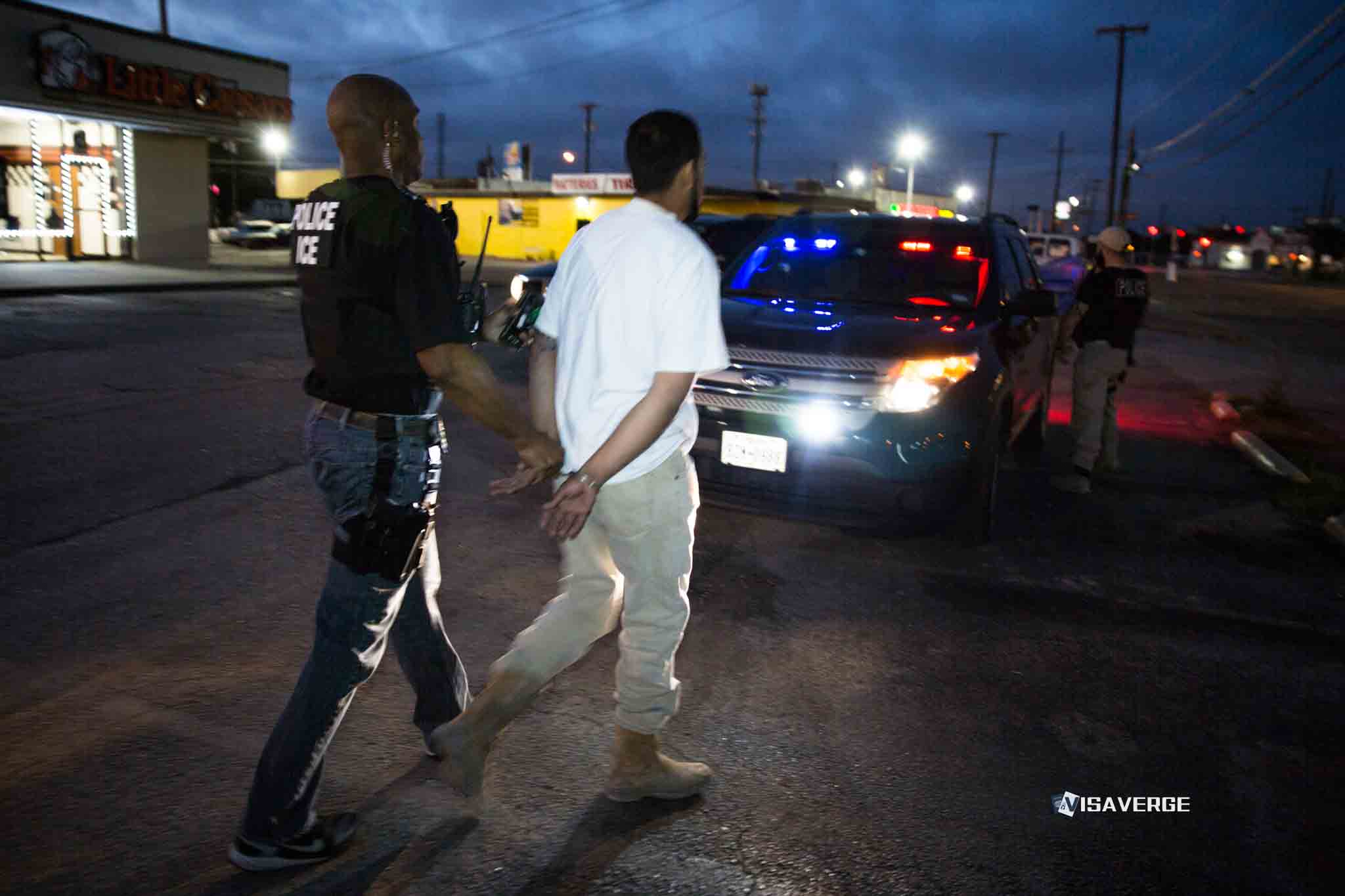
President Daniel Noboa publicly confirmed the transfer. Secretary of Administration José Julio Neira said the former official would be placed before the competent authority because a preventive-detention order remains active in the investigation into Fernando Villavicencio’s killing.
Noboa framed the return as the fulfillment of a pledge.
“Lo dijimos, lo cumplimos. José Serrano, ministro de interior de Correa, nuevo huésped de El Encuentro.”
Neira said Serrano “será puesto a órdenes de la autoridad competente ya que cuenta con una orden de prisión preventiva por la presunta autoría intelectual del magnicidio de Fernando Villavicencio.” The statement describes an allegation, not a finding of guilt.
The transfer followed a year in U.S. immigration custody
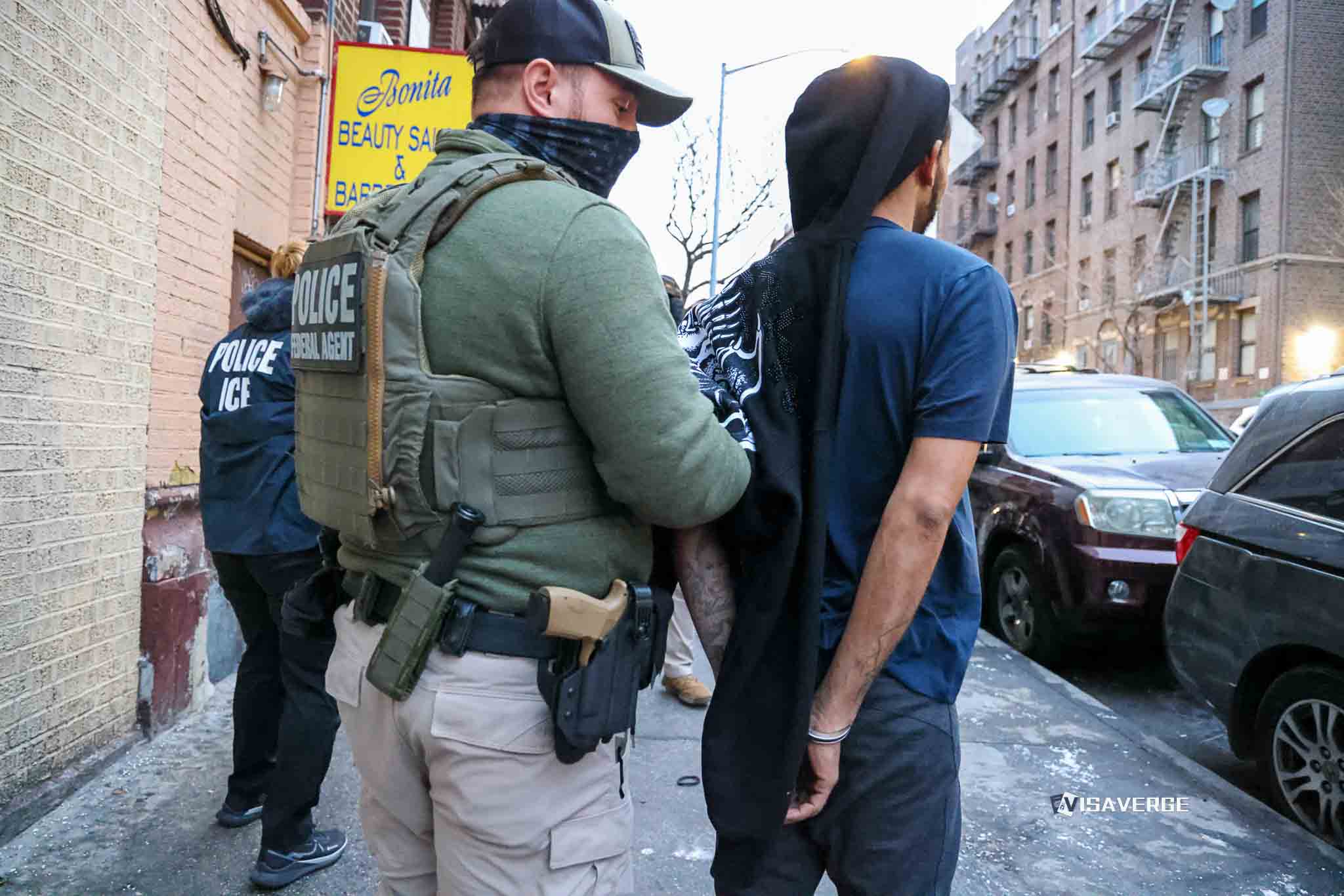
U.S. Immigration and Customs Enforcement detained Serrano in Miami on August 7, 2025, over an immigration violation tied to overstaying his visa. He remained in U.S. immigration custody for about a year.
A U.S. immigration judge denied his asylum request in May 2026. One account also reported that the judge granted Convention Against Torture protection at that stage, a decision that initially blocked his removal.
The removal later proceeded. Serrano had been fighting deportation after a U.S. judge previously blocked his transfer because of fears that he could face torture in Ecuador.
His flight landed in Guayaquil at 23:10 on August 28, according to one account. Guards then moved him to El Encuentro during the early hours of the next day.
Removal replaced the extradition route Ecuador had pursued
Ecuador’s Fiscalía had sought extradition, but the government received Serrano through deportation rather than a judicial extradition process. That placed him directly into Ecuador’s criminal-justice system after his arrival.
The case concerns the August 2023 assassination of presidential candidate Villavicencio. Prosecutors reportedly consider Serrano one of seven suspects, and Ecuadorian courts had already ordered preventive detention in connection with the investigation.
Serrano previously served as interior minister and later as president of Ecuador’s National Assembly. He is also a longtime ally of former President Rafael Correa.
The government’s handling of his return has tied the immigration action to the criminal case. Officials said he would be delivered to the competent authorities rather than released after his arrival.
| Date | Event |
|---|---|
| August 7, 2025 | U.S. immigration authorities detained Serrano in Miami over an immigration violation tied to overstaying his visa. |
| August 28, 2026 | He arrived in Guayaquil on a flight from the United States and entered Ecuadorian custody. |
| August 29, 2026 | Authorities transferred him under guard to El Encuentro prison in Santa Elena. |
| September 2, 2026 | Judge K. Michael Moore closed his federal habeas case after Serrano left U.S. custody, dismissing it without prejudice. |
A Florida court closed Serrano’s habeas case after removal
Judge K. Michael Moore of the U.S. District Court for the Southern District of Florida closed the federal habeas case on September 2, 2026. The dismissal came because Serrano was no longer held in U.S. custody.
The court dismissed the case without prejudice. The order followed the transfer to Ecuador, where the preventive-detention order in the Villavicencio investigation now governs his custody.
The reported U.S. legal posture had changed from an earlier bar on removal. Serrano’s asylum request had been denied, and the removal eventually moved forward after the prior protection had initially prevented deportation.
Officials disputed claims about his treatment after arrival
Serrano’s lawyers alleged humiliating treatment during his custody and transfer. Ecuadorian officials denied claims that authorities mistreated him after he arrived.
The government instead publicized his placement at El Encuentro. Noboa showed Serrano at the high-security prison after announcing the deportation.
The detention order centers on alleged intellectual responsibility for the assassination, as Neira’s statement made clear. Ecuador’s courts will address the criminal allegations under the country’s own proceedings.
Serrano’s custody now rests with Ecuadorian authorities and the preventive-detention order connected to the August 2023 case. His U.S. federal proceeding ended after the September 2 order, while the Ecuador investigation continues.
This article provides general information and is not legal advice. Consult a qualified immigration attorney about your specific case.