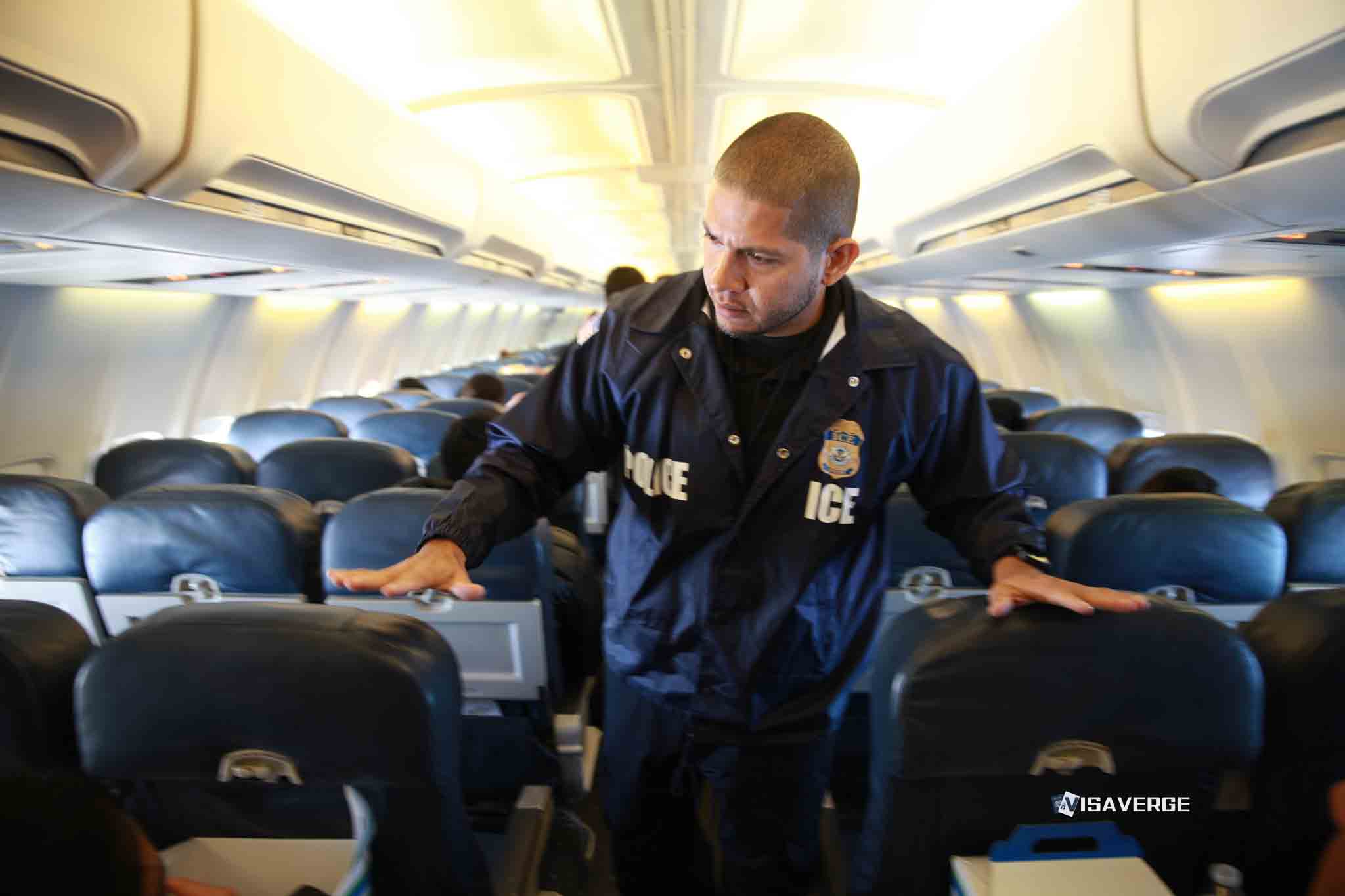
- U.S. officials deported a Cuban national to Ecuador under a 2025 third-country transfer agreement.
- Detainees allege retaliatory transfers between facilities occurred during organized hunger strikes and labor protests.
- Legal defenses require emergency stay of removal filings based on pending appeals or protection claims.
(ECUADOR) – A noncitizen facing transfer to a third country such as Ecuador typically looks first to three defenses: a stay of removal, protection-based screening for fear of that country, and emergency review of any pending appeal or motion that has not been resolved.
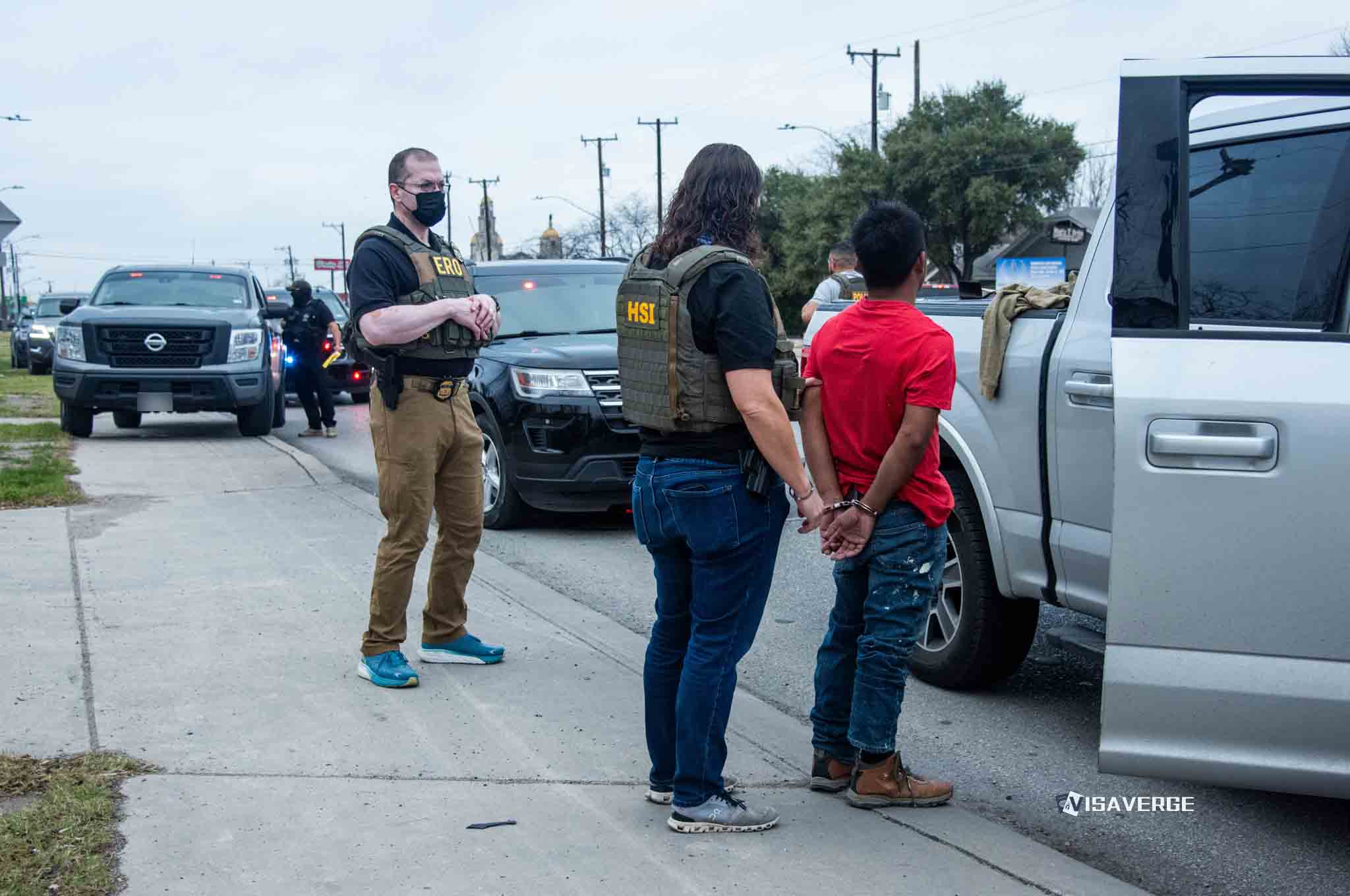
The case of Rogelio Enrique Bolufé Izquierdo shows how urgent that litigation can become. Bolufé, 44, is a Cuban national and founder of Unión de Secuestrados por ICE, or USI. He was deported to Guayaquil, Ecuador, in early June 2026 during the Department of Homeland Security’s Making America Safe Again enforcement push. Reports tied the removal to prior residency or citizenship ties to Ecuador through marriage, even though he is not an Ecuadoran national.
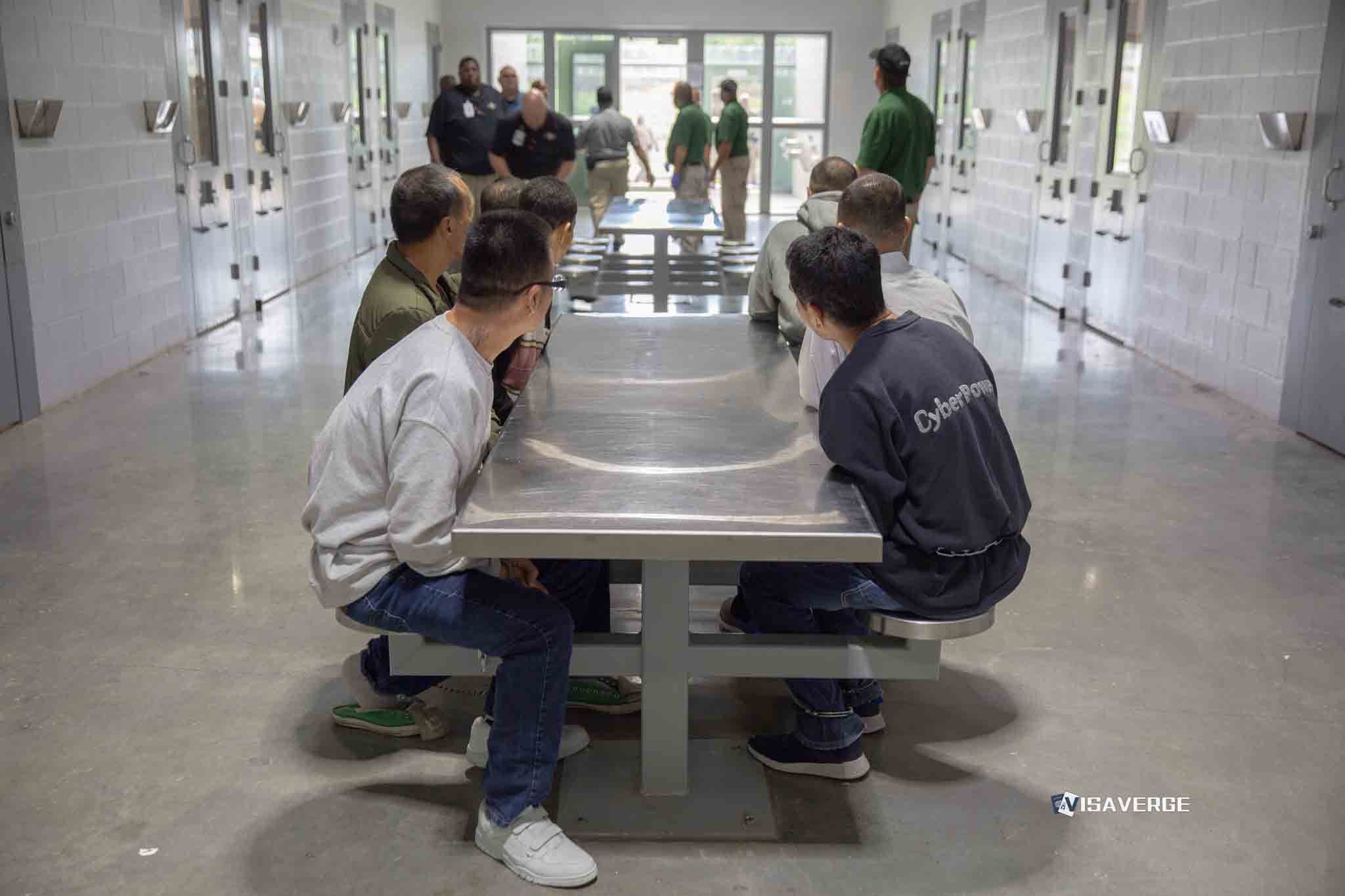
Third-country removals are not new, but the legal posture is different from a standard removal to a country of nationality. DHS relied on an agreement published at 90 Fed. Reg. 51376 on November 17, 2025, titled the Agreement Between the Government of the United States of America and the Government of the Republic of Ecuador Relating to the Transfer of Third-Country Nationals to Ecuador. That agreement matters because it supplies a diplomatic and policy basis for removals to Ecuador when DHS concludes a person has a qualifying connection to that country.
Bolufé’s case also unfolded amid organized detention protests. Hunger and labor strikes began at Torrance County Detention Facility in New Mexico and later spread to the Northwest ICE Processing Center in Washington and Delaney Hall in New Jersey. Advocacy groups said ICE transferred Bolufé through facilities in New Mexico, Texas, Alabama, and Washington during May 2026 before removing him. They described the transfers as retaliation for organizing. DHS rejected broader abuse claims on June 12, 2026, saying there was no current hunger strike at Delaney Hall and detainees were receiving food, water, and medical care.
Acting Assistant Secretary Lauren Bis took a harder public line on June 2, 2026. She said protests around Delaney Hall would not slow enforcement operations and tied removals to public safety priorities. ICE reinforced that message in a June 10, 2026 “Worst of the Worst” release, which said nearly 70% of ICE arrests involved people charged with or convicted of crimes in the United States. That figure described ICE’s broader arrest activity; it did not establish the legal basis for Bolufé’s transfer to Ecuador.
| India | China | ROW | |
|---|---|---|---|
| EB-1 | Feb 01, 2023 | Aug 01, 2023 ▲31d | Current |
| EB-2 | Nov 01, 2013 | Oct 01, 2021 | Apr 01, 2025 ▲90d |
| EB-3 | Jan 22, 2014 ▲21d | Jan 22, 2022 ▲14d | Jun 15, 2024 ▲31d |
| F-1 | Jan 22, 2021 ▲366d | Jan 22, 2021 ▲366d | Jan 22, 2021 ▲366d |
| F-2A | Oct 22, 2026 ▲30d | Oct 22, 2026 ▲30d | Oct 22, 2026 ▲30d |
A person in Bolufé’s position usually argues that removal should pause because a live legal claim remains pending. He had an ongoing immigration proceeding and a pending appeal tied to the Cuban Adjustment Act of 1966. That can be significant. Cuban nationals who were inspected and admitted or paroled, and who meet the statute’s physical presence and admissibility rules, may seek adjustment of status. If an appeal, motion, or application remains active, counsel often pursues an emergency stay before ICE executes removal.
Warning: Third-country removal cases move fast. Once ICE schedules travel, counsel often files emergency stay requests the same day with the immigration court, the BIA, or a federal court, depending on posture.
The governing framework depends on where the case sits. Immigration judges and the Board of Immigration Appeals handle removal proceedings and many stay requests. Federal courts may become involved if there is a petition for review or a habeas challenge. The statutory removal provisions appear at INA § 241, and protection claims usually arise under INA § 241(b)(3) for withholding of removal and 8 C.F.R. §§ 208.16-208.18 for withholding and Convention Against Torture protection. Adjustment issues for Cubans derive from the Cuban Adjustment Act, not a standard INA adjustment pathway.
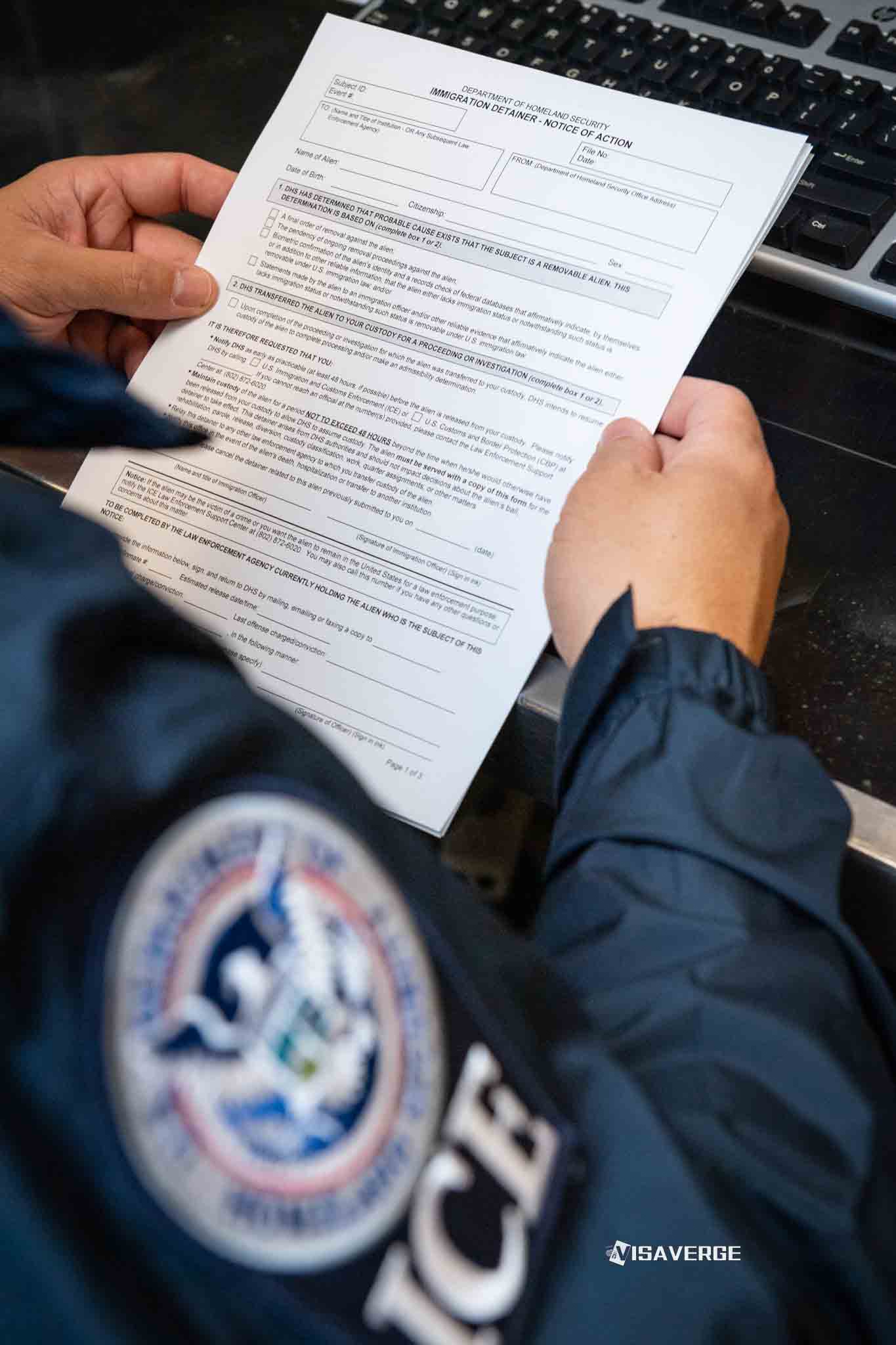
The evidence needed to stop a third-country transfer is usually concrete and time-sensitive. Lawyers typically submit proof of the person’s nationality, prior status in the receiving country, and the exact procedural posture of the immigration case. They also submit notices of appeal, receipt notices, docket sheets, prior custody transfer records, and evidence that ICE knew a filing was pending. If the person fears persecution or torture in Ecuador, the record should include declarations, country conditions reports, medical records, police reports, expert opinions, and any proof that gangs, officials, or private actors have targeted the person before.
Some facts tend to strengthen these cases. One is clear evidence that the person never received a meaningful chance to raise fear of the third country. Another is proof that DHS moved ahead despite a pending appeal, stay request, or counsel’s notice of representation. Strong records also show individualized danger in the receiving country, not just generalized crime. A State Department advisory can help, but it rarely carries a case by itself. Bolufé’s reported arrival in Guayaquil without money, identification, or a phone may support hardship and procedural fairness arguments, but it does not itself establish eligibility for withholding or CAT protection.
Other facts weaken the case. Prior lawful residence, citizenship, or family ties to Ecuador can help DHS argue the transfer is legally proper. Missed filing deadlines can also be fatal. So can an undeveloped record in immigration court. If a person never raised fear of Ecuador while still in custody, later emergency filings become harder. Criminal history can create separate problems. It does not bar CAT protection, but it can bar asylum and complicate withholding analysis depending on the offense and the procedural stage. Asylum bars appear at INA § 208(b)(2), while criminal grounds of removability appear throughout INA § 237.
Warning: A retaliation claim and a protection claim are different. Evidence of punitive transfers may support federal litigation, but counsel still usually needs a separate record on fear of persecution or torture in the receiving country.
Case law gives lawyers several routes, but no easy template. The Supreme Court held in Jama v. Immigration and Customs Enforcement, 543 U.S. 335 (2005), that the government may remove a person to certain countries without that country’s advance acceptance under the statutory scheme then at issue. Protection claims follow a different line. To win withholding under INA § 241(b)(3), a person must usually show a clear probability of persecution on account of a protected ground. To win CAT protection under 8 C.F.R. § 208.16(c), the person must usually show it is more likely than not that torture would occur with government involvement or acquiescence. If the case involves a motion to reopen, Matter of Coelho, 20 I&N Dec. 464 (BIA 1992), remains a common BIA citation on the heavy burden for reopening.
Realistic outcomes vary sharply by posture. A person still in ICE custody before a scheduled flight has the best chance to obtain a temporary pause if counsel can document a pending appeal or a fear claim quickly. After removal, the case becomes harder but not always over. Counsel may continue a BIA appeal, seek reopening, or litigate whether the removal interfered with statutory rights. Courts do not automatically restore parole or return a removed person to the United States. Relief after deportation usually takes longer and depends on a clean, documented record of legal error.
Attorney representation is not optional in any practical sense here. Third-country transfer cases combine detention practice, federal court timing, protection law, and country-conditions evidence. A lawyer may need to contact ICE Enforcement and Removal Operations, file with the immigration court or BIA, and prepare federal pleadings within hours. People with Cuban Adjustment Act issues face another layer of analysis because counsel must preserve adjustment eligibility while contesting removal steps that may cut the case short.
Official records tied to this episode include the Federal Register notice at 90 Fed. Reg. 51376, DHS releases on Making America Safe Again, ICE’s newsroom, and [USCIS policy updates](https://www.uscis.gov/newsroom/all-news). Lawyer search tools are available through the [AILA Lawyer Referral](https://www.aila.org/find-a-lawyer) service and the Immigration Advocates Network. People in detention who learn they may be sent to a third country should tell counsel immediately whether they fear that country, whether an appeal is pending, and whether ICE has already issued travel paperwork.
⚖️ Legal Disclaimer: This article provides general information about immigration law and is not legal advice. Immigration cases are highly fact-specific, and laws vary by jurisdiction. Consult a qualified immigration attorney for advice about your specific situation.