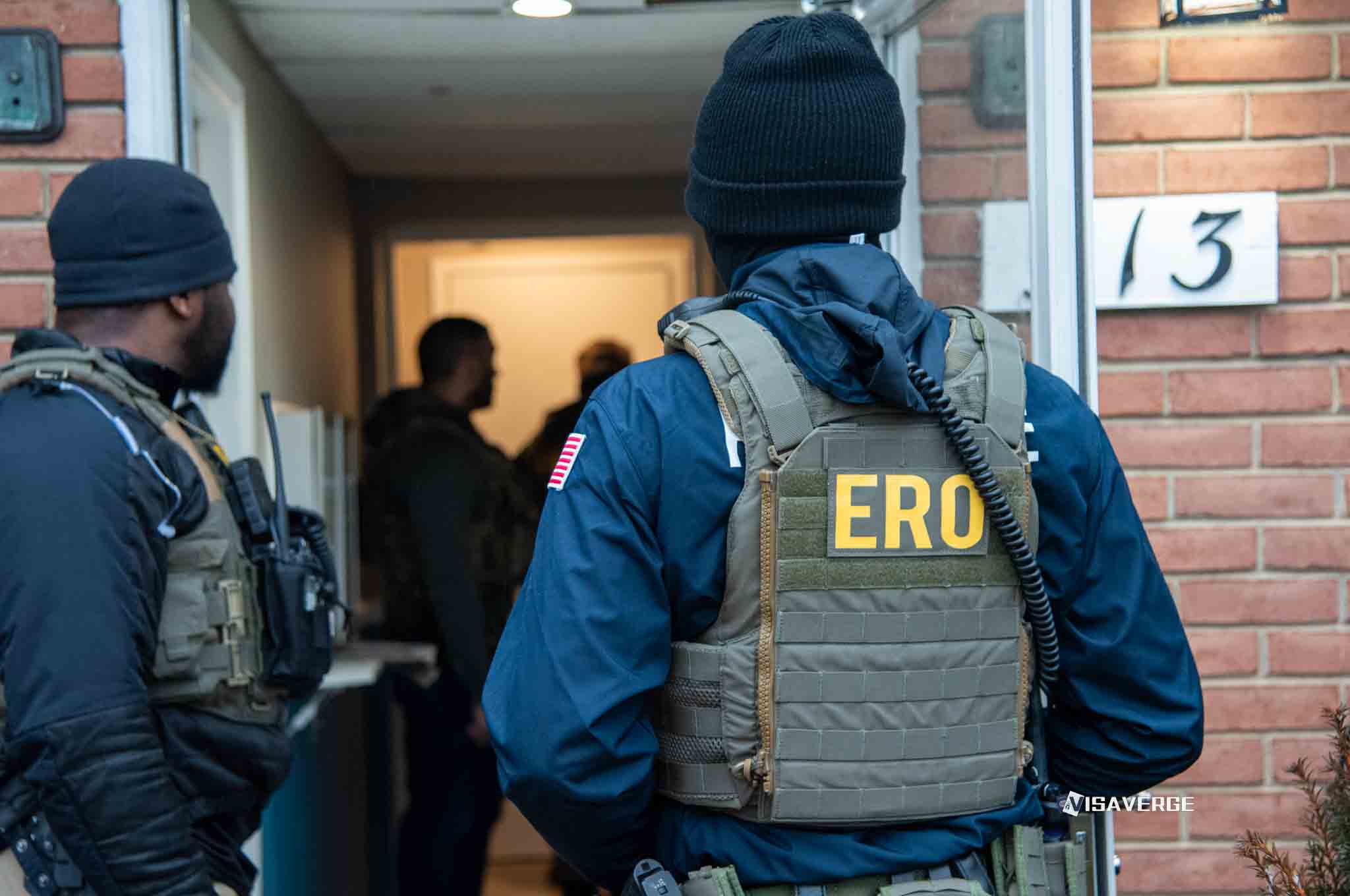
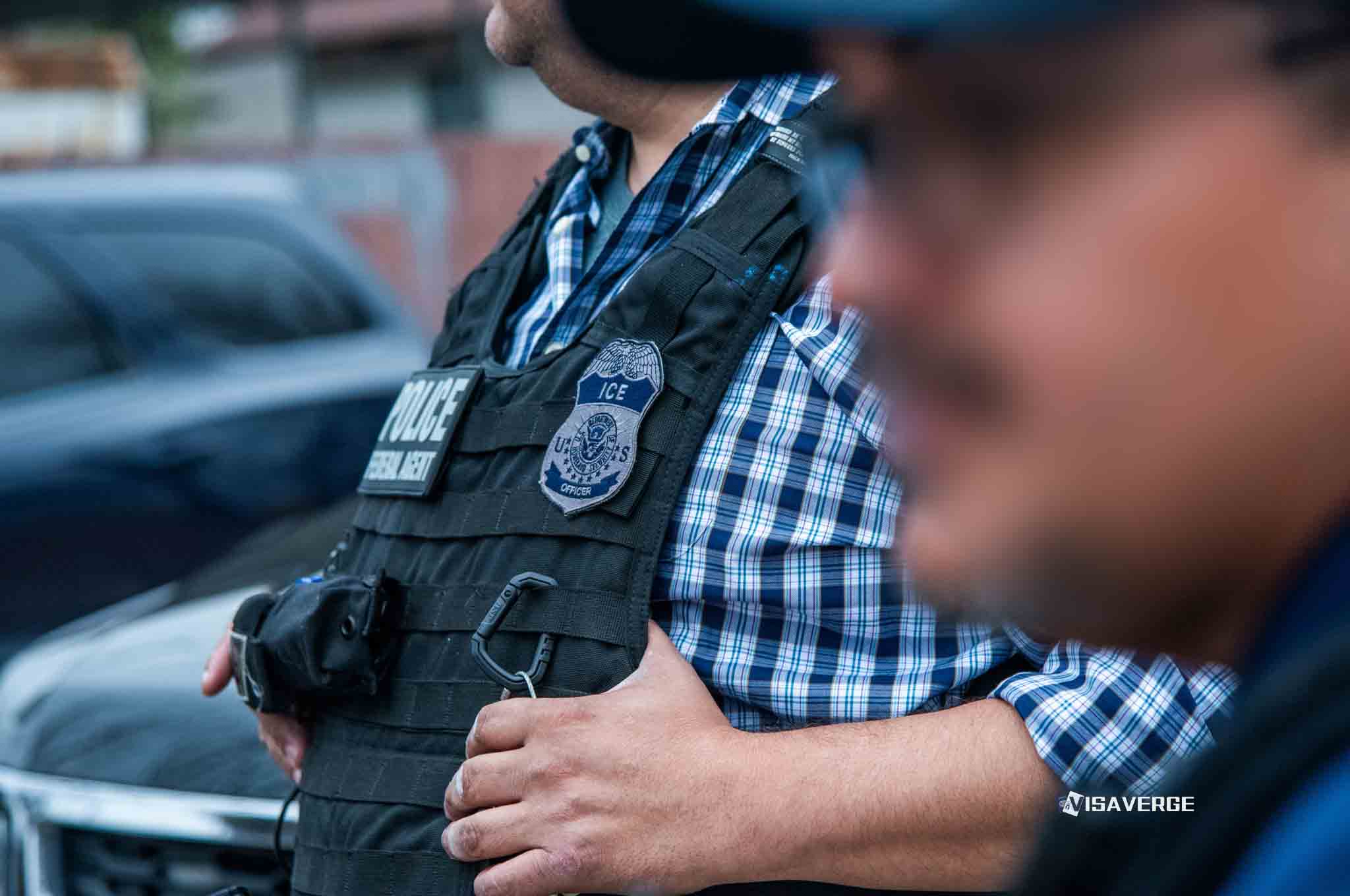
- Federal agents arrested an MS-13 member in Queens wanted for a double homicide in El Salvador.
- Operation Salvo resulted in fifty-four arrests of Trinitarios gang members within New York City.
- Operation Signal Break seized 500,000 SIM cards used by transnational criminal organizations for fraud.
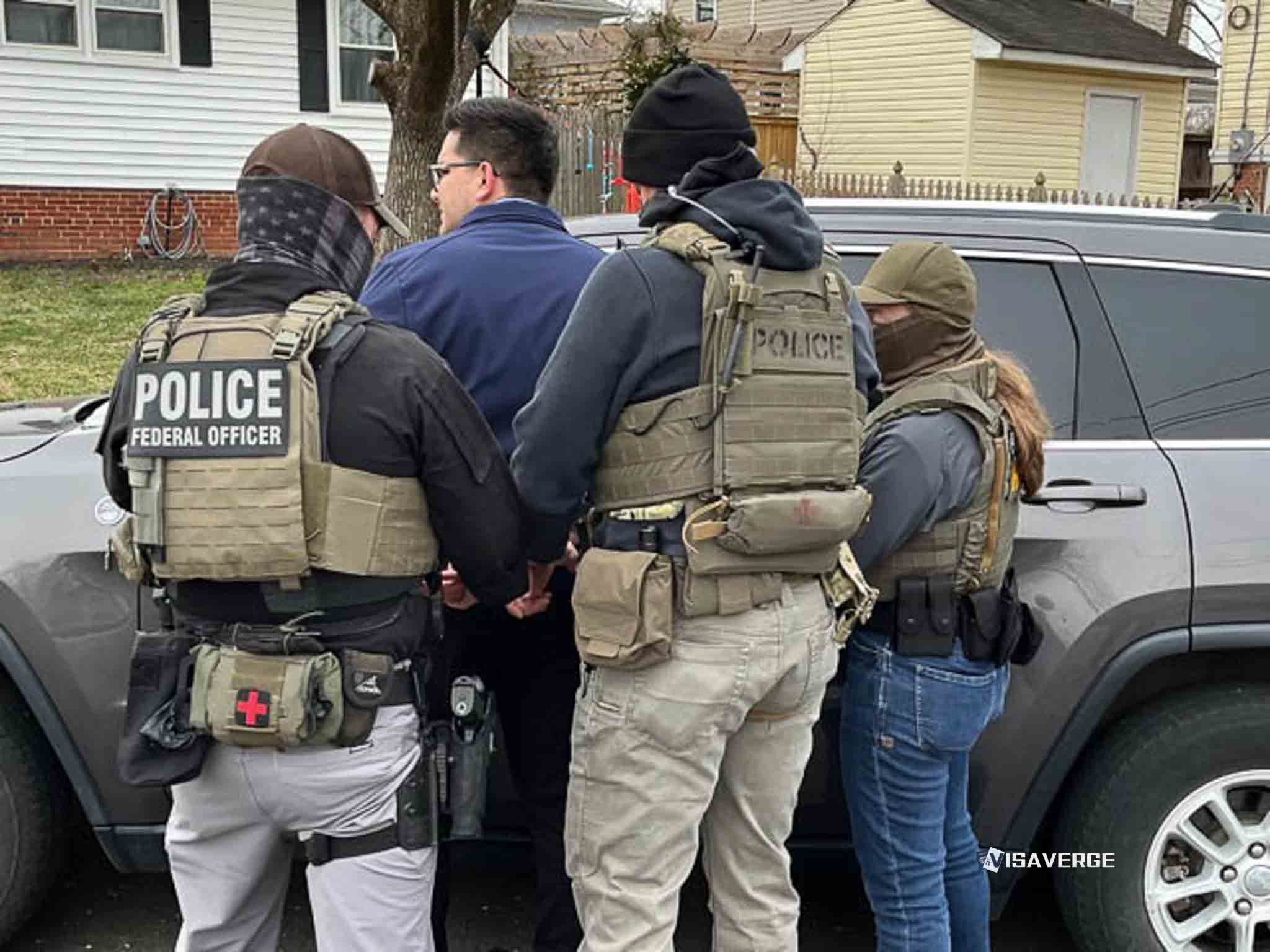
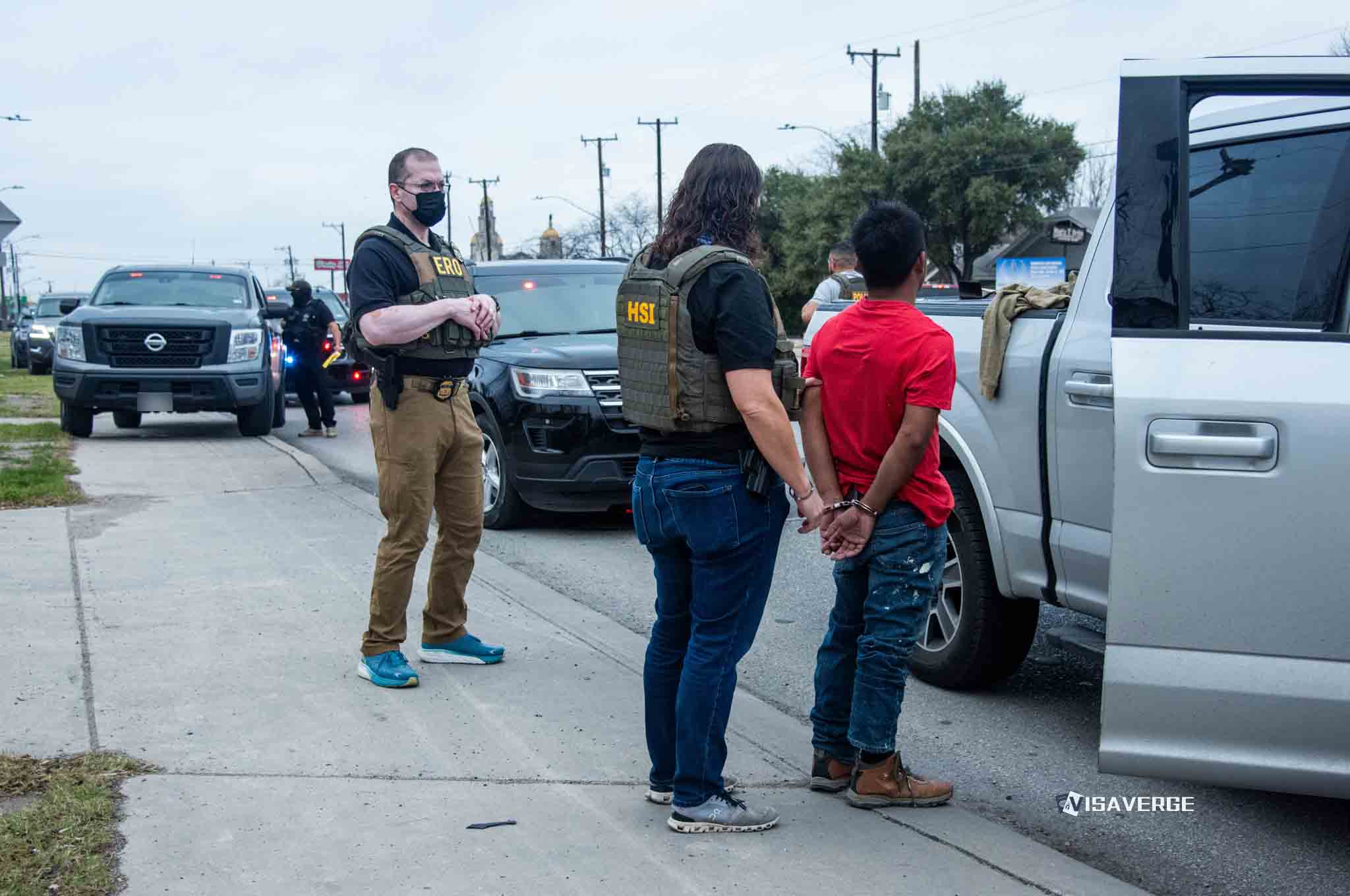
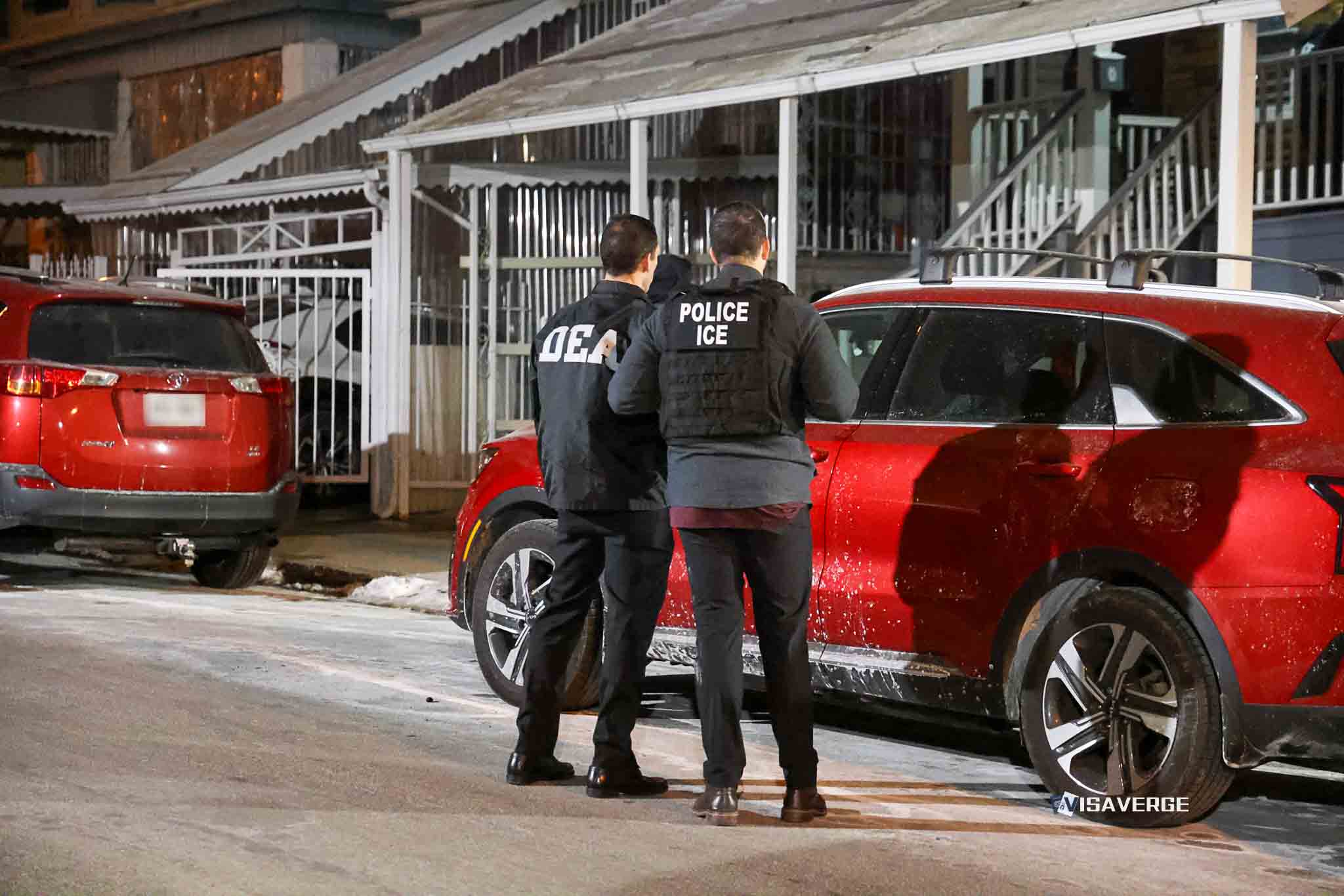
Federal immigration officers are carrying out targeted arrests across New York City, including the June 20 detention of an MS-13 member in Queens wanted in connection with a double homicide in El Salvador. The enforcement activity spans June and July 2026.
The New York actions include arrests involving convictions for murder, sexual abuse of a child under 11 and rape, along with operations aimed at transnational gangs and criminal infrastructure. Officials have placed the activity within the administration’s broader “Making America Safe Again” initiative.
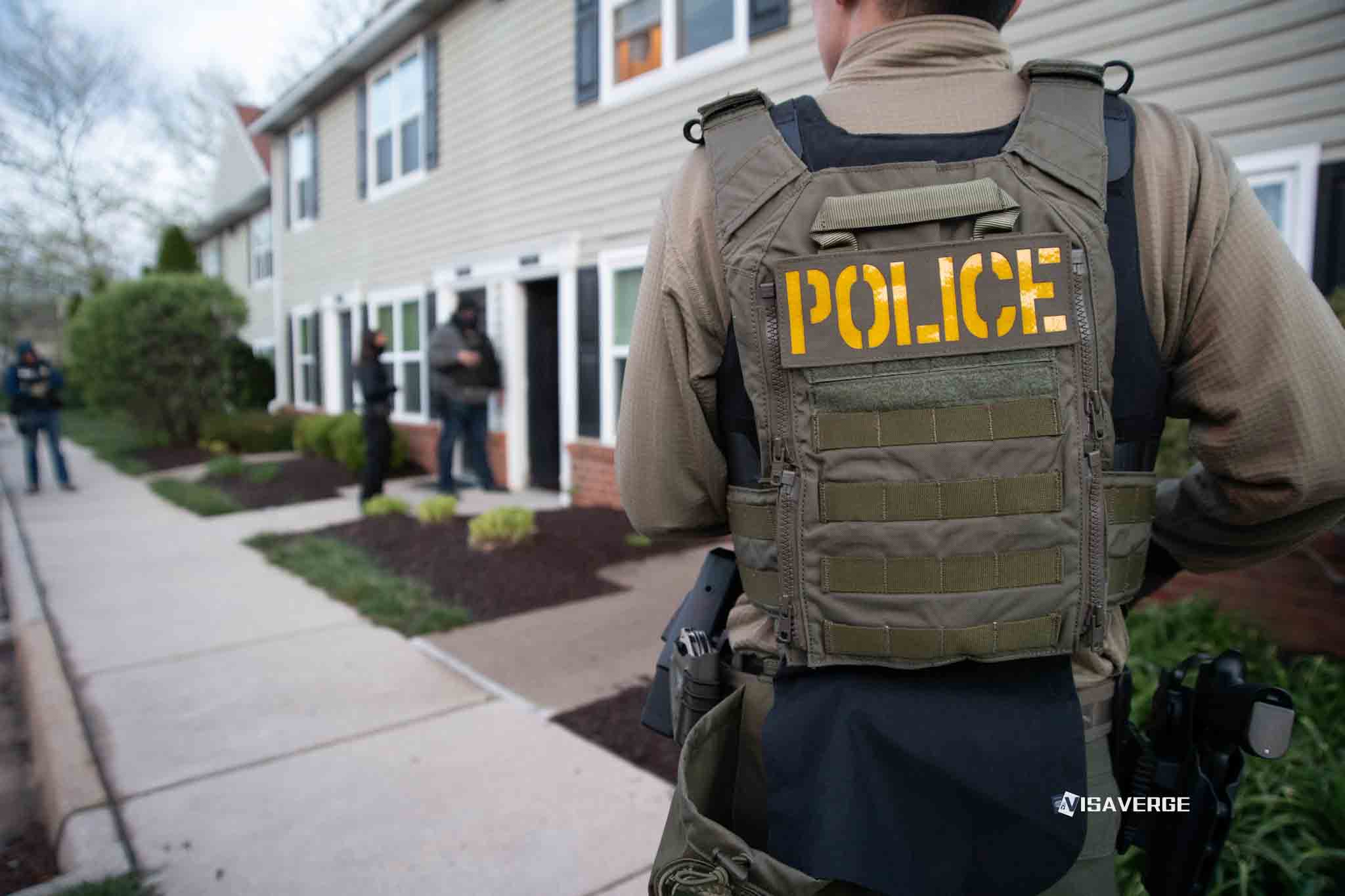
The June 20 arrest involved a gang member sought by authorities in El Salvador. Officers took him into custody in Queens.
Other arrests have involved immigration fugitives, according to the enforcement agency. The federal effort has operated alongside separate investigations in the New York metropolitan area.
| India | China | ROW | |
|---|---|---|---|
| EB-1 | Feb 01, 2023 | Aug 01, 2023 ▲31d | Current |
| EB-2 | Nov 01, 2013 | Oct 01, 2021 | Apr 01, 2025 ▲90d |
| EB-3 | Jan 22, 2014 ▲21d | Jan 22, 2022 ▲14d | Jun 15, 2024 ▲31d |
| F-1 | Jan 22, 2021 ▲366d | Jan 22, 2021 ▲366d | Jan 22, 2021 ▲366d |
| F-2A | Oct 22, 2026 ▲30d | Oct 22, 2026 ▲30d | Oct 22, 2026 ▲30d |
As of late July 2026, the three tracks had produced different results. The largest figures came from a nationwide investigation, while the gang and fugitive arrests were tied more directly to New York City.
Kenneth Genalo, Field Office Director for ERO NYC, described the enforcement priority in a June 10 announcement.
“While sanctuary politicians continue to prioritize criminal illegal aliens over law abiding New Yorkers, our officers are on the front lines every day keeping our communities safe from murderers, rapists and pedophiles that prey on our most vulnerable citizens. Protecting New Yorkers from criminal illegal aliens will always be a priority for this office. We will never waver in our commitment to arrest criminal illegal aliens and remove them from our country.”
Three operations produced different results
The figures below separate the nationwide HSI investigation from the New York-focused gang campaign and targeted ERO arrests.
| Enforcement track | Target or focus | Reported result |
|---|---|---|
| Operation Signal Break | Illegal “SIM box” farms used by transnational criminal organizations for telecommunications fraud | 116 search warrants, 500,000+ SIM cards seized, 12 total arrests, administrative and criminal |
| Operation Salvo | The Trinitarios, a transnational gang in New York City | 54 arrests to date, with approximately 60% already removed from the country |
| Targeted ERO enforcement | Known criminal noncitizens and immigration fugitives | June and July arrests involving convictions for murder, sexual abuse of a child under 11 and rape; a June 20 MS-13 arrest in Queens |
Operation Signal Break concluded July 10. Homeland Security Investigations used “SIM Box Surge Teams” in New York, which officials identified as a high-risk area, to dismantle command-and-control infrastructure.
The national operation produced the 116 warrants, the seizure of 500,000+ SIM cards and 12 total arrests. Those totals cover the nationwide investigation, not solely New York City.
Operation Salvo keeps its focus on Trinitarios
Operation Salvo represents the sustained New York gang effort. Its target is the Trinitarios.
The operation has recorded 54 arrests to date. Approximately 60% of those arrested had already been removed from the country.
ERO NYC also arrested people with convictions for murder, sexual abuse of a child under 11 and rape during June and July. The office described those arrests as part of its effort against known criminal noncitizens and immigration fugitives.
Federal officials have criticized New York’s sanctuary policies, saying local authorities may not honor ICE detainers. They say that forces officers to conduct at-large fugitive operations instead.
Officials characterize those operations as more resource-intensive and more dangerous for officers. The dispute places federal immigration enforcement at odds with New York’s local policies.
Federal officials connect the arrests to new authority
At a July 1 press conference in New York City, Secretary of Homeland Security Markwayne Mullin highlighted the “One Big Beautiful Bill.” The measure allocated $165 billion for enforcement.
Mullin said the administration would use its enforcement tools against people who threaten residents, U.S. citizens or law enforcement officers.
“The Trump Administration is using every single tool that we have to protect the American people. We are warning anyone if you think you can harm an individual, a citizen of the United States, or a law enforcement officer, we will find you and bring you to justice.”
Federal officials also cite the Laken Riley Act and the One Big Beautiful Bill Act as support for the enforcement campaign. The research describes those measures as requiring the arrest of noncitizens accused of violent crimes, including theft and assault, while providing funding for deportation infrastructure.
The New York activity forms part of the administration’s wider mass-deportation strategy targeting criminal noncitizens. DHS has said the operations remove repeat offenders and gang members it considers a “grave danger” to residents.
Arrests can lead to detention and removal proceedings
People arrested during the operations are typically placed in expedited removal proceedings or held in ICE custody while they await hearings before an immigration judge.
Some arrested noncitizens are transferred to federal facilities, including the Metropolitan Detention Center Brooklyn, or to contract facilities. The arrangements keep detainees available during the immigration process.
A DHS release dated July 24 carried the title “WORST OF THE WORST: ICE Arrests Murderers, Child Pornographers, and Weapons Traffickers.” It described recent nationwide arrests and included several cases from the New York metropolitan area.
The confirmed national totals belong to Operation Signal Break: 116 search warrants, 500,000+ SIM cards seized and 12 total arrests. New York-specific results include the 54 Operation Salvo arrests, the approximately 60% removal figure and the June 20 Queens arrest tied to a double homicide in El Salvador.