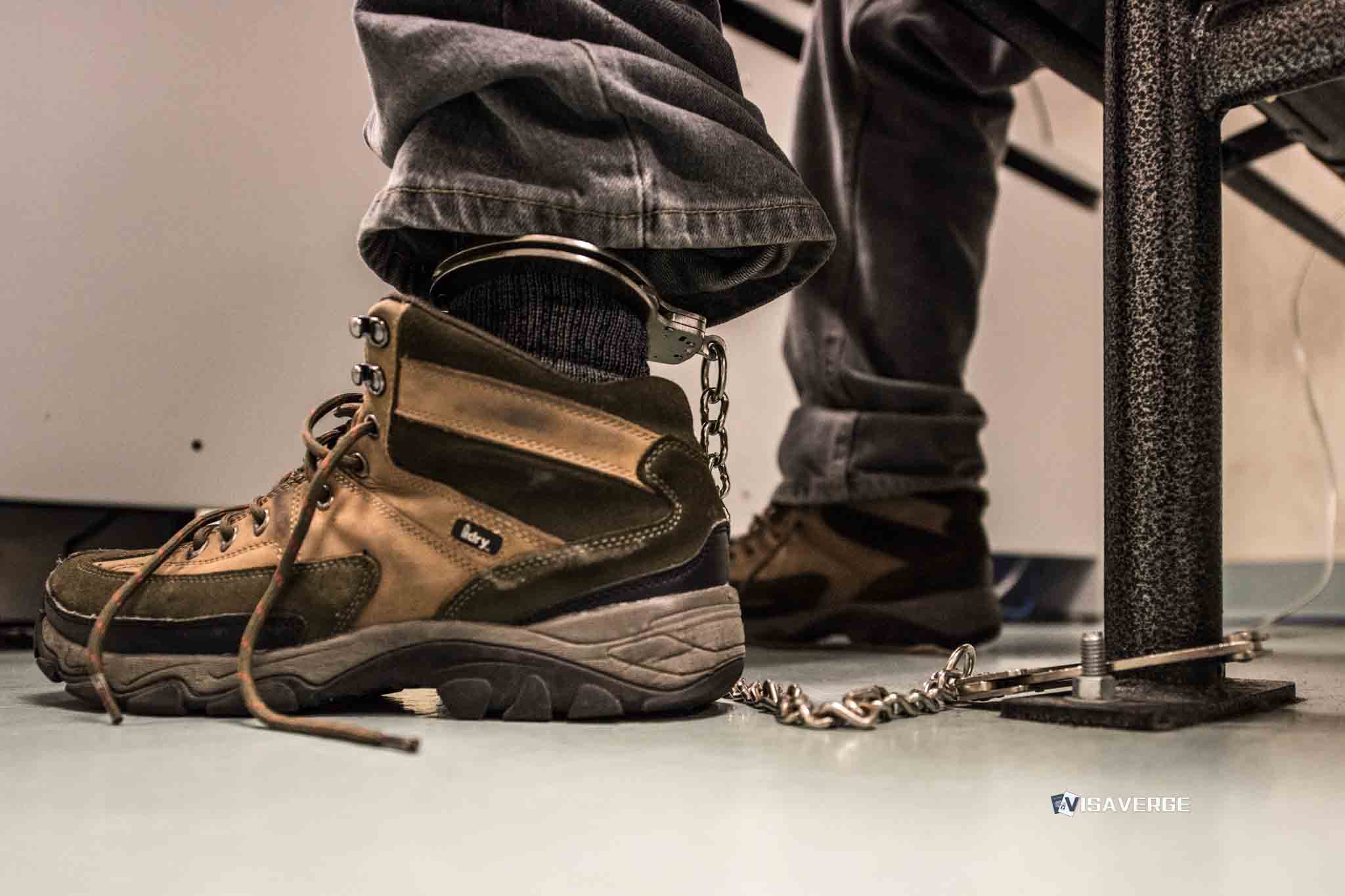
- ICE arrested 2,197 people across New York during Operation Rotten Apple, which ran from July twenty-seventh to August twenty-ninth, twenty twenty-six.
- DHS said the sweep targeted people with serious criminal records, while officials blamed sanctuary policies and ICE detainer requests disputes.
- The department did not release a full case-by-case breakdown, leaving questions about convictions, pending charges, and detention basis.
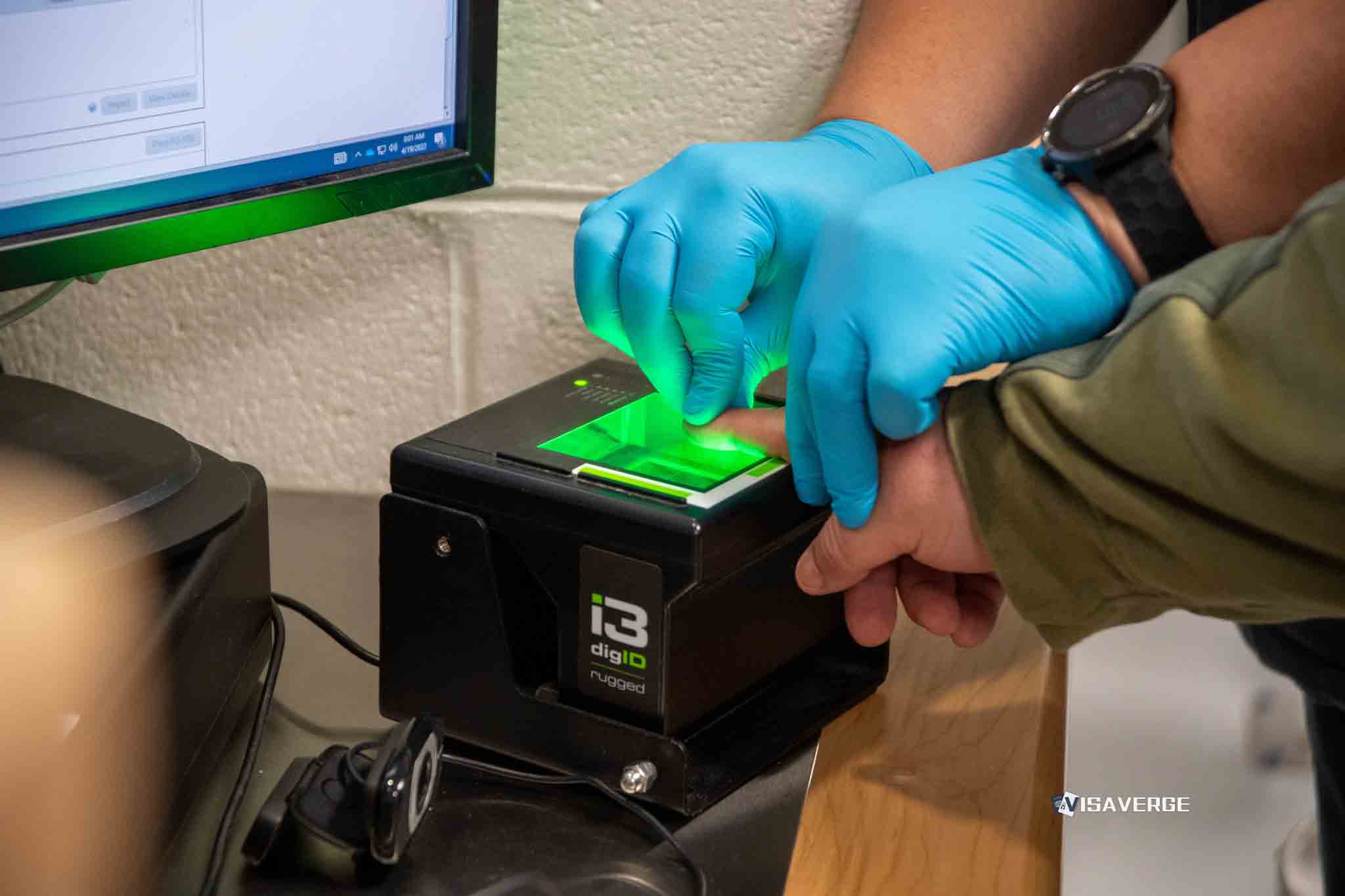
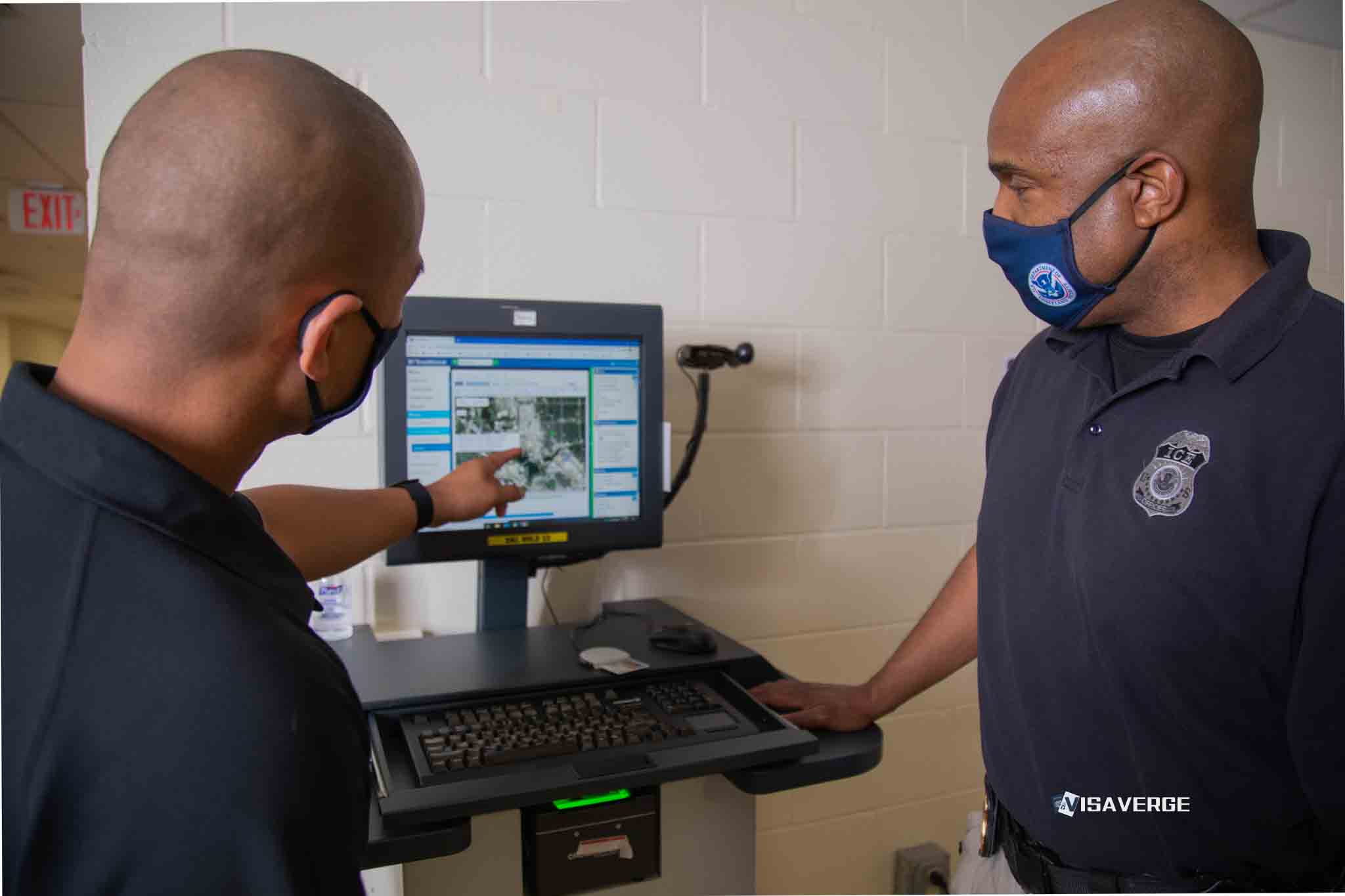
Homeland Security officials said Immigration and Customs Enforcement arrested 2,197 people across New York during a monthlong operation that ended August 29, 2026. The sweep, called Operation Rotten Apple, ran from July 27 through August 29 and covered New York City, Long Island, the Hudson Valley and upstate New York.
Homeland Security Secretary Markwayne Mullin announced the total Tuesday, September 1, in New York City. The department described the arrests as an effort focused on people with serious criminal records and cases involving immigration detainers.

Mullin characterized those arrested in stark terms.
“gang members, rapists, murderers, and child predators”
“That’s the worst of the worst,” Mullin said. He also said, “These individuals should never have been on our streets,” while blaming New York’s sanctuary policies for limiting cooperation with federal immigration enforcement.
The sweep followed a dispute over local cooperation with ICE
Mullin directed his criticism at New York’s political leadership, including Mayor Zohran Mamdani and Gov. Kathy Hochul. He claimed the state had released 13,000 criminal defendants despite ICE detainer requests.
The administration presented the arrests as a response to New York’s restrictions on cooperation with federal immigration authorities. The dispute includes the state’s decision to end certain 287(g) agreements, which allow participating local agencies to work with ICE on immigration enforcement.
New York signed the Local Cops, Local Crimes Act in May 2026. The law gave participating agencies until August 25, 2026, to unwind those agreements. The enforcement operation began before that deadline and continued through August 29.
The department’s announcement linked the policy dispute to the sweep. Officials said the operation reached four broad regions of the state, while Kenneth Genalo, director of the ERO New York Field Office, described its geographic scope.
DHS described arrests tied to a wide range of alleged offenses
Officials said the cases involved people with histories connected to murder, kidnapping, rape, robbery, assault, burglary, weapons offenses and drug trafficking. They also cited crimes involving children and sexual assault against children.
The briefing highlighted three cases. One involved a Ukrainian national with murder convictions. Another involved an Indian national convicted of rape in Germany. The third involved a Colombian national accused of child sexual assault.
The descriptions combined convictions and accusations. The announcement did not present all 2,197 cases in the same category.
The agency also described the sweep as targeting “murderers, rapists, pedophiles, drug traffickers, and violent assailants.” Mullin said federal agents and their partners had removed people he viewed as criminal threats from New York communities.
The public accounting leaves key questions about the detainees
DHS gave the overall figure but did not publish a full accounting of the 2,197 detainees. The department did not specify how many had criminal convictions, pending charges or no criminal record.
The same gap applies to the administration’s claim about 13,000 noncitizens released despite detainers. The administration did not provide a documented breakdown showing how many people in that figure had convictions or merely pending charges.
That distinction is embedded in the numbers. DHS described the operation as focused on serious criminal records and detainer-related cases, while the public announcement supplied no case-by-case accounting.
Critics said the operation reached beyond the “worst of the worst” description. They argued that ICE was conducting indiscriminate enforcement and using local law enforcement to advance mass deportations.
Mullin credited federal agents and criticized New York leaders
Mullin said the federal government would continue enforcing immigration laws, arguing that Congress writes those laws while ICE pursues removals. He also said New York officials should have allowed federal authorities to act before releasing people from custody.
“Before you put them back on the streets, let us deport them.”
Mullin credited ICE employees and federal partners for the operation’s results.
“Thanks to the hard work of the men and women of ICE and our federal partners, Operation Rotten Apple did what sanctuary politicians in New York City and the state of New York refuse to do: made the Empire State safer.”
Hochul’s decision to end agreements allowing local law enforcement agencies to work with ICE drew particular criticism from the secretary. Mullin said people arrested during the operation should not have been free in New York.
The arrests came as participating local agencies moved to unwind the agreements under the state law. The deadline for that process was August 25, four days before the operation ended.
The enforcement campaign therefore unfolded across New York’s largest city, its suburban counties and upstate communities while the state’s cooperation rules were changing. Its announced total was 2,197 arrests.
Critics’ objections center on how that total should be understood, including whether every person counted had a conviction, a pending case or another immigration-related basis for detention.
The department’s announcement placed the operation within the continuing conflict over local cooperation with federal immigration enforcement. The federal agency has said it will continue pursuing people it identifies as criminal targets.
This article provides general information and is not legal advice. Consult a qualified immigration attorney about your specific case.