- DHS said ICE arrested 1,328 people during Operation Safe Community in Virginia, Maryland and Washington, D.C.
- Almost 400 arrests involved charges or convictions, and DHS linked some cases to MS-13, the 18th Street Gang and Tren de Aragua.
- DHS announced the results on August 24, 2026 after the two-week operation ended on August 14.
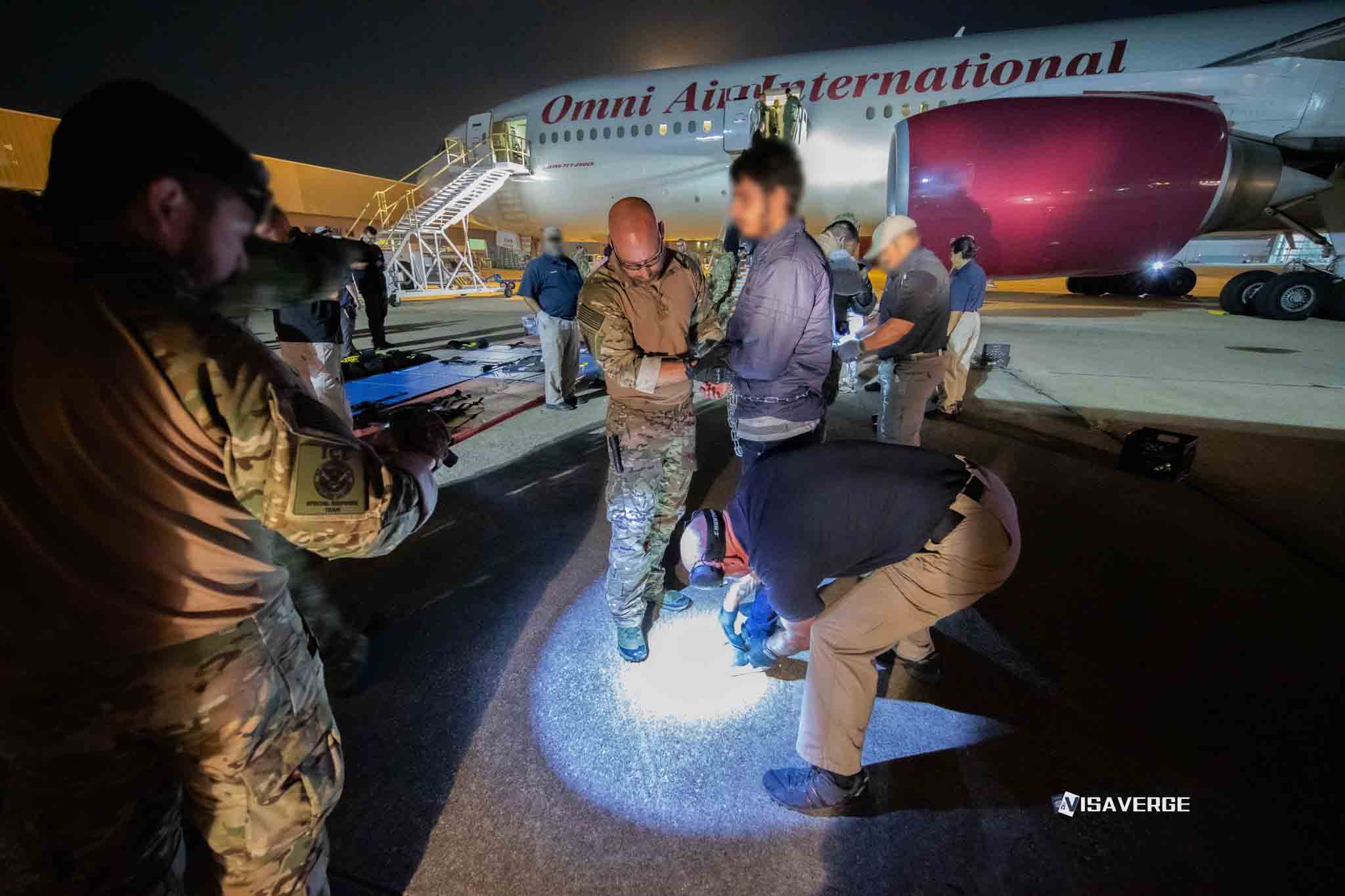
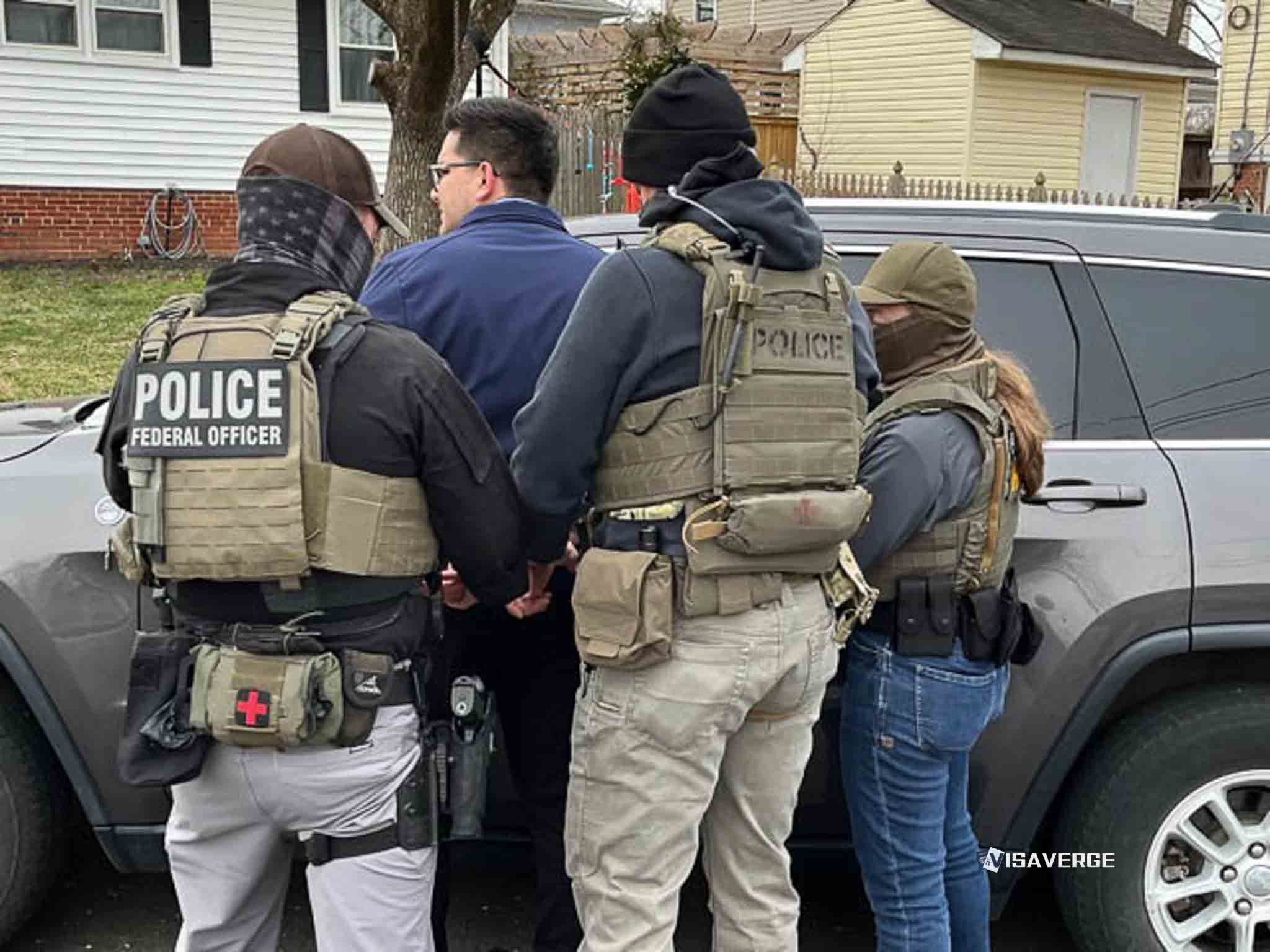
U.S. Immigration and Customs Enforcement arrested 1,328 people from August 1 through August 14 in Virginia, Maryland and Washington, D.C., the Department of Homeland Security said after a two-week regional operation.
DHS called the enforcement effort Operation Safe Community – Washington, D.C.. Officers worked primarily in the two states, with some activity in the capital.
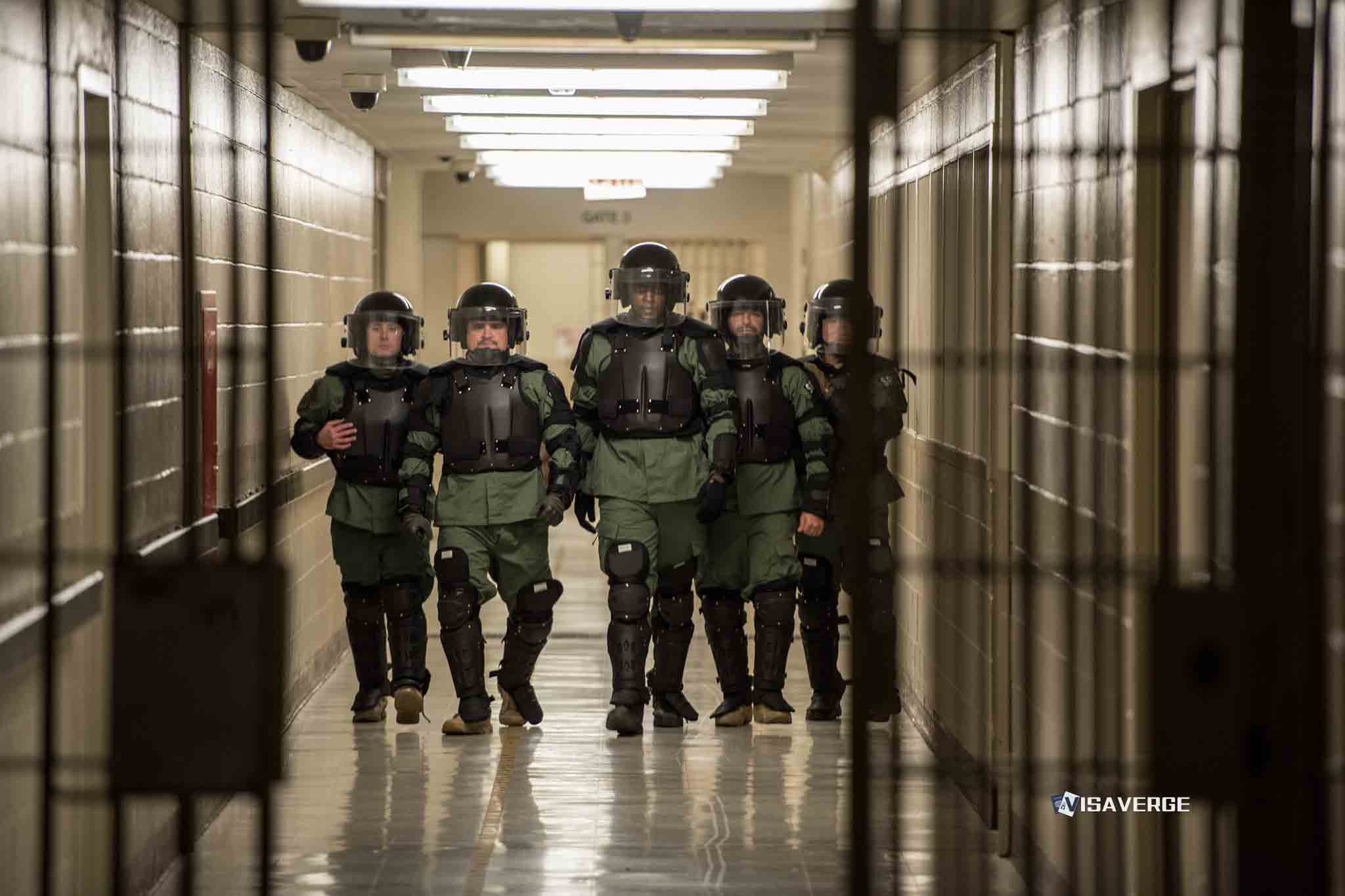
The department announced the results on August 24, 2026. It said almost 400 of those arrested had either been convicted or charged with crimes in the United States.
The arrests also included people linked by DHS to MS-13, the 18th Street Gang and Tren de Aragua. The agency presented those links alongside its account of criminal histories among people taken into custody.
DHS said the operation covered people with histories involving sexual battery, kidnapping, driving while intoxicated and hit-and-run. Its account also cited identity theft, robbery, murder, attempted murder and rape.
Those descriptions span several types of criminal records and allegations. The department did not provide a single status for every person included in the overall arrest figure.
Federal officials cited gang links and varied criminal histories
The criminal-history categories listed by DHS ranged from traffic-related offenses to violent crimes. They included driving while intoxicated and hit-and-run, as well as identity theft and robbery.
The department also cited sexual battery and kidnapping. Its list included murder, attempted murder and rape.
DHS separately said almost 400 people had either charges or convictions in the United States. That figure applied to the broader group arrested during the operation.
The agency’s announcement associated some arrests with transnational gangs. It named the 18th Street Gang alongside the two other groups.
The descriptions did not establish that every person arrested had a conviction. DHS used both criminal-history language and references to charges in describing the group.
DHS highlighted arrests in Hyattsville and Manassas
One case identified by the department involved Mauricio Antonio Barrera-Navidad, whom DHS described as an alleged MS-13 member arrested in Hyattsville, Maryland.
DHS also highlighted a man arrested in Manassas. The department described him as a gang member with prior convictions for driving while intoxicated, driving on a suspended license and illegal re-entry.
The Manassas case included three specific prior convictions. The material identifies the person by location and alleged affiliation, but not by name.
Another person highlighted in the announcement had a warrant for murder. The research describes that individual as one of nine named people DHS identified in connection with the operation.
The named cases gave the department’s announcement specific locations and examples. Hyattsville and Manassas were both in Maryland or Virginia, the two states at the center of the enforcement effort.
The allegations and records attached to individual cases remain distinct from the overall arrest count. DHS described Barrera-Navidad as an alleged gang member, while it identified the Manassas man as having prior convictions for the listed offenses.
Mullin used the arrests to attack sanctuary policies
Secretary of Homeland Security Markwayne Mullin criticized sanctuary policies in Virginia and Maryland after DHS announced the results.
Mullin said those policies put Americans at risk. He also claimed they elevate the needs of unauthorized immigrants above the safety of Americans.
“These reckless sanctuary policies are putting American lives at risk.”
The statement framed the operation as evidence that federal immigration enforcement proceeded despite local policies. DHS said some counties in Maryland and Virginia maintain sanctuary policies.
The criticism focused on cooperation and enforcement policy rather than changing the reported dates or geographic scope. The operation ran during the first half of August.
The two-week operation covered the Washington region
| Detail | Reported information |
|---|---|
| Enforcement period | August 1 through August 14, 2026 |
| States identified | Virginia and Maryland |
| Federal district activity | Washington, D.C. |
| Arrests reported | 1,328 |
| DHS announcement | August 24, 2026 |
DHS described the effort as a Washington-area operation extending across state and federal jurisdictions. The reported activity was not limited to one county or one city.
The announcement followed the operation’s August 14 end date by 10 days. It identified ICE as the agency responsible for the arrests and attributed the totals and criminal-history descriptions to DHS.
The department’s account also included people with no gang connection identified in the material. Its cited records and allegations covered a wide range of conduct.
The agency said arrests continued despite local policies
DHS said ICE made arrests despite sanctuary policies in some Maryland and Virginia counties. Mullin’s comments placed that dispute at the center of the department’s public presentation of the operation.
The federal agency did not describe those local policies as limiting the operation’s reported reach. It said enforcement continued across the region from August 1 through August 14, 2026.
This article provides general information and is not legal advice. Consult a qualified immigration attorney about your specific case.