- ICE arrested 238 people in the Rio Grande Valley on June 18, setting a Harlingen division record.
- Officials said the targeted arrests focused on people with prior criminal convictions involving violence, drugs and illegal reentry.
- Detainees were processed for removal and transferred to facilities, while Texas enforcement shifted toward community arrests in 2026.
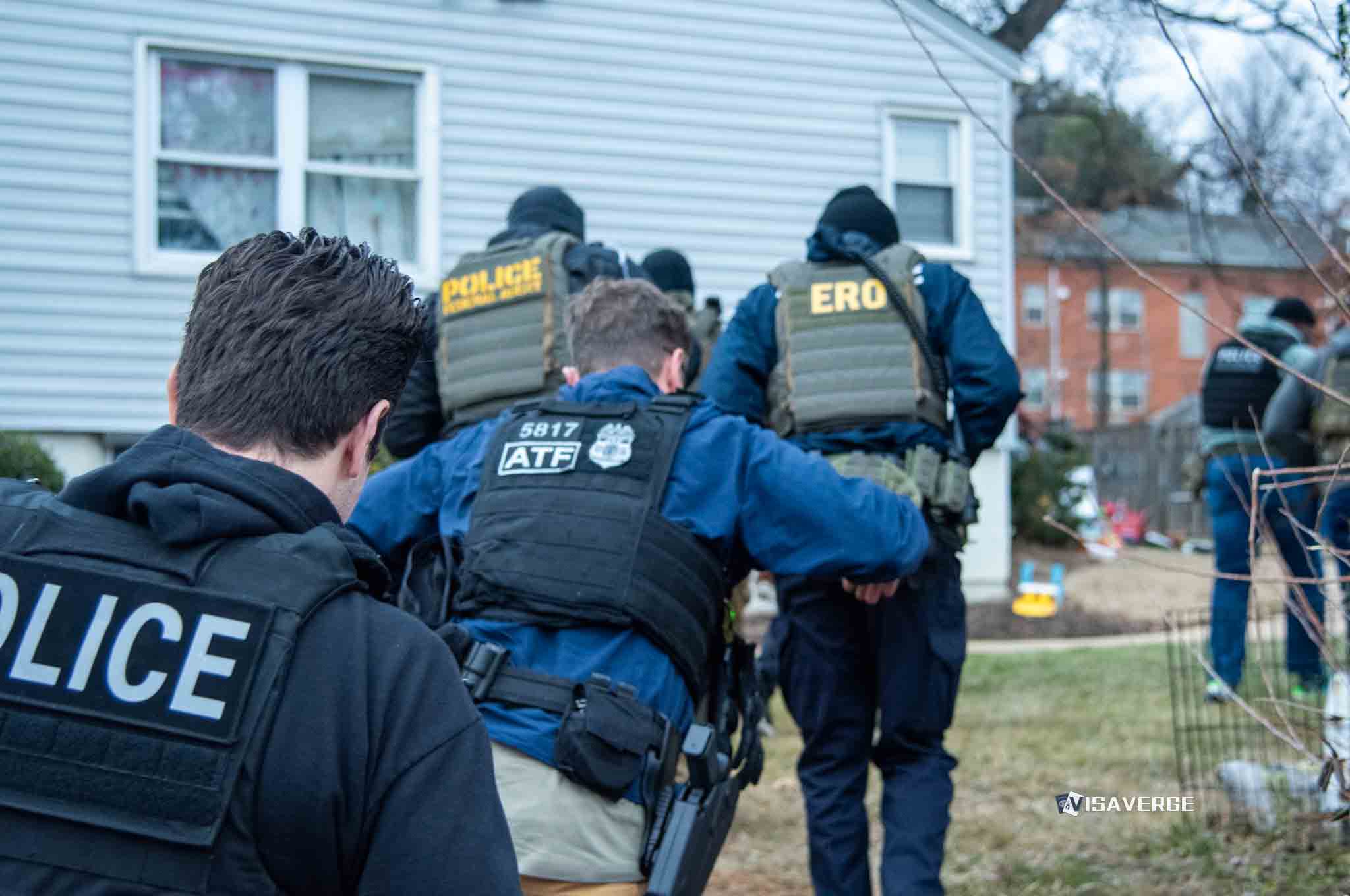
U.S. Immigration and Customs Enforcement (ICE) arrested 238 people on June 18, 2026, in the Rio Grande Valley, breaking the single-day targeted arrest record for the Harlingen division. The agency officially announced the total on July 14, 2026.
The operation covered the Harlingen field office area of operations and involved federal, state and local law enforcement agencies. Officers focused on people with prior criminal convictions.
Free toolUSCIS Receipt Number Decoder
The total marked the largest one-day enforcement action recorded by the Enforcement and Removal Operations division in Harlingen. Officials described the arrests as a targeted effort involving people considered to present the greatest risk to national security, public safety or border security.
The operation centered on public safety, Harlingen Field Office Director Juan Agudelo said.
"The ICE mission continues to focus on enhancing public safety and restoring integrity to our nation’s immigration system. We will stop at nothing to keep our American communities safe by removing one criminal illegal alien at a time."
The statement appeared in the agency’s July 14 announcement. The Department of Homeland Security issued related news releases the same day.
The arrests included people with convictions for violence, drugs and illegal reentry
Officials identified Manuel Morales-Geronimo, a Mexican national and alleged member of the Paisas gang, among those arrested. His convictions included assault causing bodily injury, possession of controlled substances, driving while intoxicated and three counts of illegal reentry.
Jose Alfredo Castillo-Mendoza, also a Mexican national, had prior convictions for attempted kidnapping, sexual battery and illegal reentry. Other arrestees had convictions for drug trafficking, unlawfully carrying a weapon, hit-and-run and multiple counts of illegal entry or reentry.
The agency’s account connected the record total to criminal histories. It did not describe the operation as a general sweep of the region.
Some people arrested in the operation face federal criminal charges for illegal reentry. Those charges can carry significant prison sentences before a person becomes eligible for removal.
Arrests moved into removal and detention proceedings
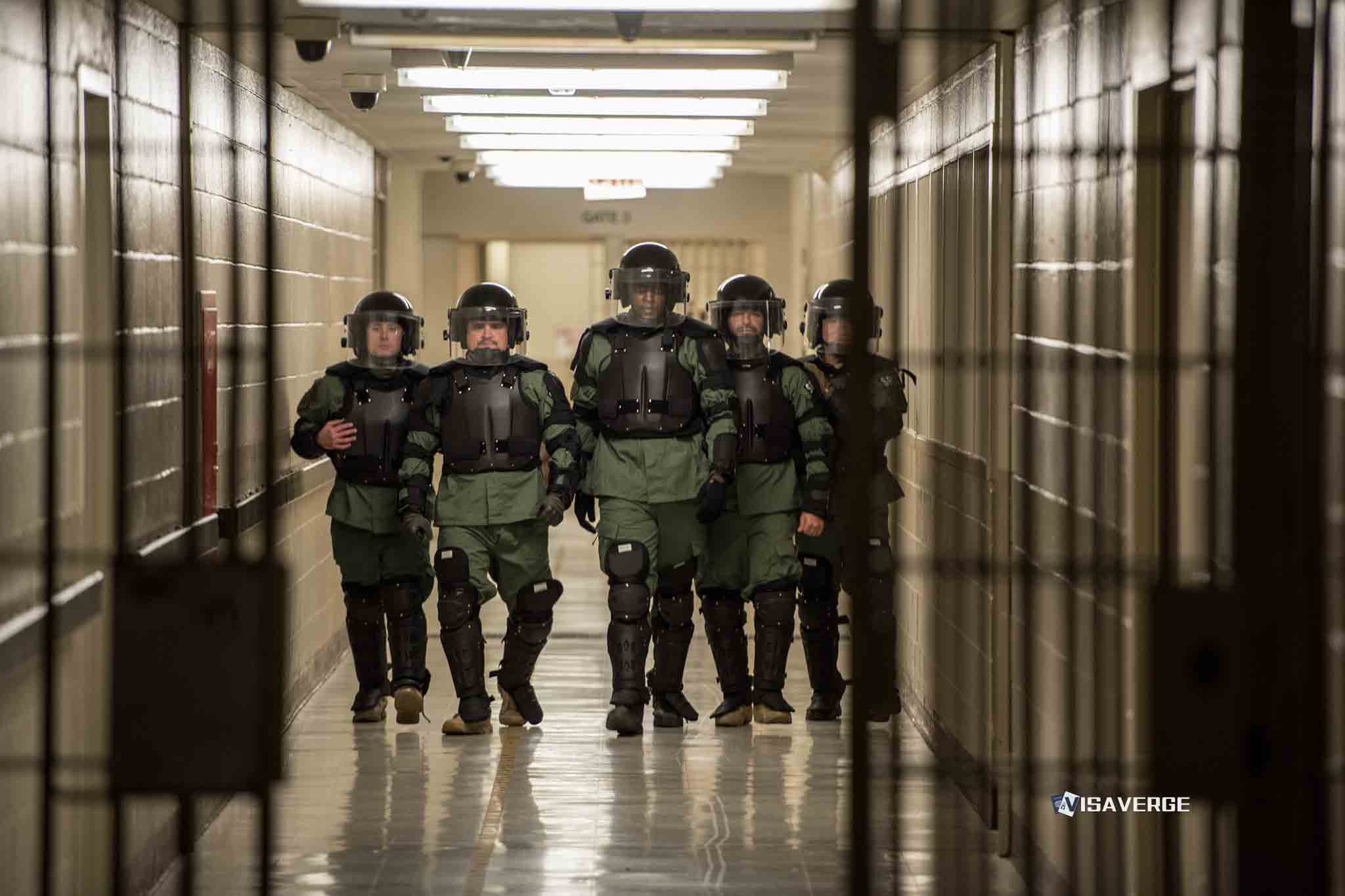
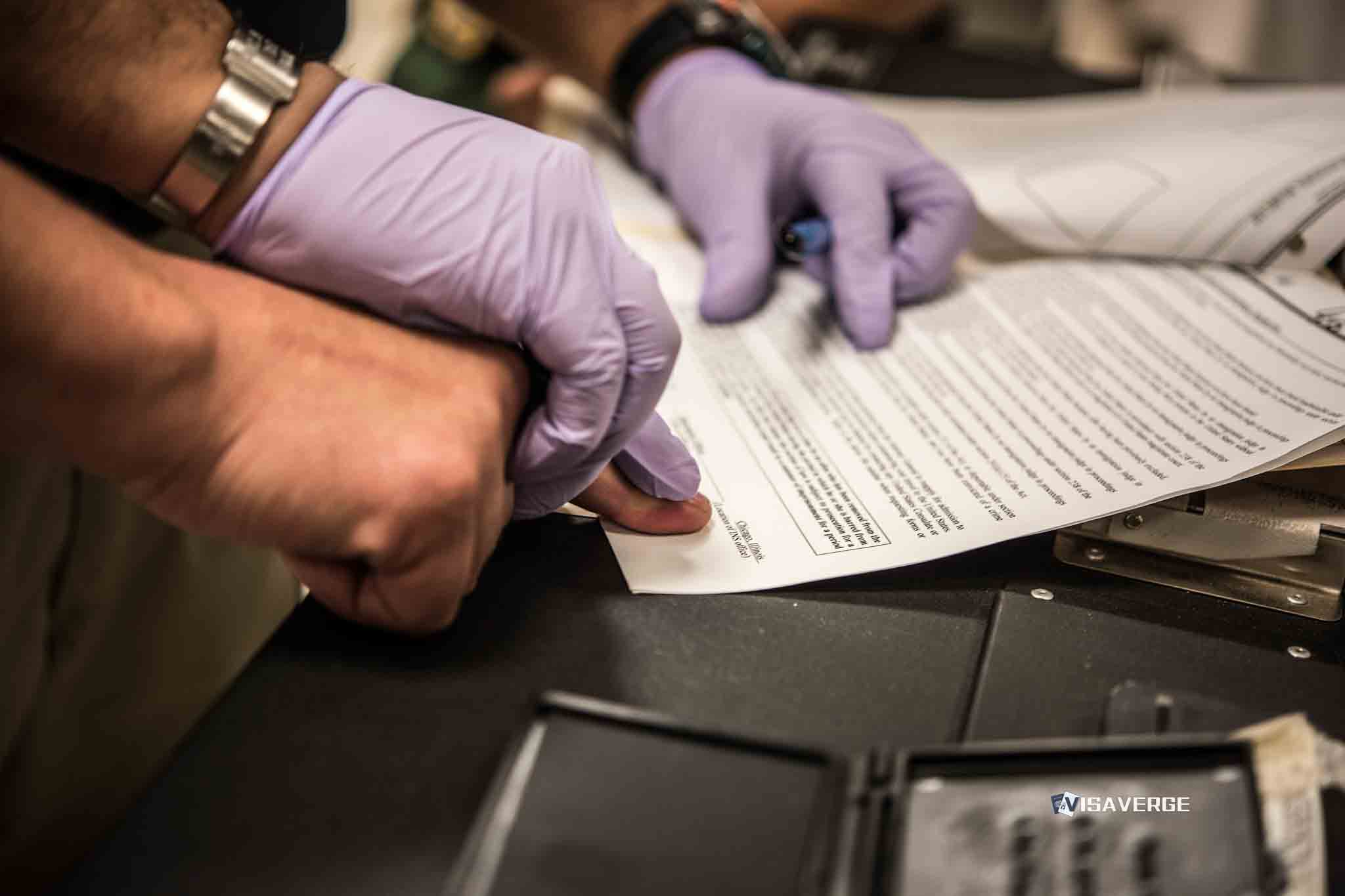
After the arrests, officials processed people for removal and transferred them to various detention facilities. Reports identified Camp East Montana among the facilities receiving detainees.
Removal does not necessarily happen immediately. A criminal case for illegal reentry may proceed before immigration authorities complete the removal process.
The operation took place as enforcement in Texas increasingly shifted beyond transfers from local jails. Data from the first half of 2026 indicated a move toward “at-large” community arrests, including arrests on streets and at homes.
That approach puts officers in more direct contact with residents. Houston reportedly recorded four times as many community arrests as in previous years.
Community arrests are expanding beyond jail transfers
Immigration advocates said operations of this scale create concern across the Rio Grande Valley, even when officers target people with criminal convictions. Families can be affected, and advocates have raised concerns about trust in local law enforcement.
The Harlingen operation also showed the role of joint enforcement. Federal, state and local agencies participated across the field office’s area of operations.
The record announcement came during intensified enforcement under the second Trump administration. On July 15, 2026, President Trump defended immigration enforcement traffic stops in a Truth Social post, calling them “one of ICE's most important and effective crime-fighting tools.”
The wider South Texas enforcement push has faced scrutiny after a fatal ICE shooting in Houston in early July 2026. Some local leaders responded by calling for a 90-day moratorium on street-level enforcement.
The agency’s July 14 announcement placed the Harlingen arrests within that broader enforcement period while emphasizing the operation’s focus on people with prior convictions. Enforcement and Removal Operations maintains records through its official statistics dashboard.