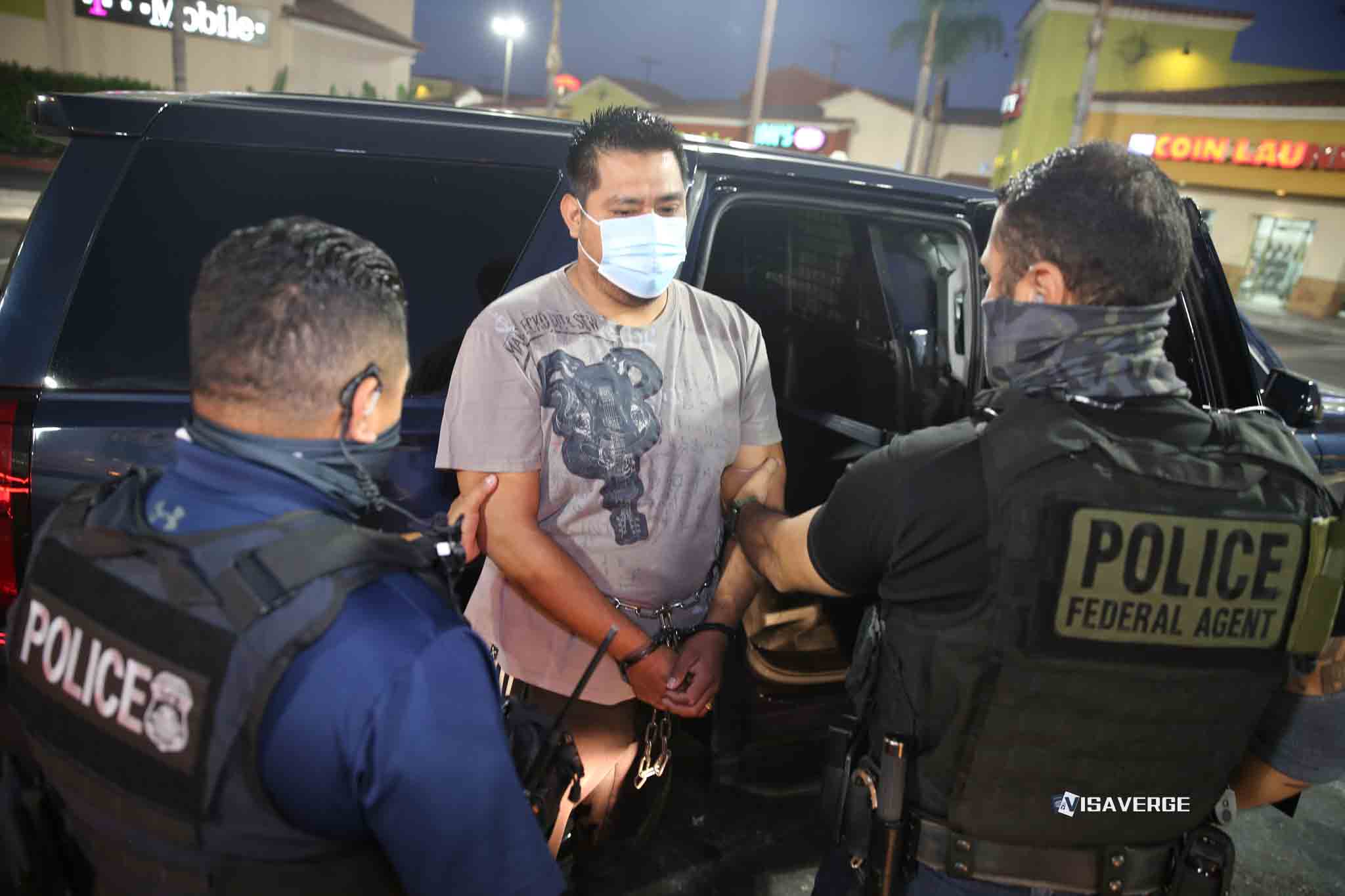
- ICE arrested 10,000 people within five days in late June under new enforcement powers.
- The Secure America Act provided 350 million dollars to fund surges in sanctuary jurisdictions.
- Operations now include collateral arrests of individuals present without status during targeted actions.
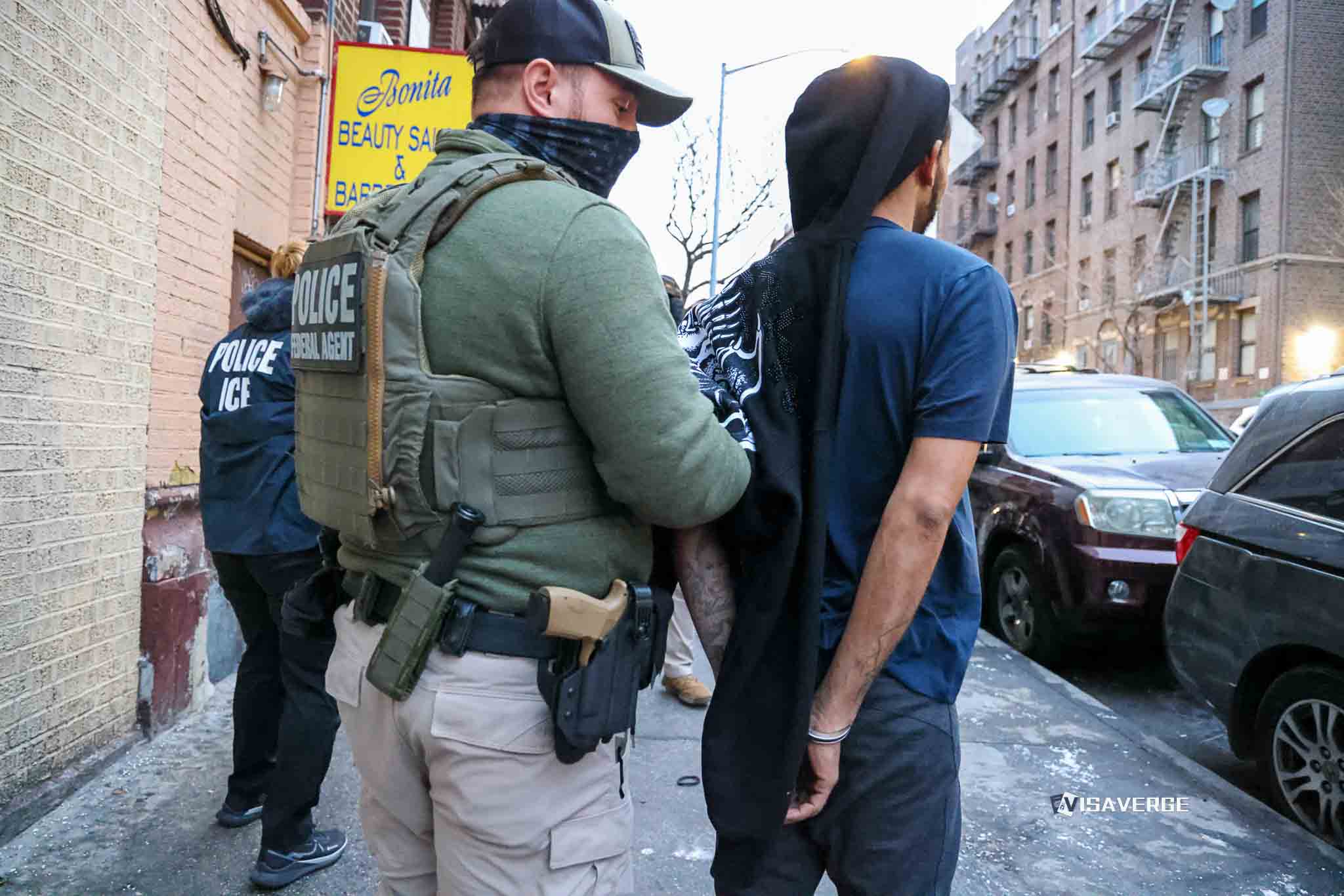
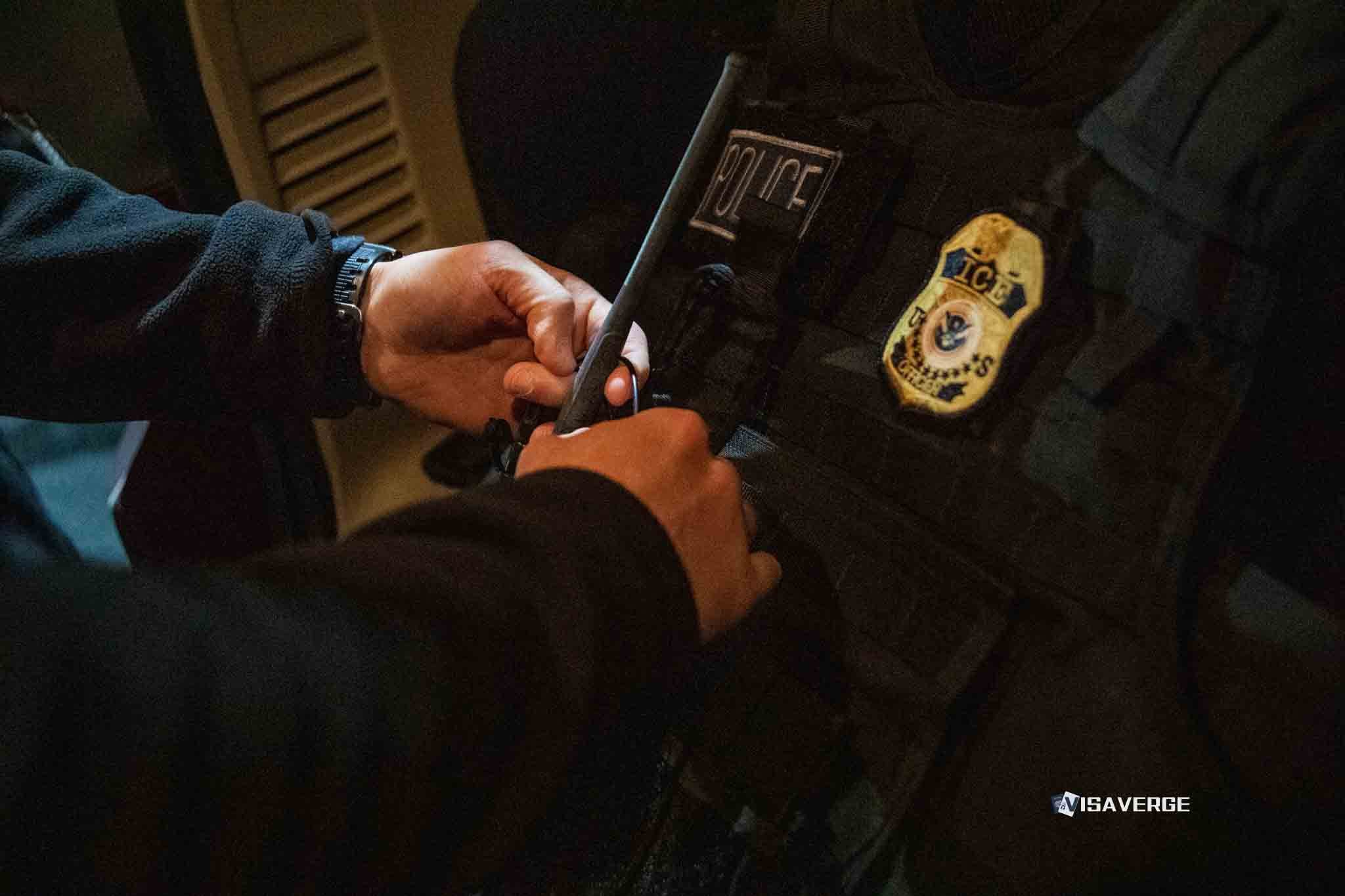
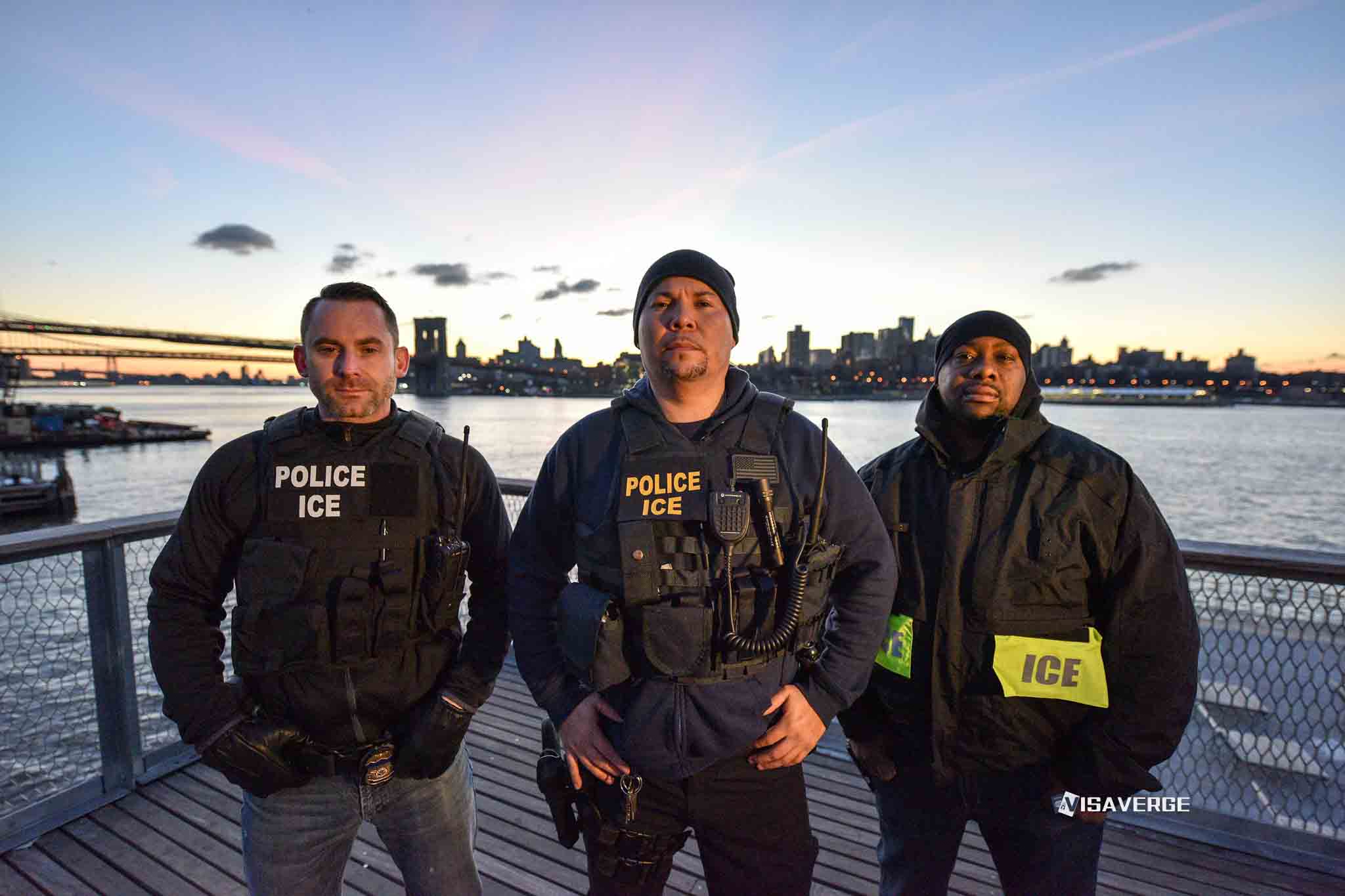
(UNITED STATES) — ICE detained more than 10,000 people in five days in late June, according to Department of Homeland Security statements and internal agency communications described by major news outlets, marking one of the sharpest recent increases in interior immigration arrests and a major test of the expanded enforcement powers funded by the Secure America Act.
The legal significance reaches beyond the raw arrest count. Civil immigration arrests typically begin a process under INA § 236, which governs detention pending removal proceedings, or after reinstatement, expedited procedures, or execution of a prior removal order, depending on the person’s record.

A large surge in arrests can strain access to counsel, bond hearings, file review, and notice procedures in Immigration Court, which operates under the Executive Office for Immigration Review, not USCIS.
Free toolUSCIS Receipt Number DecoderDHS Secretary Markwayne Mullin said in a June 24, 2026, news release that ICE had arrested more than 10,000 gang members. That statement does not establish that all of the more than 10,000 people arrested during the late June five-day surge were gang members.
ICE and DHS have publicized the broader enforcement numbers, while the agency’s Enforcement and Removal Operations statistics dashboard remains the official place to watch for updated detention and arrest totals.
| India | China | ROW | |
|---|---|---|---|
| EB-1 | Feb 01, 2023 ▲109d | Jul 01, 2023 | Current |
| EB-2 | Nov 01, 2013 | Oct 01, 2021 ▲30d | Jan 01, 2025 |
| EB-3 | Jan 01, 2014 | Jan 08, 2022 ▲7d | May 15, 2024 ▼109d |
| F-1 | Jan 22, 2020 | Jan 22, 2020 | Jan 22, 2020 |
| F-2A | Sep 22, 2026 ▲31d | Sep 22, 2026 ▲31d | Sep 22, 2026 ▲31d |
The acceleration followed the signing of the Secure America Act on June 10, 2026. ICE said the law provided $350 million for enforcement in sanctuary jurisdictions and supported a major personnel increase.
The agency also described a workforce jump from roughly 10,000 officers and agents to about 22,000, a 120% increase in roughly four months. Congress may fund enforcement priorities, but arrests, detention, bond, and removal still remain governed by the INA, federal regulations, and constitutional due process limits.
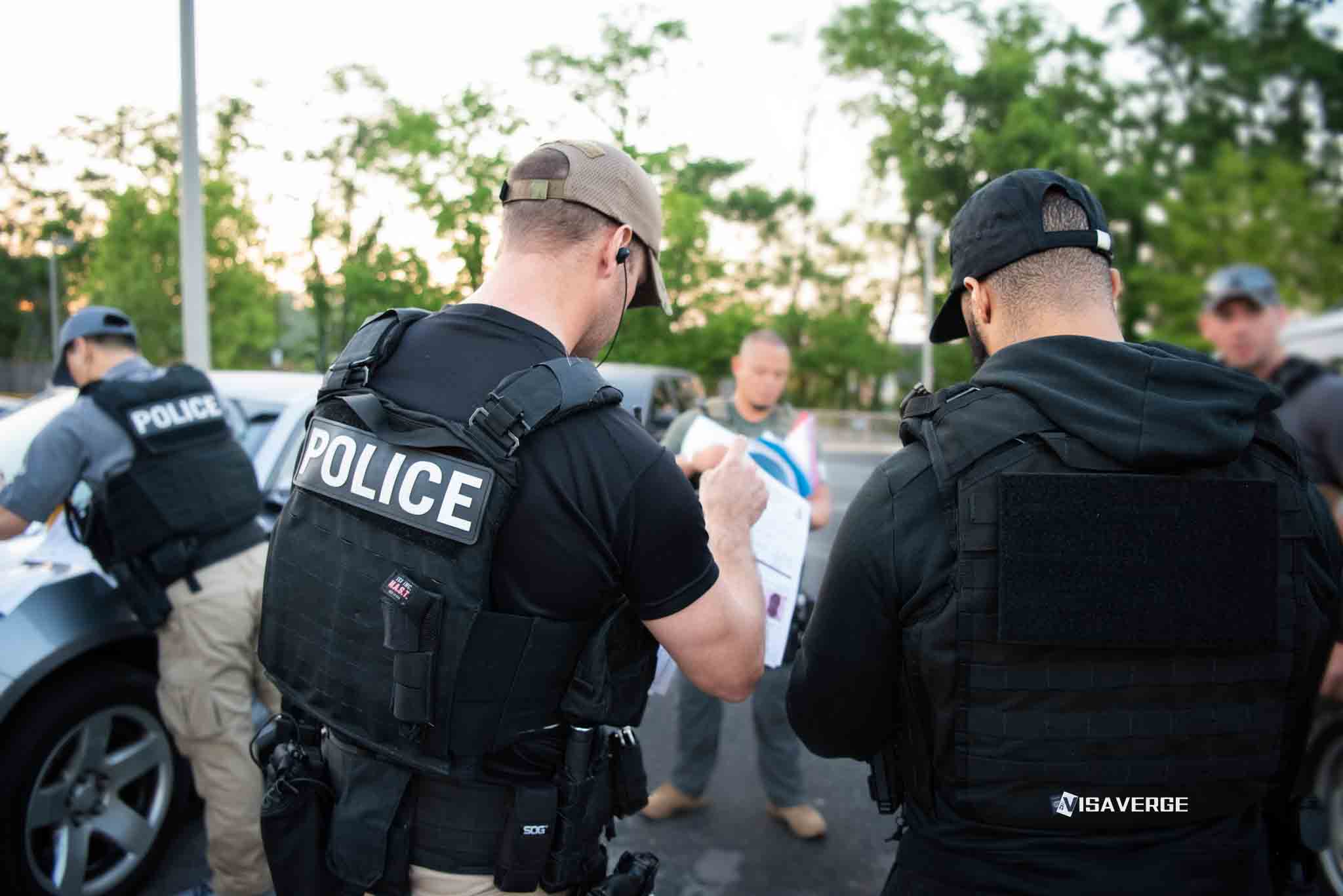
Internal directives described in reporting show how the operation was built. Field offices were told to place about 80% of officers on active arrest operations, work seven-day weeks, and pursue a pace of roughly 2,000 arrests per day.
That is about double earlier daily rates. A higher arrest tempo usually means more transfers between field offices and detention facilities, which can complicate attorney access and family contact in the first days after arrest.
The surge also appears to reflect a broad enforcement theory, not a narrow one. Current policy allows collateral arrests of other noncitizens who are allegedly present without lawful status and encountered during targeted operations.
In practice, that may include people with no serious criminal history who happen to be at a worksite, residence, vehicle stop, or community location during an arrest action. Whether a person is eligible for bond, release, asylum screening, cancellation of removal under INA § 240A, or other relief depends on the procedural posture of the case and the person’s immigration history.
Warning: A person taken into ICE custody may be transferred quickly. Family members should try to confirm the full legal name, A-number, country of birth, and the location of arrest as soon as possible.
Deadline: Immigration Court and custody deadlines move fast. Missed hearing notices or bond filings can have serious consequences, including an in absentia removal order under INA § 240(b)(5) in some cases.
One arrest drew unusual public attention. Sister Leticia Ugboaja, a Catholic nun, was arrested on June 28, 2026, in McAllen, Texas, while walking to Mass, according to public accounts cited by national and local outlets. Members of Congress from both parties, including Rep. Monica De La Cruz and Rep. Henry Cuellar, intervened, and she was released later that day.
The episode intensified scrutiny of arrests near sensitive community spaces. DHS has changed prior “protected areas” guidance over time, and the practical limits on arrests near churches, schools, and hospitals now depend heavily on current agency policy and officer discretion.
That shift has produced immediate effects in immigrant communities. Faith leaders and advocates have reported lower attendance at in-person services, reluctance to appear at public events, and fear that any encounter with officers can lead to detention.
People with pending Immigration Court cases or prior final orders face especially high risk. People who entered recently, those with prior removal orders, and those with certain criminal convictions may face forms of detention and processing that move faster and offer fewer options for release.
Public records remain uneven. DHS and ICE news releases provide topline numbers and policy statements, while the ICE ERO Statistics Dashboard provides agency data on arrests, detention, and removals.
Individuals trying to verify custody status may also need the ICE Online Detainee Locator or direct contact with the local field office. Court hearing information may be available through EOIR’s automated system at EOIR, although updates are not always immediate.
Anyone affected by the current enforcement push should act quickly and carefully. Keep copies of immigration filings, hearing notices, and identity documents in one place. If a family member is detained, locate the person first, then seek case records and speak with a qualified removal defense attorney before signing anything.
Voluntary departure, stipulated removal, reinstatement, and bond decisions carry different legal consequences. People with prior orders, criminal records, asylum claims, or pending petitions often need urgent legal review because circuit law and detention rules may vary by jurisdiction.
Resources: AILA Lawyer Referral | Immigration Advocates Network | USCIS | EOIR