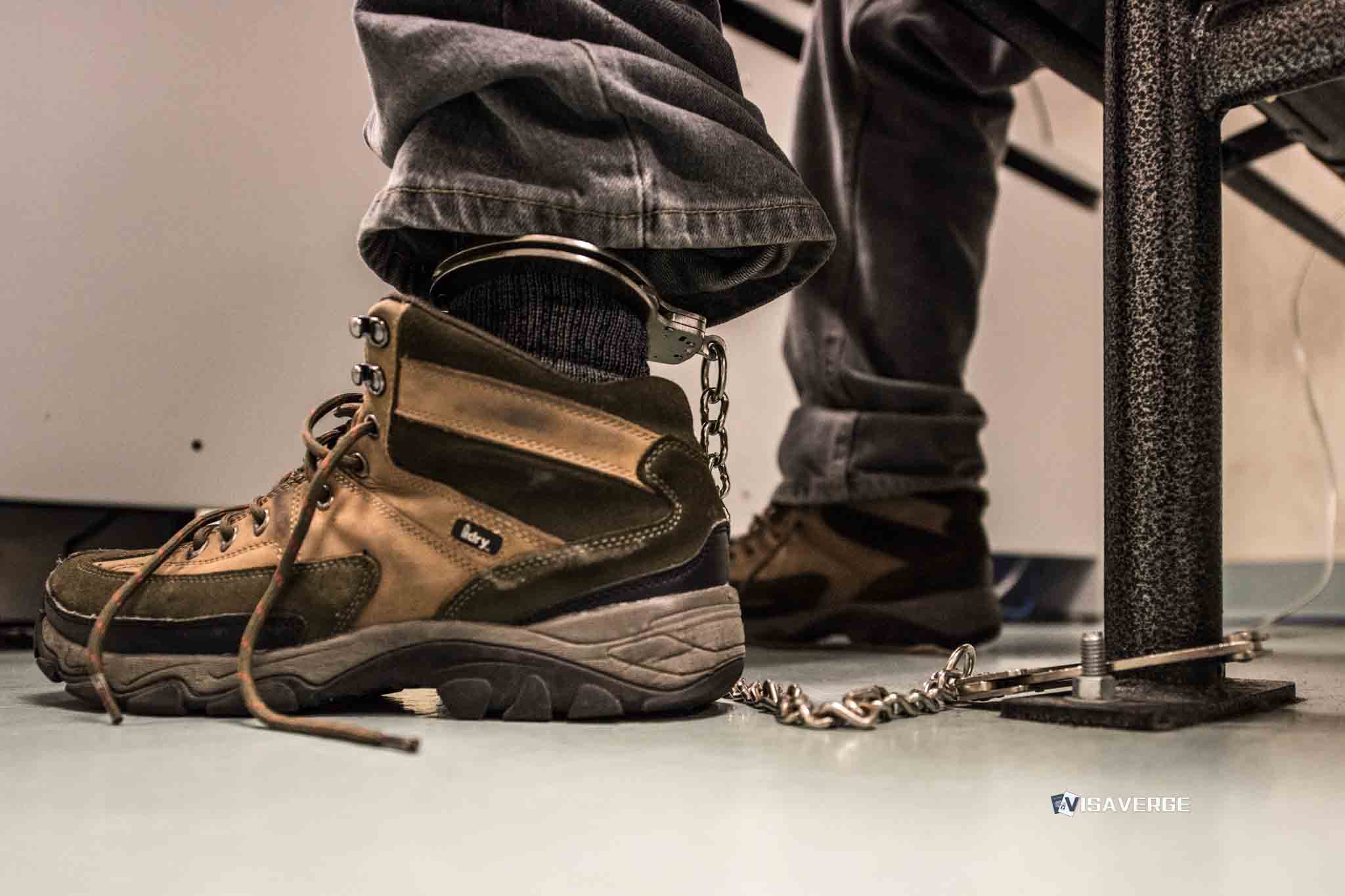
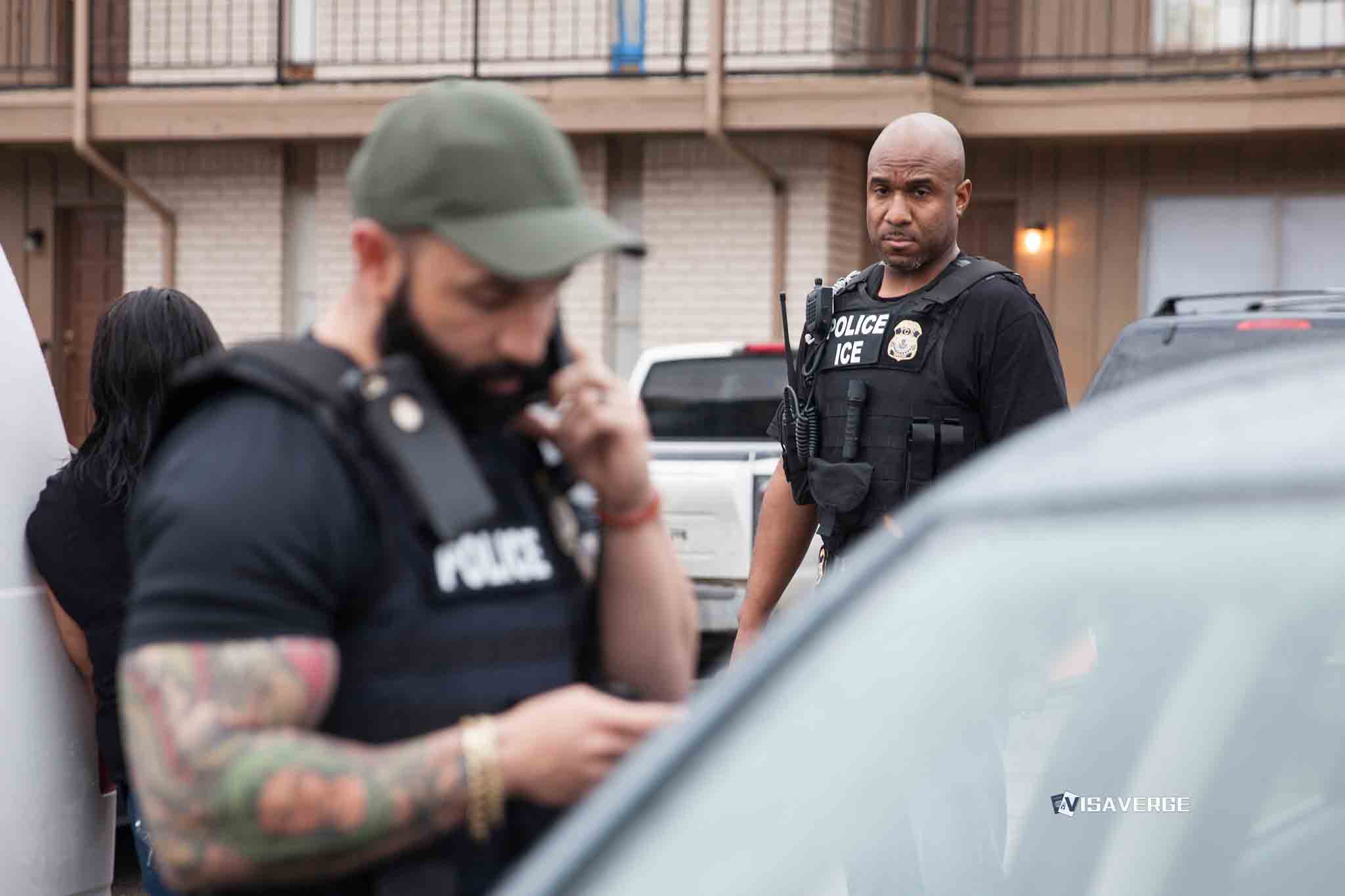
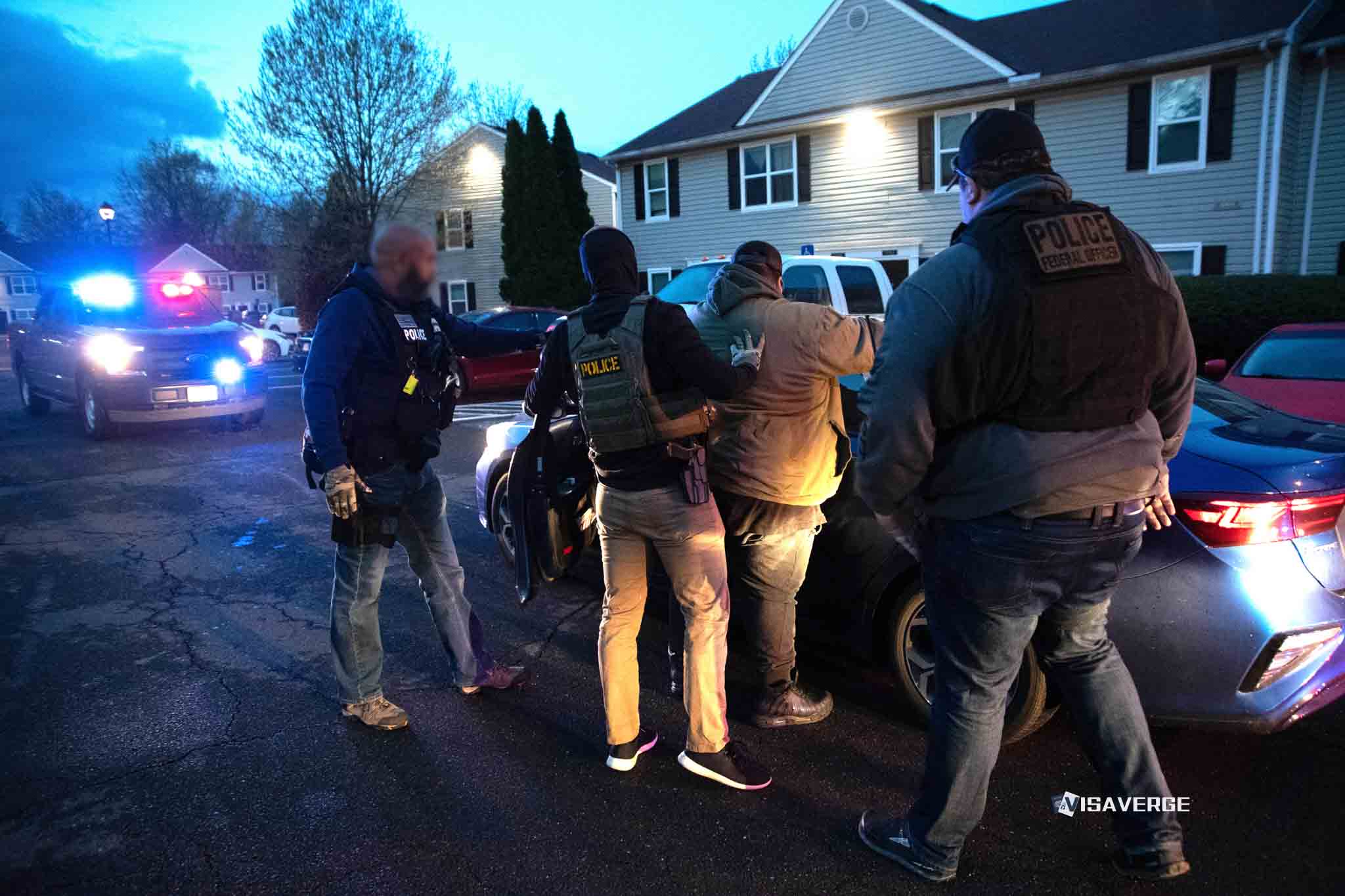
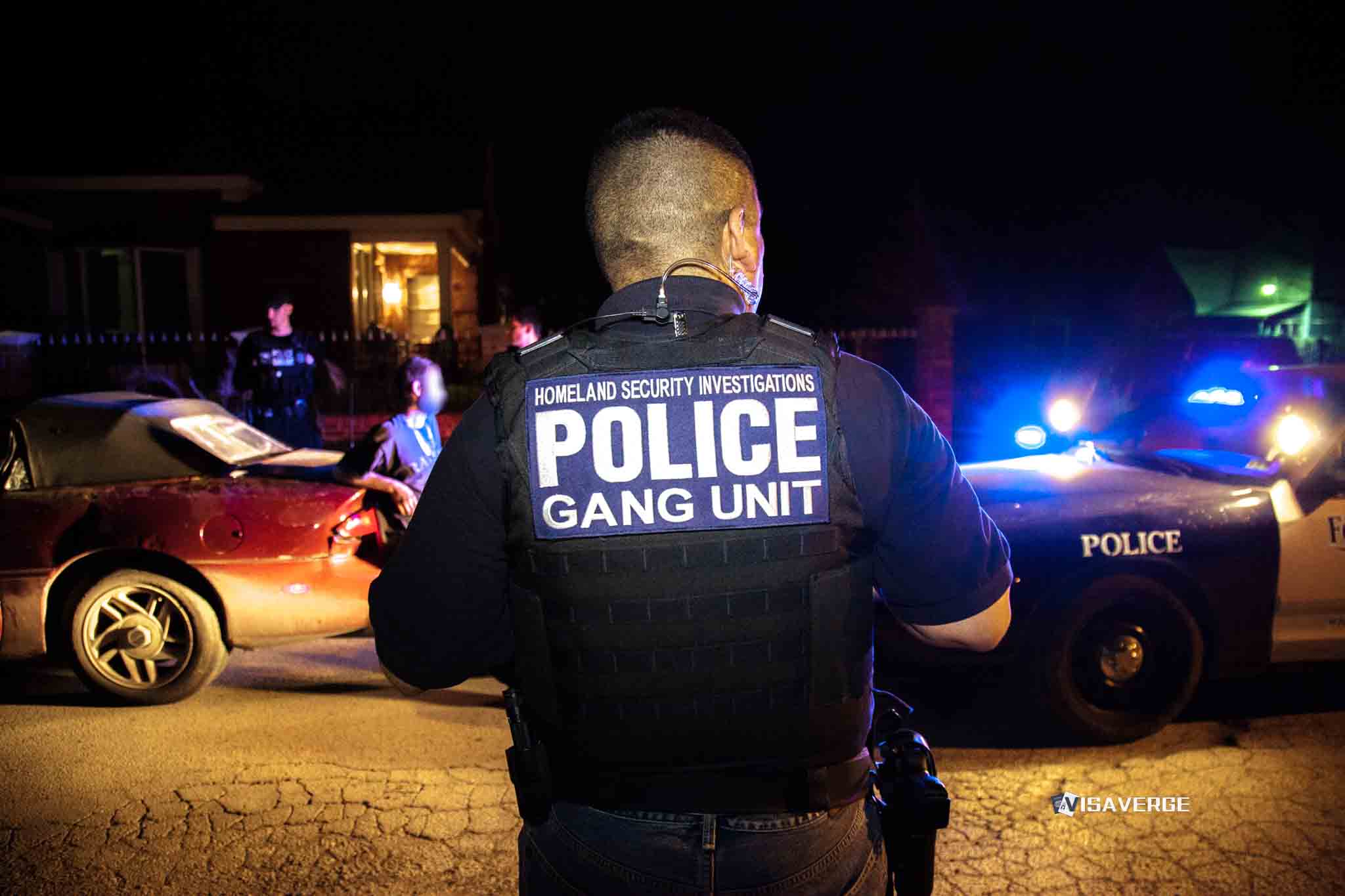
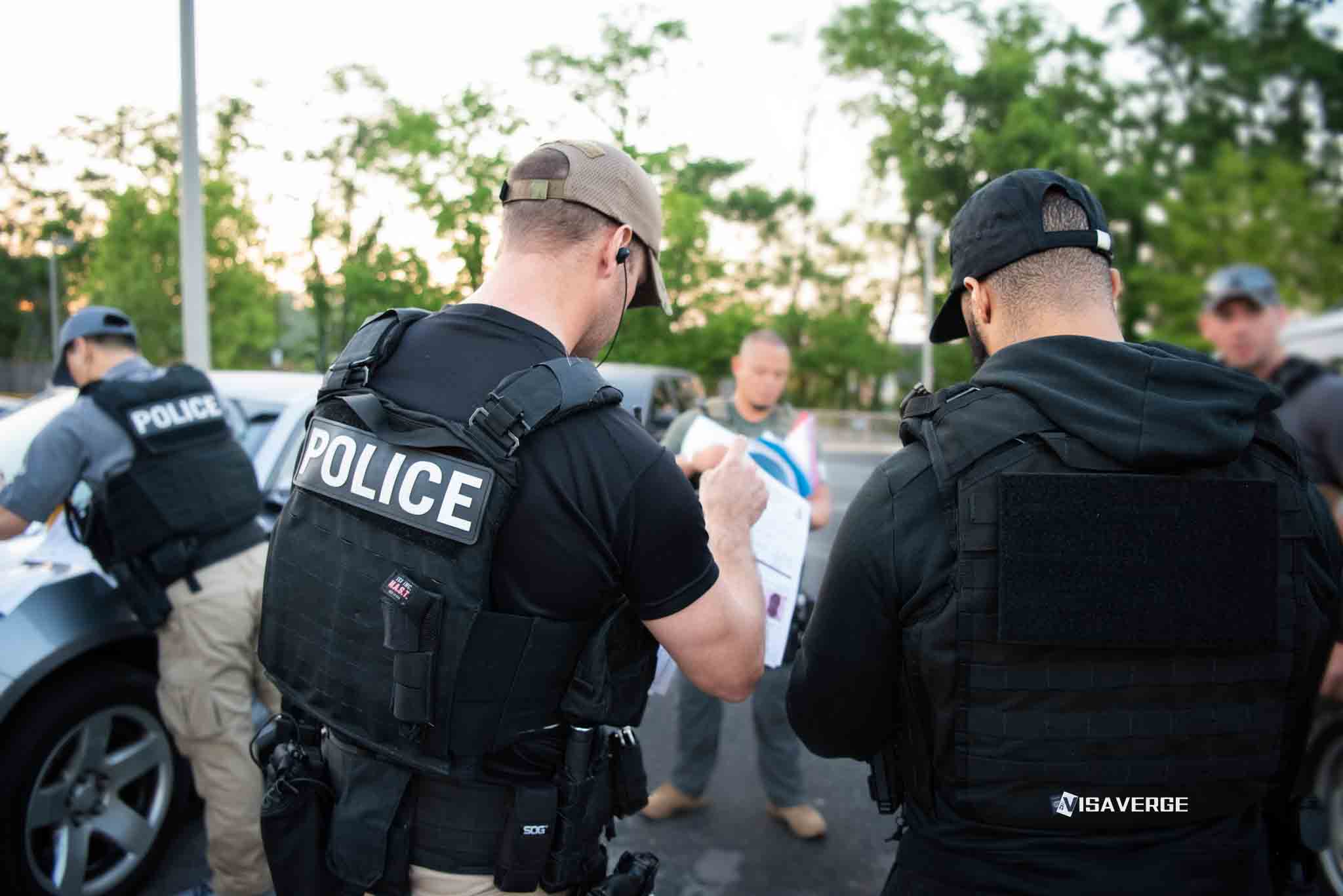
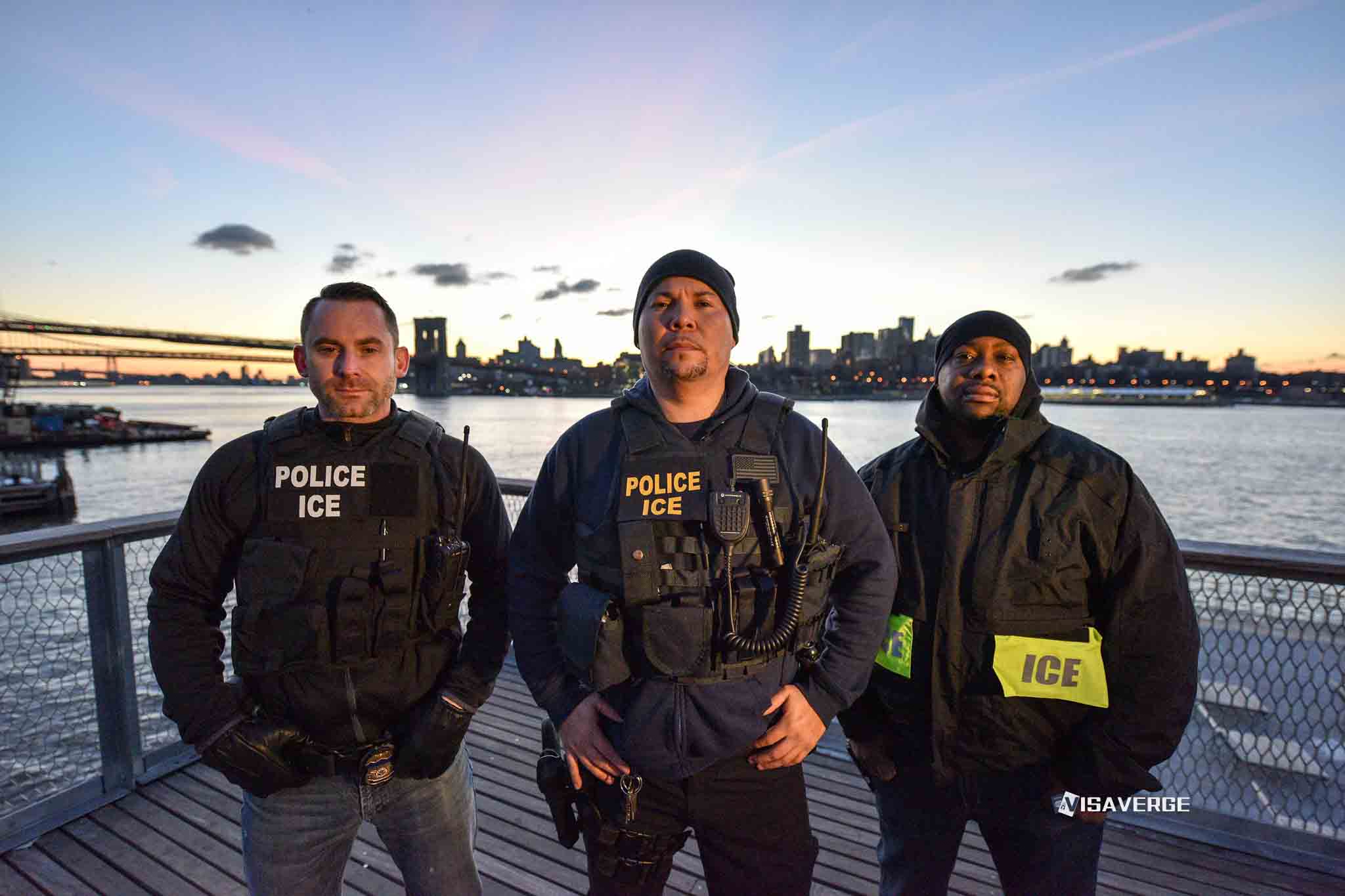
- ICE is on track to set a second consecutive monthly record with over 50,000 arrests projected for July 2026.
- A record-breaking $165 billion in funding is doubling the ICE workforce and expanding detention capacity to 80,000 beds.
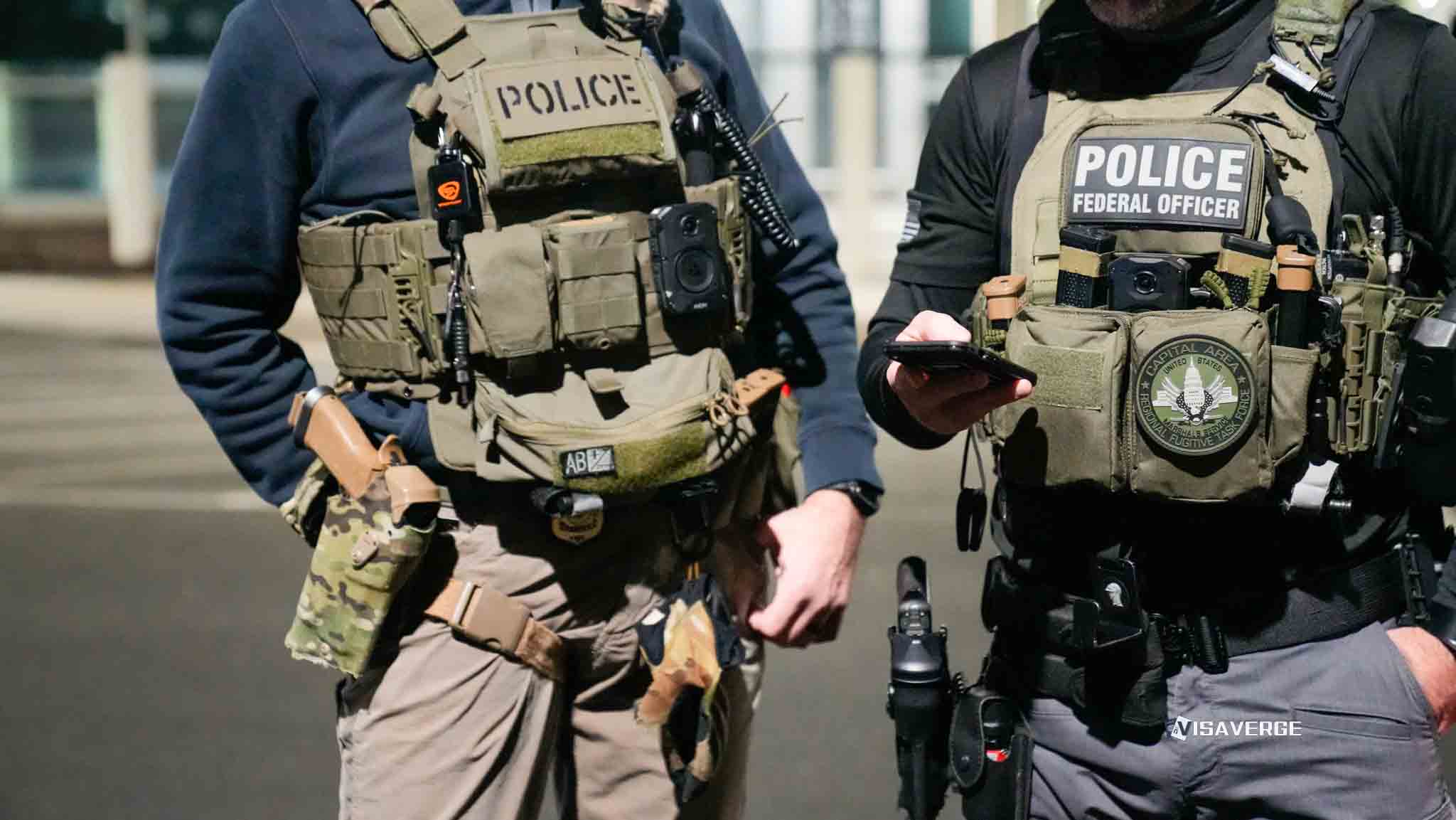
- New body camera mandates for vehicle stops have been implemented following two fatal shootings by ICE agents earlier this month.
White House border czar Tom Homan said U.S. Immigration and Customs Enforcement (ICE) is on pace to exceed its monthly arrest record for the second consecutive month, as expanded funding drives a broader interior enforcement push.
The agency booked 43,138 people into detention in June 2026, the highest monthly total in its 23-year history. During the first 11 days of July, arrests averaged 1,593 per day, putting the month on track to surpass 50,000 arrests.
Homan described the pace during a July 23 interview and credited the agency’s new resources with sustaining it.
“In June, we had the highest numbers of arrests in the history of the agency of ICE and July's tracking even beat that. So we're hitting all cylinders now. We’re deportation-maxxing. Since we’re fully funded, we just got to keep going.”
November 2026 Final Action Dates
India China ROW EB-1 Feb 01, 2023 Aug 01, 2023 ▲31d Current EB-2 Nov 01, 2013 Oct 01, 2021 Apr 01, 2025 ▲90d EB-3 Jan 22, 2014 ▲21d Jan 22, 2022 ▲14d Jun 15, 2024 ▲31d F-1 Jan 22, 2021 ▲366d Jan 22, 2021 ▲366d Jan 22, 2021 ▲366d F-2A Oct 22, 2026 ▲30d Oct 22, 2026 ▲30d Oct 22, 2026 ▲30d
The detention population is rising too. ICE held 65,765 people as of July 11, approaching the January record of 70,770.
Between October 1, 2025, and July 11, 2026, the agency deported 356,389 people, an average of 1,255 removals per day, according to ICE data.
New funding is adding agents, beds and border infrastructure
The enforcement expansion follows the full implementation of the One Big Beautiful Bill Act, signed July 4, 2025. The reconciliation law allocated $165 billion to the Department of Homeland Security.
Its provisions include funding for 12,000 new ICE agents, which would double the workforce to 22,000. The law also provides for 80,000 new detention beds and $46.5 billion to complete the border wall.
Homan said the new funding has allowed the department to move beyond large raids and sustain daily arrests. The administration’s 2025 operations included Operation Metro Surge, while the current approach relies more heavily on “at-large” enforcement across the interior.
The pace has also brought a sharper focus on who is being detained. Although the Department of Homeland Security has promoted its “Worst of the Worst” campaign, TRAC data from July 11 showed that 70.6% of current detainees, or 46,436 people, had no criminal convictions.
DHS officials pair record arrests with a warning to leave
DHS Secretary Markwayne Mullin said July 21 that the department was increasing enforcement in communities. He also described denaturalization and removal as tools against people accused of fraud.
“We’re turning up the heat on the streets. We’re out there working harder than we ever have. DHS is committed to ensuring we denaturalize and remove these fraudsters with every tool at our disposal.”
Lauren Bis, the assistant secretary for public affairs, issued a similar warning July 22 during a “Worst of the Worst” press release.
“Under President Trump and Secretary Mullin, we are finding, arresting, and REMOVING illegal aliens from our country. If you are here illegally, our message is clear: LEAVE NOW OR FACE THE CONSEQUENCES.”
The administration has increased surveillance and arrests in sanctuary jurisdictions. Homan has vowed to “flood” New York and Los Angeles with agents, seeking to work around local non-cooperation laws.
Body-camera rules follow two fatal July shootings
Homan announced July 19 that ICE officers must wear at least one body camera during vehicle stops. The directive followed two fatal shootings by ICE agents in Maine and Houston earlier in July.
He said the cameras should provide a direct record of an officer’s view during an encounter.
“I want the American people to see what the officers saw when they took that action.”
The deaths of Lorenzo Salgado Araujo in Texas and Johan Sebastián Durán Guerrero in Maine prompted protests and calls for congressional investigations. The material identifies the shootings by different locations than the states listed for the two deaths.
The new requirement applies specifically to vehicle stops. It comes as the agency moves toward higher-volume enforcement rather than concentrating activity in occasional raids.
Court challenges continue alongside the enforcement push
Several administration policies face litigation. Federal judges in Massachusetts and the District of Columbia have issued stays involving policies that include changes to Temporary Protected Status-based employment authorization.
Secretary Kristi Noem recently terminated TPS for Haiti and Burma. Those decisions face a challenge in the D.C. District Court in Miot et al. v. Trump.
A separate case, Venezuelan Association of Massachusetts v. USCIS, No. 26-cv-13038-NMG, appeared in the District of Massachusetts court record on July 21, 2026.
The agency’s July figures will determine whether the record pace continues through the full month. Homan’s July 23 assessment already put the daily arrest average above the June level that produced ICE’s highest monthly total.