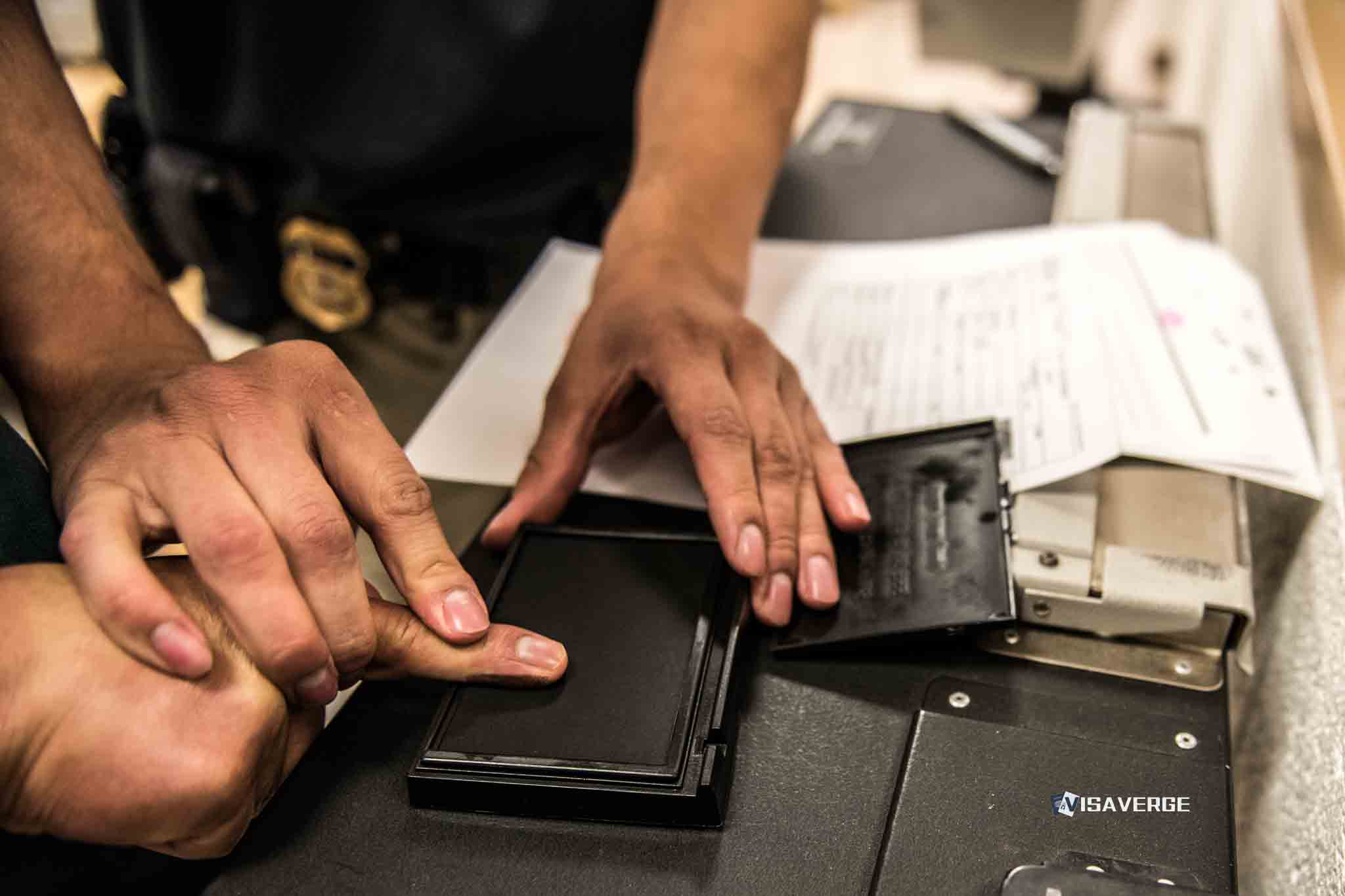
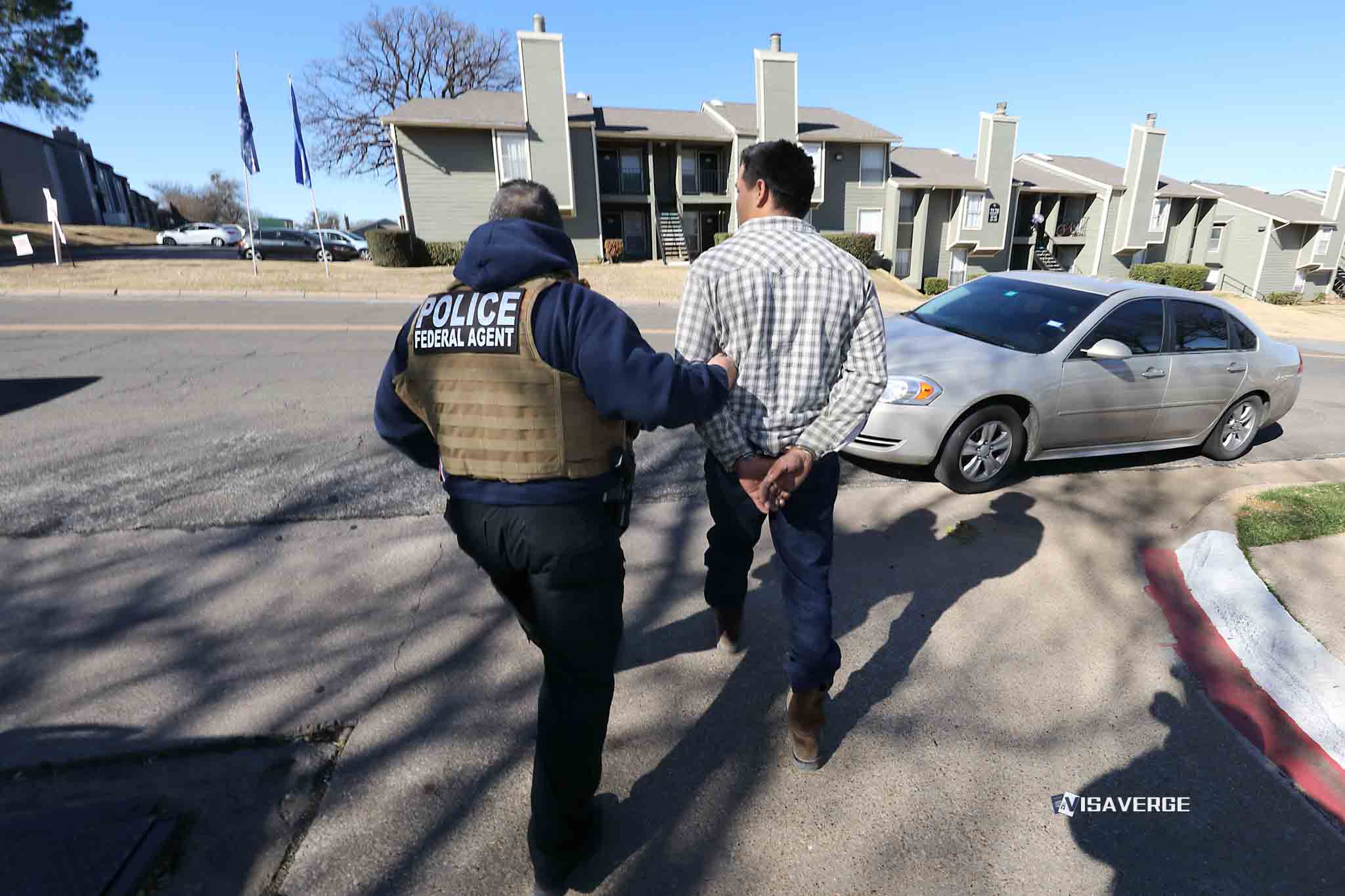
- ICE has launched targeted arrests and operations across East Idaho, significantly increasing enforcement staffing in 2026.
- Idaho’s local partnerships through 287(g) agreements have quadrupled, allowing local officers to perform federal immigration duties.
- A federal budget of $70 billion is funding a national workforce expansion and increased daily arrest rates.
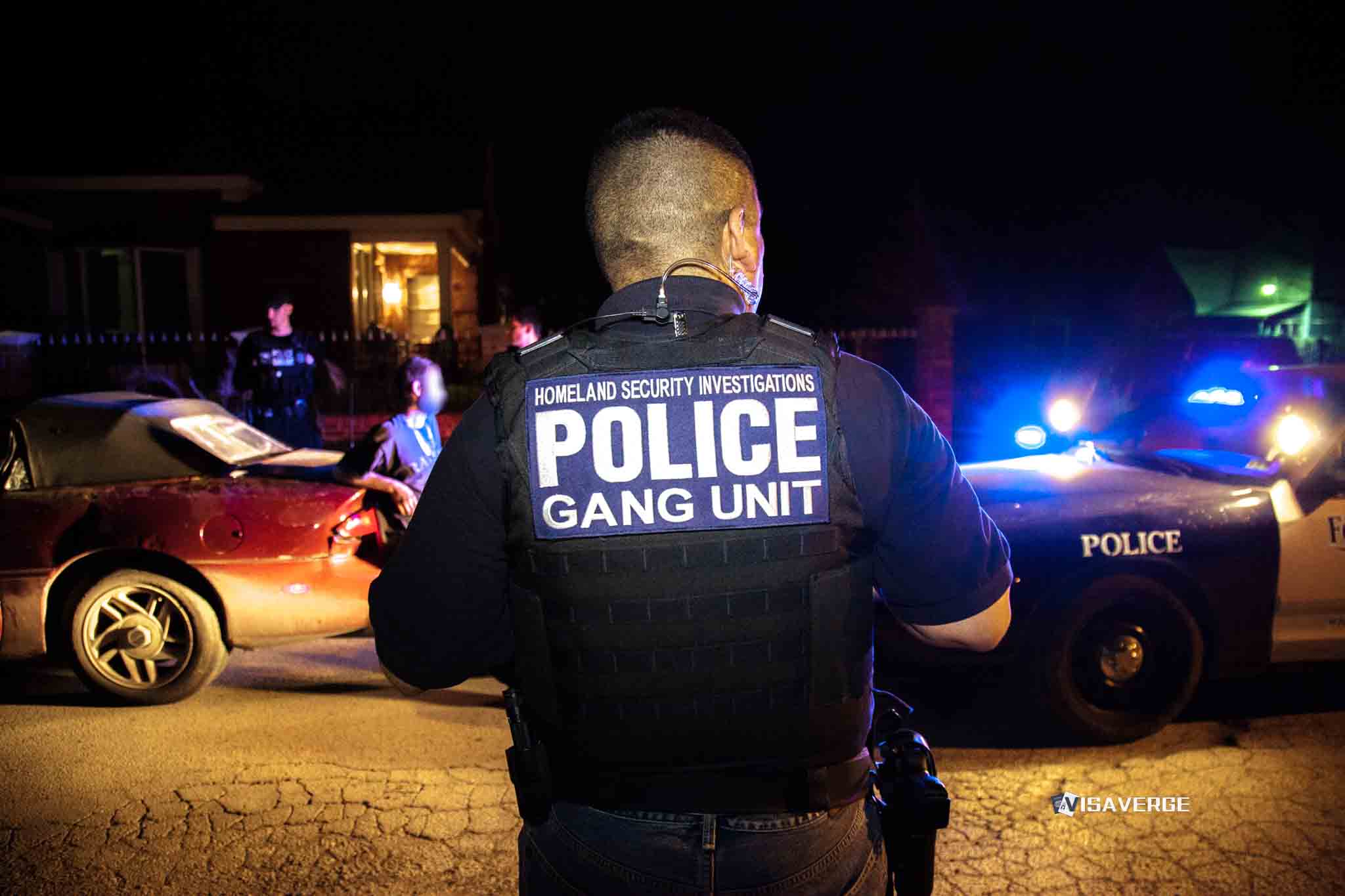
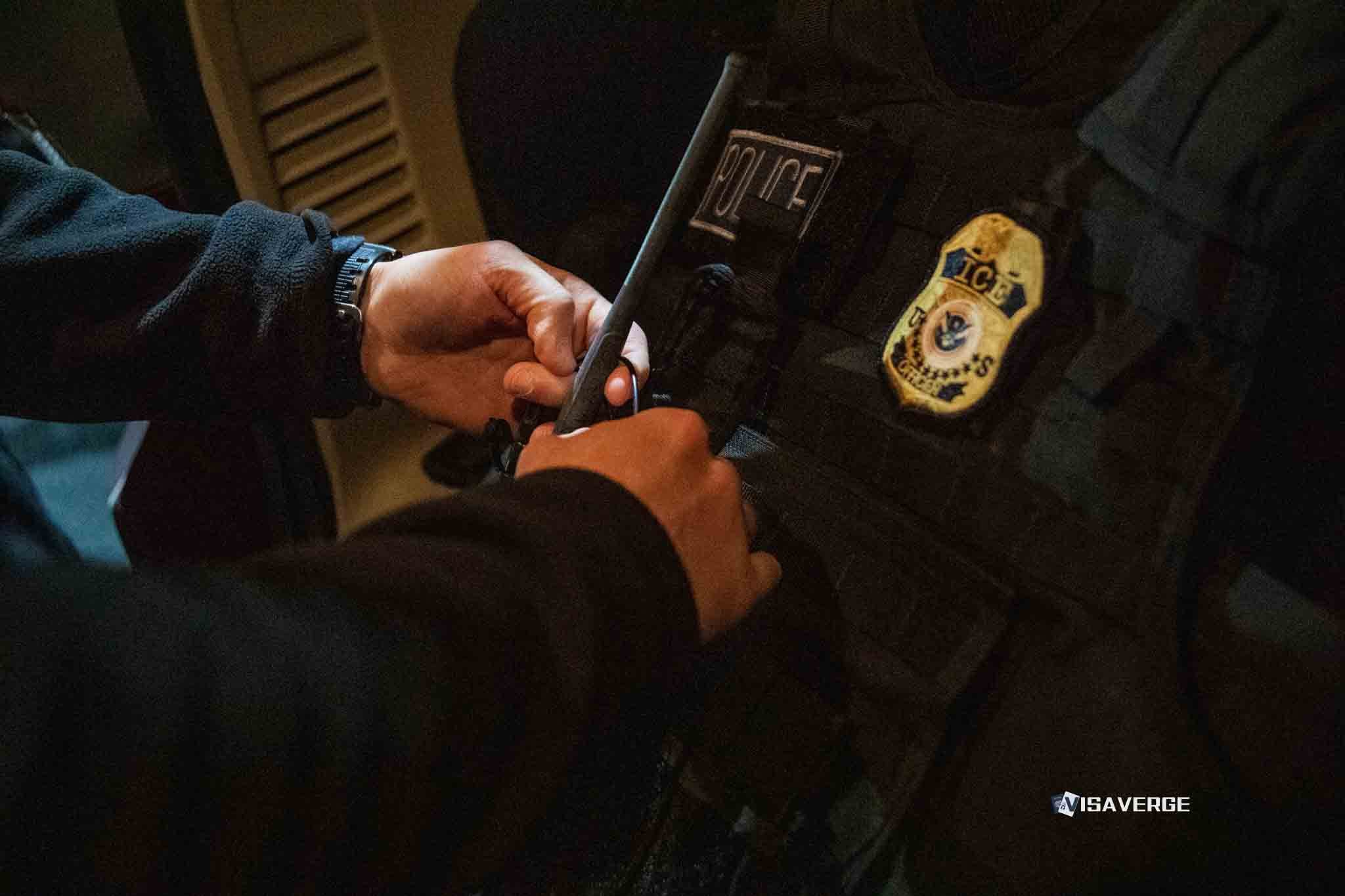
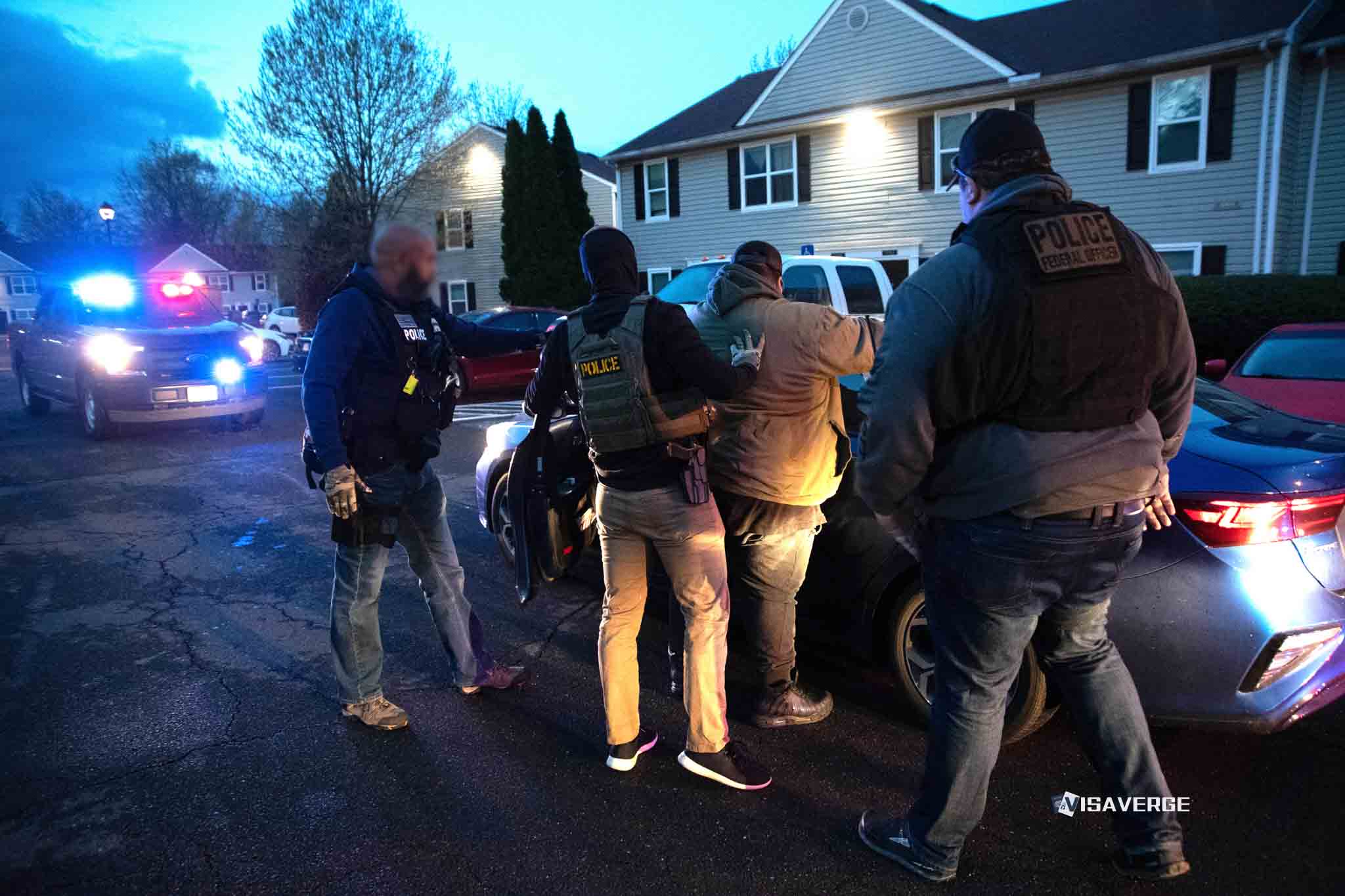
Local authorities say ICE has launched a series of operations across East Idaho this month, bringing a national enforcement expansion into Idaho communities and increasing anxiety among immigrant residents.
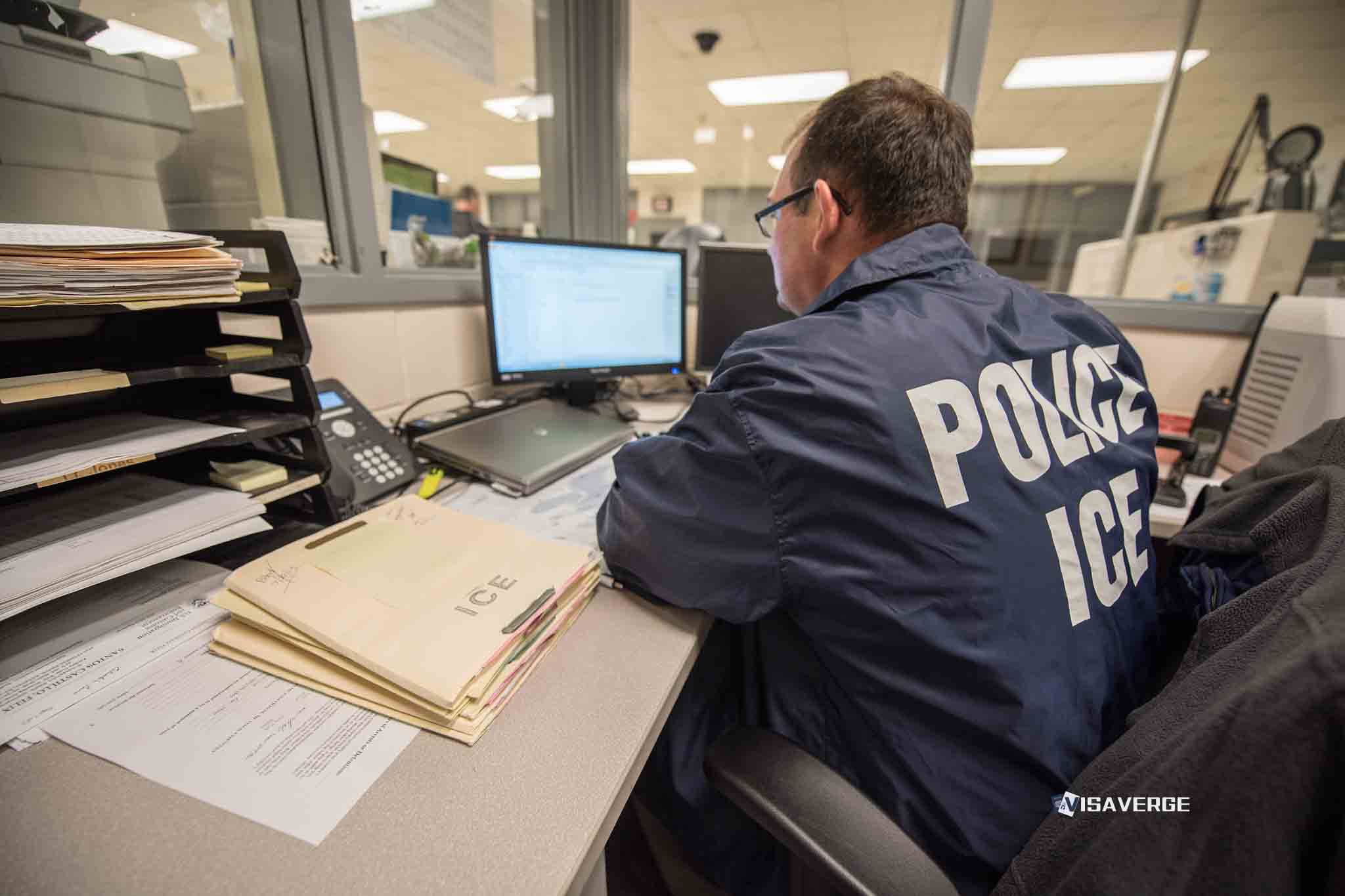
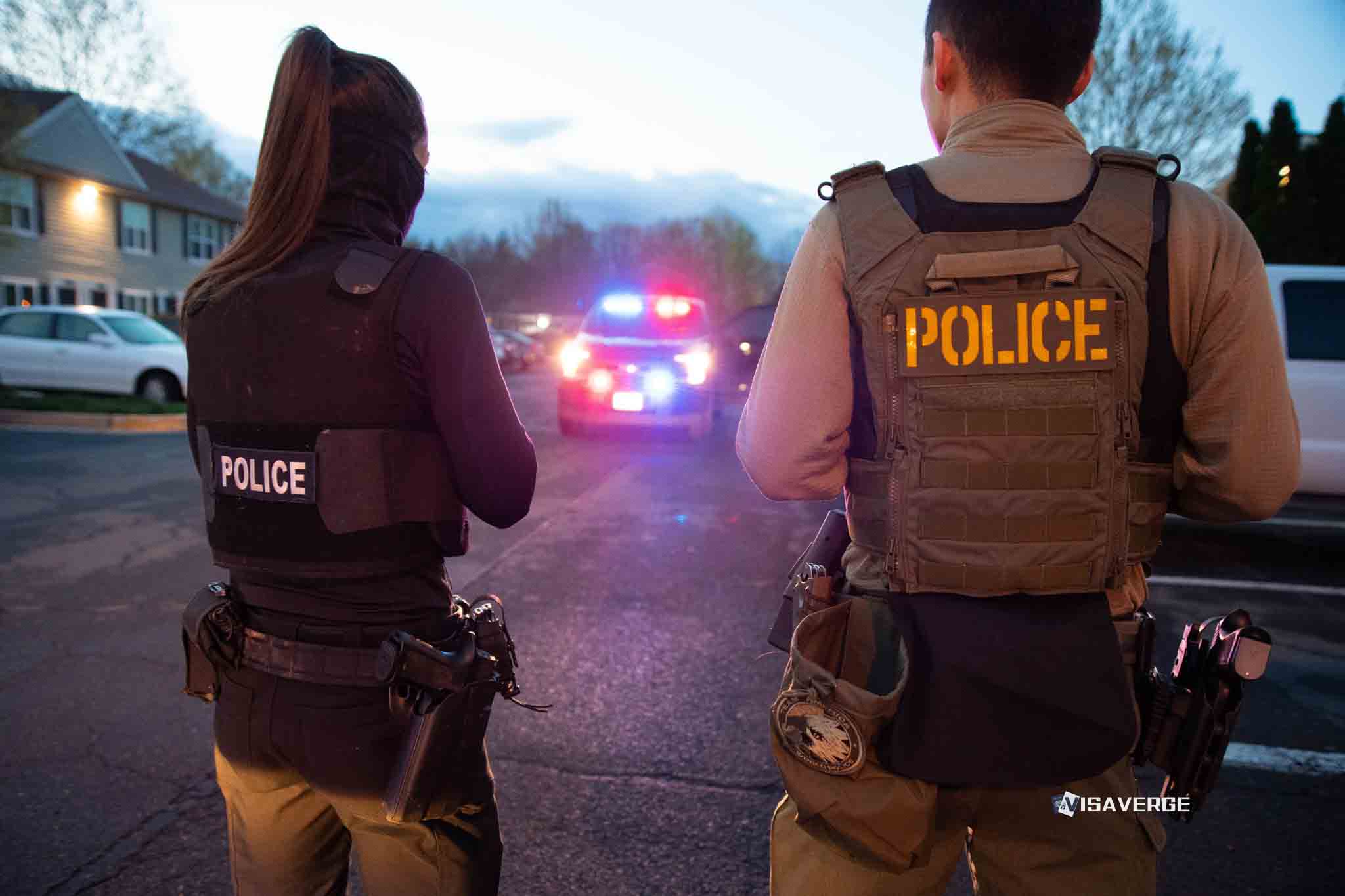
Idaho Falls Police Chief Bryce Johnson confirmed on July 6, 2026, that federal officers were making “targeted arrests” in the city. He said conversations with Homeland Security Investigations showed that staffing for Enforcement and Removal Operations had grown, allowing more arrests and removals across the country.
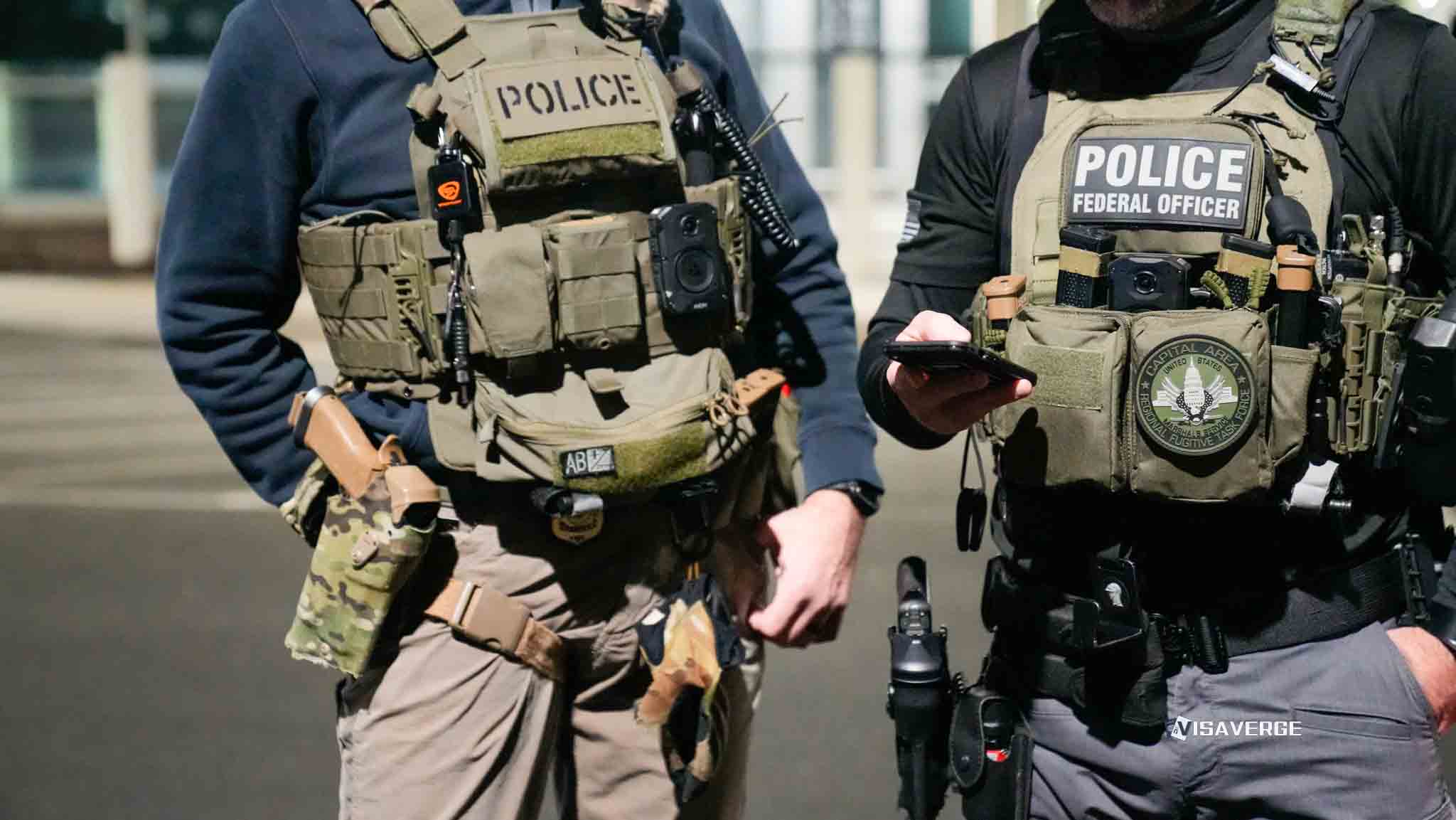
The local department does not necessarily receive advance notice of every mission. Johnson said the federal agency often operates independently and is not required to notify local police about specific operations.
The national pace has climbed sharply. The agency averaged 1,474 arrests per day during the first 11 days of July 2026, while about 65,765 people remained in federal custody on July 11.
| India | China | ROW | |
|---|---|---|---|
| EB-1 | Feb 01, 2023 | Aug 01, 2023 ▲31d | Current |
| EB-2 | Nov 01, 2013 | Oct 01, 2021 | Apr 01, 2025 ▲90d |
| EB-3 | Jan 22, 2014 ▲21d | Jan 22, 2022 ▲14d | Jun 15, 2024 ▲31d |
| F-1 | Jan 22, 2021 ▲366d | Jan 22, 2021 ▲366d | Jan 22, 2021 ▲366d |
| F-2A | Oct 22, 2026 ▲30d | Oct 22, 2026 ▲30d | Oct 22, 2026 ▲30d |
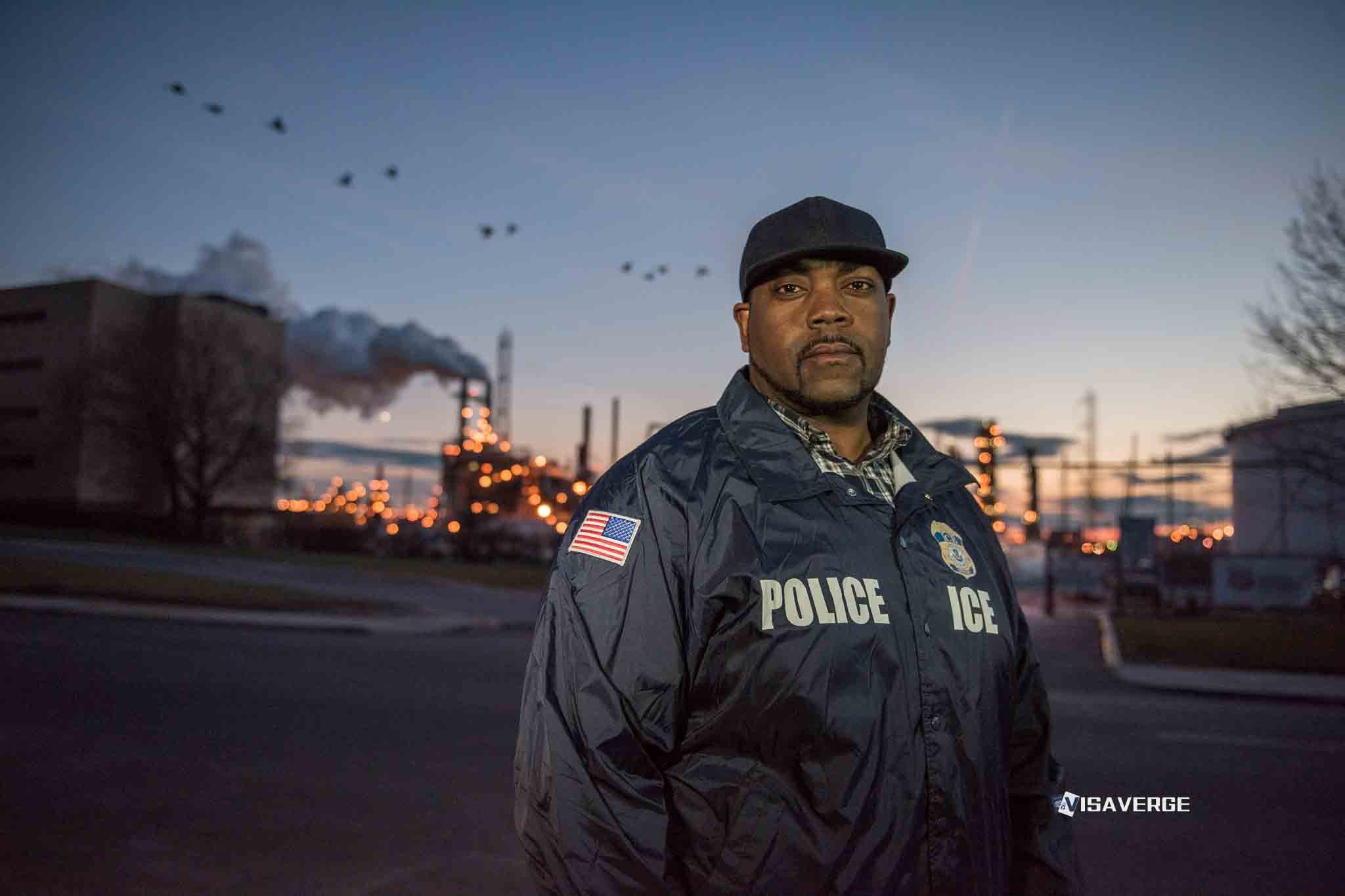
Assistant Secretary Tricia McLaughlin tied the expansion to new federal legislation. Speaking January 3, 2026, she said the measure signed by President Trump had put 12,000 additional officers and agents on the ground nationwide.
“Thanks to the Big Beautiful Bill that President Trump signed, we have an additional 12,000 ICE officers and agents on the ground across the country. That's a 120% increase in our workforce. in just about four months.”
McLaughlin made the statement as the department expanded its workforce. A separate law, the Secure America Act, signed June 10, 2026, provided nearly $70 billion for Department of Homeland Security immigration enforcement through fiscal year 2029.
Idaho’s local partnerships are widening the federal reach
Idaho’s enforcement growth extends beyond federal arrest teams. Deportations in the state reportedly rose by nearly 800% in 2025, and the number of 287(g) partnerships with law enforcement agencies has more than quadrupled since early 2025.
Post Falls became the first Idaho city to sign a formal 287(g) agreement on July 10, 2026. The arrangement permits local officers to perform federal immigration duties. Similar agreements now include the Idaho State Police and 10 county sheriff's offices.
Post Falls Mayor Randy Westlund defended the arrangement on July 15.
“We are proud to continue our partnership with federal law enforcement to keep our city safe. This partnership advances these goals and strengthens our community.”
The agreements also create financial incentives for local agencies. New federal programs offer up to $22,500 for work such as “safety verifications” involving unaccompanied children, describing local participation as a “force multiplier” for federal enforcement.
Legal advocates have challenged the task-force approach. They argue that Idaho’s 287(g) arrangements permit warrantless arrests based on suspicion alone, creating risks of racial profiling and violations of due process.
Operation No Return has removed nearly 100 people
Governor Brad Little has promoted a separate state-led effort called Operation No Return. The initiative focuses on noncitizens who have completed criminal sentences and had removed nearly 100 individuals from Idaho by mid-2026.
Little described the program on May 18 as a public-safety measure.
“Through Operation No Return, we are making it clear that dangerous criminal illegal aliens who threaten the safety of our communities will not be released back onto Idaho streets. Idaho is tough on crime, and we put the safety of Idaho families first.”
The program operates alongside federal enforcement rather than replacing it. Local police can participate through formal agreements, while federal teams may continue conducting missions independently.
Residents report staying home as stops increase
Reports from Idaho Falls and Teton County describe fear spreading through immigrant communities. Some residents have reportedly stayed home from work and avoided public places after seeing unmarked federal vehicles and targeted stops.
Vehicle stops remain part of the national strategy. White House Press Secretary Karoline Leavitt said July 16, 2026, that the president and the Homeland Security secretary supported continuing them nationwide.
“The president and the Secretary of Homeland Security are on the same page that vehicle stops are a necessary tool. in order to continue their deportation campaign.”
The enforcement campaign has also drawn scrutiny after at least 11 fatal shootings involving federal immigration or border agents in early 2026. Incidents in Maine and Houston prompted calls for mandatory body cameras.
DHS offers money to people who leave voluntarily
The Department of Homeland Security’s CBP Home app now offers a “special offer” to people who choose to leave the United States voluntarily: a free flight home and a $2,600 bonus.
Those who remain can face civil fines of $998 per day. The incentives add a voluntary-departure track to the arrest, detention and removal operations expanding across Idaho.
The state’s enforcement posture has received support from local and state officials. It now combines federal operations, new local authority, state removals and financial incentives for participating agencies.
The Idaho Falls activity comes as federal staffing expands and detention numbers approach record levels. Local officials say the operations will continue as the broader buildout reaches more communities.