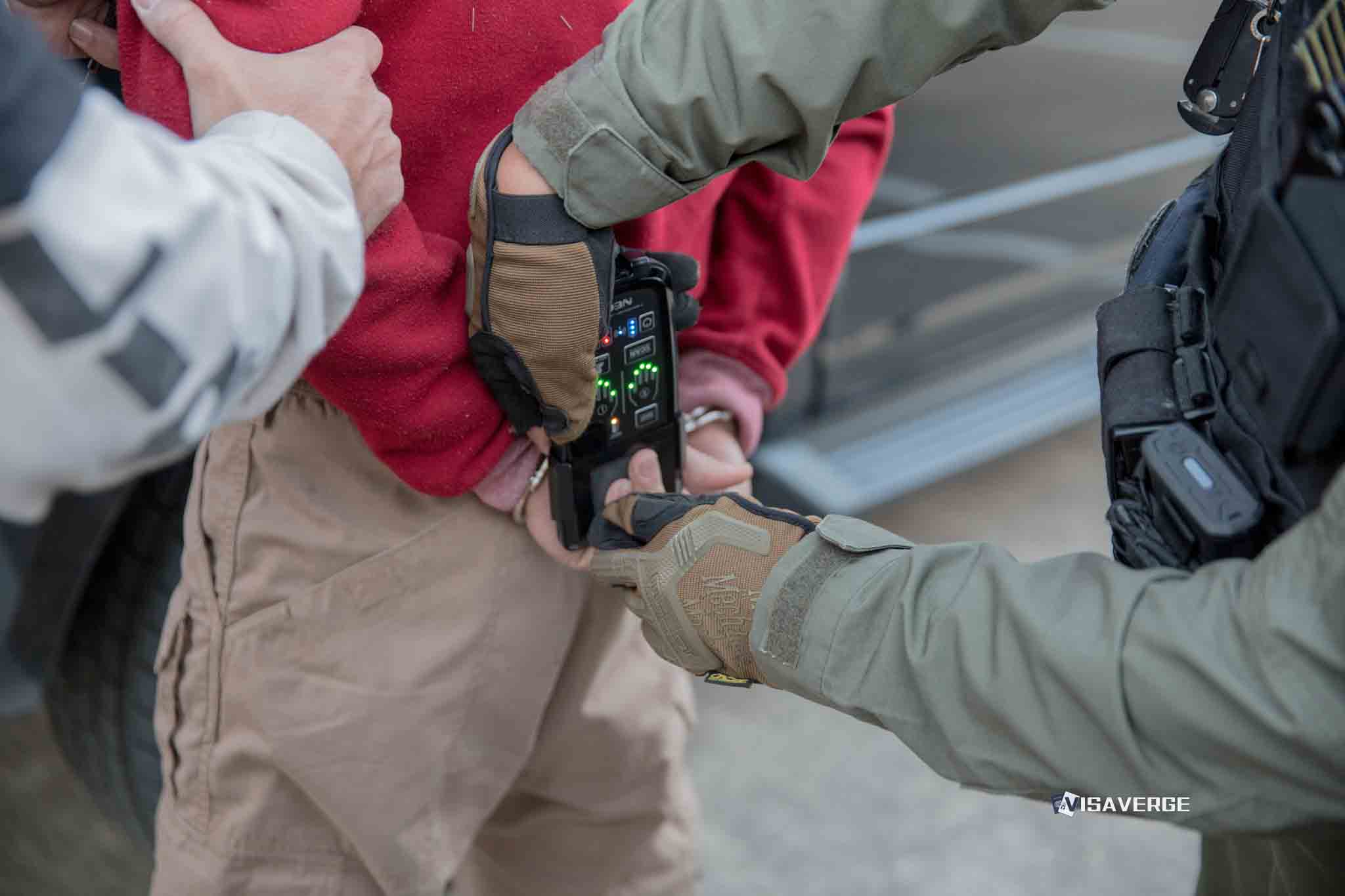
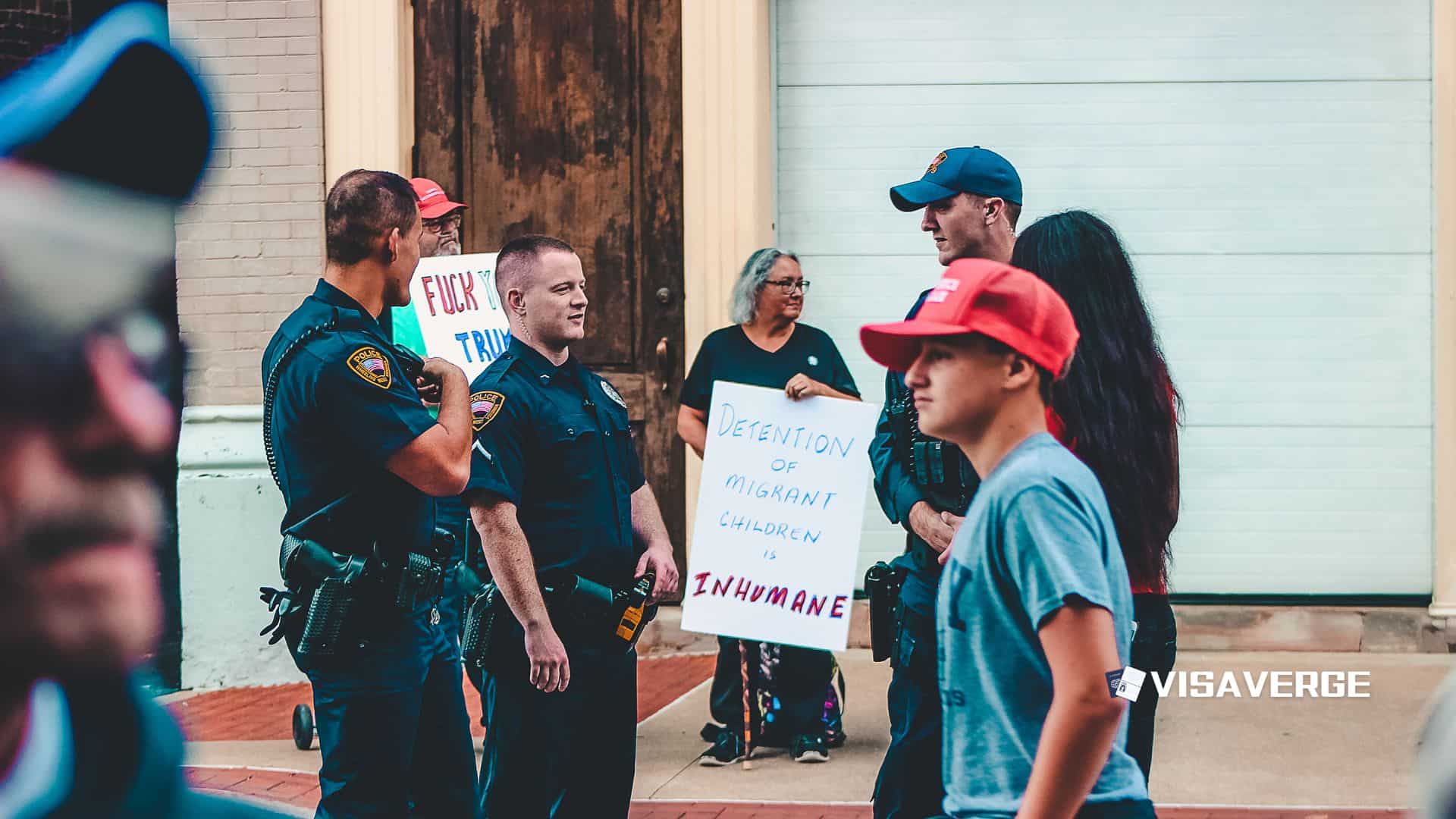
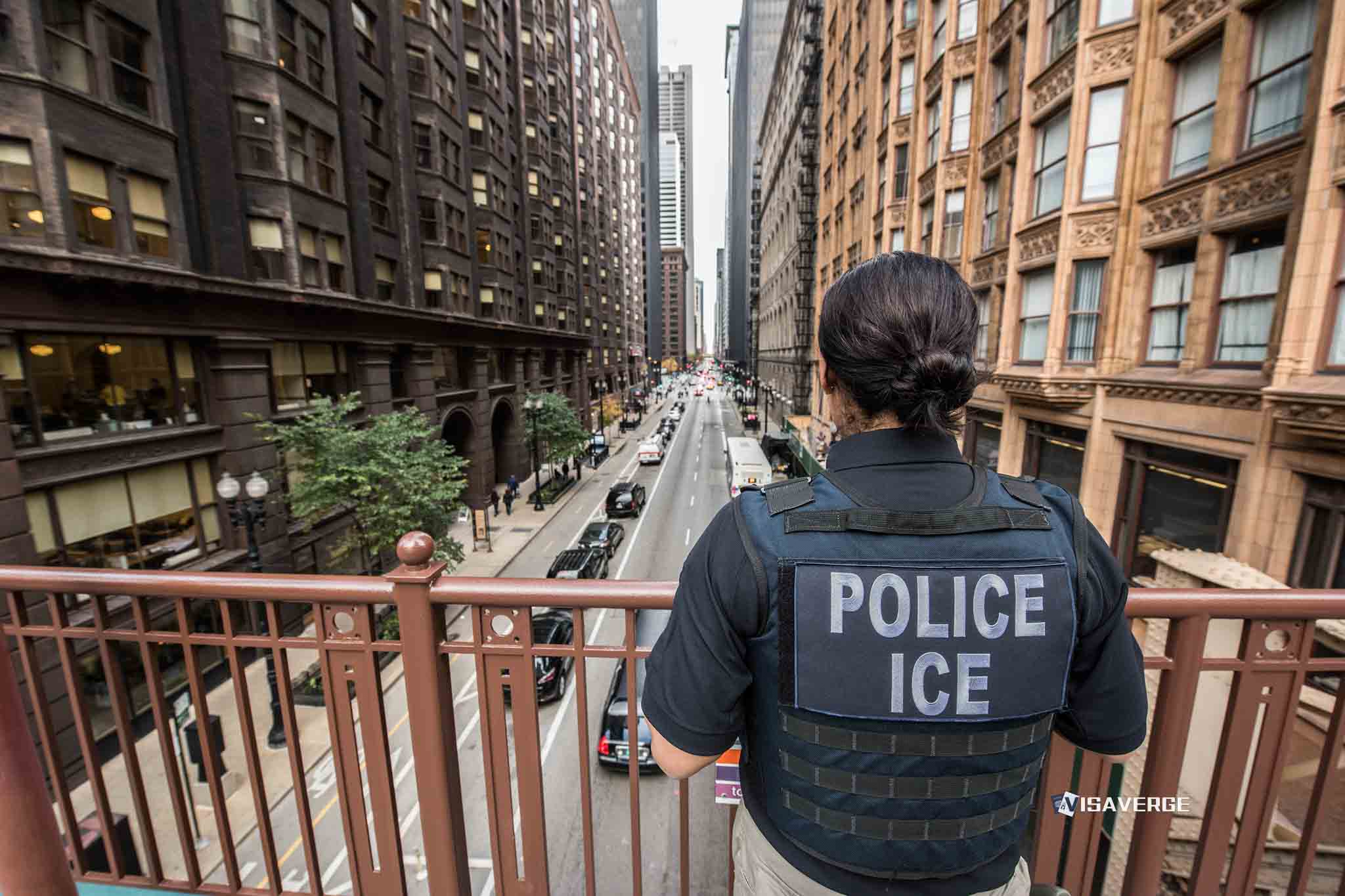
Immigration and Customs Enforcement activity has intensified across East Idaho this month, with local police in Idaho Falls confirming targeted arrests and removal operations inside the city. Idaho Falls Police Chief Bryce Johnson tied the increased local presence to a broader federal enforcement surge, saying Homeland Security Investigations staffing has expanded nationwide.
- Idaho Falls police said the agents were from Homeland Security Investigations, one of ICE’s three branches, and that the operations were focused on people who committed immigration law violations.
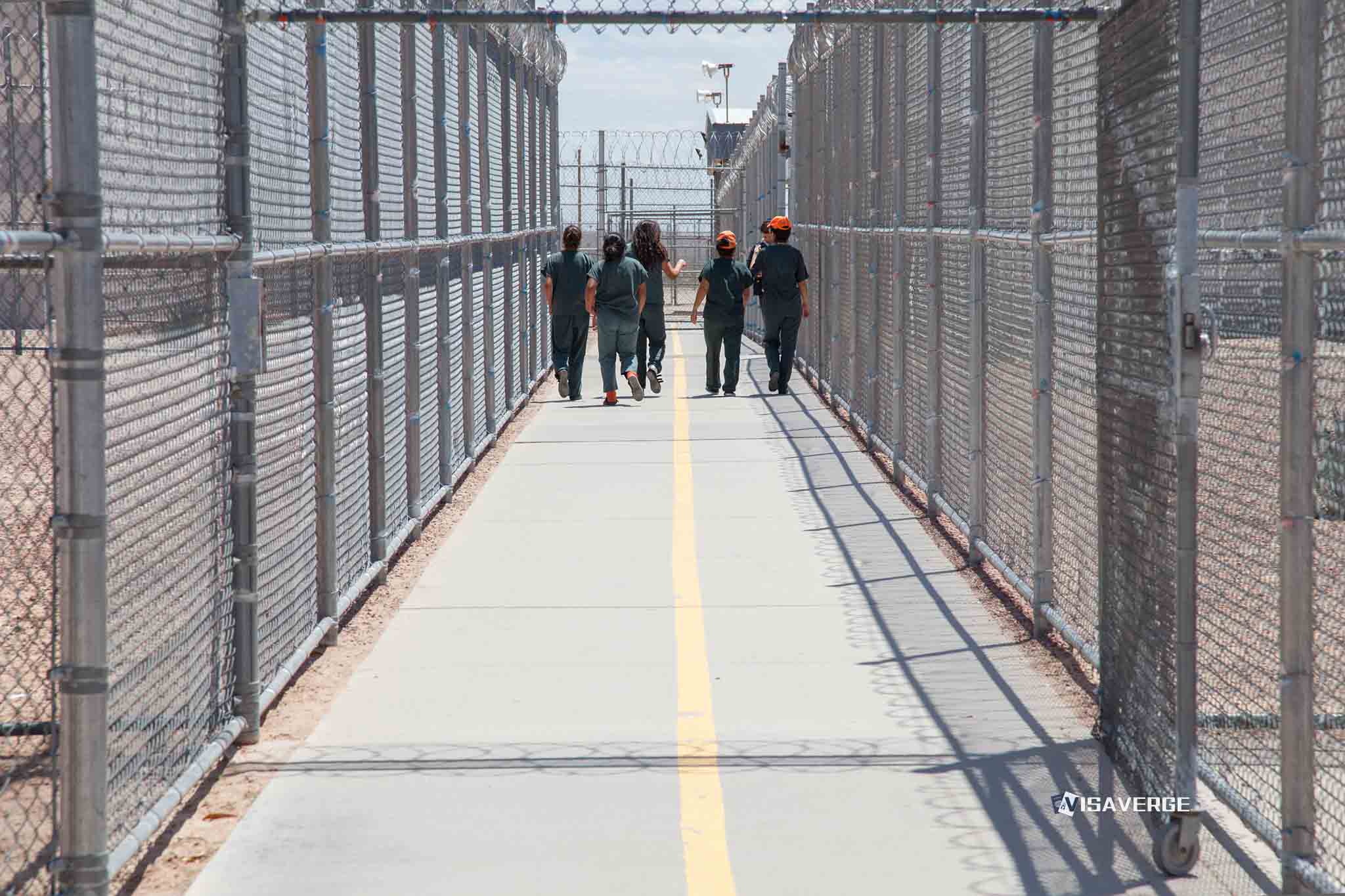
- ICE is planning a nationwide detention expansion to 92,600 beds as part of its deportation push, according to an internal agency memo reported this month.
- Acting ICE Director Todd Lyons told the Senate Homeland Security and Governmental Affairs Committee that about 1.6 million people in the United States have final deportation orders, including roughly 800,000 with criminal convictions.
- Idaho State Police transferred 30 additional immigrants to ICE custody following the completion of their criminal sentences.
- The transfers are part of Operation No Return, a state program aimed at removing convicted individuals from Idaho communities.
- Total removals under the initiative have reached 130 people through the state’s 287(g) partnership with federal authorities.
(IDAHO) – Idaho State Police transported 30 more immigrants from prison and county jails to Immigration and Customs Enforcement custody for deportation under Governor Brad Little’s Operation No Return.
Free toolUSCIS Receipt Number DecoderThe transfer moved people from Idaho facilities to ICE detention facilities after they finished their sentences, rather than releasing them back into Idaho communities, according to the governor’s office.
Officials said the people taken into ICE custody had been convicted of crimes including child sexual abuse, drug trafficking, assault, and DUI. The governor’s office described them as “dangerous illegal alien criminals” and said they will be deported to their country of origin.
The latest transfer added to a program the governor’s office had already used to remove 100 undocumented immigrants from Idaho before this round. That puts the cumulative figure at 130 people moved through the effort once the newest group is counted.
Idaho runs the transports through an arrangement tied to its agreement with ICE under the 287(g) program. That federal framework allows state and local agencies to work with federal immigration authorities in specified enforcement functions.
Under the process described by state officials, Idaho State Police steps in after a person completes a sentence in a county jail or state prison. Troopers then transport that person to an ICE detention facility for the next stage of deportation proceedings.
The structure of the program reflects a choice by the state to shift custody at the end of a criminal sentence instead of allowing release into the community. In the governor’s framing, that is the point of Operation No Return.
Brad Little’s office tied the latest movement of detainees directly to that policy. The announcement cast the transfer as another installment in a continuing operation rather than a one-off event.
Only a small set of details accompanied the state’s description of the latest convoy. Officials identified the sending institutions broadly as prison and county jails, and the receiving sites as ICE detention facilities.
No county jail, prison, or detention center was named in the announcement summarized here. No identities of the people transported were released.
State officials also did not break down how many of the 30 more immigrants came from state prisons and how many came from county jails. They grouped the offenses broadly, listing child sexual abuse, drug trafficking, assault, and DUI among the convictions involved.
That language matters because it shows how the administration wants the program understood. The governor’s office did not present the operation as a general immigration measure, but as the transfer of people it says committed serious crimes and completed criminal sentences in Idaho custody.
Idaho’s use of the 287(g) program places the state inside a long-running federal model for cooperation between ICE and local or state agencies. In this case, the cooperation appears in the transport stage, after incarceration ends and before deportation to a country of origin.
The state’s description drew a direct line from sentence completion to immigration detention. Once the prison or jail term ends, the person moves to ICE rather than out the facility door.
Operation No Return has become the label attached to that sequence. The name now covers at least 130 transfers if the 100 undocumented immigrants previously removed and the latest group of 30 are counted together.
Little’s office has used blunt language in presenting the operation. Its phrase “dangerous illegal alien criminals” paired a criminal characterization with the state’s account of immigration status, and linked both to the deportation effort now underway.
That framing also narrows the state’s public case for the program. Officials emphasized convictions and removal from Idaho communities, not rehabilitation, release supervision, or any other post-sentence option.
The announcement did not attach dates for the individual transfers inside the latest round. It described the movement collectively, with Idaho State Police transporting the group from correctional facilities into ICE custody.
Nor did officials separate the deportation stage from the detention stage in practical terms, beyond saying the people were taken to ICE detention facilities and will be deported to their country of origin. The state’s public account treated detention transfer and deportation as part of the same enforcement chain.
That chain begins in Idaho’s criminal justice system and ends with federal immigration authorities. County jails and state prisons hold the individuals through their sentences; Idaho State Police then carries them to ICE; federal officials handle detention and removal.
What stands out in the latest update is the continued pace of the operation. A program that had already reached 100 undocumented immigrants before this transfer has now expanded again, with 30 more immigrants added in a single round.
The governor’s office has presented that accumulation as evidence that Operation No Return is active and ongoing. Its message was concise: once these inmates finish their sentences, Idaho will not release them back into local communities if the state can transfer them to ICE instead.
Because the state tied the effort to the 287(g) program, the latest transfer also shows how immigration enforcement can extend beyond federal agents alone. Idaho State Police is not deciding deportation outcomes, but it is playing a direct role in the handoff that sends people from local custody into the federal system.
The state’s offense list, though broad, signals the public rationale behind the operation. By citing child sexual abuse, drug trafficking, assault, and DUI, officials put criminal convictions at the center of the announcement and left little doubt about the audience they were addressing.
Little’s administration has now attached a running total to that message. Before the newest convoy, it said 100 undocumented immigrants had already been removed from Idaho through the program; after the latest transport of 30, Operation No Return stands as a visible partnership between Idaho law enforcement and ICE built around post-sentence transfers and deportation.