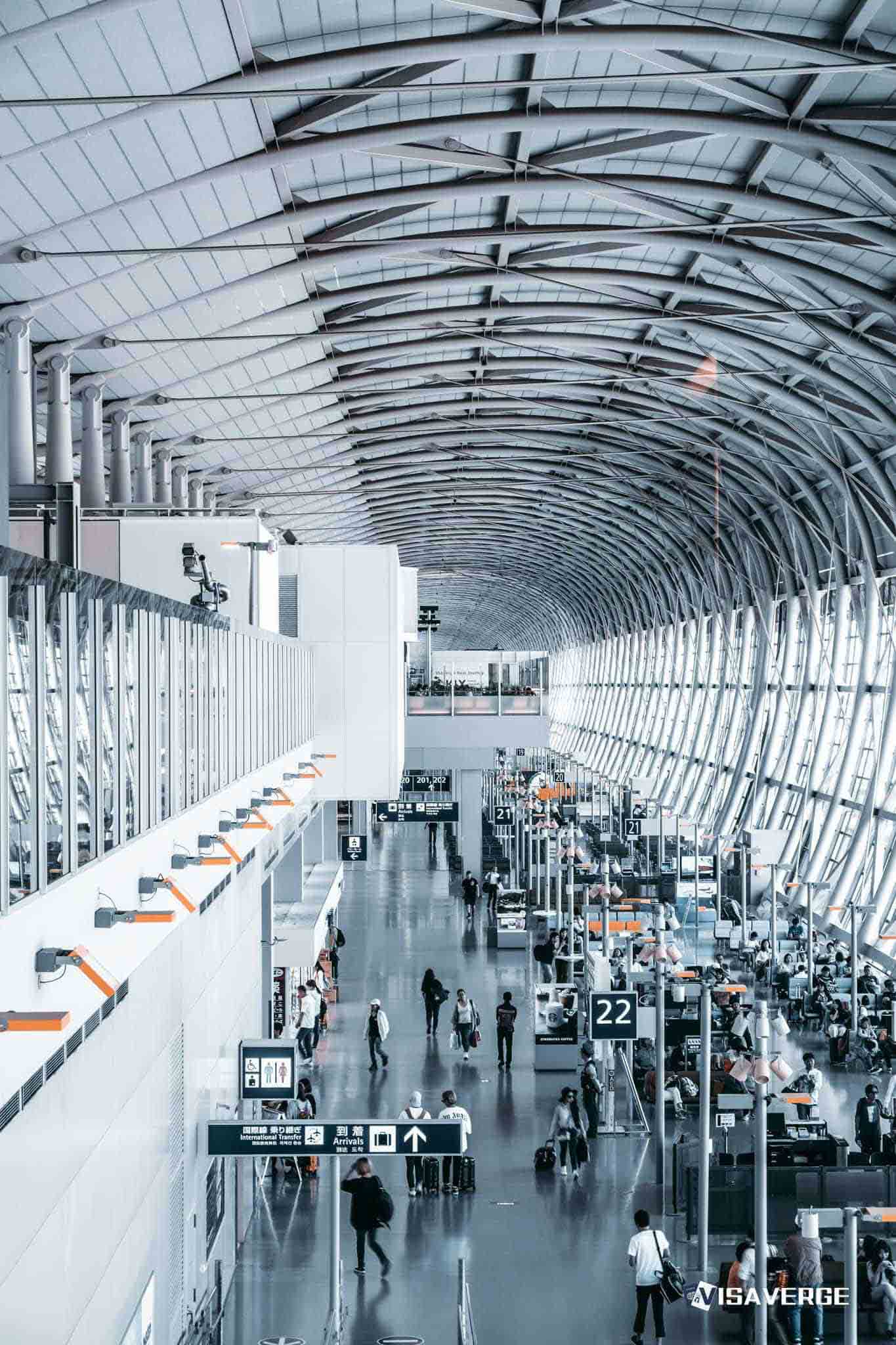
- DHS is considering cutting CBP staffing at airports in sanctuary-policy cities.
- Airline executives warned the move could trigger major airport delays and disrupt international arrivals.
- Named airports include JFK, Newark, Dulles, and Portland, all dependent on federal customs officers.
(UNITED STATES) — The Department of Homeland Security is considering reducing or pulling Customs and Border Protection staffing at airports in cities with sanctuary policies, a proposal that airline and travel executives say would disrupt airport operations and bring broad economic fallout.
DHS Secretary Markwayne Mullin reportedly met with airline and travel executives in Washington and said he was serious about the plan. The proposal targets jurisdictions that do not cooperate with the administration on immigration enforcement.
Free toolUSCIS Receipt Number Decoder
Industry officials described the potential effect at affected airports as enormous and chaotic. The plan under discussion involves a reduction in customs staffing rather than a confirmed full elimination, according to the coverage.
Sanctuary policies generally refer to local jurisdictions that limit cooperation with federal immigration authorities. In this case, the proposal is framed as a pressure tactic aimed at sanctuary jurisdictions by focusing on federal services they benefit from.
That approach would place airport inspection operations inside a larger fight over immigration enforcement. It would also link local sanctuary policies to a federal staffing decision that affects international arrivals, airline scheduling, and passenger processing.
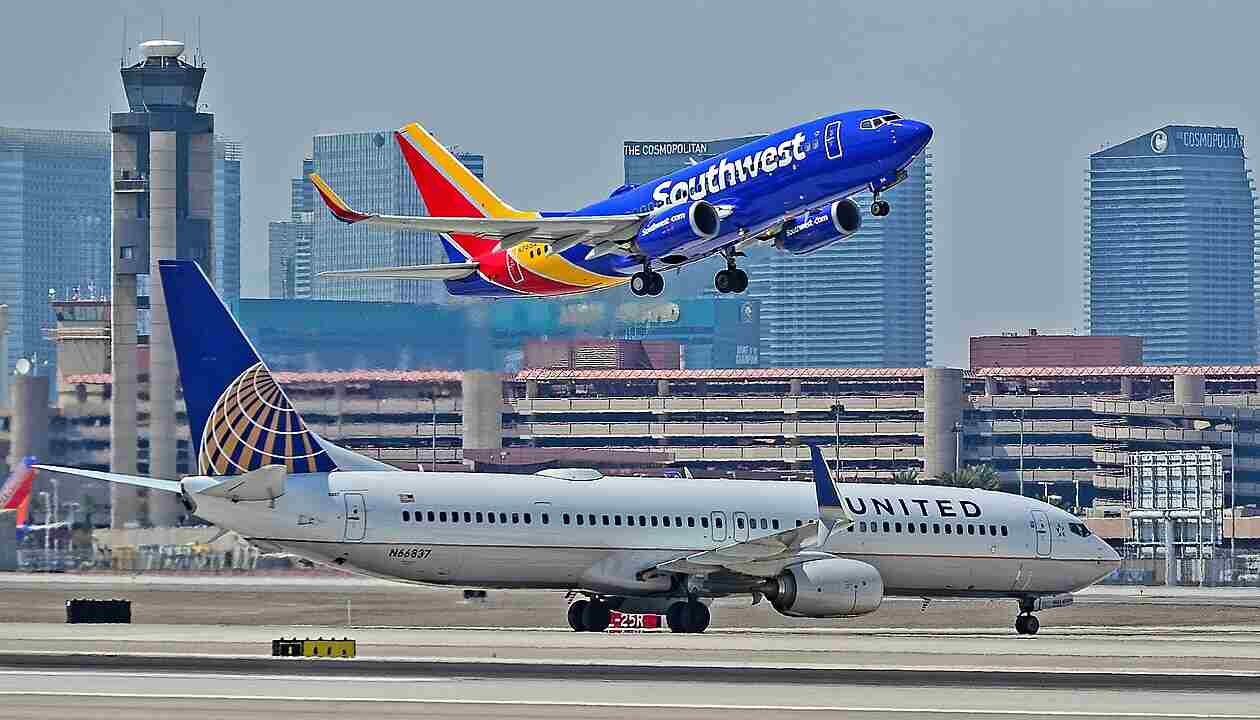
Airports named in the coverage included Portland International Airport, John F. Kennedy International Airport, Newark Liberty International Airport, and Washington Dulles International Airport. Each handles international traffic that depends on CBP officers to process arriving passengers.
Any cut to Customs and Border Protection staffing at those airports would raise immediate operational questions. International flights cannot move arriving passengers through customs and immigration inspection without federal officers on site.
Airline and travel executives warned that even a partial staffing reduction could ripple through terminals quickly. Delays at customs halls can back up arriving aircraft, gate assignments, connecting itineraries, and ground operations across the airport.
The concern extends beyond passenger inconvenience. Travel industry officials said the economic effects could spread to airlines, airports, airport vendors, tourism businesses, and local employers tied to international travel.
Those warnings put Customs and Border Protection staffing at the center of a dispute that reaches well beyond border enforcement. At major international airports, CBP officers perform a basic federal function that airlines and local airport operators cannot replace on their own.
The named airports also sit in places associated with different local and regional political environments, which adds another layer to the administration’s use of sanctuary policies as leverage. A staffing decision aimed at one jurisdiction could still affect travelers, airport workers, and businesses moving through a national air network.
Portland International Airport serves Oregon’s largest city. JFK and Newark are among the busiest international gateways in the New York region, while Washington Dulles handles a large share of long-haul international traffic in the capital area.
Because those airports connect to domestic and international routes throughout the country, disruption at customs processing points would not remain isolated inside one city. Delays on arriving international flights can alter crew assignments, aircraft rotations, and onward passenger connections across multiple carriers.
The proposal’s emphasis on a reduction rather than a full withdrawal leaves open how deeply staffing could be cut and how DHS would apply the policy from one airport to another. Even so, the travel industry response shows that airline and airport officials are treating the idea as an active threat, not a symbolic warning.
Mullin’s reported meeting with airline and travel executives added to that sense of urgency. His indication that he was serious about the plan suggested the administration was weighing a direct link between cooperation with federal immigration enforcement and access to normal customs staffing levels.
That would turn a core airport function into a point of pressure in the sanctuary policies debate. Local governments write their own rules on cooperation with immigration authorities, but CBP staffing decisions rest with the federal government.
The clash also lands at a time when airport operators and airlines depend on predictability in staffing, inspection capacity, and passenger flow. Sudden cuts in federal inspection personnel can affect scheduling decisions long before an arriving passenger reaches the customs hall.
Travel executives focused their objections on operations and economics rather than local immigration policy. Their warning was that reducing CBP staffing at international airports would create immediate disorder in places that require steady federal screening to function.
No final action was described, and the plan remained under consideration. What drew the industry’s response was the combination of named airports, the use of federal airport services as leverage against sanctuary jurisdictions, and the involvement of DHS Secretary Markwayne Mullin in discussions that executives said he treated seriously.