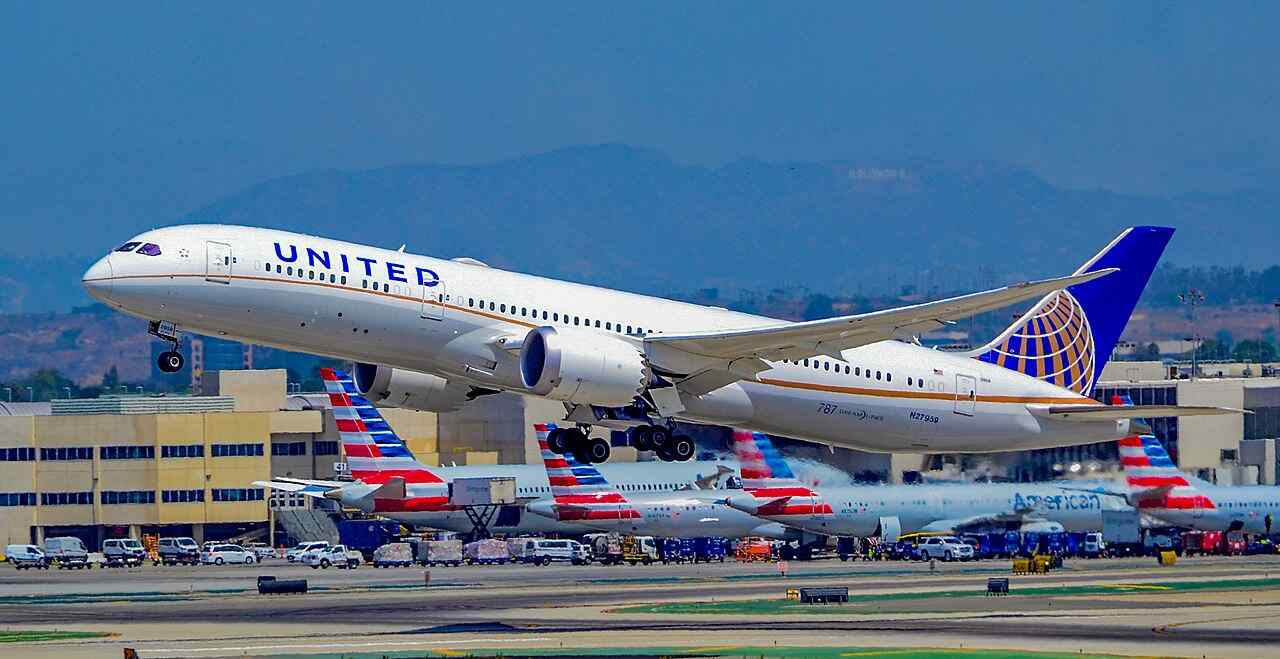
- The FAA permanently banned parallel landings at San Francisco International, slashing arrival capacity by one-third since late March.
- Average flight delays have quadrupled to twenty minutes, with major disruptions peaking during the ongoing runway repaving project.
- DHS is threatening to halt processing at SFO, LAX, and JFK over sanctuary city disputes, risking international travel chaos.
(SAN FRANCISCO, CALIFORNIA) – San Francisco’s aviation gateway is confronting its worst operational stretch in years as the FAA bans parallel landings, a prolonged runway repaving program continues, and DHS signals could further constrain international travel through SFO, LAX, and JFK.
San Francisco International Airport has operated under a permanent FAA ban on simultaneous parallel landings since March 31, 2026. The Federal Aviation Administration (FAA) cut SFO’s arrival rate from 54 flights per hour to about 36 flights per hour, a drop of one-third at one of the country’s busiest international airports.
Free toolI-94 Expiration Calculator Online
Delays rose just as sharply. Average flight delays reached 20 minutes, up from about 5 minutes during the same period in 2025. More than 41% of flights now arrive at least 15 minutes late, and peak afternoon and evening windows often stretch to 30 to 60 minutes.
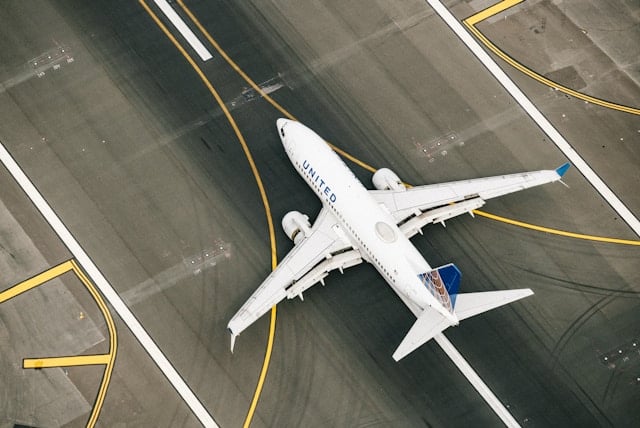
Runway construction has compounded the slowdown. A six-month repaving project on the north-south runway pair 1R/19L began in March and is scheduled to continue through Early October 2026, limiting airport flexibility as summer traffic builds.
SFO posted one of its worst single-day performances on June 5, 2026, with 337 delays and 5 cancellations. That strain has spread beyond gate areas and baggage belts into connecting banks, crew rotations, and onward international departures.
FAA officials tied the permanent change to a broader safety review after the fatal collision near Washington Dulles (IAD) in January 2025. That crash, involving a regional jet and an Army helicopter, intensified scrutiny of runway separation and approach procedures across the system.
At SFO, the review ended a long-used procedure that let aircraft land side by side in clear weather. The new rule has altered daily airline operations at a hub that depends on tight sequencing to keep domestic and long-haul schedules intact.
United Airlines, SFO’s largest carrier, and Alaska Airlines have retimed flights, padded schedules, and in some cases rerouted passengers through hubs such as Denver or Los Angeles (LAX). Those adjustments typically reduce missed connections, but they also add travel time and can limit same-day recovery when disruptions stack up.
| Metric | Pre-ban (2025) | Post-ban (2026) | Notes |
|---|---|---|---|
| Arrival capacity | 54 flights per hour | 36 flights per hour | Permanent FAA change took effect March 31, 2026 |
| Average delay | 5 minutes | 20 minutes | Average delay has quadrupled |
| Flights delayed 15+ minutes | Lower than current levels | 41% | Peak window delays often run 30 to 60 minutes |
| Runway project status | No comparable closure | Repaving underway | 1R/19L work continues through Early October 2026 |
| Single-day disruption record | Not cited | 337 delays, 5 cancellations | Recorded on June 5, 2026 |
✅ Travelers should check schedules frequently, allow extra connection time, and monitor SFO travel alerts due to ongoing disruptions.
Pressure on the airport now extends beyond runway use. The Department of Homeland Security (DHS) has threatened to pull Customs and Border Protection (CBP) resources from sanctuary jurisdictions, and officials have named SFO, LAX, and New York (JFK) in discussions about halting international passenger processing.
DHS Secretary Markwayne Mullin said during a House hearing on June 3, 2026 that CBP staffing could be used as leverage against cities that do not cooperate with federal immigration enforcement. DHS had already confirmed on May 27, 2026 that it was drawing up plans affecting international processing at those airports.
Any reduction in CBP processing at SFO would reach far beyond flight schedules. International arrivals, cargo flows, visa holders, and connecting passengers may face longer waits, diversions, or rerouting to other gateways, especially during the 2026 FIFA World Cup travel surge that began in June.
USCIS added another layer on May 22, 2026 with a policy memorandum on adjustment of status. The agency said temporary U.S. residents seeking green card applications must return to their home country to apply unless extraordinary circumstances apply.
That change may affect travel planning for people who had expected to complete adjustment of status inside the United States. Delays at major gateways, combined with tighter screening and possible port-of-entry problems, can complicate departures and returns for applicants and their families.
⚠️ International travelers and green-card applicants should anticipate policy changes affecting entry and processing timelines and seek updated guidance from official sources.
| Date | Agency | Action/Statement | Impact |
|---|---|---|---|
| January 2025 | FAA | Safety review intensified after the Washington Dulles collision | Runway separation concerns moved to the front of FAA policy reviews |
| March 31, 2026 | FAA | Permanent ban on simultaneous parallel landings at SFO took effect | Arrival rate fell from 54 flights per hour to 36 flights per hour |
| May 22, 2026 | USCIS | Policy memorandum tightened adjustment of status practice | Temporary residents seeking green card applications generally must apply from abroad |
| May 27, 2026 | DHS / CBP | Plans discussed to halt international processing at SFO, LAX, and JFK | International passenger and cargo flows may face disruption |
| June 3, 2026 | DHS | Secretary Markwayne Mullin reiterated threat to pull CBP personnel | Sanctuary city pressure campaign widened to airport operations |
| June 23, 2026 | SFO / Airlines / Federal agencies | Operational strain continues during runway work and policy uncertainty | Travelers and carriers face persistent delays and planning risk |
Reports of heightened vetting since January 1, 2026 have also raised concern for foreign nationals arriving during the World Cup period. Entry inspection decisions remain case-specific, but tougher screening can increase the risk of secondary inspection and, in some cases, denial of entry.
Those conditions carry legal weight as well as logistical cost. Foreign nationals with pending applications, limited-status documents, or complicated travel histories may need to weigh due process concerns, document validity, and reentry risks before leaving the country.
Airlines are absorbing part of the damage, though not evenly. United Airlines has the deepest exposure because of its SFO hub structure, while Alaska Airlines and other carriers face knock-on disruptions in aircraft assignment, crew scheduling, and connecting passenger flows.
San Francisco also enters this period with little slack in the system. If bad weather, runway work, and federal processing cuts overlap, delays may spread quickly through domestic and international networks tied to SFO.
This article discusses regulatory and policy developments that may affect immigration and travel. It is not legal advice.
Readers should consult official agency guidance and seek qualified legal advice for individual immigration situations.