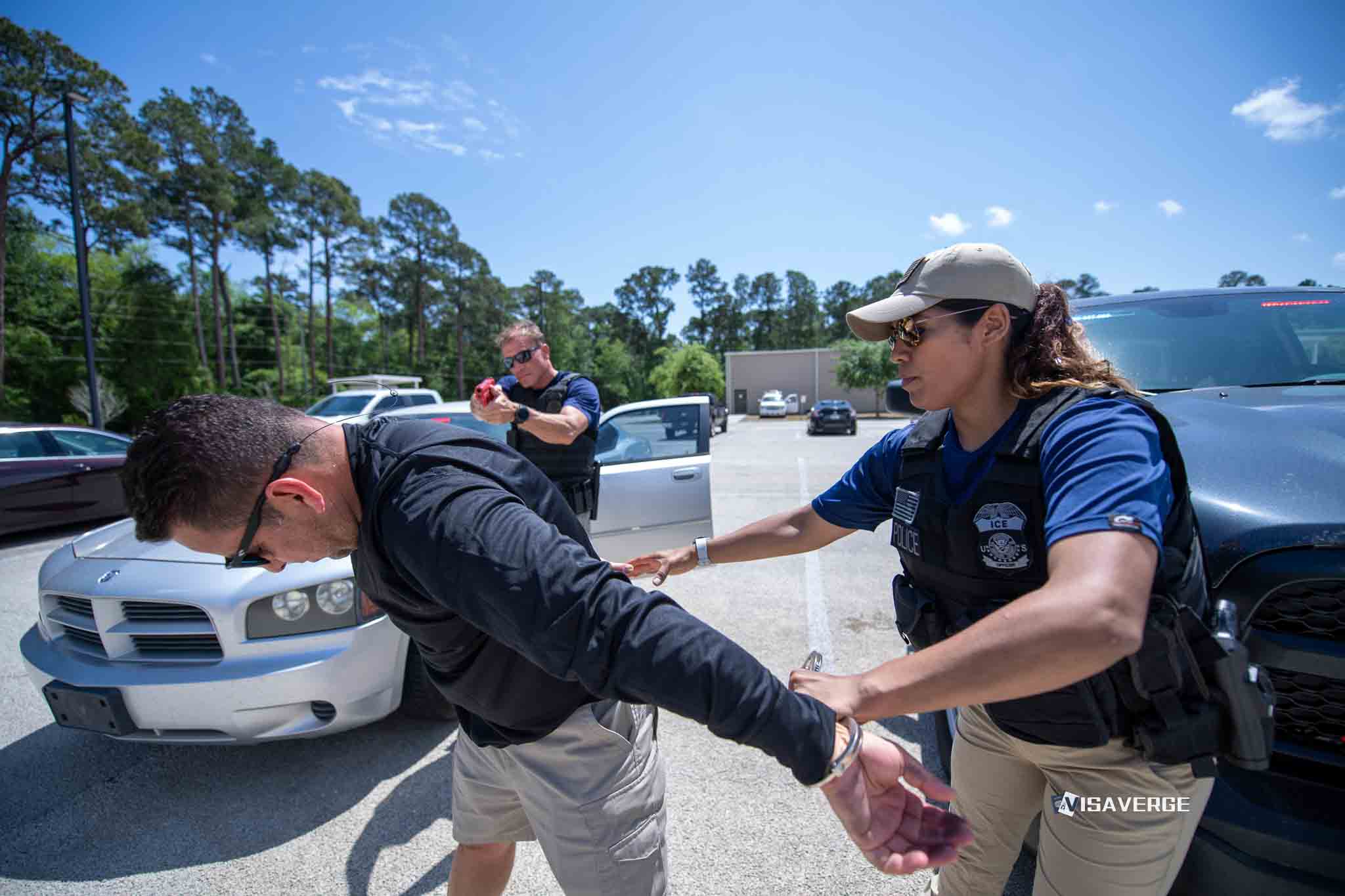
- Southwest staff blocked an ICE officer in Dallas for failing to present a judge-signed warrant.
- Daily airport arrests surged to forty people daily, utilizing TSA data-sharing protocols established in May 2025.
- New legislation aims to stop TSA data sharing and allow lawsuits against federal agents for constitutional violations.
Southwest Airlines ground staff blocked an ICE officer from boarding a Dallas flight on July 25, 2026, after the agent failed to present a judge-signed warrant. The confrontation exposed a growing dispute over judicial paperwork, aircraft access and passenger safety.
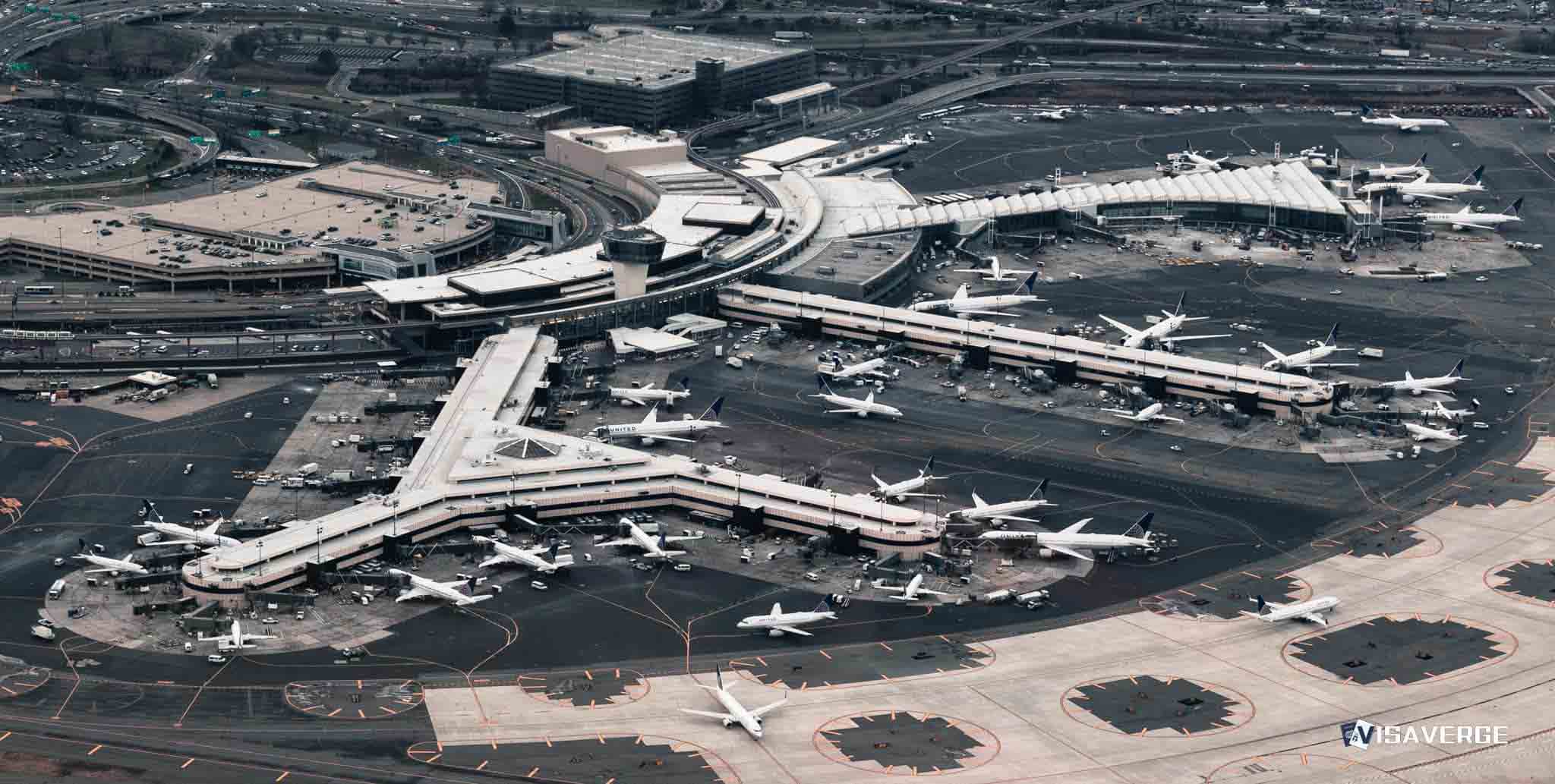
The operation has reached at least 15 airports, including San Francisco International Airport, Miami, Kansas City, Houston, Denver and Dulles. Officers have used flight manifests to identify travelers whose visas have expired.
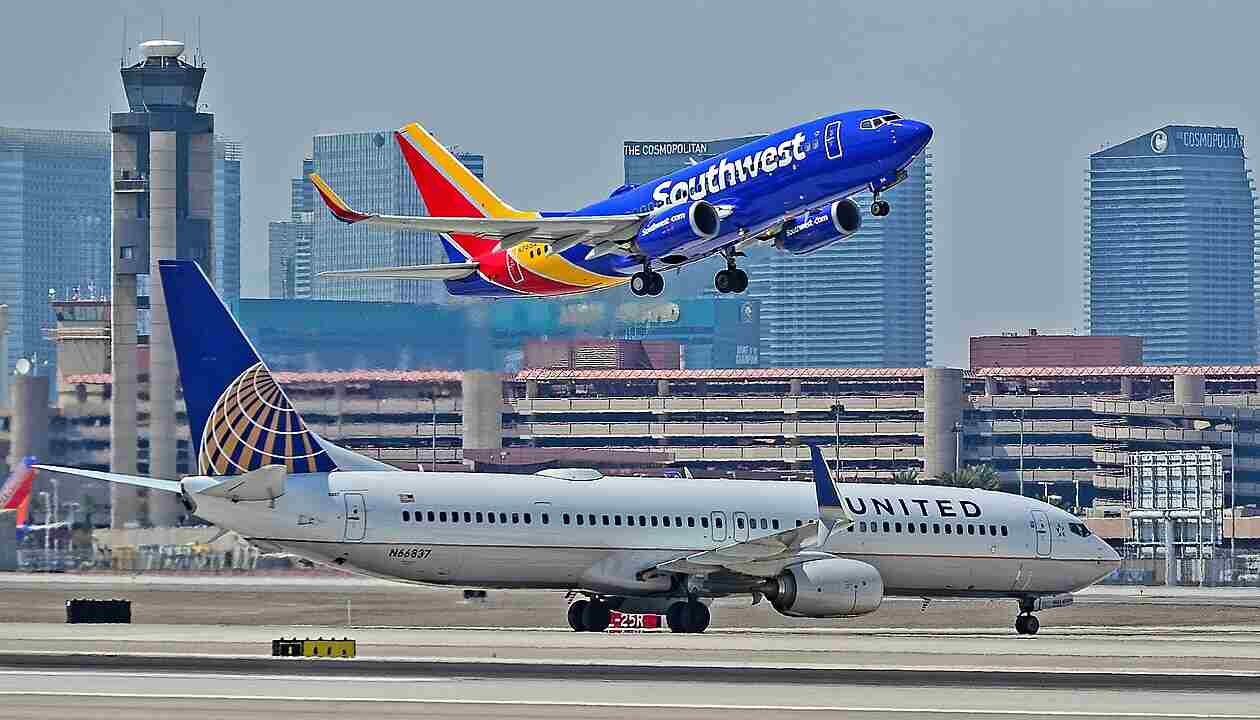
Airlines now want federal agents to follow defined procedures before approaching passengers or entering secure airport areas. The dispute has placed ICE enforcement inside ordinary airline operations, where crews and ground staff must manage aircraft, customers and security rules.
The campaign has also moved beyond travelers with final deportation orders. People with pending asylum cases, green card applications, work authorization renewals or family ties to U.S. citizens have come under scrutiny.
Airlines for America said member carriers held “constructive” discussions with ICE and TSA. The group said the talks sought “appropriate procedures and protocols are established to prioritize the safety and security of everyone involved.”
Airlines are demanding documentation before agents approach passengers
Southwest said it would require “appropriate legal” documentation before sharing customer information with law enforcement. JetBlue said it does not collect passengers’ immigration status and has no government notification system.
The Dallas encounter showed how those positions can affect an arrest attempt. Ground employees denied the officer access to a Southwest aircraft because the agent lacked a judge-signed warrant.
Flight attendants have raised separate workplace concerns. Sara Nelson, international president of the Association of Flight Attendants-CWA, wrote to carriers in March 2026 after an agent boarded a flight in Minneapolis to interrogate a passenger.
“The actions that federal enforcement authorities have taken in our workplaces have raised glaring workplace, safety, and legal concerns for flight attendants.”
Nelson’s letter focused on agents entering areas where crews work and passengers travel. The union’s concerns include aircraft access, secure-area procedures and the responsibilities placed on flight attendants during encounters with federal officers.
A May 2025 agreement expanded the passenger-data screening system
The current operation grew from a Memorandum of Agreement signed by TSA and ICE in May 2025. The arrangement repurposed the Secure Flight Program, which began in 2007 for counterterrorism purposes, to allow immigration officers to cross-reference passenger lists against immigration databases.
A July 2026 FOIA release from American Oversight said TSA provided records on more than 31,000 travelers for potential enforcement. Internal ICE data showed more than 800 arrests based on TSA-provided information between the start of the current administration and February 2026.
The pace has accelerated. Federal officials now make between 20 and 40 arrests per day at airports, compared with fewer than 10 per day in May 2025, according to a DHS official.
| Measure | Reported figure |
|---|---|
| Travelers whose records TSA provided for potential enforcement | More than 31,000 |
| Arrests based on TSA-provided information through February 2026 | More than 800 |
| Current daily airport arrests | 20 and 40 |
| Daily airport arrests in May 2025 | Fewer than 10 |
| Airports with documented operations | At least 15 |
Ha Nguyen McNeill, the acting TSA administrator, described the agency’s role during sworn testimony before the House Homeland Security Committee.
“We don't send the information to ICE; we help ICE check against information.”
American Oversight and other watchdog groups have said that explanation conflicts with the May 2025 agreement, which outlines procedures allowing ICE to retain TSA-shared data.
The operations have been documented at major hubs including San Francisco, Houston, Denver and Dulles. Miami and Kansas City are also among the airports identified in the campaign.
DHS says some travelers may fly only to leave the country
The Department of Homeland Security has defended the policy by saying people with expired visas may use airports only for “voluntary departure” from the United States.
A DHS spokesperson said on July 31, 2026:
“This administration is working diligently to ensure that aliens in our country illegally can no longer fly unless it is out of our country to self-deport.”
The categories drawing attention include people with expired tourist or work visas, asylum seekers with pending cases, applicants with pending green card applications and people awaiting work permit renewals.
Some travelers have unresolved immigration matters rather than final decisions. The expanded screening therefore reaches people whose cases remain pending, including individuals seeking asylum or renewing employment authorization.
Students, crew members and former au pairs have been detained
Alim Garipov, 18, a Bellaire High School student, was detained at William P. Hobby Airport on July 25, 2026, while traveling to visit colleges. ICE held him for three days despite his pending asylum application.
Lorenzo Thompson, a Southwest Airlines flight attendant and Jamaican national, was arrested at Nashville International Airport on July 14, 2026, for overstaying his visa.
Chantal Alejandra Morales Rojas, an Ecuadorian former au pair, was detained at Denver International Airport while boarding a flight. Video of the encounter prompted calls for boycotts against Southwest Airlines.
The cases involve different airport settings. One involved a student traveling for college visits, another involved an airline employee, and a third involved a former au pair boarding an aircraft.
Airline staff may have to respond when federal officers seek access to a plane or request customer information. The carriers’ objections center on documentation, secure areas and operational safety.
Lawmakers are targeting passenger data and agent conduct
Representative Rashida Tlaib of Michigan’s 12th District introduced the “No TSA Data for ICE Act” on August 4, 2026. The proposal would prohibit TSA from sharing personally identifiable information with ICE or CBP for civil immigration enforcement.
California state Senator Scott Wiener introduced the “No Kings Act.” The measure would allow individuals to sue federal agents for constitutional violations occurring during airport enforcement actions.
The proposals address different parts of the conflict. Tlaib’s measure concerns passenger information, while Wiener’s proposal concerns remedies for conduct during airport operations.
Airlines for America said its discussions with ICE and TSA sought procedures that prioritize safety and security. Southwest’s Dallas decision put the unresolved operational question in concrete terms: whether an officer may reach a passenger without a judge-signed warrant.
Airline ground workers, flight crews and federal officers now face that question at airports where the screening program operates. The August 4 legislation adds a separate congressional track to the dispute over passenger data and airport arrests.
This article provides general information and is not legal advice. Consult a qualified immigration attorney about your specific case.