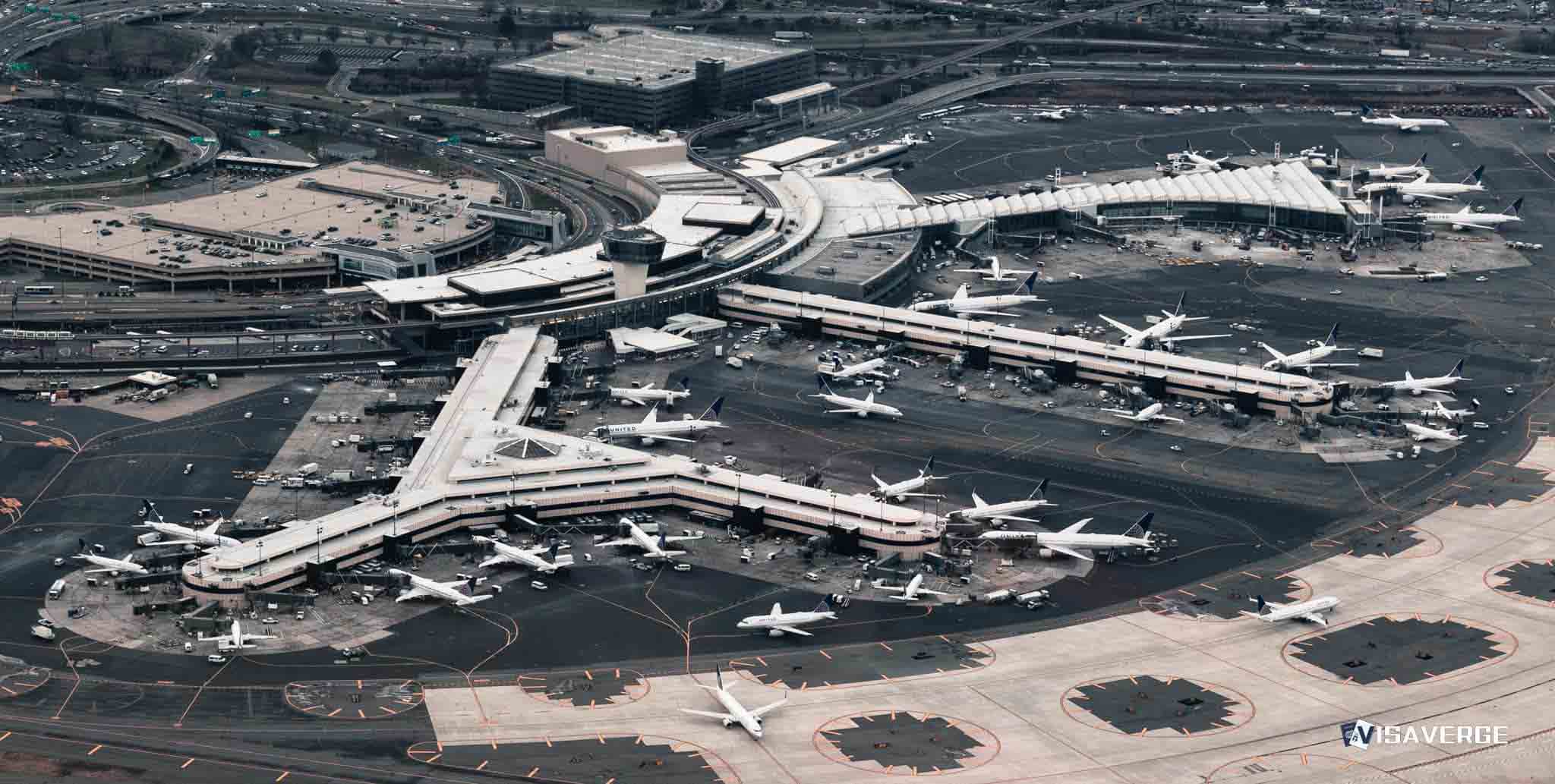
- TSA and ICE established a data-sharing pact in May twenty twenty-five for immigration enforcement purposes.
- The agreement uses Secure Flight passenger data to identify travelers with visa overstays or status issues.
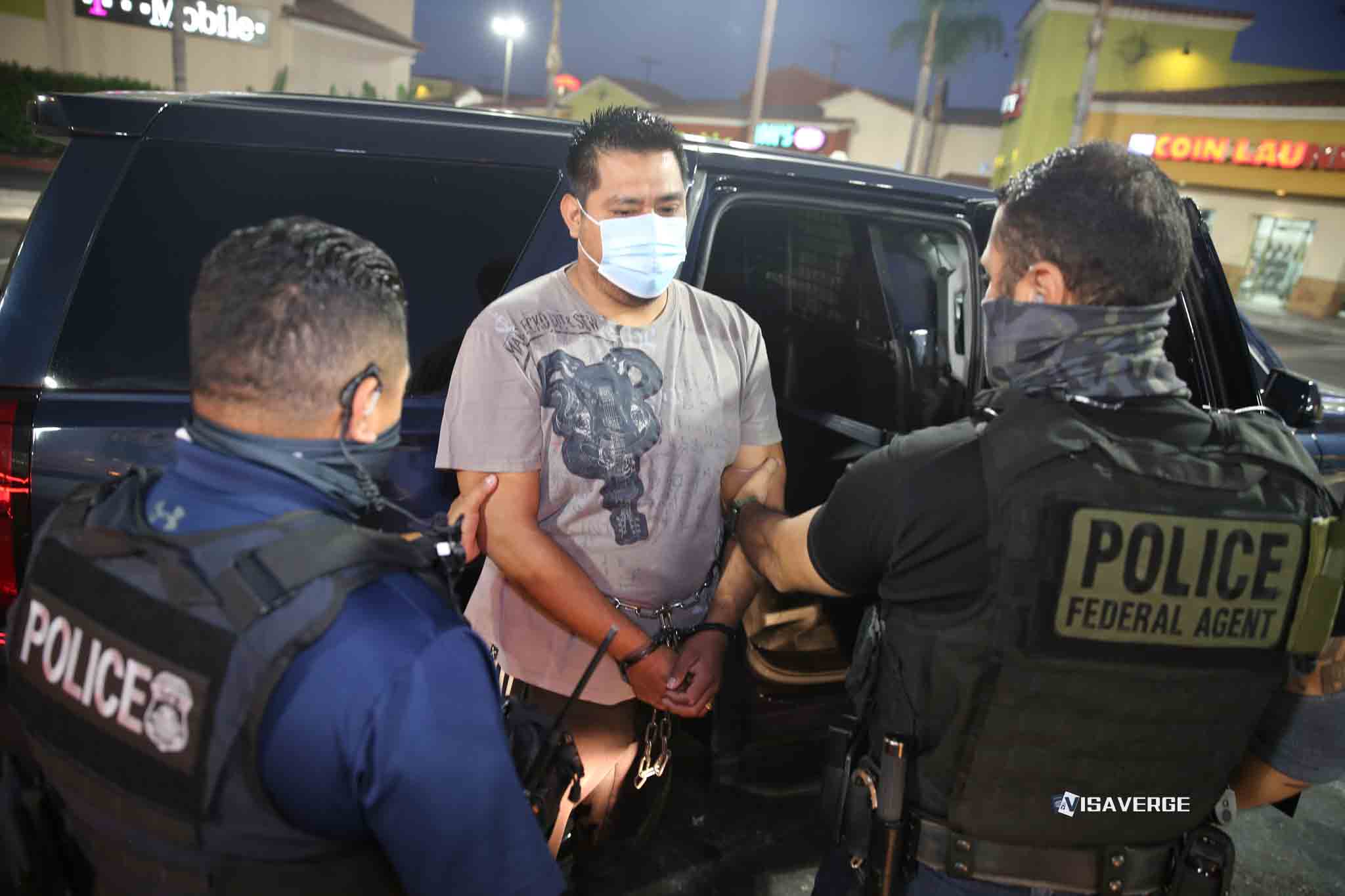
- Reports link the program to over eight hundred arrests across at least fifteen major United States airports.
The TSA signed a 16-page memorandum in May 2025 allowing passenger information to be shared with ICE for immigration-enforcement purposes. The pact covers data collected for aviation security and has operated since May 2025.
The document governs the “sharing, storage, and management of information” between the agencies. It also permits the receiving department to store information in its own repository.
Airlines transmit covered-flight details to TSA before departure through the Secure Flight system. Those records include a traveler’s full name, date of birth, gender and passport information.
The exact transfer remains partly obscured. The agreement’s appendices identifying the data elements shared with ICE were heavily redacted.
Acting TSA Administrator Ha Nguyen McNeill rejected the description that the agency directly sends its records for enforcement. She said the department helps officials compare information instead.
“That is not what is occurring,” McNeill said.
McNeill also defended the arrangement as falling within the department’s authority. She said the agency was “within our authorities to share information within the Department of Homeland Security to further the national security mission.”
The agreement authorizes immigration-related record checks and storage
The memorandum cites the 2008 Secure Flight Final Rule as its legal basis. It remains effective until terminated and receives a review every five years.
Its stated reach extends beyond aviation-security concerns. The arrangement authorizes the use of information to identify noncitizens of interest, including people with expired visas, pending renewals or other status problems.
The document also allows the department to retain received information in its own repository. That permission concerns storage, not merely a one-time comparison.
One account said the airport security agency provided records involving more than 31,000 travelers. The same account linked the program to more than 800 immigration-related arrests.
Those figures come from an outside account. They describe reported results, not a numerical estimate stated in the memorandum.
Redactions conceal the precise passenger fields exchanged
The public agreement establishes the broad framework, while withholding much of the field-by-field detail.
| Passenger information sent before covered flights | What the public agreement shows |
|---|---|
| Full name | The appendices identifying shared fields are heavily redacted |
| Date of birth | The appendices identifying shared fields are heavily redacted |
| Gender | The appendices identifying shared fields are heavily redacted |
| Passport information | The appendices identifying shared fields are heavily redacted |
A separate report said the information may include passenger names, birth dates and other records. The wording describes a possibility, rather than a complete public inventory.
The redactions prevent a field-by-field determination. They also leave unclear whether every listed Secure Flight category moves in every case or only under specified conditions.
The distinction is central. The memorandum expressly authorizes sharing, storage and management, while the redacted appendices conceal the precise contents and mechanics of the exchange.
Reported airport arrests sharpen the dispute over prior testimony
The arrangement has intensified criticism because the department had said it was not sending information for immigration-enforcement purposes. Reports tied airport-screening information to arrests at multiple airports, including at least 15 airports in one account.
Those reports concern alleged enforcement outcomes. They do not, by themselves, disclose every step in the data-matching process.
Rep. Rashida Tlaib accused the airport security agency of helping extend immigration enforcement into airports and said it had been “openly lying about it.” American Oversight Executive Director Chioma Chukwu called the arrangement “a dangerous precedent.”
The reported activity includes people with visa overstays, pending applications, pending renewals or other unresolved status questions. Airport screening can therefore intersect with immigration enforcement even when travel is the immediate purpose.
The practical effect depends on how officials use the records. The public appendices do not show that process in full.
The memorandum remains effective until terminated and is subject to review every five years. Its redacted appendices continue to limit public visibility into the information exchanged.