- ICE released Johns Hopkins researcher Fatima Ameaka after four days of detention following a domestic flight boarding attempt.
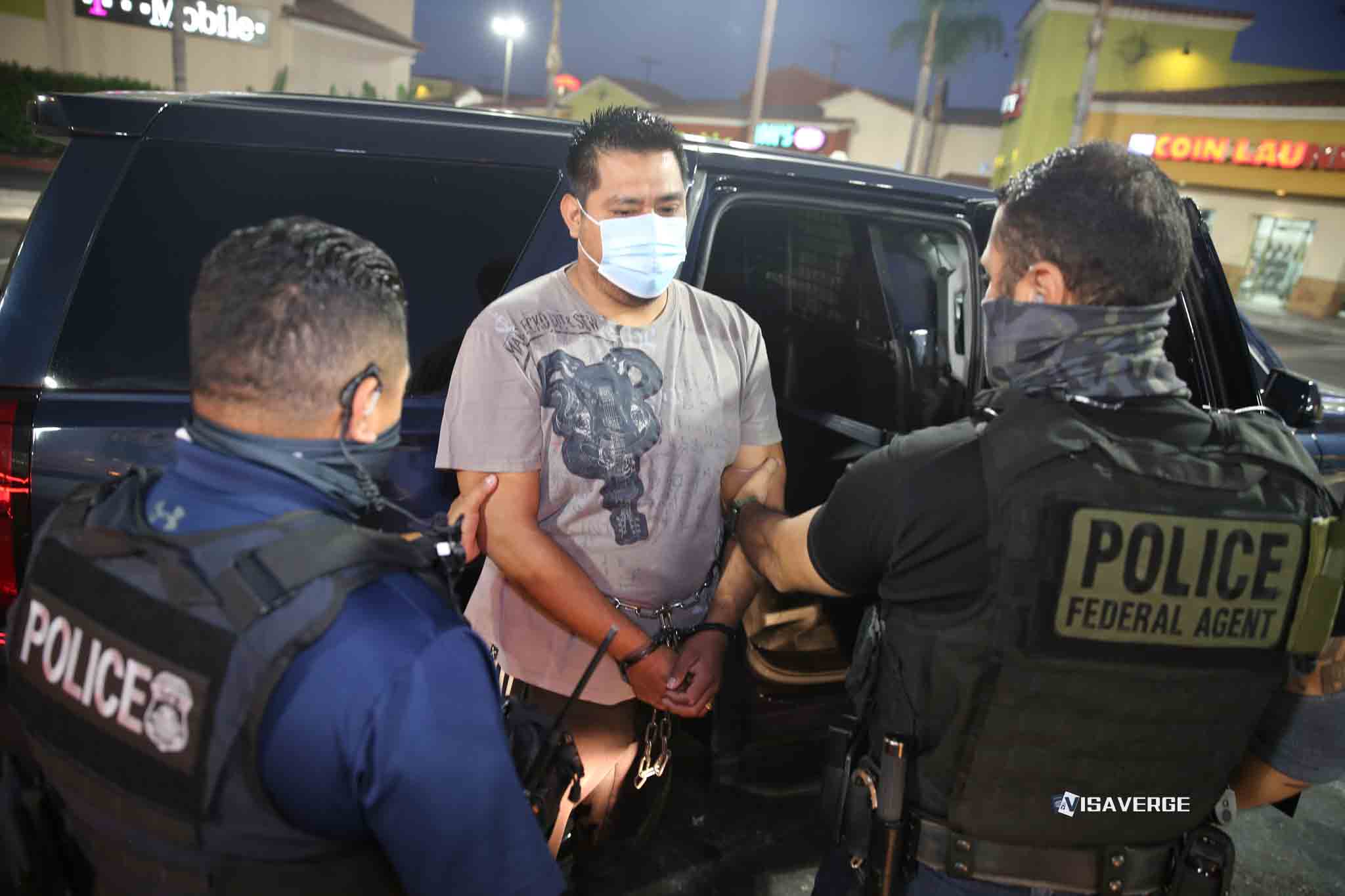
- A May 2025 agreement shares TSA passenger data with ICE, leading to over eight hundred arrests nationwide.
- The DHS policy reversal targets domestic air travel for individuals with expired visas or pending immigration applications.
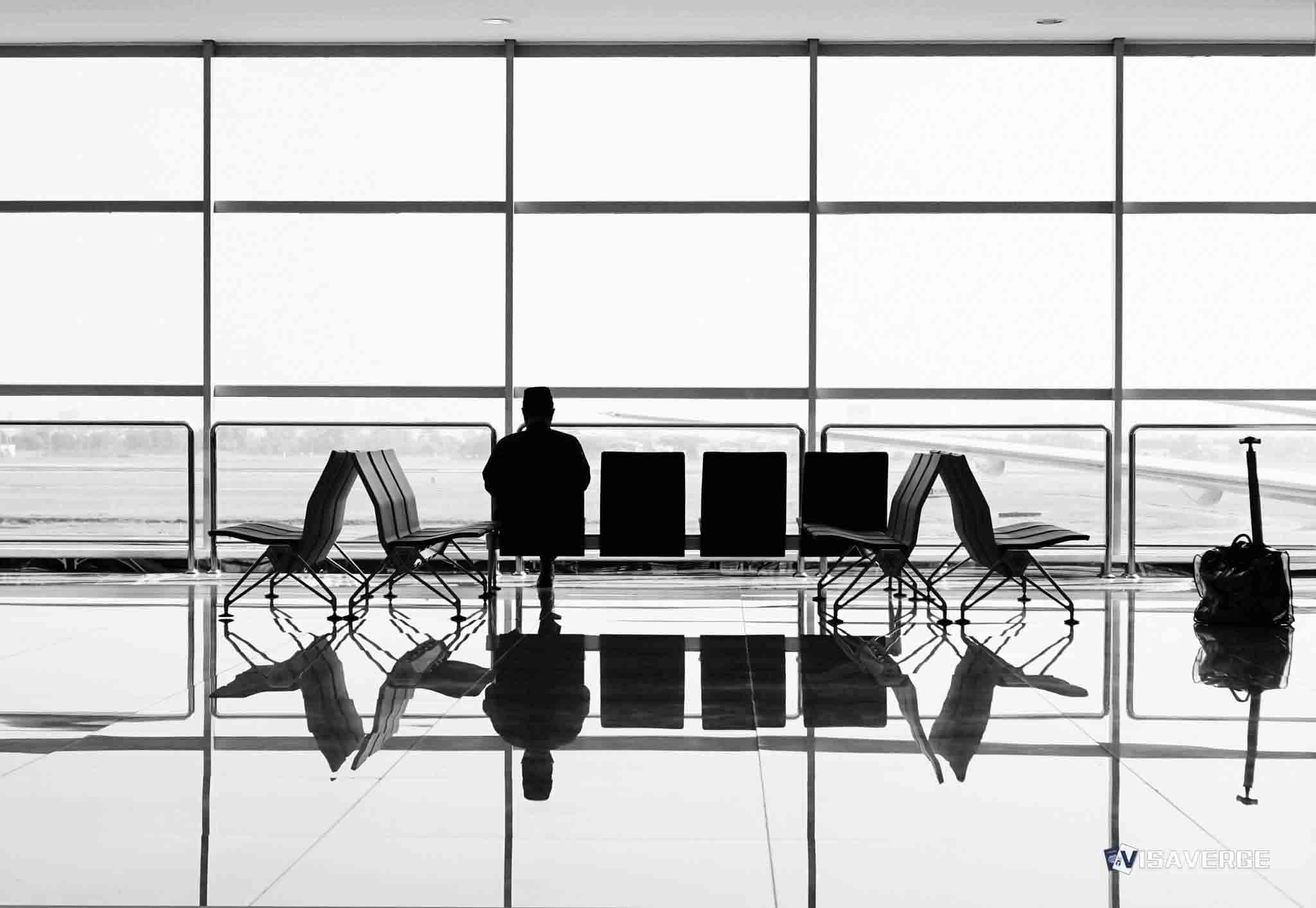
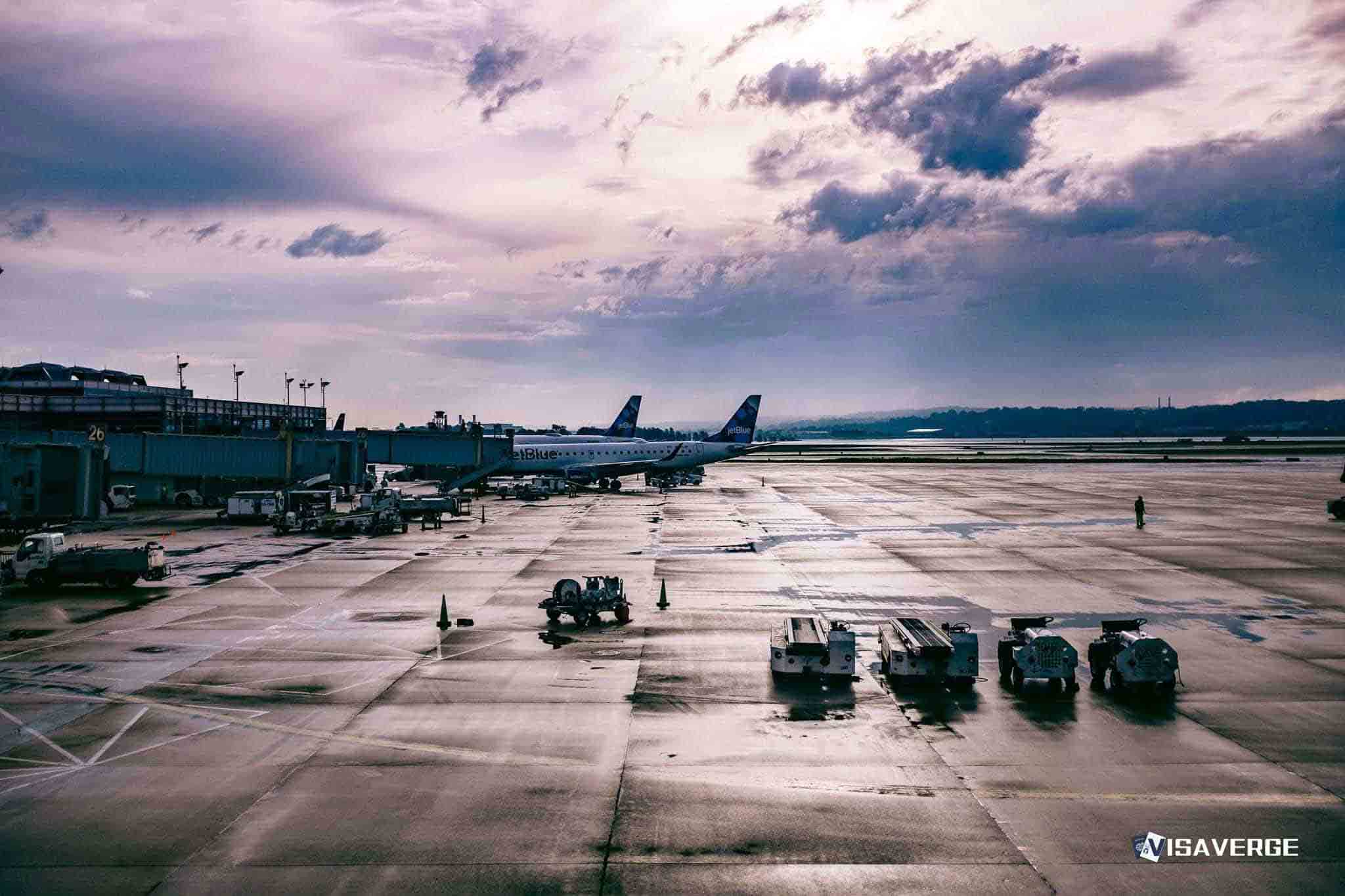
ICE released Fatima Ameaka late Friday, July 31, after holding her for four days at Baltimore-Washington International while she tried to board a domestic flight to Florida. The 31-year-old public health researcher at Johns Hopkins University, who is from Cameroon, was detained Tuesday, July 28.
Her attorney, Benjamin Osorio, said Ameaka had valid work authorization and a pending asylum application. The Department of Homeland Security alleged that she overstayed a Fulbright scholarship visa that expired in June 2024.
Free toolUSCIS Receipt Number Decoder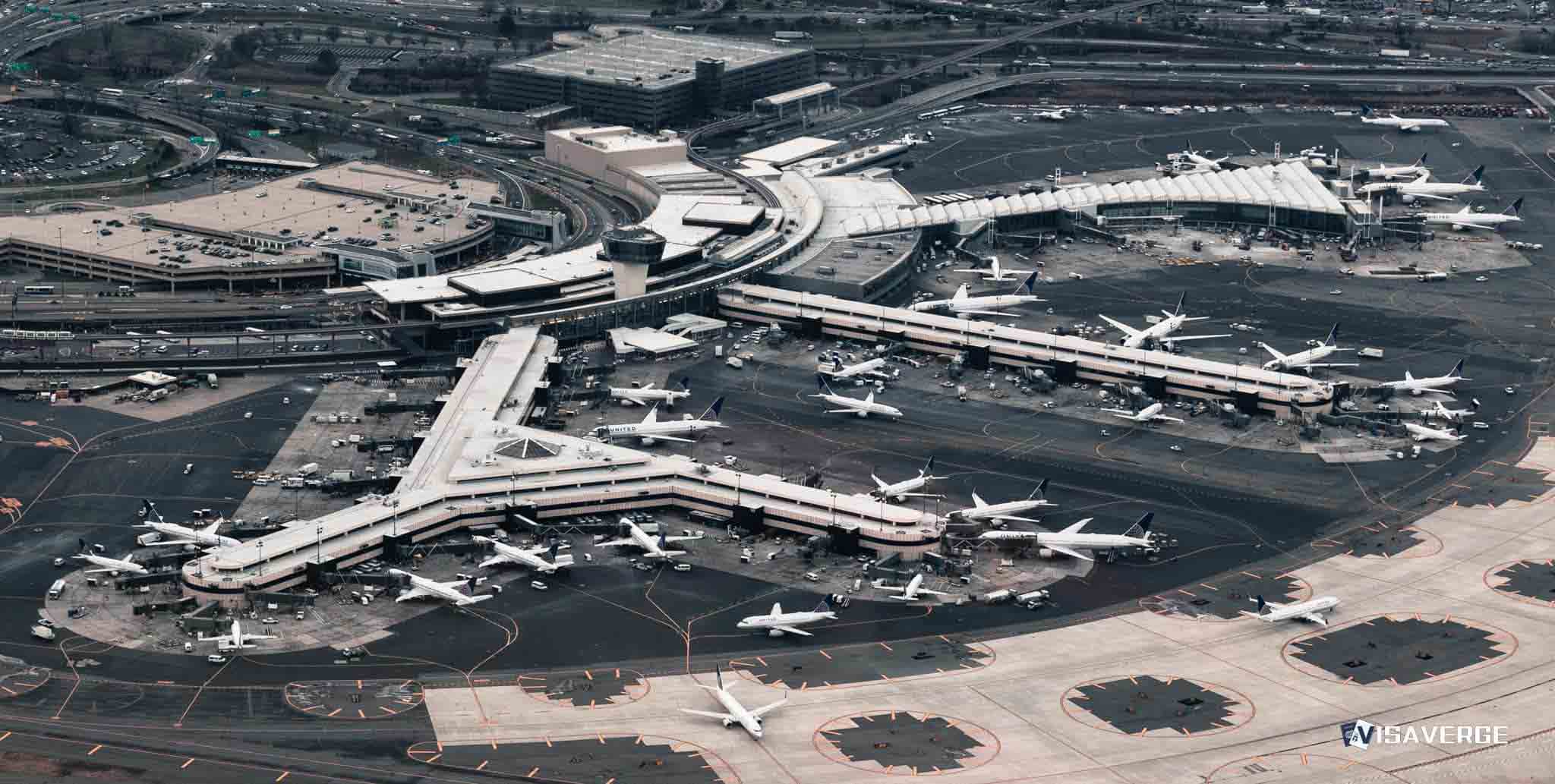
Agents moved Ameaka through facilities in Virginia, Louisiana, and Texas before releasing her. The detention has drawn attention to airport arrests connected to a passenger-data agreement between the Transportation Security Administration and U.S. Immigration and Customs Enforcement.
DHS defended the arrest in a statement issued July 30-31.
"On July 28, 2026, ICE arrested Fatima Ameaka, an illegal alien from Cameroon, at the Baltimore/Washington International Thurgood Marshall Airport. In violation of our nation's laws, she overstayed her visa. She will remain in ICE custody pending removal proceedings."
A DHS spokesperson issued the statement. Ameaka’s release came after the department said she would remain in custody pending removal proceedings.
A May 2025 agreement lets ICE turn passenger data into airport leads
The agencies signed a Memorandum of Agreement in May 2025. American Oversight made it public through a Freedom of Information Act request.
The agreement allows TSA to share Secure Flight data with ICE. The information includes a passenger’s name, date of birth, passport information, and itinerary. ICE can use those records to identify what the agreement calls “individuals of interest.”
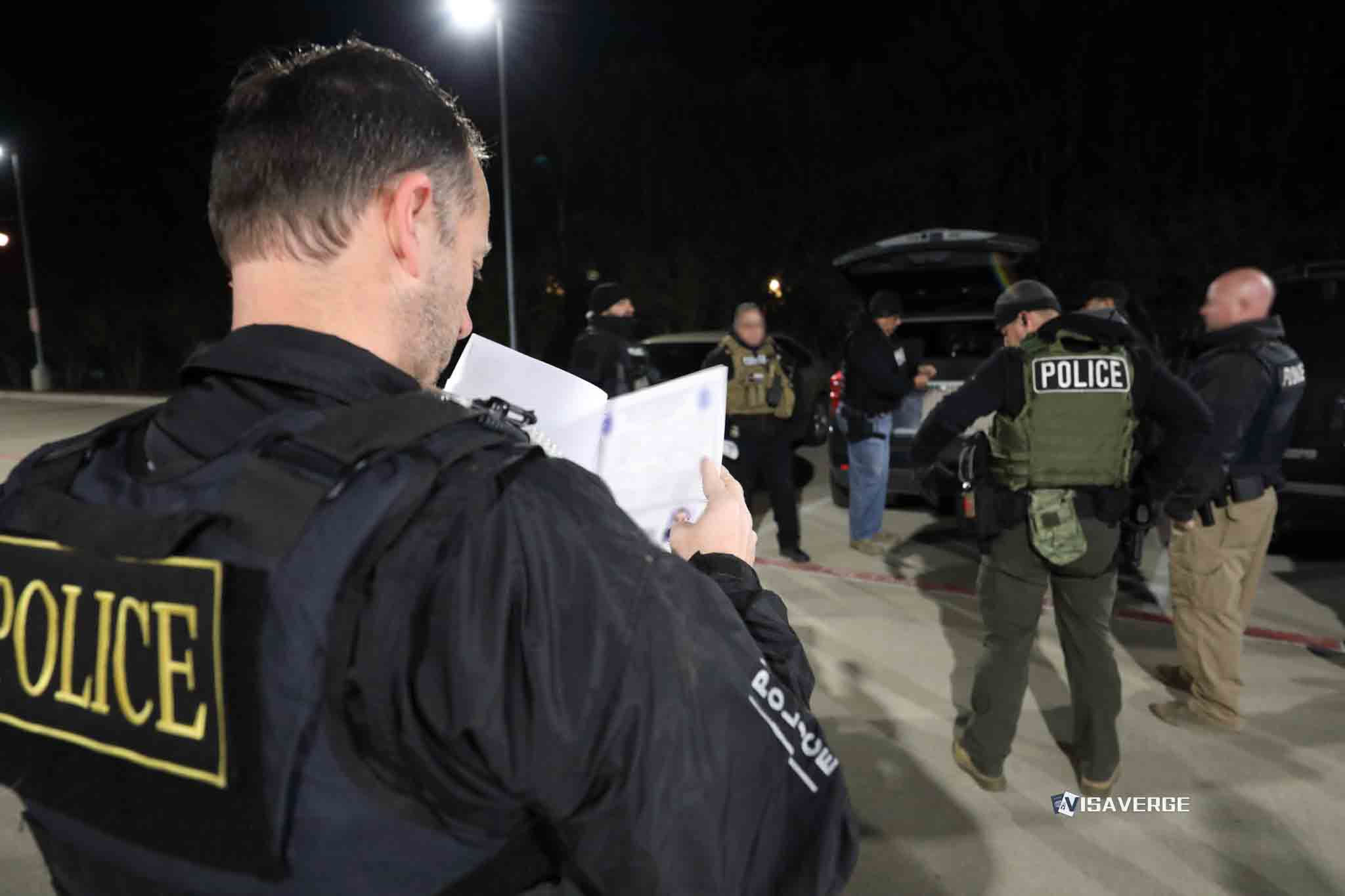
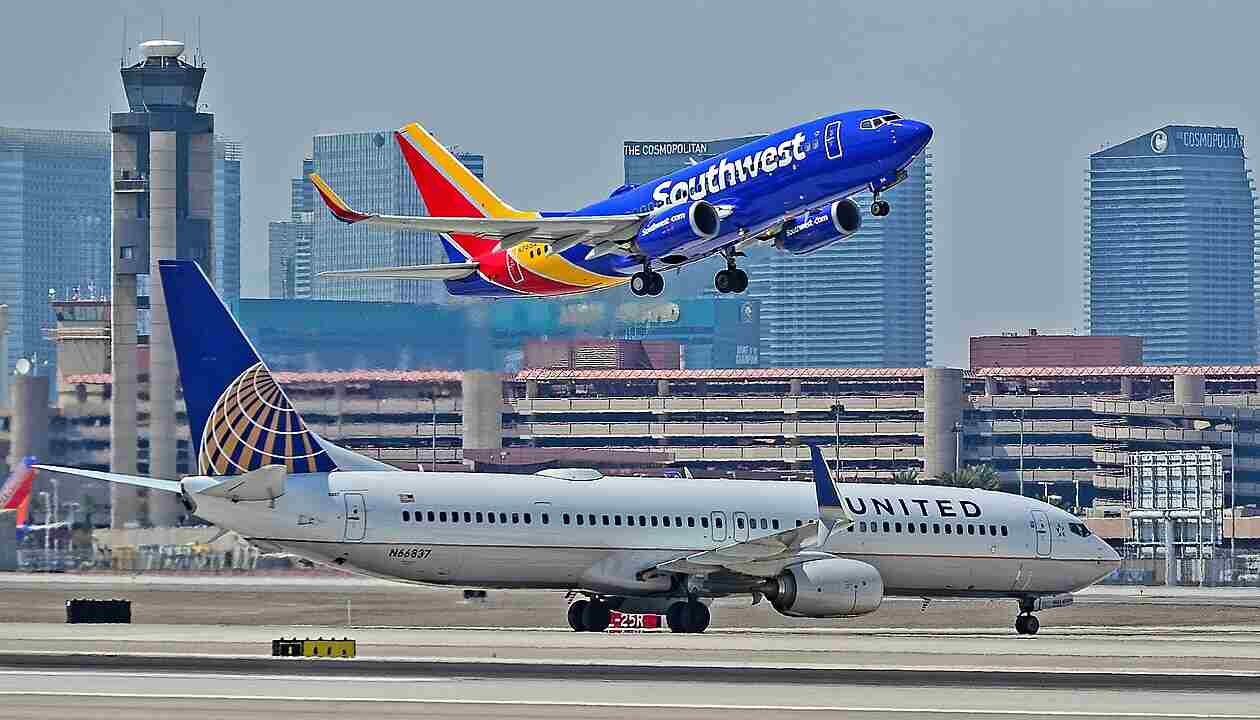
Agents, often in plain clothes, use the leads at check-in counters, security lines, and gates. The operations have reached between 15 and 25 major airports, including BWI, Dulles, SFO, LAX, and Bradley International.
The enforcement targets people with expired visas, including some travelers with pending asylum applications or marriage-based green card applications. The arrangement has become known as a “hidden contract” among critics and lawmakers because it conflicts with earlier congressional testimony from TSA officials who said passenger data was not used for routine civil immigration enforcement.
DHS defended the information exchange as a security measure.
"Information sharing between ICE and TSA is essential in identifying who is attempting to travel in our country, including violent criminals, to keep our skies and our country safe."
A DHS spokesperson made that statement.
The disclosed figures show referrals far exceed confirmed terminal arrests
As of August 2026, TSA had sent records for over 31,000 travelers to ICE since the start of the current administration’s term. Those referrals led to more than 800 arrests overall.
At least 27 confirmed arrests occurred inside airport terminals across nine states. The broader referral figure includes records sent to ICE, while the terminal total covers arrests confirmed at airports.
| Enforcement measure | Reported figure |
|---|---|
| Traveler records sent to ICE | Over 31,000 |
| Arrests resulting from referrals | More than 800 |
| Confirmed arrests inside terminals | At least 27 |
| States with confirmed terminal arrests | Nine |
| Major airports reached | 15-25 |
Ameaka’s case began at a Maryland airport and continued through detention facilities in three other states. Her attorney cited her work authorization and asylum filing; DHS cited the alleged visa overstay.
DHS says domestic flights are no longer outside the enforcement policy
DHS described the arrests as part of a policy reversal announced July 29-31. The department said the prior approach allowed people unlawfully present in the United States to travel by air within the country.
"DHS reversed the horrendous Biden-era policy that allowed aliens in our country illegally to jet around our country. Under President Trump, DHS will no longer tolerate this. This Administration is working diligently to ensure that aliens in our country illegally can no longer fly unless it is out of our country to self-deport."
The statement described the change as a departure from earlier norms under which domestic air travel was considered safe for people with pending immigration cases or minor civil violations who did not pose a security threat.
Ameaka’s detention placed that policy against a case involving an alleged visa overstay and an unresolved immigration application. Osorio cited her valid work authorization and pending asylum application, while DHS relied on the alleged expiration of her Fulbright scholarship visa in June 2024.
Funding claims and questions about TSA’s role remain unresolved
Reports suggest the operations may be funded through the “One Big Beautiful Bill Act,” or OBBBA. The law allocated $75 billion for ICE enforcement and detention expansion, but the material describing the airport arrests does not tie a specific portion of that allocation to Ameaka’s detention.
The Electronic Frontier Foundation has questioned the legality of using TSA security data for civil law enforcement. The organization argues that the practice exceeds TSA’s statutory scope of “domestic security.”
The dispute turns on how the agencies use the information. TSA collects Secure Flight data for air-travel screening, while ICE uses shared records to identify travelers for immigration enforcement.
The May 2025 agreement provides a formal channel for that exchange. Its disclosure also revived questions about the earlier congressional testimony concerning routine civil immigration enforcement.
Ameaka was released on July 31 after four days in custody. The agreement signed in May 2025 remains central to scrutiny of how airport passenger information reaches immigration agents and how those leads are used inside terminals.
This article provides general information and is not legal advice. Consult a qualified immigration attorney about your specific case.