- ICE agents detained researcher Fatima Ameaka at B-W-I Airport while she boarded a domestic flight.
- The arrest was based on an expired visa status from twenty twenty-three, despite her academic contributions.
- Over forty thousand dollars was raised within twenty-four hours to support her legal representation and bond.
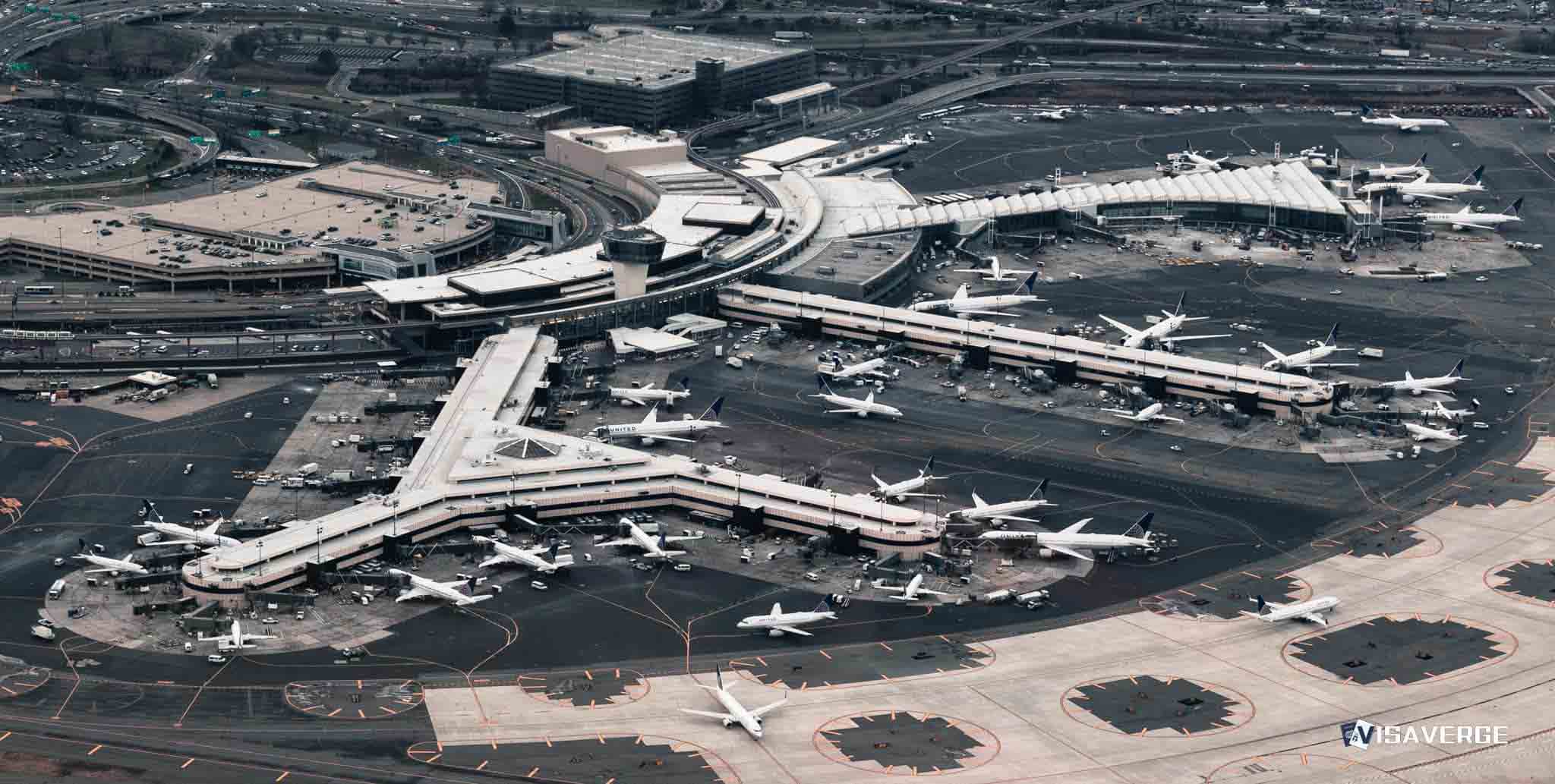
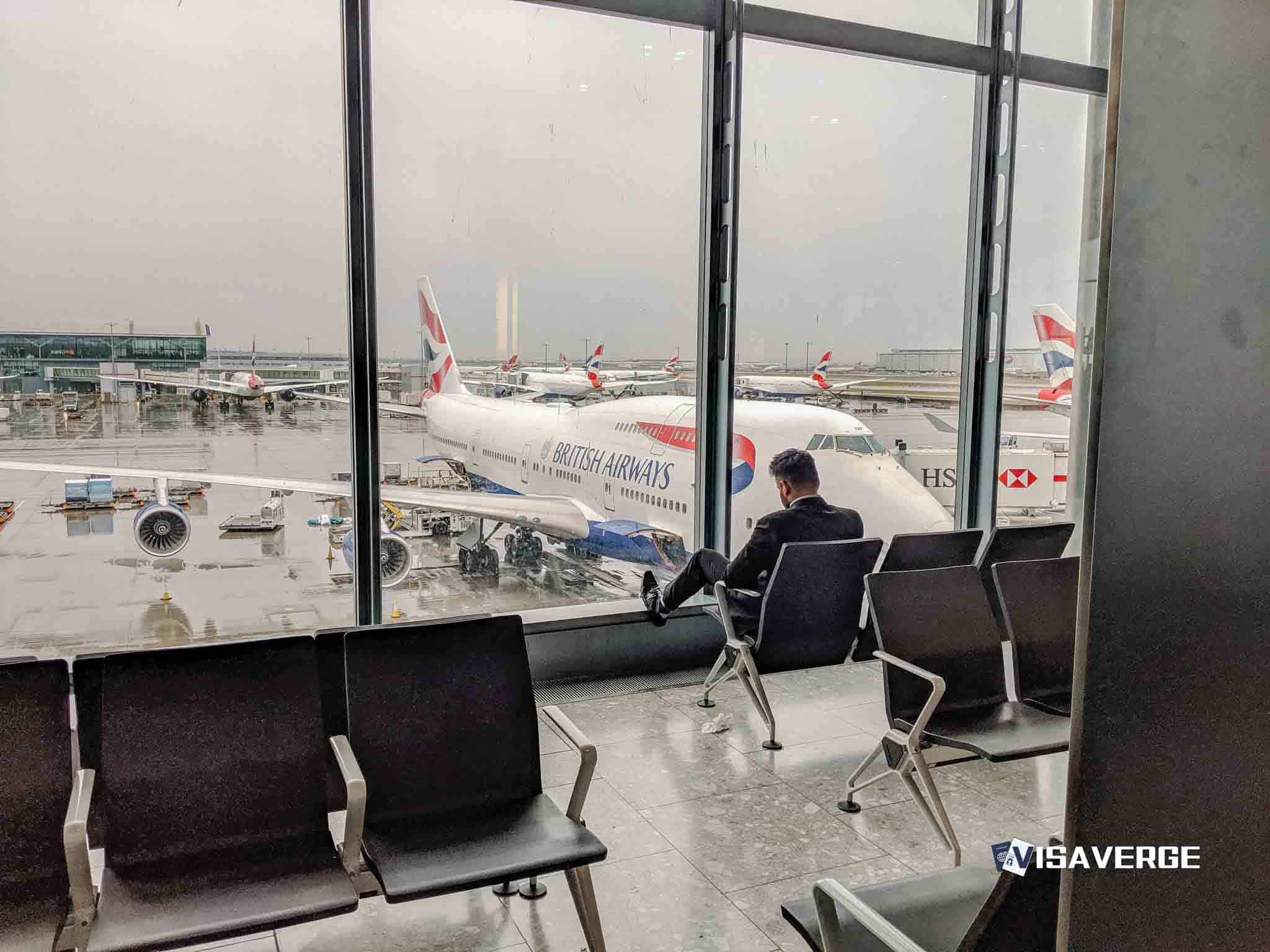
Fatima Ameaka, a Johns Hopkins Bloomberg School of Public Health researcher, was detained by U.S. Immigration and Customs Enforcement (ICE) officers while boarding a domestic flight at Baltimore-Washington International Airport on Tuesday, July 28, 2026. She was traveling for a personal trip.
Ameaka remained in custody as of July 31, 2026, and was awaiting an immigration court hearing. The Department of Homeland Security said she entered the United States in 2023 on a visa that has since expired.
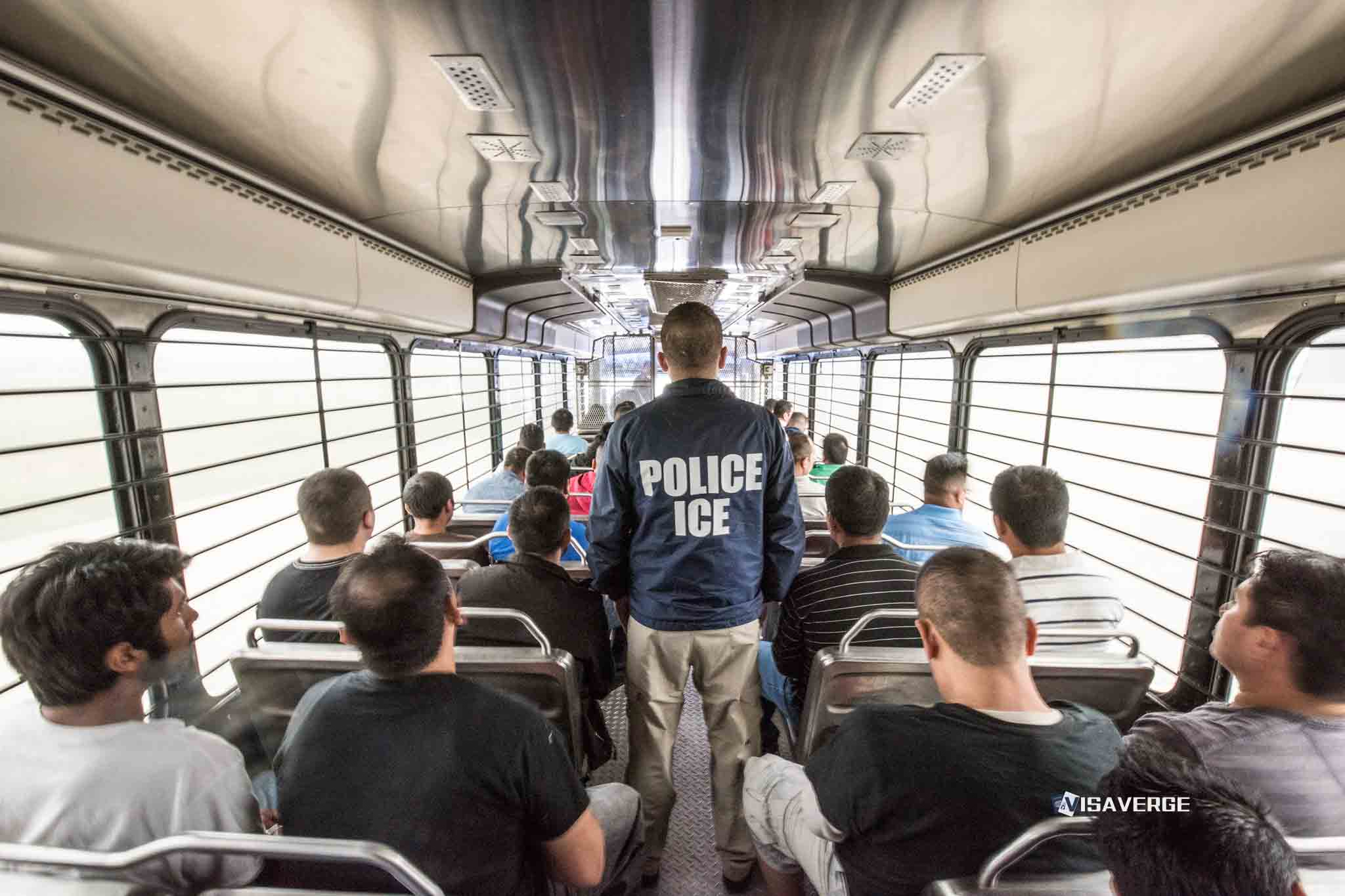
Johns Hopkins said it was working to support her and help ensure access to legal representation. The university did not discuss the specifics of her case.
Doug Donovan, a university spokesperson, said the detention had unsettled the institution.
"The university is deeply concerned about the detention of Dr. Ameaka, who is a respected member of our community. Though we cannot comment on the specifics of her situation, we want to assure our community that the university is actively working to provide support for Dr. Ameaka, including ensuring she has access to legal representation."
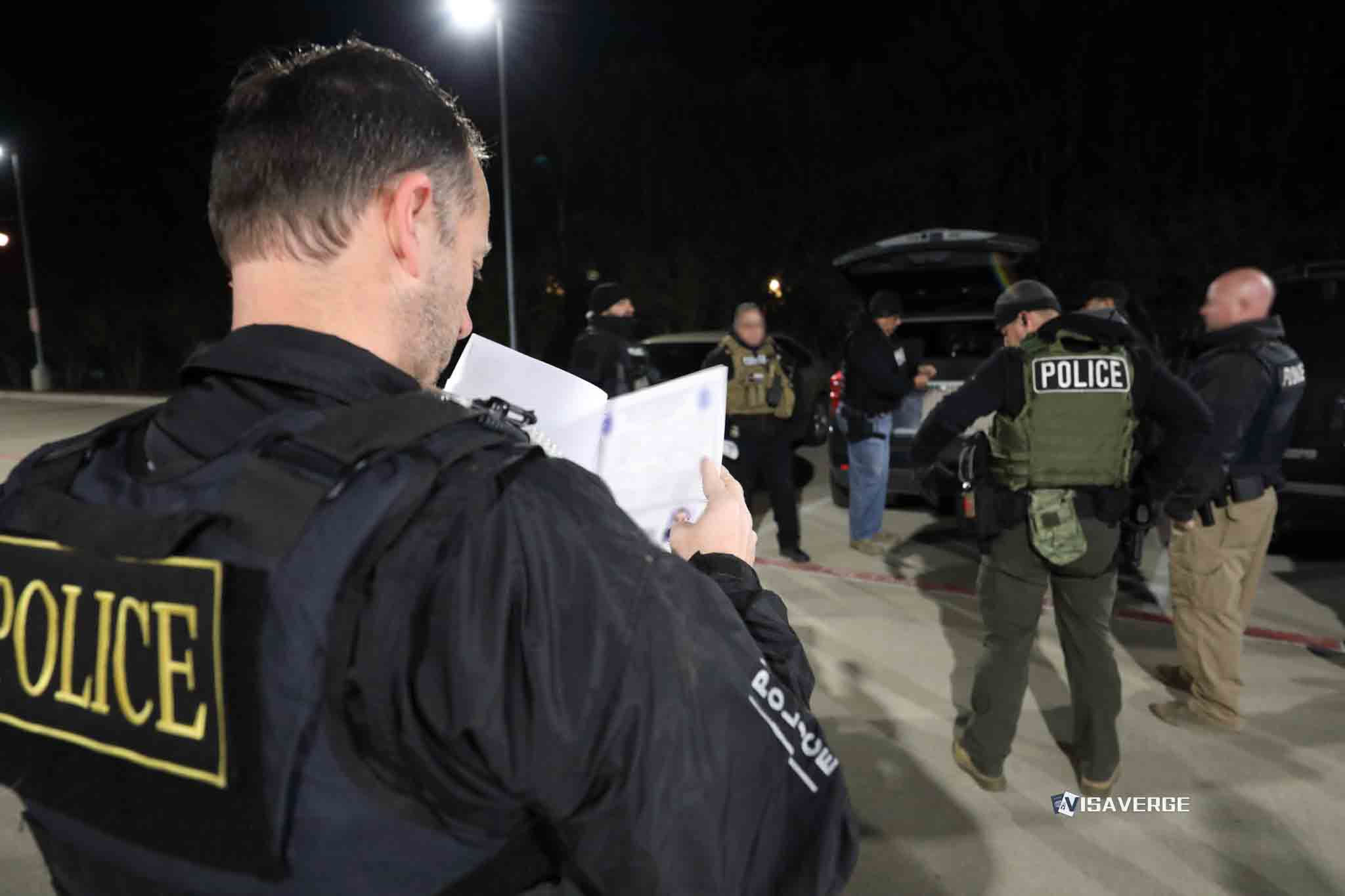
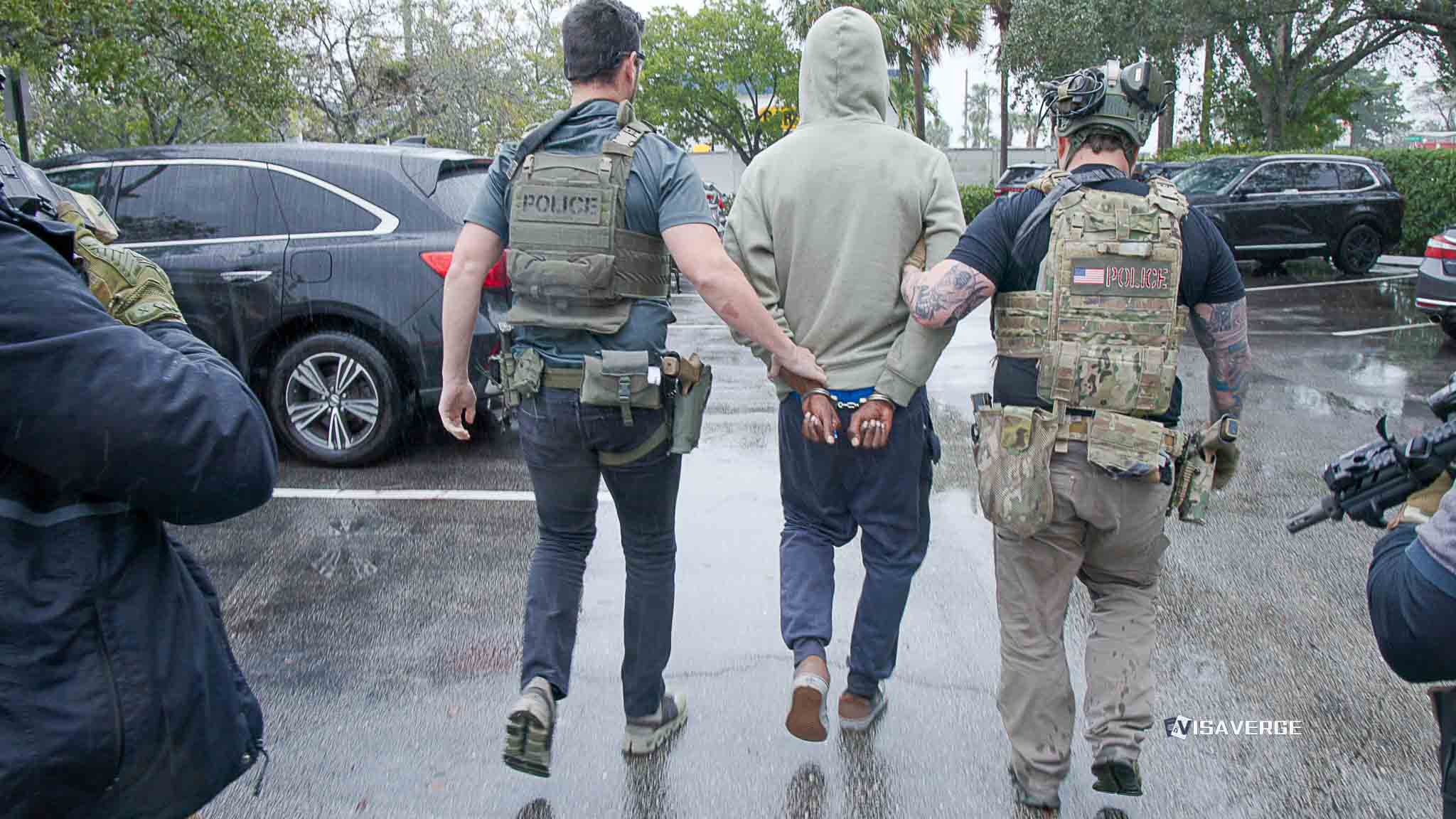
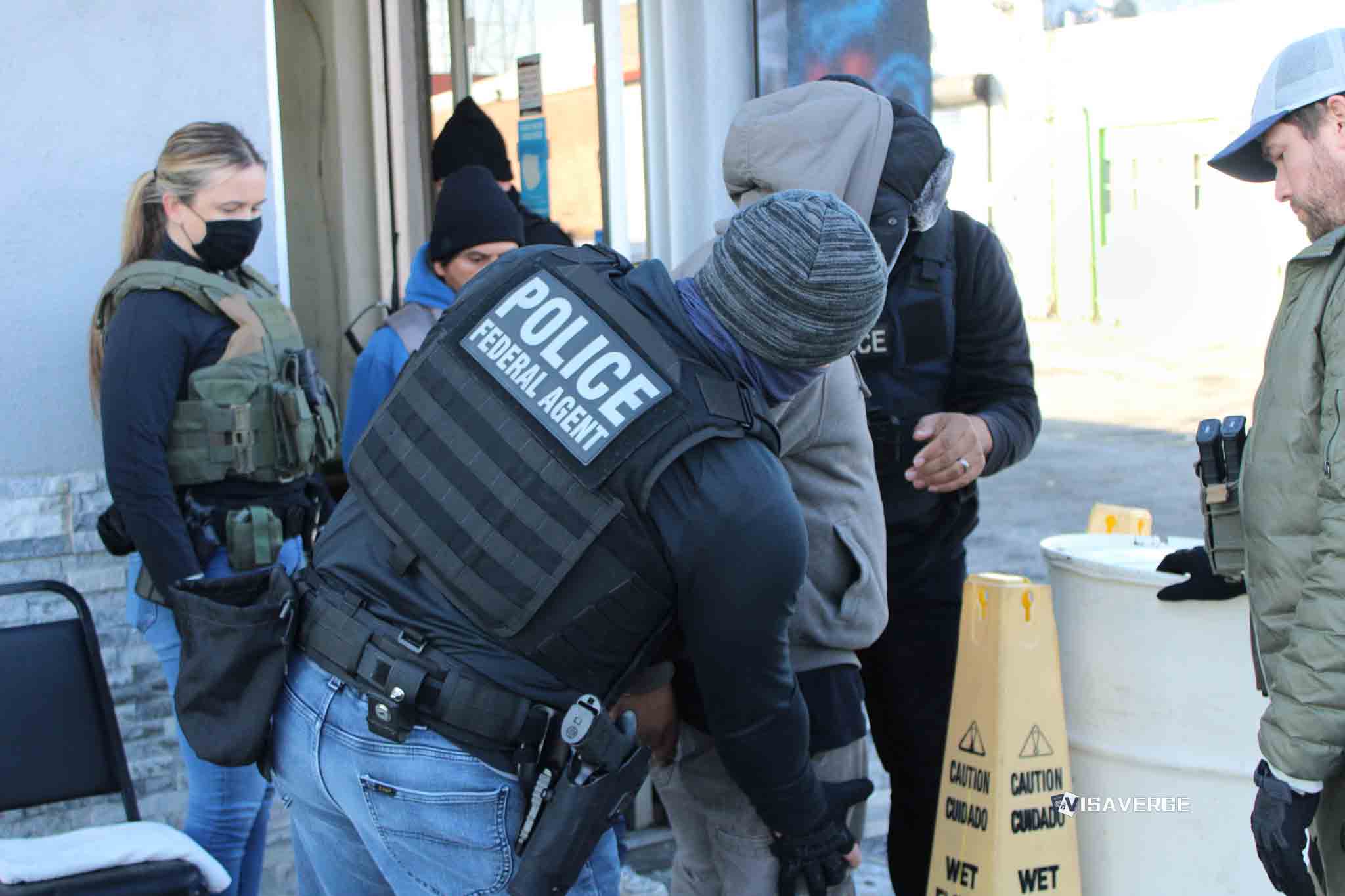
DHS confirmed on July 30 that Enforcement and Removal Operations agents made the arrest based on her expired visa status. The agency’s statement tied the detention to immigration enforcement, while Ameaka’s court proceedings remained pending.
Ameaka’s public-health work has drawn support from colleagues
Ameaka holds the title Research Associate II and Senior Analyst at the Johns Hopkins Bloomberg School of Public Health’s Center for Outbreak Response Innovation. She is a former Fulbright scholar.
Her recent work included a May 2026 white paper titled “translating metagenomic surveillance into faster public-health decisions.” The research focuses on turning disease surveillance data into quicker public-health decisions.
Colleagues described Ameaka as a “brilliant scientist” whose expertise is important to epidemic preparedness. University leadership also acknowledged the fear and concern her detention has caused within the academic community.
A fundraising campaign organized by colleague Sarah F. raised over $40,000 from more than 300 donors within 24 hours. The campaign, titled “Help Bring Fatima Home,” sought money for bond and legal fees.
The campaign reflects the immediate assistance colleagues are trying to provide while Ameaka remains detained. Her university said its support includes connecting her with legal representation.
Airport screening can identify civil immigration violations
The detention came amid a broader administration effort to expand immigration enforcement at airports. A May 2025 memo directed the Transportation Security Administration to share passenger manifests and leads with immigration authorities.
That arrangement allows officers to identify noncitizens with civil immigration violations, including visa overstays. The research describes the approach as applying even when the person has no criminal record.
Domestic air travel therefore can bring immigration officers into contact with people whose cases involve visa compliance rather than criminal allegations. Ameaka was detained while boarding a domestic flight, not at an international border crossing.
Acting ICE Director David Venturella oversaw the operation after taking the post on June 1, 2026. Nikita Baker, the Baltimore field office director, also held an oversight role.
The agency has not publicly identified an additional criminal allegation in connection with the arrest. Ameaka’s expired visa status is the basis DHS provided for the detention.
Baltimore officials have challenged conditions at the local field office
A separate dispute concerns the Baltimore immigration field office at 31 Hopkins Plaza, where Ameaka may be processed. Maryland lawmakers have repeatedly criticized conditions there.
Senators Chris Van Hollen and Angela Alsobrooks, together with Representatives Kweisi Mfume and Jamie Raskin, raised the issue in a February 2026 letter to DHS Secretary Markwayne Mullin. They described the holding rooms as “cage-like” and “deeply disturbing.”
The lawmakers had also been denied entry to inspect the facility on July 28, 2025. That denial continued to fuel local opposition to federal immigration enforcement practices in Baltimore.
A federal preliminary injunction issued March 6, 2026, in D.N.N. et al. v. Liggins et al. requires improvements to the field office’s holding-cell conditions. The case involved findings that extreme overcrowding and a lack of beds violated the Fifth Amendment.
The injunction adds a court-ordered condition to any processing that may occur at the facility. Ameaka’s detention has consequently drawn attention from university officials, colleagues, and Maryland lawmakers.
As of July 31, 2026, Ameaka remained in custody while awaiting an immigration court hearing. Johns Hopkins continued working to provide support and legal help.
This article provides general information and is not legal advice. Consult a qualified immigration attorney about your specific case.