- USCIS will apply different filing charts for family-sponsored and employment-based Green Card applicants during August twenty twenty-six.
- Adjustment of status is now treated as discretionary relief, potentially requiring more applicants to attend interviews at overseas consulates.
- A revised Form I-4-85 becomes mandatory in September following the implementation of stricter public-charge documentation rules.
USCIS is applying different visa-bulletin charts to family and employment applicants in August while preparing a revised Form I-485 for a public-charge rule that takes effect September 18, 2026.
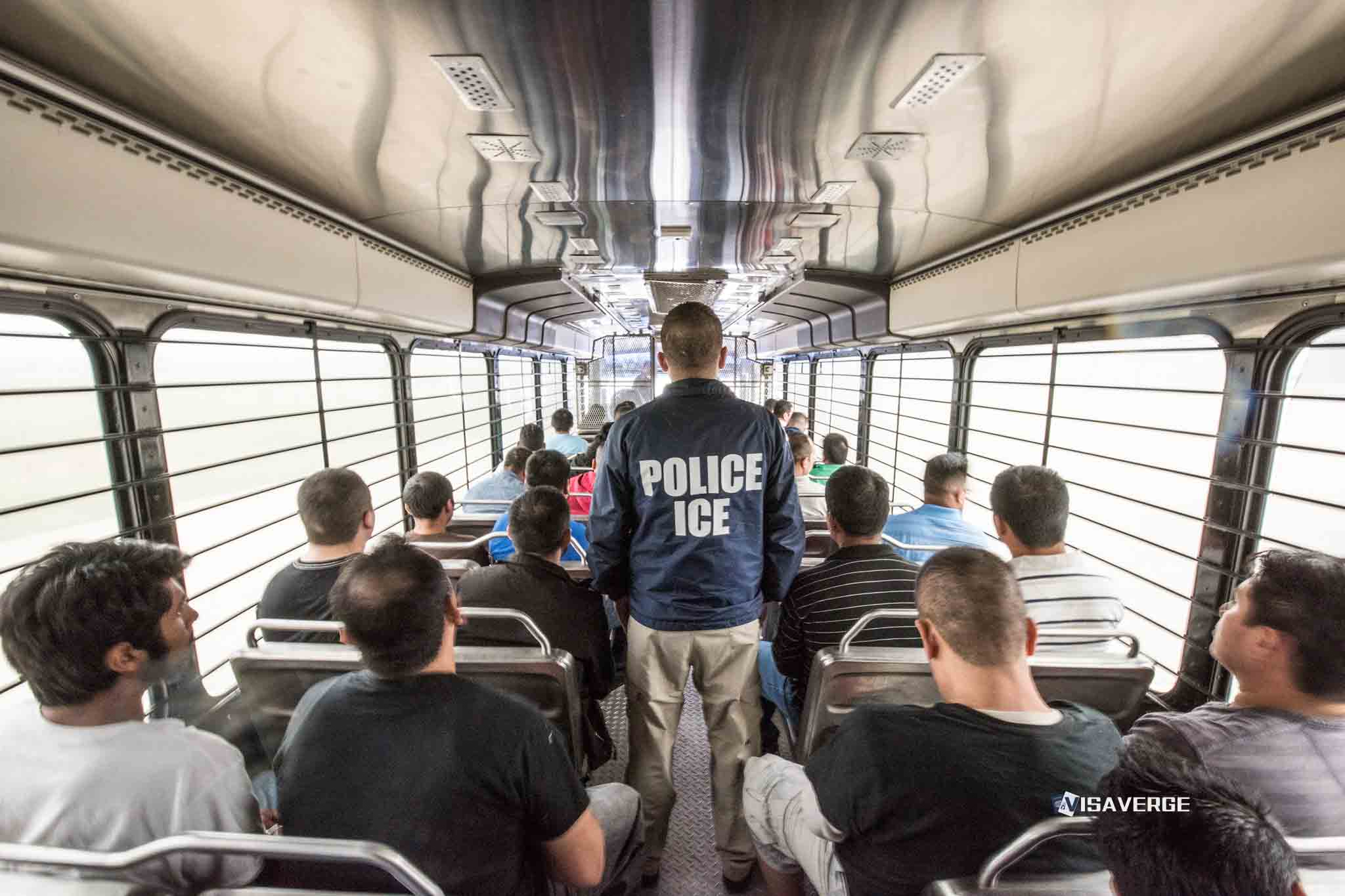
The agency also continues to implement a May policy memorandum that treats Adjustment of Status as an “extraordinary form of relief.” The shift could send more people seeking permanent residence from the United States to immigrant-visa interviews at embassies or consulates abroad.
Free toolCSPA Age-Out Calculator Online
USCIS designated the August filing charts on July 20. Family-sponsored applicants must use the Dates for Filing chart. Employment-based applicants must use the Final Action Dates chart.
The categories are not moving together. The August bulletin advances F2A, covering spouses and minor children of lawful permanent residents, while India EB-2 is listed as “unavailable” through September 30, 2026.
August uses two different filing-chart tests
The filing-chart choice determines which applicants can submit Form I-485 during the month. USCIS’s August 2026 filing-chart guidance directs each group to a different table in the State Department bulletin.
| Applicant group | August 2026 chart required by USCIS |
|---|---|
| Family-sponsored applicants | Dates for Filing |
| Employment-based applicants | Final Action Dates |
The F2A advancement gives some family-sponsored applicants a more favorable filing position. India EB-2 applicants face the opposite result: the category is unavailable for the remainder of the fiscal year, so new applications in that category will not be processed in August.
The federal fiscal year ends September 30. Annual immigrant-visa limits can therefore affect category availability late in the fiscal year.
A May memorandum makes departure a possible part of the process
A May 22, 2026, policy memorandum, PM-602-0199, directs officers to treat adjustment as a discretionary benefit rather than a routine procedure. USCIS now describes it as “administrative grace” in the policy context outlined for August.
USCIS spokesman Zach Kahler said the policy is intended to return applicants to consular processing except in unusual cases.
“We’re returning to the original intent of the law to ensure aliens navigate our nation’s immigration system properly. From now on, an alien who is in the U.S. temporarily and wants a Green Card must return to their home country to apply, except in extraordinary circumstances. This policy allows our immigration system to function as the law intended instead of incentivizing loopholes.”
Kahler made the statement on May 22, 2026. The memorandum’s approach could require applicants who expected to complete the process inside the country to attend an immigrant-visa interview overseas.
That can mean travel to a U.S. embassy or consulate in the applicant’s home country. The policy identifies extraordinary circumstances as an exception.
The September rule changes the paperwork in mid-month
DHS finalized a rule rescinding the 2022 Biden-era public charge regulation on July 16, 2026. The rule takes effect September 18, 2026, rather than in August.
USCIS has nevertheless begun alerting August applicants that a revised Form I-485, Application to Register Permanent Residence or Adjust Status, will become mandatory in mid-September. The revised form will require stricter documentation of self-sufficiency.
That creates two dates to track. August filing eligibility depends on the chart USCIS selected for the applicant’s category. The revised form requirement begins in September, after the DHS rule’s effective date.
The government’s July 16 final rule and USCIS filing guidance describe separate parts of the transition: the rule’s effective date and the form used for future filings.
Background checks and student rules add separate pressure
Applicants should also expect AI-powered background checks and deeper digital-footprint reviews, which became standard practice earlier in 2026. Those reviews operate alongside the filing-chart and form changes.
F, J, and I visa holders are watching another September development. DHS finalized a “Fixed Time Period of Admission” rule on July 17, 2026, that takes effect in September.
The rule would eliminate “duration of status” for those visa holders. That has prompted some students and exchange visitors to consider extensions or adjustment filings before the change takes effect.
The student and exchange-visitor rule is separate from the September 18 public-charge effective date. Both developments, however, give applicants with temporary status a reason to review their filing plans before September.
Applicants have several dates to verify before filing
- Check the August category. Family-sponsored applicants must use Dates for Filing, while employment-based applicants must use Final Action Dates.
- Review visa availability. F2A advances in August, but India EB-2 remains “unavailable” through September 30, 2026.
- Track the adjustment policy. PM-602-0199 treats adjustment as discretionary and points many temporary residents toward consular processing, except in extraordinary circumstances.
- Prepare for the revised form. The new Form I-485 becomes mandatory in mid-September as the DHS rule takes effect September 18, 2026.
- Check temporary-status deadlines. F, J, and I visa holders should review extensions or filings before the Fixed Time Period of Admission rule takes effect in September.
USCIS’s policy memorandum materials and the State Department’s August 2026 Visa Bulletin provide the documents applicants should consult for their category and filing date. Processing times and fees are subject to change, so applicants should verify current information at uscis.gov before filing.