(UNITED STATES) Immigrants across the United States say fear is surging this summer as new enforcement rules take hold. President Trump’s team is carrying out Mass Deportation Operations and wider border restrictions.
The changes are fast, sweeping, and already shaping daily life—who goes to school or the hospital, and who can visit family, work, or study here.

What’s new in 2025
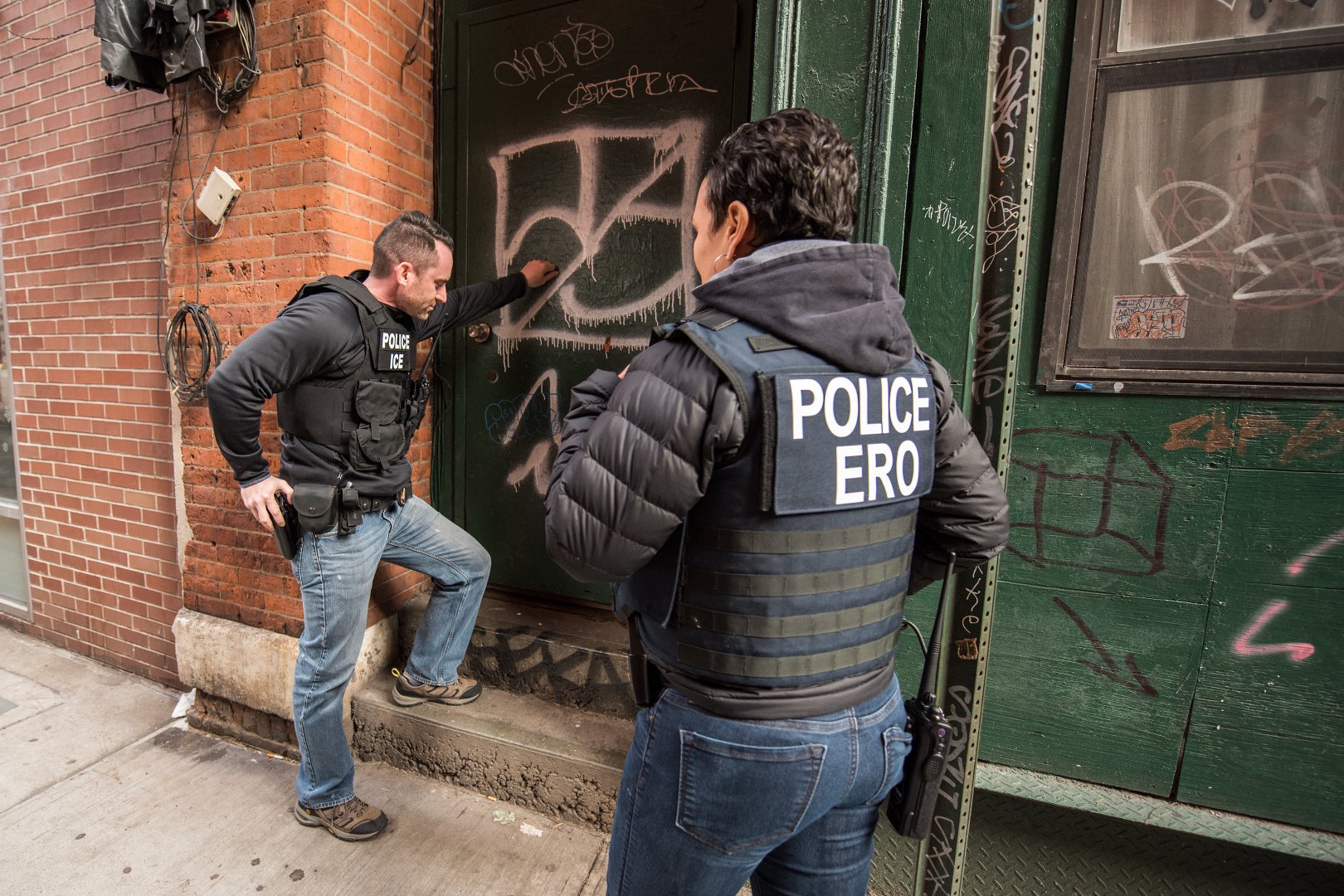
- Mass Deportation Operations: In speeches and directives since January, President Donald Trump has ordered what he calls “the largest domestic deportation operation in American history.” Agents are focusing on people with final removal orders and pressing local police and jails to share data and hold more people for pickup.
-
Elimination of “sensitive zones”: Proposals under Project 2025 remove long-standing limits on enforcement at schools, hospitals, and religious sites. Families report skipping care and services because they fear being stopped inside places they once saw as safe.
-
Expanded expedited removal: The administration seeks to apply fast-track deportations across the country, letting officers remove people quickly and often without a judge. Lawyers warn this raises due process risks and could lead to wrongful deportations.
-
Repeal of relief programs: Protections like Temporary Protected Status (TPS), Deferred Action for Childhood Arrivals (DACA), and visas for crime victims are targeted. If ended, nearly 700,000 TPS holders and over 500,000 DACA recipients could lose status and work cards, putting long-settled adults and students at risk.
-
Travel ban expansion: A new ban announced June 4 restricts entry from 19 countries, with up to 36 more under review. Families are split, companies cancel visits, and hospitals report blocked doctors and specialists who had planned to start work.
-
Stricter visa and green card rules: As of August 1, 2025, USCIS officers can deny some family-based green card filings without first asking for missing items. Applicants who submit incomplete or sloppy files face denial and possible removal if they lack other status.
-
Work checks and local enforcement: Project 2025 backs wider use of E‑Verify, a federal work check system with known errors, and deeper roles for local police in immigration work. Cities and states that refuse may face data penalties and other pressure. For program details, see the official E‑Verify site: https://www.e-verify.gov.
-
Border closure and asylum limits: The southern border is largely closed to people who cross without inspection. Many asylum seekers are turned back to Mexico, raising concerns about U.S. and international legal duties.
-
Visa bond pilot: Some business and tourist visa applicants from countries with high overstay rates must now post a refundable bond of up to $15,000, starting with Malawi and Zambia. Critics say it blocks lower‑income travelers and strains family ties.
How these rules play out day to day
-
People avoid clinics, schools, and churches because they fear raids or surveillance, even when they need care or their kids need class time.
-
Rapid deportations leave little time to gather records, contact lawyers, or appeal errors, according to immigration attorneys and advocates.
-
Companies face canceled trips and delayed hires because of the travel ban, visa bonds, and slower processing.
-
A single paperwork error can end a family’s green card process under the new USCIS policy on denials without prior notice.
Who is hit hardest
The numbers begin to show the sweep:
- Nearly 700,000 TPS holders and more than 500,000 Dreamers could lose status if repeals take effect.
- The travel ban now covers 19 countries, with up to 36 more under review.
- Some would-be visitors must post bonds of up to $15,000.
These measures weigh most heavily on:
- Mixed‑status families
- Long‑time residents with older removal orders
- Students far from home
- Small businesses that rely on global clients
What officials and advocates say
“The largest domestic deportation operation in American history,” — President Trump (defending the effort as a public‑safety and sovereignty move).
Other official and advocacy positions:
- USCIS Director Joseph Edlow supports tougher rules for skilled workers and a harder citizenship test.
- State Department spokeswoman Tammy Bruce says the U.S. is pressing foreign governments to cooperate on deportations and vetting.
- Civil rights groups and immigrant lawyers counter that the policies raise the odds of wrongful deportation and block fair access to legal status, work, and safety.
According to analysis by VisaVerge.com, stepped‑up arrests, fast‑track removals, and paperwork denials are already changing behavior across immigrant neighborhoods, including sharp drops in hospital and school visits.
Legal fights and what comes next
- Some executive actions face court challenges, including moves tied to birthright citizenship and limits on asylum.
- Judges have issued temporary restraining orders in a few areas, but most enforcement continues while cases move forward.
- The administration says the travel ban could expand if certain countries do not meet new vetting rules within 60 days.
- Some proposed changes—such as ending or reshaping visa categories—would need Congress, but many enforcement steps rely on executive power and are already in motion.
A look inside one family’s week
- A father with an old removal order now drives a longer route to work to avoid a county jail known to share data with federal agents.
- His U.S. citizen daughter skipped a clinic appointment after agents appeared near a local church.
- An aunt can’t enter because her country is on the new list of 19.
- The family’s plan to file a marriage‑based green card case is on hold because a missing birth record could lead to a fast denial under rules effective August 1, 2025.
Their story is common in mixed‑status homes across the country.
Practical steps for families, students, and workers
- Talk to a trusted, licensed immigration lawyer before filing anything or traveling.
- Keep key papers ready:
- IDs, entry documents, court orders
- School and medical records
- Proof of U.S. ties
- For green card filings, send a clean, complete package with clear copies and translations. Missing items can mean instant denial.
- If visiting a clinic or school, go with a plan: contact numbers, emergency contacts, and copies of prescriptions or records.
- Students and workers should arrive in the U.S. well before program or job start dates and carry full documentation at the airport.
- If contacted by officers, ask for an interpreter if needed and request a lawyer before signing anything.
- Employers should:
- Review hiring practices and E‑Verify rules
- Watch for system errors
- Keep I‑9 files orderly
- Families separated by the travel ban should keep proof of hardship and stay in regular contact with consulates and attorneys.
Where to get help
- Official updates are posted by U.S. Citizenship and Immigration Services and the U.S. Department of State.
- Universities’ international offices can guide students and scholars facing delays.
- Local legal aid groups offer clinics and know‑your‑rights sessions.
- Community groups track court rulings and help families plan for emergencies, especially where local police now share data with federal agents.
The policy pendulum has swung sharply from 2021–2024, when humanitarian relief expanded under President Biden, to 2025’s enforcement‑first approach. For now, the reality is clear: rules are changing quickly, the risk of removal is higher, and small mistakes can have big costs. Being prepared—and getting qualified legal help—can make the difference between staying on track and being swept into a fast‑moving system.
This Article in a Nutshell
Fear is rising as 2025 enforcement expands: Mass Deportation Operations, travel bans, and denial-first USCIS rules reshape daily life and access. Families skip hospitals, students avoid classes, and nearly 700,000 TPS holders plus 500,000 DACA recipients face potential status loss. Legal help and complete paperwork are now essential for staying safe.