- The UK began enforcing the Electronic Travel Authorisation on February twenty-five, twenty-six, for visa-free visitors.
- Carriers will deny boarding to passengers who fail to present digital permission before their journey.
- An approved ETA does not guarantee entry, as border officers maintain final discretionary authority.
The UK began fully enforcing its Electronic Travel Authorisation system on 25 February 2026, stopping some visa-free visitors before they board flights, ferries and trains. The UK ETA 2026 rules require many non-visa nationals to hold digital permission before travelling.
The approach, called No Permission, No Travel, shifts part of the UK’s immigration screening to the departure point. A passenger can have a valid passport and a confirmed ticket but still be refused boarding if the carrier cannot verify the required permission.

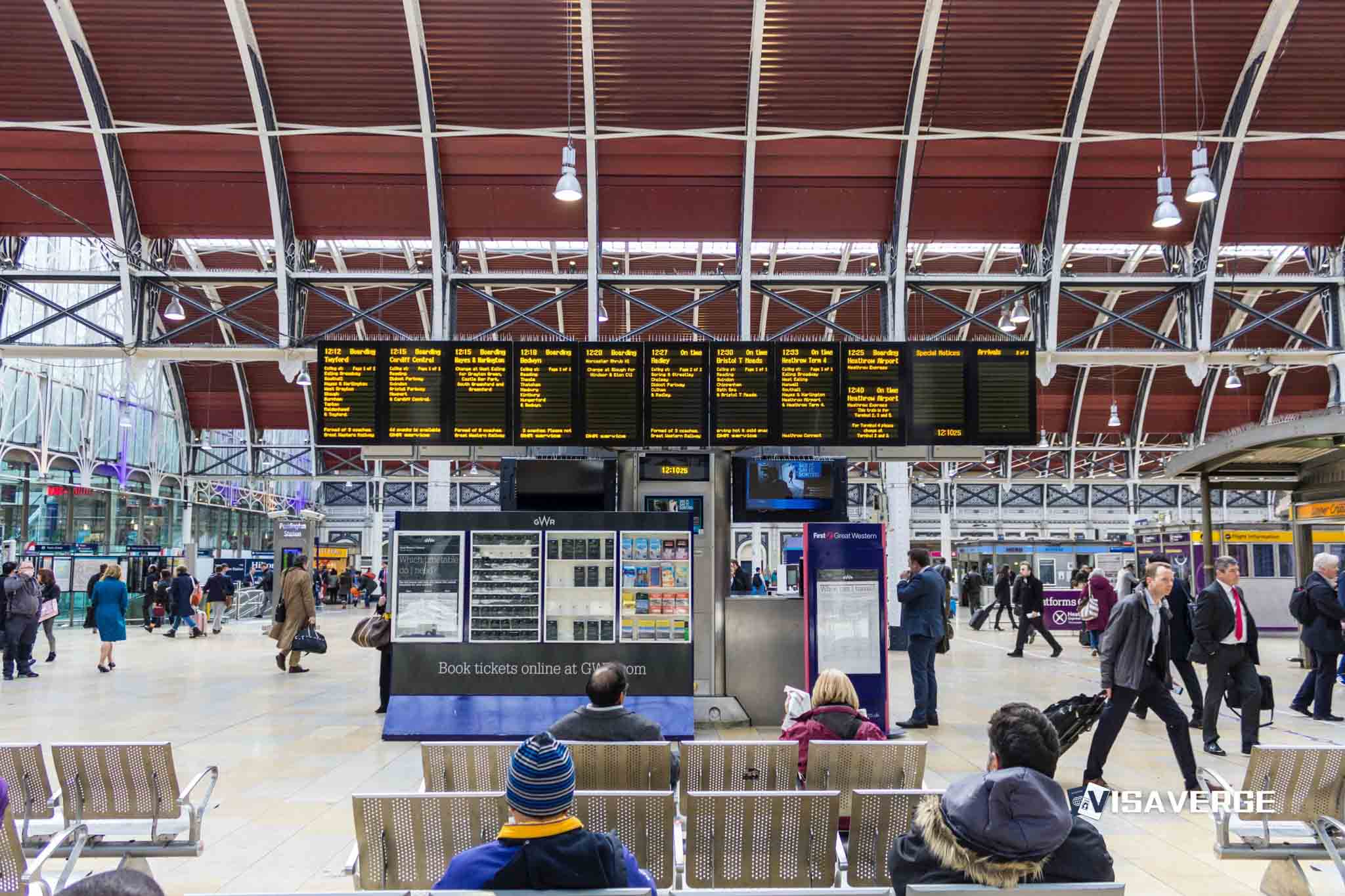
The check may happen at an airline counter, a departure gate, a ferry terminal or a rail station. The traveller might never reach the UK border.
Visa-free does not mean permission-free. Visitors who do not need a traditional visa for a short stay may still need an ETA, eVisa or another valid immigration document, depending on their nationality and status.
An ETA authorises travel to the UK. It does not decide entry.
The final decision remains with UK border officers, who can question a visitor about the trip, accommodation, funds, return travel, immigration history and compliance with UK rules. A traveller can hold an approved ETA and still be refused entry.
The authorisation is tied to one passport
An ETA is digital permission to travel, not a visa or a right to live, work or settle in the UK. It allows an eligible visitor to travel and seek entry for an approved short-stay purpose.
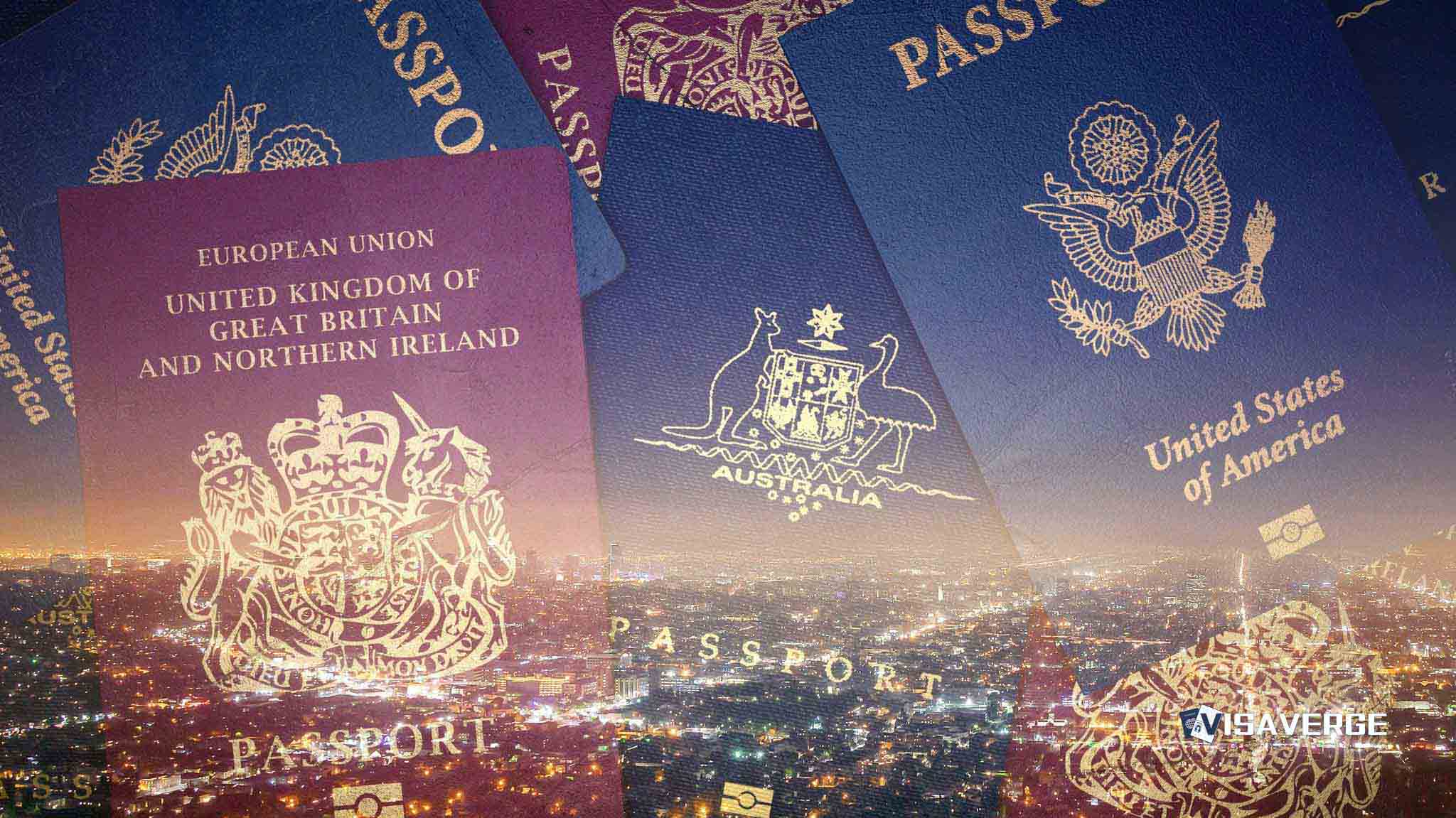
The permission is linked to the passport used in the application. A replacement, expired or lost passport can require a new ETA. Presenting a different passport at check-in may prevent the carrier from matching the authorisation to the travel document.
Travellers should apply with the passport they will use. The passport used for the application, booking and journey should match wherever possible.
Each person needs separate permission. A parent’s ETA does not cover a child, and a family booking does not replace individual carrier checks.
British and Irish citizens do not need an ETA. Dual nationals can nevertheless face a check-in problem if they present a foreign passport and the carrier system expects permission for that document. They should travel with the correct British or Irish passport, or other accepted proof of status where relevant.
Short visits remain allowed, but ordinary work does not
Eligible visitors can use an ETA for limited purposes such as tourism, visiting family or friends, short business trips, conferences, certain short-term study and permitted paid engagements. Limited Creative Worker concession travel and some transit journeys can also qualify where the traveller passes through UK border control.
The permission is not a general work route. It does not allow ordinary paid or unpaid work for a UK company or self-employment, except where a specific permitted activity applies.
Visitors also cannot use it to live in the UK, claim public funds, remain beyond the permitted period or establish residence through frequent or successive visits. Marriage or civil partnership requires the correct marriage-related route.
People planning to work, study long-term, marry, join family, relocate or stay repeatedly may need a visa instead.
Nationality and immigration status decide who needs one
ETA generally applies to specified nationals who do not need a visa for short UK stays and do not already hold valid UK immigration status. That group includes many former visa-free visitors travelling for holidays, family visits, short business trips, conferences, permitted activities or short-term study.
A person may need an ETA if they lack a UK visa, eVisa, settled status, pre-settled status, indefinite leave, British citizenship, Irish citizenship or another valid exemption. Travellers should check the current GOV.UK eligibility information before booking.
People who already hold UK status may not need an ETA. This can include holders of a valid UK visa or eVisa, settled or pre-settled status, indefinite leave to remain, permission to enter or stay, or another recognised status.
Digital status creates a separate document issue. The holder should link the status account to the current passport before travelling. Depending on the circumstances, a traveller may need a share code or supporting documents.
Transit can trigger the same requirement
Connecting through the UK does not automatically remove the ETA requirement. A passenger may need one if the journey involves UK border control, including situations where the traveller changes airports, collects checked baggage, changes terminals in a way that requires border control or enters the UK before continuing.
Some airside passengers who never pass through UK border control may not need an ETA, depending on the airport and current rules. Airline procedures can also vary.
A traveller changing planes in London after collecting baggage and checking in again may therefore need permission if their nationality is covered and they have no other UK status. Both the airline and GOV.UK should be checked before booking.
Previous refusals and criminal records can raise the risk
UK guidance warns that people with criminal records or previous refusals of entry may want to apply for a Standard Visitor visa instead of an ETA. A visa application can provide an opportunity to submit explanations and documents before travel.
That route does not guarantee approval. Past refusals, overstays, breaches of conditions, deception concerns and criminal history can still affect the outcome.
An ETA refusal does not itself mean the person has been refused entry. It does mean the traveller cannot rely on an ETA to travel and will generally need an appropriate visa if they still want to visit.
Applying late can leave little time to respond. A refusal close to departure can disrupt flights, hotels, events, family visits, business meetings and onward travel.
Carrier systems make document matching decisive
The system works through carrier checks that can return a board-or-no-board response based on the traveller’s passport and digital permission. If the system does not show valid permission, staff may refuse boarding.
The same issue applies to eVisa holders whose records are not linked to their current travel document. Travellers with UK status should update changed passport details before departure and be ready to prove their status if asked.
A US citizen planning a short holiday may not need a visitor visa but can still need an ETA. A Canadian travelling to London for a three-day business visit faces the same question, even if the trip is short and meetings are the only planned activity.
The Canadian visitor should carry evidence of the business purpose, accommodation and return travel. The US traveller should apply with the passport used for the trip.
A dual British citizen living abroad should resolve passport and status questions before reaching the airport. Because British citizens do not need an ETA and may not be able to obtain one, presenting only a foreign passport can create a carrier-system mismatch.
A pre-departure check catches the common failures
Travellers should check these points before booking or travelling:
- Whether their nationality requires an ETA.
- Whether they already hold valid UK immigration status.
- Whether they are British or Irish citizens.
- Whether the passport is current and linked to the application.
- Whether the planned activity fits the visitor rules.
- Whether the journey involves UK border control during transit.
- Whether previous refusals, overstays or criminal history create additional risk.
- Whether every adult and child has the required individual permission.
- Whether booking and passport details match.
Applications should be made early. Travellers should confirm approval before going to the airport, save the approval email or reference, check passport details and carry accommodation, return or onward travel and visit-purpose information.
Last-minute approval should not be assumed. Some applications can take longer or be refused, requiring a visa application instead.
A traveller who intends to work, provide services in the UK labour market, run a business from the UK or live there while working remotely for long periods should not treat an ETA as sufficient. The wrong route can lead to refusal at the border or later immigration problems.
The carrier check now comes first for many visa-free visitors. Missing permission can end the journey at check-in, while approved permission still leaves the border decision open on arrival.