- Starting February 25, 2026, dual nationals must use a British passport or Certificate of Entitlement to enter the UK.
- Airlines and ferry operators will strictly enforce ETA checks at boarding, denying entry to those without valid digital permission.
- The new system digitizes travel status, requiring travelers to link their current passports to their UKVI accounts for seamless travel.
(UK) From February 25, 2026, the UK will strictly enforce its Electronic Travel Authorisation (ETA) rules at check-in and at the border. For dual British citizens, that means you must carry a valid British passport or a Certificate of Entitlement, not just a second nationality’s passport.
The Home Office set out the change in a January 2026 ETA factsheet, warning that carriers will deny boarding if exemption evidence is missing. People who previously flew to Britain on a non-UK passport and ‘sorted it out on arrival’ should expect that to stop.
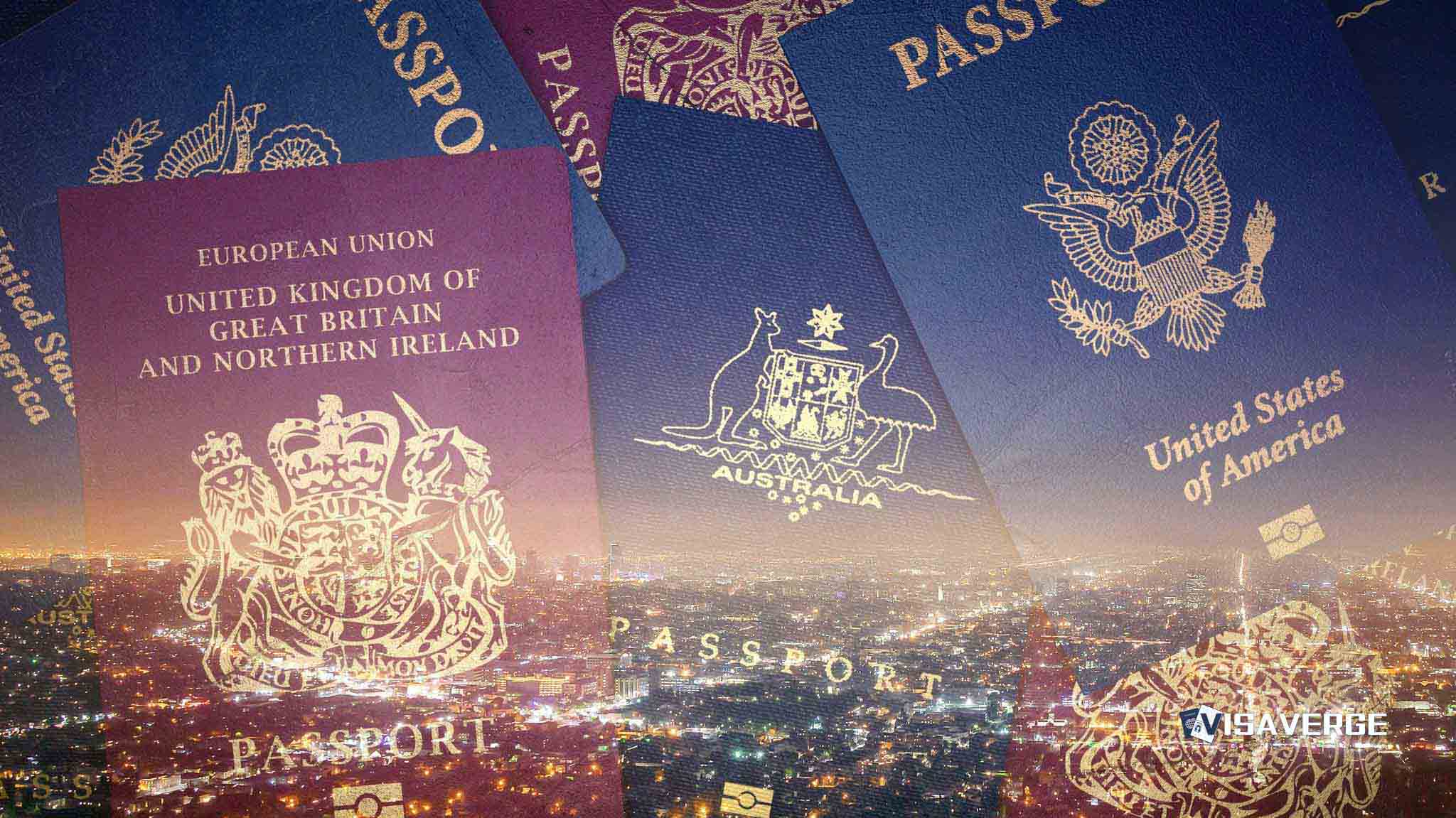
ETA enforcement: what changes on February 25, 2026
An ETA is a digital permission to travel, aimed at visitors who do not need a visa for short stays. It is not a visa, and it does not give a right to enter; it lets an airline or ferry operator accept you for travel to the UK.
Free toolSchengen Short-Stay Visa CalculatorUnder strict enforcement, the ETA check becomes routine at boarding, and mismatches between your ETA record and the passport in your hand trigger denial or delays. The Home Office says the same discipline will apply at UK passport control, where officers will expect the document that proves your status or exemption.
In practice, the biggest change falls on dual British citizens, because a British citizen is expected to enter as British.
Who needs an ETA, who is exempt, and which passport must match
From the same February 25, 2026 start date, eligible non-visa nationals must hold an ETA linked to the exact passport they will use to travel. The Home Office lists travellers from places such as Europe, the United States, Australia, and Canada as ETA users.
If you apply with one passport and turn up with another, the carrier’s system will not find the ETA and you will not board. British and Irish citizens do not need an ETA, but they are expected to travel on a British passport, an Irish passport, or an Irish passport card.
That rule is where dual British citizens get caught, because a non-UK passport no longer works as proof that you are exempt. From February 25, carriers will expect either a valid British passport or a Certificate of Entitlement (CoE) in the non-British passport.
A CoE is a Home Office endorsement that confirms the holder has the right of abode in the UK, and it functions as evidence of British nationality rights for travel. The January 2026 factsheet urges people with expired UK passports to renew well in advance, because those without proof face extra identity checks.
At the border, that can mean you cannot proceed through passport control until nationality is confirmed.
There is also a Common Travel Area exception for legal residents of Ireland who are from visa-exempt nationalities, provided they can show proof of Irish residence. In travel, airlines tend to ask for residence evidence at check-in, and officers may ask again at arrival if your route involves UK border control.
Transit rules also matter: passengers who stay airside at Heathrow or Manchester without passing UK passport control are exempt from the ETA requirement. If your connection requires you to clear passport control, you move into the ETA system unless you hold a passport that is exempt.
Applying for an ETA: process, fee, and timing pressures
ETA applications are made online through GOV.UK Electronic Travel Authorisation (ETA), and each traveller needs their own approval, including children. The Home Office recommends applying at least 3 working days before travel, because processing times vary and carriers run checks before boarding.
The ETA costs £16, and payment is part of submission.
Applicants provide contact details, passport details, and a compliant digital photo that matches Home Office rules. You also answer suitability questions, including criminality questions, which are used to decide whether the UK will allow you to travel without a visa.
Small errors create big problems, such as typos in passport numbers, photos that do not meet standards, or incomplete answers. If your ETA is still pending close to departure, changing your travel document or booking a new last-minute route usually makes things worse, because the permission is tied to the passport.
Airlines have little flexibility once the system shows no valid ETA for the passport presented, so travellers should build extra time into plans for multi-stop trips.
February 25, 2026: shift to digital status evidence for visas and travel documents
The same date brings a wider digital move in the UK’s border system, including visitor visas issued as eVisas only. An eVisa is an online record of immigration permission, and travellers will use a UK Visas and Immigration (UKVI) account to access it.
Keeping passport details current inside the UKVI account matters, because airlines and border staff use those details to look up your status. If the account shows an old passport, the lookup can fail even when you have permission, leading to extra questioning at check-in or on arrival.
The Home Office also says Certificates of Entitlement and some Home Office travel documents will become digital and linked to UKVI accounts. That is a change for people used to presenting paper or vignette-style evidence, and it raises the stakes for remembering logins and keeping contact details up to date.
VisaVerge.com reports the late-February 2026 deadline is driving early passport renewals and UKVI account checks.
Travel preparation for families, frequent flyers, and employers
For individual travellers, preparation starts with picking the correct passport for the whole journey and checking that every traveller’s record matches it. If you are a British citizen, plan to fly on a valid British passport, because it is the simplest way to prove exemption from the ETA.
If you are a dual national with an expired British passport, decide early whether you will renew the passport or rely on a Certificate of Entitlement. Either way, expect airlines to check the document before you reach the gate, because the financial penalty for carrying an ineligible passenger falls on the carrier.
Employers with mobile staff should update internal travel rules, especially for staff who hold two passports and travel to the UK for short meetings. A basic pre-trip check can be kept simple: confirm the travel passport, confirm the ETA or exemption evidence, and confirm that any eVisa account reflects the same passport.
When trips change at short notice, document what guidance you gave, because travellers turned back at the airport often ask employers to cover extra costs.
For ETA problems, UKVI directs people to its webchat service, and it does not offer phone support for ETA queries. Have your passport details, travel dates, and any reference numbers ready before you start a webchat, because the agent will need them to locate your record.
Exemptions and special cases that still trip people up
The headline exemption remains simple—British and Irish citizens do not need an ETA—but the ‘must travel on that passport’ rule is the part many miss. Mixed-family travel is a common weak spot, because one parent might be British, a child might hold another nationality’s passport, and bookings often mix documents.
Where a child is a non-visa national, that child needs their own ETA linked to their passport, even when travelling with a British parent.
Common Travel Area routes via Ireland also cause confusion, since Irish legal residence can remove the ETA need for some travellers, but only if they can prove that residence. Transit plans deserve the same care, because an itinerary change can turn an airside connection at Heathrow or Manchester into a passport-control transit that requires an ETA.