- Fourteen Labour MPs voted against the bill at third reading.
- An appeals-authority chair is expected to be appointed by spring 2027.
- The bill’s impact assessment suggests 11,700 more Article 8 refusals.
Checked against GOV.UK
The Immigration and Asylum Bill cleared the Commons Third Reading by 290 votes to 94, sending proposed asylum, removal and settlement changes to the House of Lords. The Home Office announced the result on November 17, 2026.
Background: UK Government Drops Proposed 15-Year Worker Route in Earned Settlement Response
The bill would affect asylum applicants, people facing removal after unsuccessful appeals, refugees and some work visa holders. It remains proposed legislation, and its provisions have no established commencement dates.
Fourteen Labour MPs voted against the bill. The vote followed debate over its settlement provisions, including objections from Bell Ribeiro-Addy, who said settlement risked being “bought and flogged to the highest bidder.”
The Commons vote leaves the bill short of becoming law
The Lords is the next parliamentary stage. The Home Office said the bill would be introduced there shortly, where it will face further scrutiny.
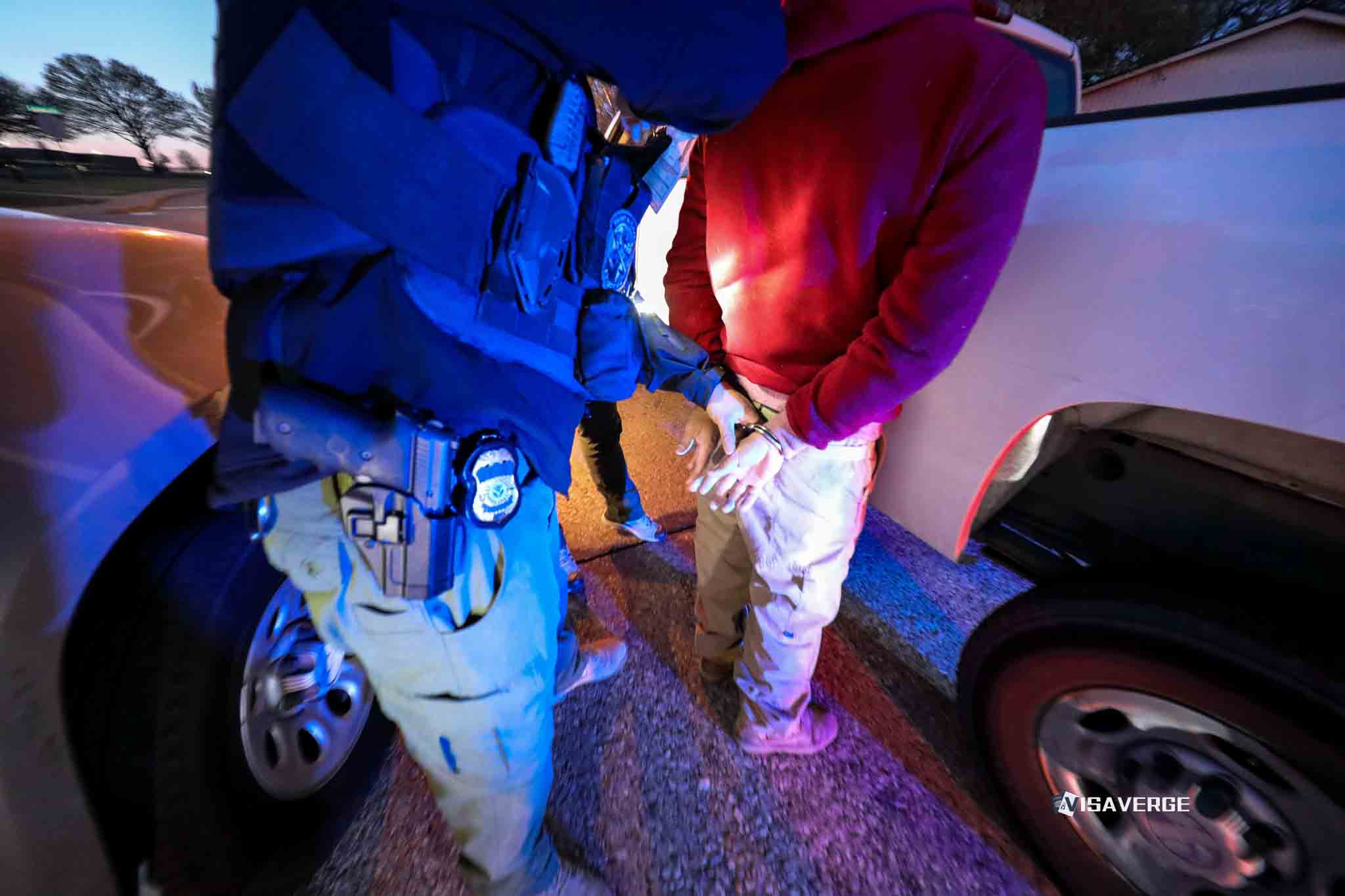
Removal notice could change after unsuccessful appeals
The Home Office says enforced returns covered by the proposal currently require at least 5 working days’ notice. It argues that this period can prompt last-minute claims and delay removals.
Under the proposed amendment, people who have unsuccessfully appealed asylum or immigration claims to the planned Independent Immigration Appeals Authority could be removed within a 6-month period before further notice is required. The Home Office described the change this way:
“The proposed amendment will scrap this timeframe, and officers will instead be given a 6-month period to remove failed asylum seekers and illegal migrants before further notice is required.”
The Refugee Council criticized the prospect of removing people without further notice. It remains unclear when the six-month period would begin.
Appeals and protection rules would change alongside family-life decisions
The bill proposes several changes to asylum decisions and refugee support:
- A new Independent Immigration Appeals Authority would eventually take over first-instance appeals from the First-tier Tribunal (Immigration and Asylum Chamber). Its adjudicators would not have to hold legal qualifications or experience. The authority could prioritize some cases and use fast-track appeals for people facing removal who make a late claim to stay.
- Initial refugee leave would fall from five years to two-and-a-half years. The bill would also replace refugee status and humanitarian protection with one category, protection status. The rules for qualifying for asylum would stay the same.
- Proposed changes to Article 8, the right to respect for private and family life, could lead to 11,700 more cases being refused, the bill’s impact assessment suggests. The proposals would narrow when a child’s circumstances make it unreasonable to expect them to leave the UK.
- Some refugees could be required to repay support costs if they can afford to do so. The bill does not specify the repayment amount; the Home Office has suggested it could be around £10,000.
Health and social care visa holders retain a five-year settlement route
Health and social care visa holders who meet visa conditions and earn at least £25,000 a year would remain eligible for settlement after five years in the UK. The government dropped a broader proposal to lengthen the wait for workers in lower-paid jobs earlier in November 2026.
Labour MP Neil Duncan-Jordan sought to extend the exemption to other skilled workers. MPs rejected his amendment by 368 votes to 44. Home Office minister Anna Turley defended the narrower carve-out, describing it as exceptional because of care workers’ and some public-sector workers’ service.
The chair of the appeals authority is expected to be appointed by spring 2027. That appointment is a recruitment milestone, not a stated date for the authority to begin operating. Watch for the bill’s introduction to the House of Lords, expected shortly.