Department of State Tightens Visa Screening for Three New Applicant Categories
The expansion covers foreign media representatives, qualifying Canadian and Mexican professionals, and their qualifying dependents.
At a glance
- An earlier expansion took effect March 30, 2026.
- H-1B applicants and their dependents were already subject to review.
Reviewed November 17, 2026 Checked against travel.state.gov
The Department of State expanded online-presence review to I, TN and TD nonimmigrant visa applicants effective October 1, 2026. Three classifications are newly covered.
Background: Online Presence Review Hits US Visa Seekers: I Foreign Media Reps and USMCA Professionals Face Scrutiny
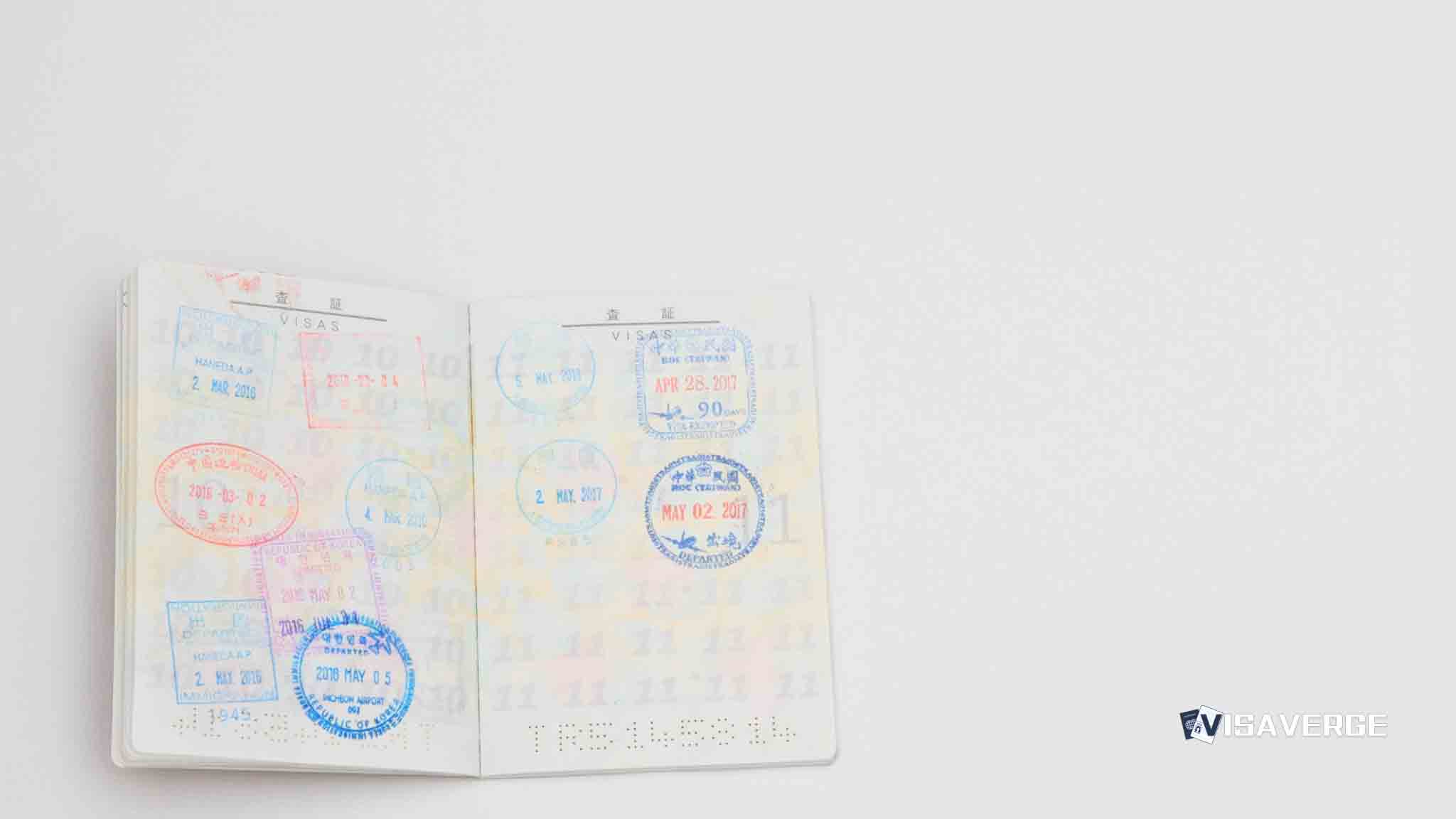
The department instructs these applicants to set the privacy settings on all their social media profiles to “public” or “open.” The official announcement describes the expansion and its profile-setting instruction.
Media representatives, professionals and dependents enter the review
The added classifications cover three applicant groups:
- I: Foreign media representatives.
- TN: Qualifying Canadian and Mexican USMCA professionals.
- TD: Qualifying dependents.
The categories are nonimmigrant visas. The notice was last updated September 18, 2026.
The department tells applicants to make every profile public or open
The instruction applies to all social media profiles belonging to I, TN and TD applicants. It is a profile-privacy direction from the department, not a separate list of particular platforms.
The department says it uses visa screening to identify applicants who may be inadmissible, including people who pose national-security or public-safety threats. It also says the same vetting standard applies across visa applicants.
“Every visa adjudication is fundamentally a national security decision.”
The U.S. Embassy in India separately reminded applicants to list social-media usernames or handles used over the past five years on the DS-160. In June, it warned, “Omitting social media information could lead to visa denial and ineligibility for future visas.” That form disclosure is distinct from the department’s new instruction about profile privacy settings.
Students, workers and other visa groups were already covered
The October expansion extended a review that applied to other visa classifications. An earlier expansion took effect March 30, 2026. It added A-3, C-3 domestic workers, G-5, H-3, H-4 dependents of H-3 workers, K-1, K-2, K-3, Q, R-1, R-2, S, T and U applicants.
Other groups were already subject to review before that expansion. They included H-1B applicants and their dependents, along with F, M and J students and exchange visitors.
The existing categories span several purposes of travel. A-3 and G-5 cover diplomatic and official visa groups, while C-3 is included when the applicant is a domestic worker. F-1, F-2, M-1 and M-2 cover students; J-1 and J-2 cover exchange visitors.
The earlier expansion also included H-3 trainees and H-4 dependents of H-3 workers. The K-1, K-2 and K-3 classifications cover fiancé and dependent categories. Q applies to international cultural exchange participants, R-1 and R-2 to religious occupations, and S, T and U to witnesses, informants and victims.
The department’s instruction for the newly covered groups remains the same: applicants for I, TN and TD visas should set all their social media profiles to “public” or “open.”
Keep reading
More in B-1/B-2 Visa →


Who this affects
Sources
Primary documents and official agency releases referenced in this story.