- U.S. Embassy in Thailand expanded social media screening for several nonimmigrant visa categories effective March 30, 2026.
- Applicants must set social media profiles to public for vetting of national security and public safety concerns.
- The policy affects students, professionals, and K-1 fiancé visa applicants, increasing the risk of processing delays.
(THAILAND) — The U.S. Embassy in Thailand has told applicants in several nonimmigrant visa categories to make their social media profiles public as part of expanded visa screening, drawing privacy objections from applicants and online critics who say the rule pushes visa vetting deeper into personal digital life.
The requirement reaches beyond one visa class. The U.S. Department of State says the broader online-presence review took effect on March 30, 2026 and now covers additional nonimmigrant categories, including A-3, C-3 domestic workers, G-5, H-3, certain H-4 dependents, K visas, Q, R, S, T, and U visas, alongside H-1B, H-4, F, M, and J applicants already subject to screening.
Officers are instructing affected applicants to set all social media accounts to “public” or “open” so they can complete online-presence checks. The State Department says it uses available information to identify applicants who may be inadmissible to the United States, including on national security or public safety grounds.
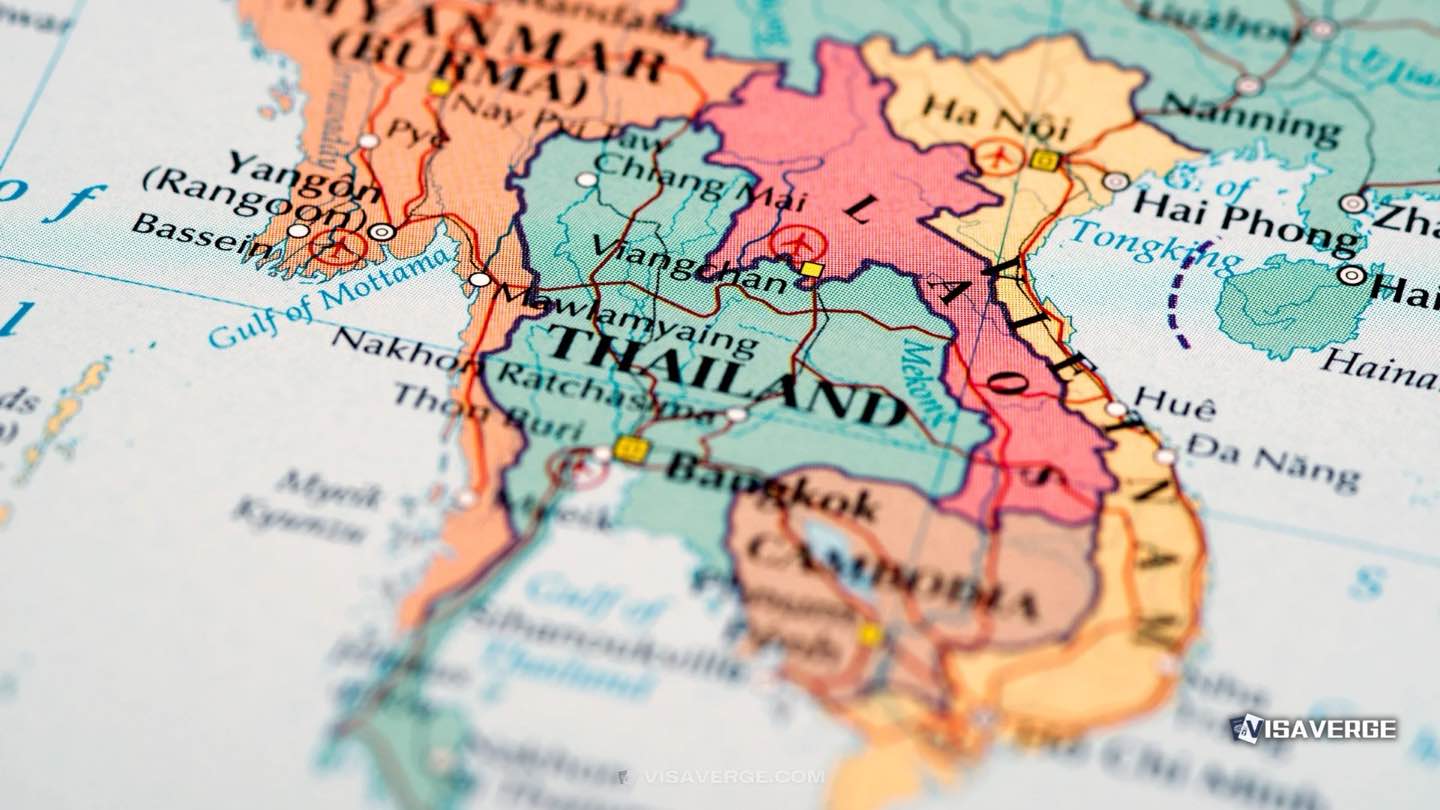
In Thailand, the policy lands most directly on students seeking F-1 and M-1 visas, exchange visitors applying for J-1 visas, professionals seeking H-1B visas, covered H-4 dependents, and couples applying for K fiancé or spouse-related visas. Religious workers, trainees, cultural exchange applicants, certain domestic workers, and applicants in T and U categories also fall within the wider screening expansion.
| India | China | ROW | |
|---|---|---|---|
| EB-1 | Feb 01, 2023 | Aug 01, 2023 ▲31d | Current |
| EB-2 | Nov 01, 2013 | Oct 01, 2021 | Apr 01, 2025 ▲90d |
| EB-3 | Jan 22, 2014 ▲21d | Jan 22, 2022 ▲14d | Jun 15, 2024 ▲31d |
| F-1 | Jan 22, 2021 ▲366d | Jan 22, 2021 ▲366d | Jan 22, 2021 ▲366d |
| F-2A | Oct 22, 2026 ▲30d | Oct 22, 2026 ▲30d | Oct 22, 2026 ▲30d |
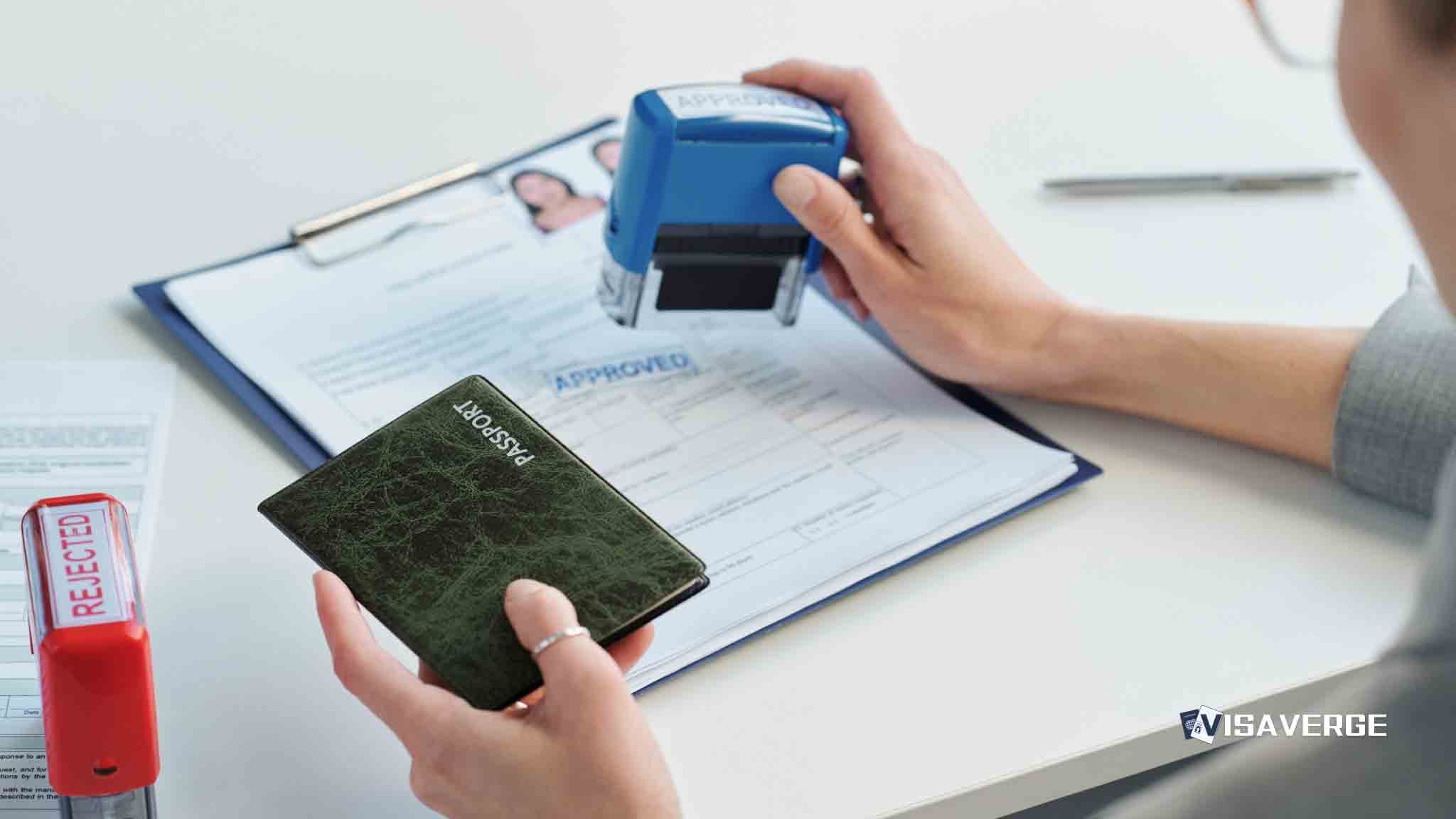
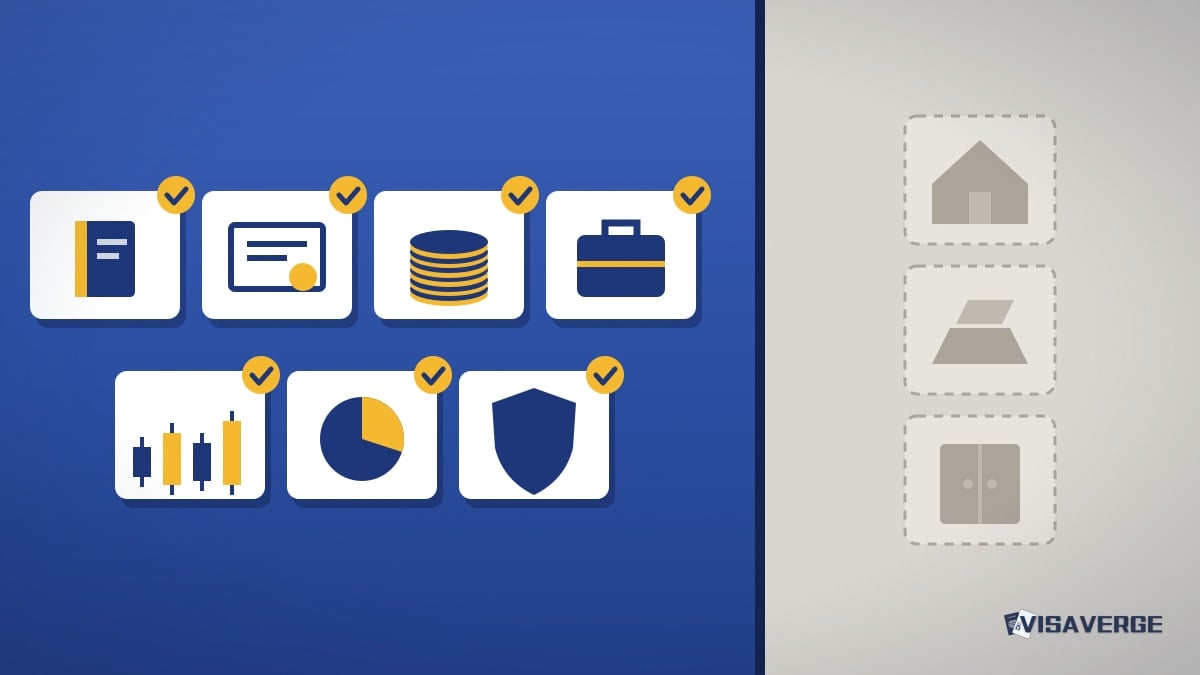
That turns a global U.S. rule into an immediate issue at the consular level in Bangkok. A visa case that once centered on application forms, financial records, university papers, petition approvals, and interview answers now also includes an applicant’s public online footprint.
The policy does not require applicants to hand over passwords or open private accounts directly to consular officers. It requires public visibility instead, a distinction that still leaves many applicants exposed if they had kept accounts restricted for family, safety, professional, political, or personal reasons.
Applicants already disclose social media identifiers on many U.S. visa forms. The State Department updated immigrant and nonimmigrant visa application forms in 2019 to request those identifiers from most U.S. visa applicants worldwide, but the current rule goes further by asking covered applicants to make their profiles publicly viewable during screening.
Delays can follow if officers cannot finish background checks because accounts remain private. That practical consequence sits at the center of the concern in Thailand, where students, workers, and families often work against school deadlines, job start dates, and planned travel schedules while waiting for visa decisions.
Students face the tightest timing pressure. F-1 and J-1 applicants often move through visa interviews close to orientation dates, housing deposits, scholarship timelines, and course registration deadlines, so any extra review tied to public posts, old usernames, or profile checks can disrupt plans that depend on arriving before a semester begins.
Workers and dependents face a different risk. H-1B applicants may already hold approved petitions, but consular officers still conduct visa review before placing a visa foil in a passport, and an approved underlying petition does not guarantee visa issuance at the consulate.
K visa applicants also enter a category where online material can feed directly into credibility review. Public posts, relationship history, account names, photographs, travel references, and other digital traces may be measured against application forms, interview answers, and supporting evidence tied to identity, relationship history, and admissibility.
The U.S. government presents the change as a security and public safety measure, and visa officers already hold broad discretion in judging eligibility, credibility, purpose of travel, prior violations, fraud risk, and inadmissibility concerns. That discretion, applied to online life as well as formal paperwork, has sharpened concern among applicants who fear that legal speech or misunderstood material may carry weight in an interview room.
Privacy objections are not abstract. Public profiles can reveal family photographs, religious beliefs, political views, friendships, location history, workplace details, affiliations, and comments made years earlier in a very different context. A post written casually for friends can look different when examined as part of an immigration file.
Younger applicants stand out because their online history often stretches back through school years and early adulthood. Students and exchange visitors may have years of informal content that was never written with a visa officer in mind, while professionals may have LinkedIn, X, Facebook, Instagram, TikTok, YouTube, and other accounts that contain work history, public comments, affiliations, and biographical details that officers can compare with the visa application.
That raises the chance of misinterpretation as much as the chance of discovery. A joke, a shared post, an old political comment, or an incomplete employment description can appear inconsistent or suspicious if viewed without context, especially where an officer is reviewing both the formal application and an applicant’s public digital record.
Applicants preparing for interviews now face a choice that did not exist in the same way before this expansion. They must think not only about whether a document is complete, but also whether the public version of their online identity matches the details listed in a visa application.
Deleting accounts or omitting usernames carries its own danger. Incomplete disclosure can create a larger problem than an old post if officers treat the omission as misrepresentation, and last-minute attempts to erase material can leave an online history looking inconsistent.
Applicants can still prepare in straightforward ways before an interview. They can review active and old accounts, check that profile names and employment history match visa forms, remove clearly false or misleading information, and make sure business pages, creator accounts, inactive profiles, and accounts under old usernames do not surface with conflicting details.
They also need to be ready to explain old posts if asked. A long-dormant account, an outdated bio, a joke that reads badly out of context, or a public comment tied to a past employer can all prompt questions once officers have broader visibility into the applicant’s online presence.
That preparation now reaches across visa groups that use Thailand as a processing post. Thai nationals, Indian nationals, and other international applicants appearing at U.S. consulates in Thailand can all encounter the same practical reality: consular review may now cover both the information filed on paper and the version of a person that appears publicly online.
Not every post leads to a refusal, and the policy does not apply identically across every visa category. Yet for the affected nonimmigrant groups, online presence has moved into the formal adjudication process, placing public-facing digital records alongside passports, bank statements, admission letters, petition approvals, and relationship evidence in the material a consular officer may examine.
That change leaves applicants with little room to treat social platforms as separate from immigration screening. In Thailand, where the embassy’s notice gives a local face to a wider State Department rule, a visa file now extends beyond documents in a folder to the public trail an applicant leaves across the internet.