- British dual nationals must now provide specific proof of status like a UK passport or Certificate of Entitlement.
- Major airlines like Ryanair are accepting expired British passports and old vignettes to verify status via government hubs.
- Airlines face heavy fines of up to £5,000 per passenger for boarding dual nationals without proper travel authorization.
(UK) — Britain required British dual nationals from February 25, 2026, to show a valid British passport or a Certificate of Entitlement to the Right of Abode when traveling to the United Kingdom, a shift tied to the country’s Electronic Travel Authorisation system that has forced airlines to reassess who they can board and on what documents.
The change has exposed a practical problem at the airport counter. British citizens cannot obtain an ETA, but carriers must verify travel authorization for passengers presenting non-British passports before departure. A dual national arriving with a foreign passport alone can therefore trigger a boarding dispute, even if that person is British.
Free toolUSCIS Receipt Number Decoder
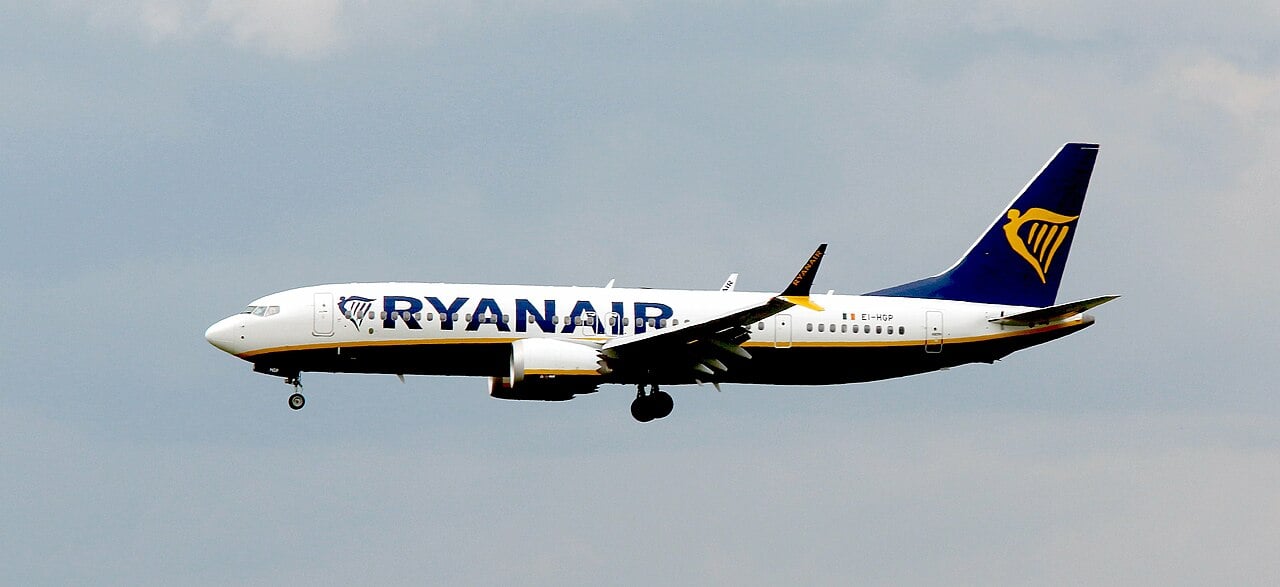
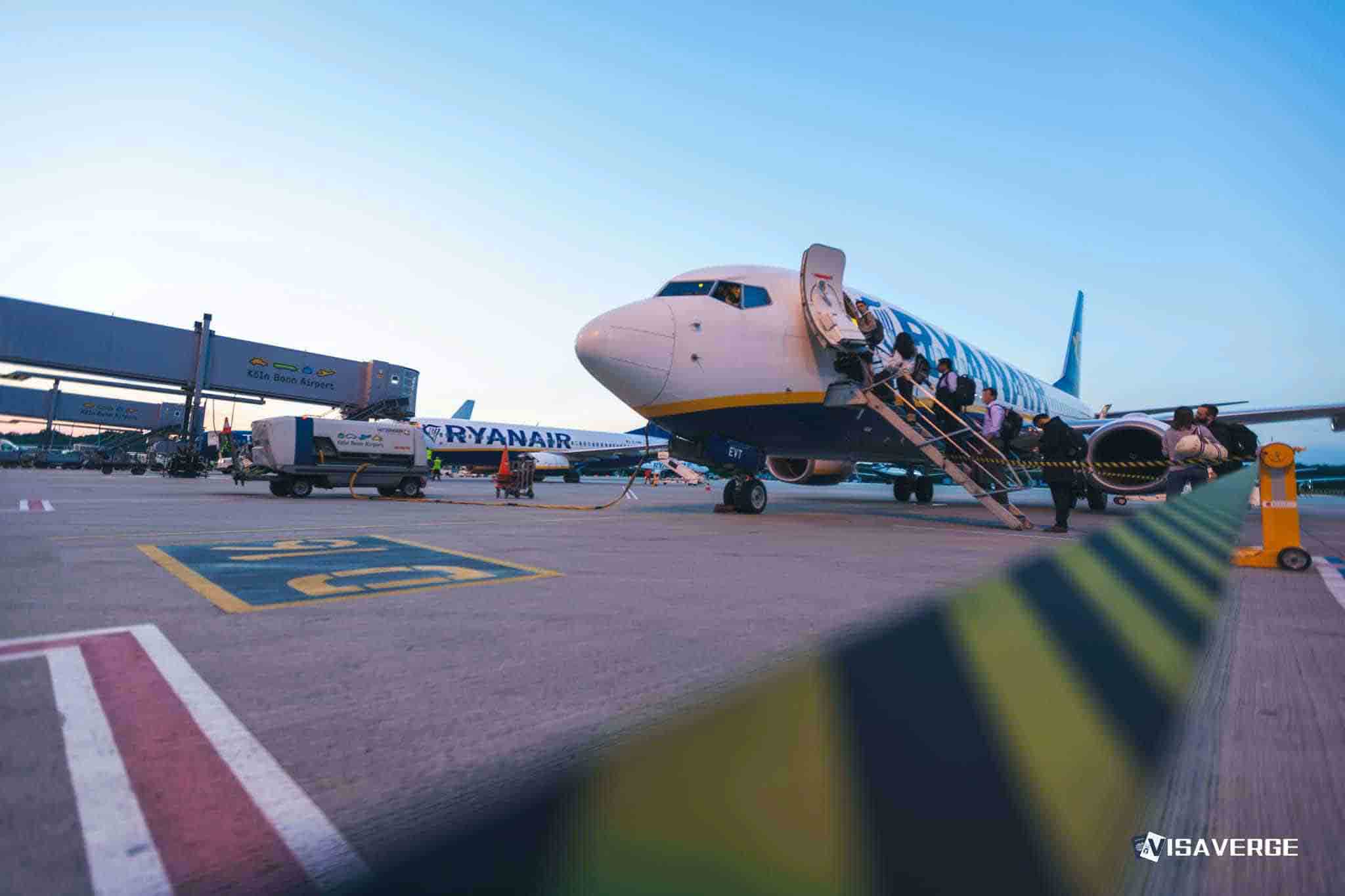
Ryanair has adopted one of the more flexible approaches. The airline said it will accept “alternative documents” proving British nationality, including expired British passports, Certificates of Entitlement, and old stamps or vignettes showing indefinite leave to remain, then contact the UK government’s Carrier Support Hub to check eligibility when a current British passport is not available.
That procedure has made Ryanair a focal point in the widening debate around the UK Dual Nationality Rule. Under the airline’s process, the government makes the final boarding decision after the carrier seeks verification, a model that attempts to protect the airline from penalties while giving stranded passengers one more route to prove status.
The rule emerged as Britain rolled out its digital border system. The ETA model depends on matching a travel document to an approved immigration status before arrival, and the old practice that allowed many dual citizens to enter on foreign passports no longer fits that data chain.
Government guidance has shifted as the effects became clearer. On February 25, 2026, the Home Office issued a written statement telling carriers to take a “compassionate, pragmatic approach“ during implementation, and on March 2, 2026, Britain issued temporary guidance allowing certain British dual nationals to travel without a valid UK passport.
Carriers still face a hard enforcement risk. Non-compliance can bring penalties of up to £5,000 per passenger, and repeat breaches can lead to suspension of route licenses, leaving airlines to weigh passenger flexibility against the cost of getting a status check wrong.
Other airlines have settled on different forms of flexibility. British Airways, easyJet, Lufthansa, Qantas, United, and Virgin Atlantic have confirmed they will accept an expired British passport together with a valid foreign passport, while Wizz Air reviews cases individually and also contacts the Carrier Support Hub where needed.
Singapore Airlines has signaled a narrower version of that approach. The carrier noted that the Home Office may accept proof of citizenship through expired British passports issued in 1989 or later when they are paired with valid non-visa-national third-country passports and the personal details match.
Those variations matter because the disruption has fallen unevenly. Families traveling with children have faced particular problems, as minors often hold only the non-UK passport of the country where they were born, while dual nationals from Commonwealth countries such as Australia, New Zealand, and South Africa have been caught by a rule that upends years of routine travel on foreign passports.
Last-minute travelers have also been hit. Travel agents have reported surges in urgent inquiries and emergency passport applications as passengers try to establish a right of abode quickly enough to avoid missing flights.
The cost of regularizing that status can be steep. A Certificate of Entitlement to the Right of Abode, one of the documents recognized under the new system, costs £589, adding a new expense for travelers who previously moved on a foreign passport without incident.
Airport decisions have become more document-driven than before. Most airlines allow passengers to specify the travel document they are using at check-in, whether a UK passport or a foreign passport, but that choice must remain consistent for the same journey because the border system now depends on the document presented being the one the carrier has verified.
Emergency travel documents remain available, though they offer limited relief. They are valid for a single journey and cannot be used for onward travel in the EU Schengen Area, a restriction that narrows their value for passengers trying to combine a UK trip with further travel in Europe.
Employers that move staff across borders have begun treating the issue as an administrative risk rather than a family travel inconvenience. Global mobility teams are auditing assignee populations to identify dual nationals and building in more time for passport renewals or applications for a Certificate of Entitlement before staff are sent to Britain.
The patchwork response by carriers reflects the same tension. Airlines need enough certainty to avoid sanctions, but they also need a process that does not leave British citizens stranded overseas because they traveled with the wrong passport in hand.
Ryanair’s stance has stood out because it puts expired passports, old immigration endorsements, and entitlement certificates into active use instead of treating them as irrelevant once a valid British passport is missing. That approach is more permissive than the strict reading many travelers feared when the rule first took effect, but it still leaves the final call with the Home Office through the Carrier Support Hub.
Britain’s temporary flexibility has not erased the underlying change. The digital border model closes what had long functioned as a loophole for dual citizens, and the practical message now reaching travelers, airlines, and corporate travel managers is blunt: a British citizen heading to the UK must be ready to prove that status with the right document before boarding begins.