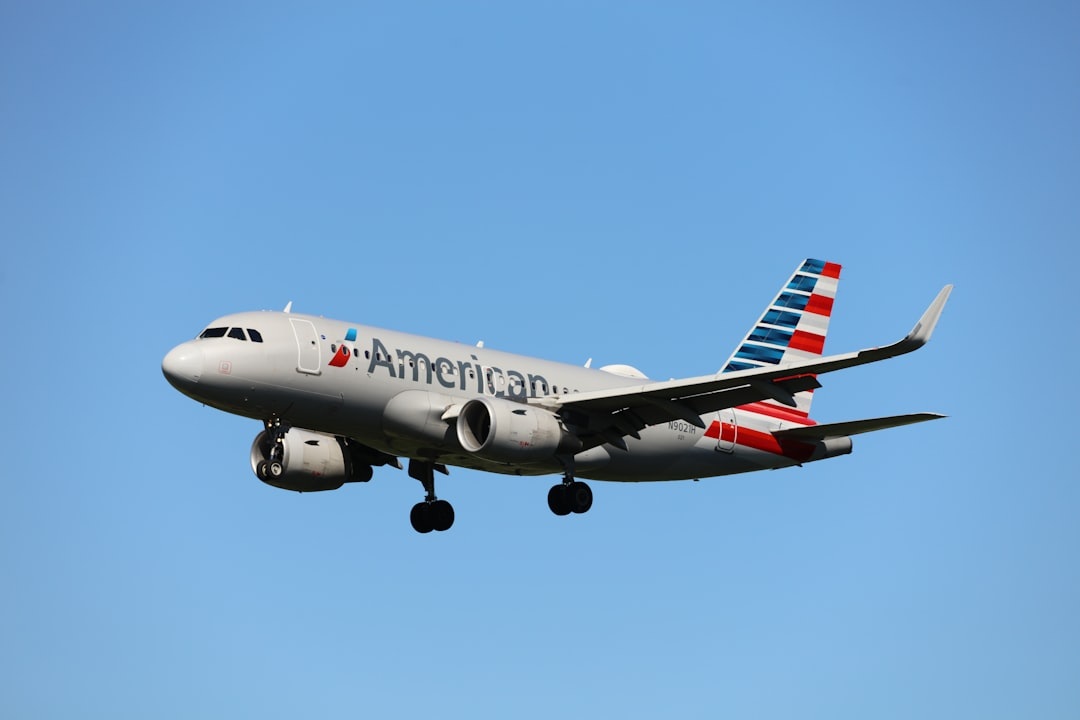
- American Airlines resumed direct flights to Venezuela on April 30, 2026, starting with Miami-Caracas service.
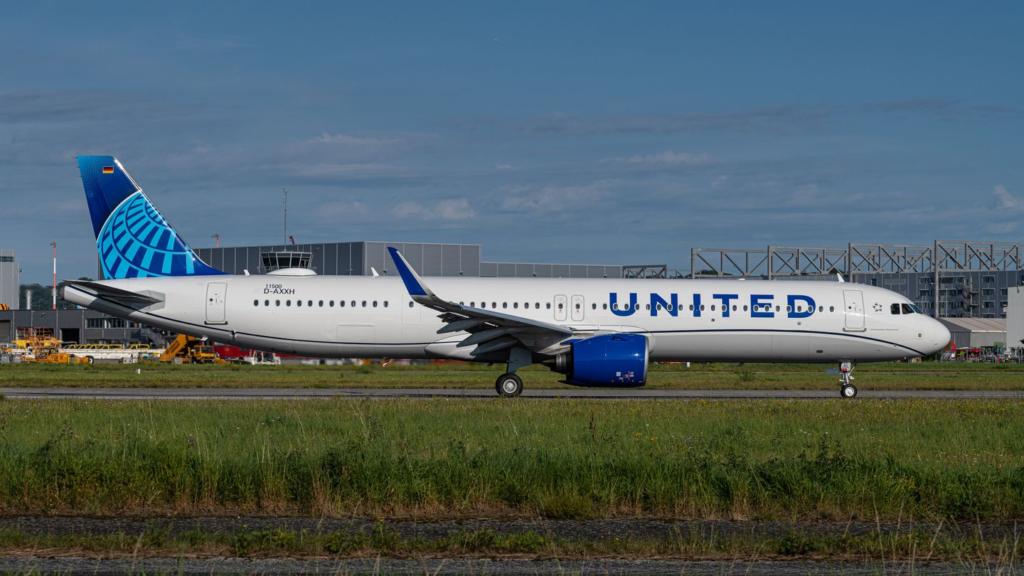
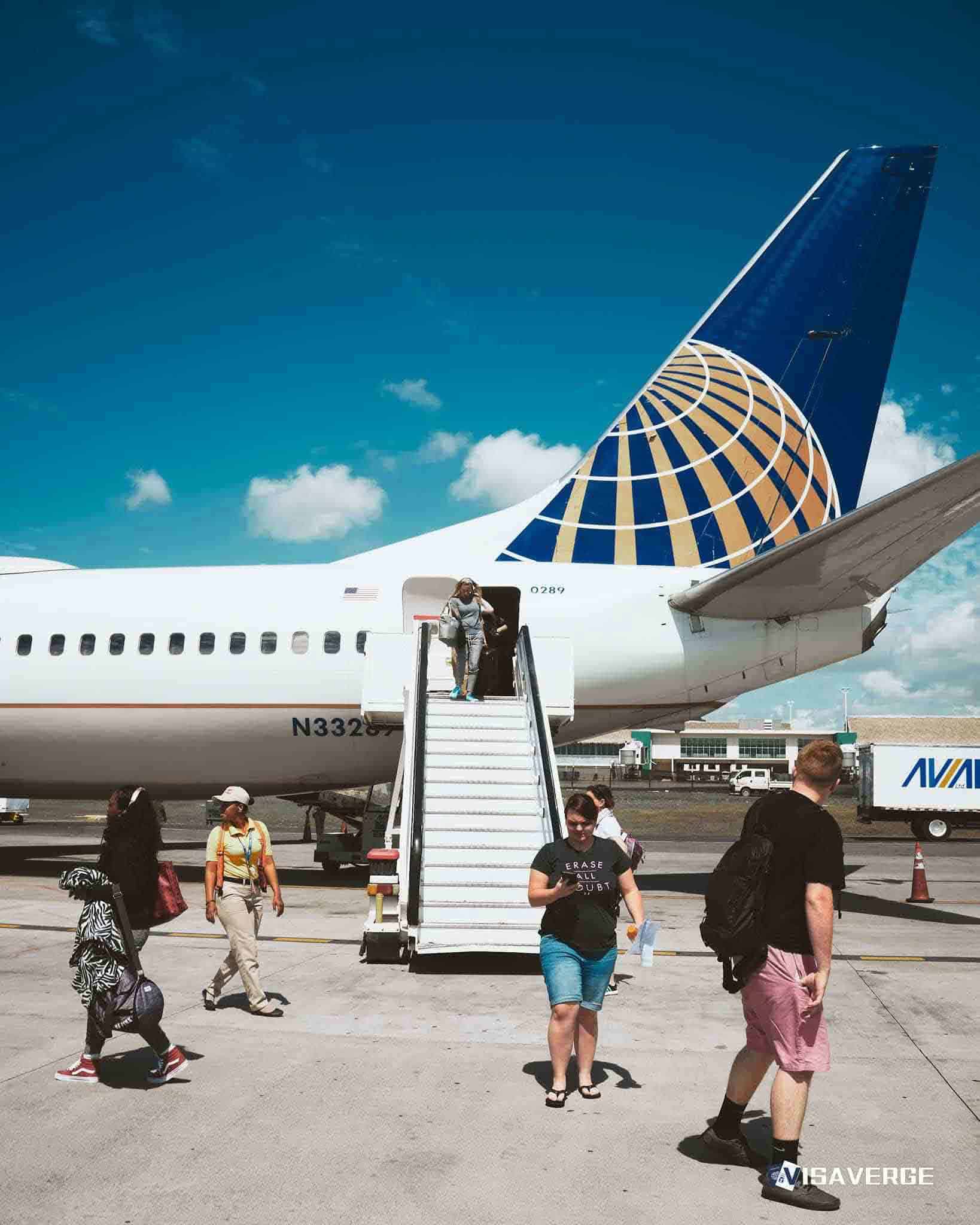
- United Airlines remains on the sidelines, having not announced plans to restore its former Houston-Caracas route.
- The U.S. government lifted flight restrictions in 2026 following significant political shifts and embassy reopenings.
(HOUSTON, TEXAS, USA) – American Airlines launched direct service between the United States and Venezuela in 2026, while United Airlines has not announced any plan to restore its old Houston-Caracas route as of May 12, 2026.
United suspended its Houston-Caracas service effective July 1, 2019 because the route was losing money. Charles Hobart, a United spokesman, said at the time: “Because our Houston-Caracas service is not meeting our financial expectations we have decided to suspend it.”
Free toolB1/B2 Tourist Visa Stay Calculator online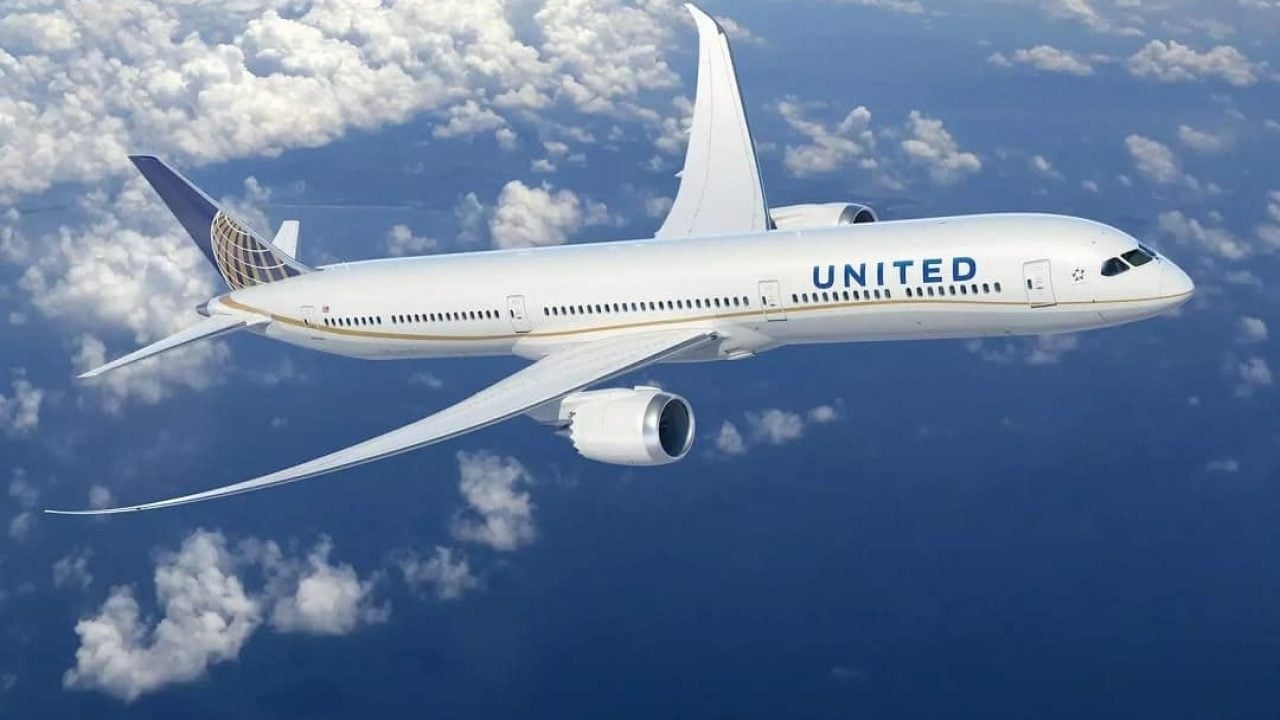
That service has not returned. As of May 12, 2026, United has not publicly announced plans to resume flights to Venezuela, even after direct U.S.-Venezuela commercial service restarted this year.
American Airlines, through subsidiary Envoy Air, became the first U.S. carrier to relaunch service after a seven-year suspension. The U.S. Department of Transportation approved American Airlines’ request on March 4, 2026, granting a provisional two-year permit after the airline submitted its application on February 13, 2026.
Service began on April 30, 2026 with flight AA3599, which departed Miami at 10:11 a.m. EDT and arrived in Caracas at approximately 1:36 p.m. local time. The return flight left Caracas at 2:40 p.m. EDT equivalent.
American started daily nonstop Miami-Caracas service on April 30, 2026. It added a second daily flight on May 21, 2026, and its Venezuela network also includes Maracaibo.
The return of commercial flights followed a policy reversal in Washington. The U.S. Department of Transportation lifted flight restrictions imposed in 2019 in early 2026, after instructions from President Donald Trump, the U.S. military capture of Nicolás Maduro in early January 2026, and the reopening of the U.S. embassy in Caracas.
Secretary of Transportation Sean Duffy said: “The continued suspension of air service is no longer required by the public interest.”
Those decisions reopened a market that had been closed to direct U.S. commercial operations for years. They also created an immediate contrast between airlines that moved quickly and those that did not.
American entered first. United Airlines and Delta Air Lines have not publicly announced resumption plans as of May 12, 2026.
That leaves United on the sidelines of a route map it once served from Texas. The carrier’s old Houston-Caracas operation ended long before the broader reopening, and its last public explanation remains the one Hobart gave in 2019: the service did not meet the airline’s financial expectations.
American has framed its return in commercial and family terms. Nat Pieper, American Airlines chief commercial officer, said the service gives “customers the opportunity to reunite with families and create new business and commerce with the United States.”
The airline’s entry also restored a direct U.S.-Venezuela link through Miami rather than Houston. That matters in practical terms for route planning, because the current service pattern centers on South Florida and not on United’s Texas hub.
Houston had long been a logical gateway for Latin America flying, and United’s presence at George Bush Intercontinental Airport gave the airline a strong platform for regional connections. Even so, the carrier withdrew from Caracas in 2019 before the government restrictions were lifted, citing demand and revenue rather than diplomacy or aircraft availability.
American’s first-mover position gives it a clear advantage in a reopened market with little direct U.S. competition. It now operates the Miami-Caracas corridor daily, then twice daily from May 21, 2026, while also serving Maracaibo.
Passenger demand remains a central question, but Venezuelan authorities have projected approximately 100,000 annual passengers on the Miami-Caracas route. That figure offers a benchmark for the size of the market American is testing and for what United Airlines or other U.S. carriers would weigh if they consider returning.
Safety and security remain part of that calculation. The U.S. State Department continues to list Venezuela under a Level 4 “Do Not Travel” advisory, even as commercial service has resumed.
The Federal Aviation Administration conducted safety assessments after the reopening. Those reviews came alongside the policy changes that allowed U.S. carriers to seek operating authority again.
The split between aviation approval and travel warnings leaves airlines and passengers working within two realities at once. Regulators have reopened the route structure, but the U.S. government still warns against travel to Venezuela at the highest advisory level.
American’s launch does not change that advisory. It does, however, restore a direct commercial option that had been unavailable for years and give travelers a scheduled alternative to indirect routings through other countries.
United has said nothing publicly about matching that move. No announcement has emerged on a return to Caracas from Houston, and no wider Venezuela relaunch has been outlined by the airline.
That silence stands out because United once had a foothold in the market. The Houston-Caracas route linked one of the airline’s largest hubs with Venezuela’s capital, but the economics had already deteriorated enough by mid-2019 for the company to walk away.
American’s operation, by contrast, began with regulatory momentum and political backing from Washington. The transportation department’s March 4, 2026 approval gave the carrier a provisional two-year permit less than three weeks after it applied on February 13, 2026.
That pace allowed the airline to move from application to launch in less than three months. By April 30, 2026, the first flight was airborne from Miami, and by May 21, 2026, the schedule had already expanded.
American Airlines now occupies the reopened market alone among U.S. carriers named in public plans, while United Airlines and Delta remain absent. The result is a Venezuela restart led not by the old Houston-Caracas operator, but by American from Miami.
Whether United follows will depend on a calculation it has not shared publicly. For now, the only direct statement attached to its Venezuela service remains Hobart’s 2019 explanation that the Houston-Caracas flight was not meeting financial expectations, while American presses ahead on a route Pieper said can help families reconnect and create business with the United States.