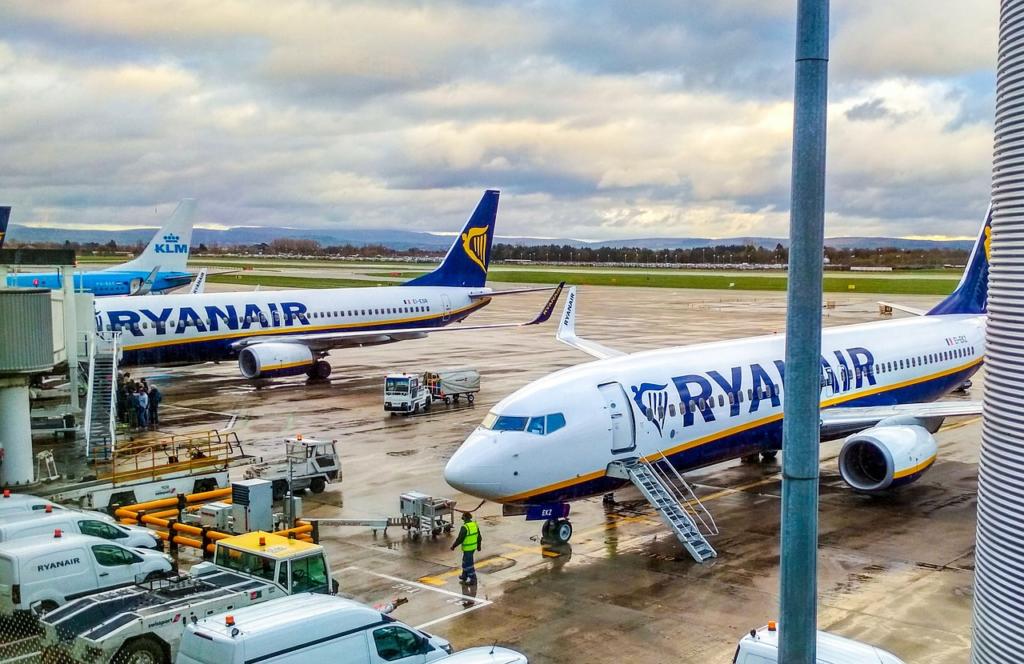
- Global airlines canceled 13,000 flights scheduled for mid-2026 due to surging jet fuel prices.
- Fuel costs nearly doubled to $200 per barrel, driven by geopolitical instability and the war in Iran.
- Major carriers like United and AirAsia warn that fares could rise 20% to offset operational expenses.
(MIDDLE EAST) — Airlines canceled about 13,000 flights for May through August 2026 and raised fares after a jet fuel price shock sent costs soaring across the industry, with carriers including AirAsia, Thai Airways and United Airlines warning that the spike has started to reshape schedules and pricing.
Jet fuel prices climbed from around $85–$90 per barrel to between $150 and $200 per barrel in recent weeks, driven by the war in Iran. Fuel now accounts for well over a third of many carriers’ operating expenses.
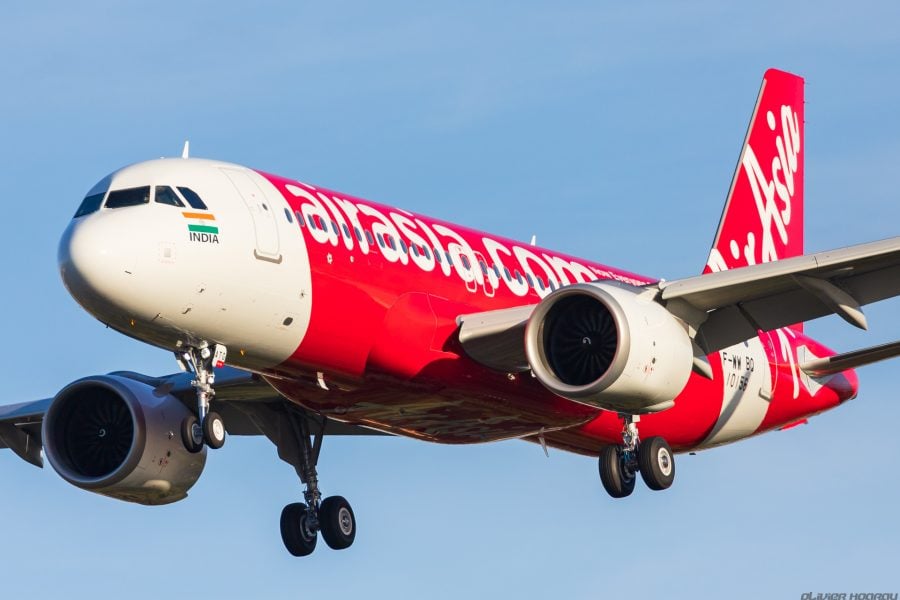
Carriers cut flights across the United States, United Kingdom, Germany and Canada, removing service in ways that range from a single daily frequency reduction to the complete suspension of city pairs that no longer cover their costs. The squeeze has reached both network airlines and low-cost operators.
Prices are now at or near their highest levels since records set in 2022. Average jet fuel prices also rose sharply at major hubs including New York, London, Frankfurt, Dubai and Tokyo.
That increase has landed quickly on airline balance sheets because fuel is one of the few large expenses carriers cannot trim without cutting service, grounding aircraft or passing costs to passengers. The immediate response has centered on trimming schedules and withdrawing from less profitable routes.
Long-haul airlines face a tighter bind. Short-term alternatives are limited on long-distance flying, leaving carriers little room to replace jet fuel consumption with other measures.
Lufthansa has taken the broadest published step in the current round of reductions, removing 20,000 short-haul flights through October. The cuts are equivalent to approximately 40,000 metric tons of jet fuel.
The German carrier had already grounded 27 planes serving its CityLine subsidiary earlier than planned. That earlier move now sits alongside a wider retrenchment as fuel costs rise.
Thai Airways cut 46 flights in May 2026, equal to roughly 4–5% of its schedule. Thai AirAsia X reduced frequencies from Bangkok and temporarily suspended selected routes to China and the Middle East.
Thai AirAsia X said its jet fuel costs had roughly doubled compared with earlier in the year. AirAsia responded by introducing sizable fare increases and additional surcharges on remaining services.
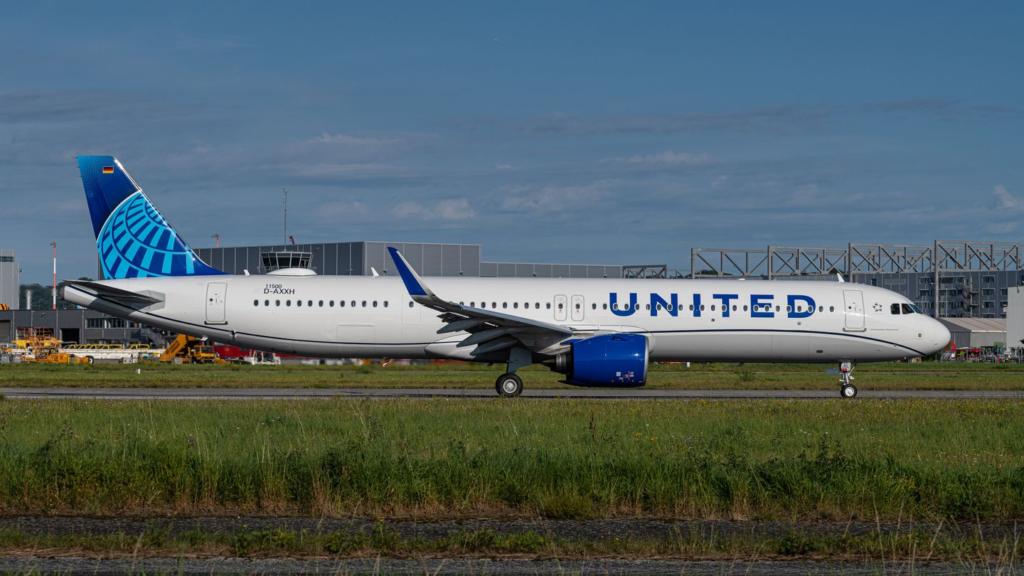
The pattern is not confined to Asia or Europe. United Airlines has already moved to charge more, adding five fare increases in late Q1 2026 and higher baggage fees.
United Airlines CEO Scott Kirby said ticket prices may need to rise by as much as 20 percent to offset surging jet fuel costs. United said the fare and fee increases have begun offsetting rising fuel costs.
Other carriers are moving in the same direction. Qantas told investors it expected higher ticket prices, capacity trims on certain domestic segments and delays to planned aircraft deliveries.
Those steps show how quickly a fuel rally can spread through airline planning. Carriers usually set schedules months in advance, but a steep increase in fuel can force abrupt revisions once thin-margin routes turn uneconomic.
Across the current window from May to August 2026, airlines have concentrated cuts where frequency is easier to shave without abandoning an entire market, while also suspending some city pairs outright. The result is a mix of smaller daily reductions and sharper network withdrawals.
In practical terms, the 13,000 flight cancellations reflect a broad industry calculation that some flying no longer pays at fuel prices near $150 to $200 per barrel. Airlines can try to absorb part of the increase, but once fuel moves from around $85–$90 to current levels, the arithmetic shifts fast.
Network airlines and low-cost carriers are approaching the problem from different starting points, yet their responses have started to converge. Full-service operators are cutting frequencies and reconsidering fleet deployment, while lower-cost airlines are adding surcharges, suspending routes and lifting fares on services that remain.
That convergence is visible in the current moves by Lufthansa, Thai Airways, Thai AirAsia X, AirAsia and United Airlines. Each carrier has acted differently, but all are trying to contain a cost increase that arrived within weeks rather than over a longer planning cycle.
For airlines with large short-haul networks, schedule reductions can produce immediate fuel savings by removing marginal sectors and reducing utilization. Lufthansa’s estimate of about 40,000 metric tons of jet fuel tied to its planned cuts offers a measure of how heavily those sectors weigh on consumption.
For airlines built around international leisure traffic, the choices are narrower. Thai AirAsia X cut Bangkok frequencies and paused selected links to China and the Middle East after saying fuel costs had roughly doubled, while AirAsia pushed more of the increase into fares and surcharges.
United’s actions point to the pressure on large U.S. carriers as well. Five fare increases in late Q1 2026, followed by higher baggage fees and Scott Kirby’s warning that prices may need to rise by as much as 20 percent, show that airlines are testing how much of the fuel spike passengers will bear.
Qantas has signaled a similar calculation, combining higher ticket prices with capacity trims and aircraft delivery delays. Airlines often use those levers together because each addresses a different part of the problem: fares support revenue, reduced flying lowers fuel burn, and later deliveries slow capital commitments.
The current shock has also spread across the world’s largest fueling points. Sharp increases in New York, London, Frankfurt, Dubai and Tokyo mean carriers cannot easily reroute operations around a single expensive region, because the rise has appeared across multiple major hubs at once.
That broad rise matters most on long-haul flying, where fuel burn is heavy and alternatives are limited. Airlines can alter frequencies and aircraft assignments, but they cannot quickly substitute another energy source for widebody operations.
Passengers are already seeing the effect in two forms: fewer available flights and higher prices on the ones left in the market. Some routes lost one daily service; others disappeared altogether after carriers judged that high fuel costs had made them uneconomic.
AirAsia, Thai Airways and United Airlines sit at different ends of the market, but the message from each has been similar as the jet fuel price shock deepens. Airlines are cutting what they can, charging more where demand holds, and retreating from routes that no longer make financial sense.
With fuel now consuming well over a third of operating expenses for many carriers, the pressure has moved from the balance sheet to the schedule board. The industry’s answer so far has been blunt: fewer flights, higher fares and a scramble to protect routes that can still pay their way.