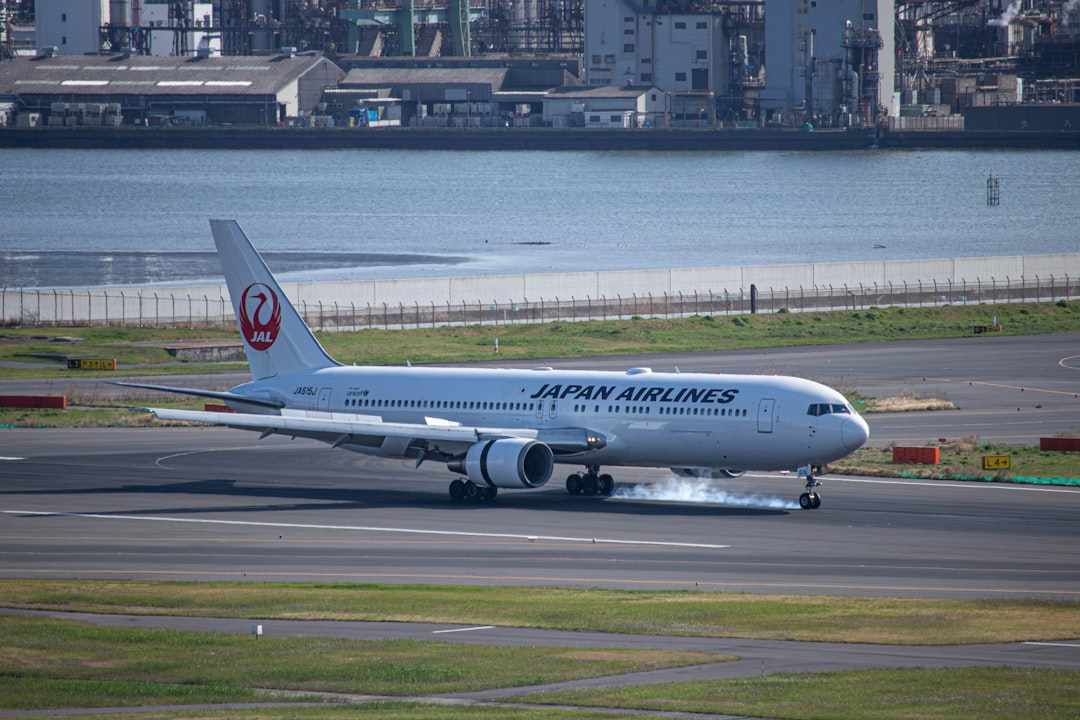
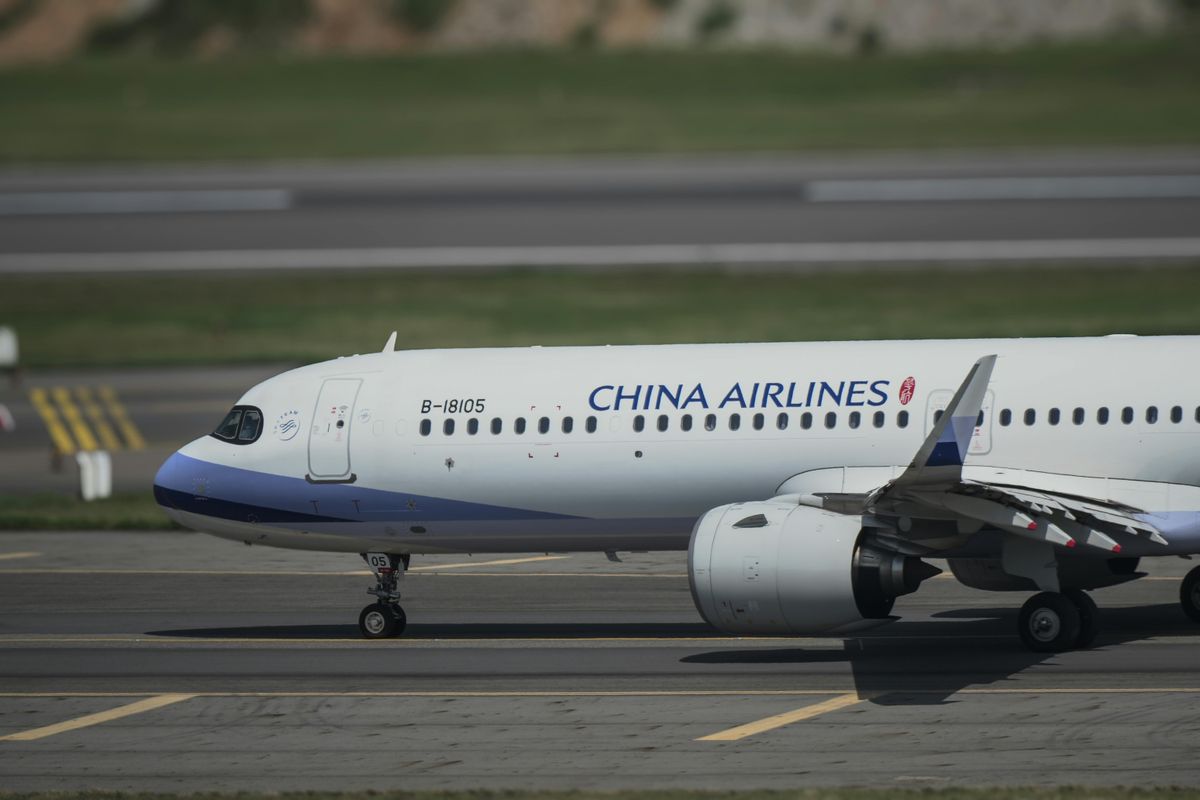
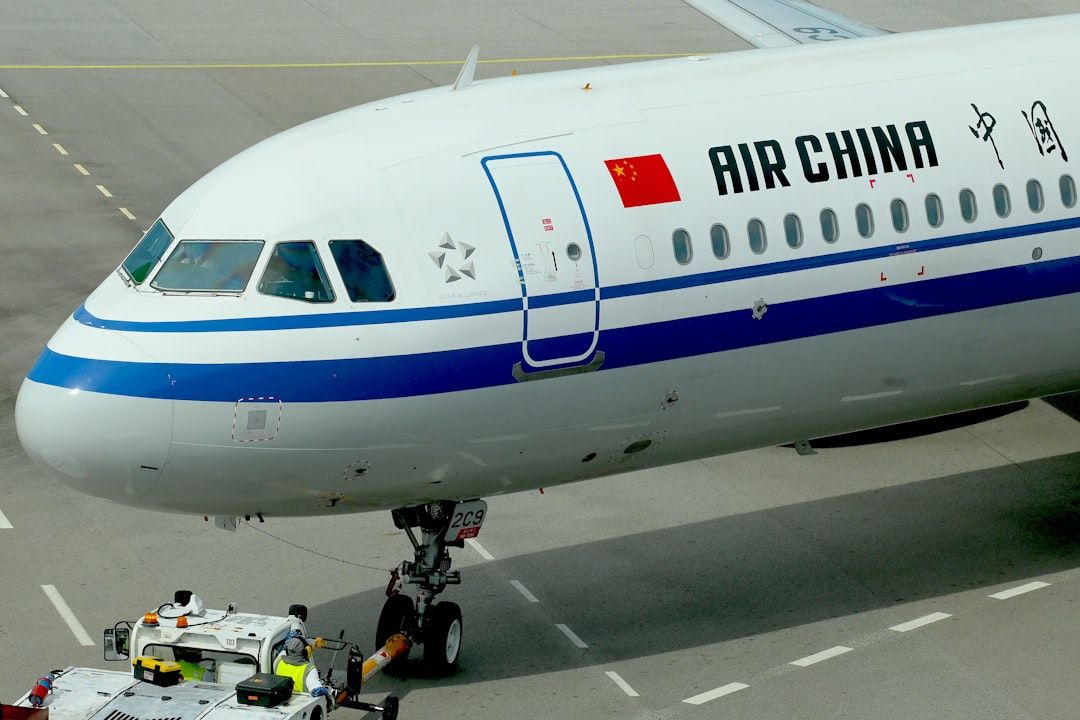
(SINGAPORE) Thousands of people faced missed connections and disrupted travel plans on Tuesday as 90 new canceled flights rippled across major airports in Asia, from Changi and Narita to Kuala Lumpur, Incheon, and Manila. Airlines including Singapore Airlines, Japan Airlines, AirAsia, Malaysia Airlines, Korean Air, and Philippine Airlines pulled services as Typhoon Ragasa pushed dangerous winds and heavy rain into the region. Airport officials and carriers said operations would continue to adjust through the day as weather bands shifted and safety checks continued.
Airlines said safety and ground conditions were the key reasons for the cancellations. There were no confirmed reports of other causes, such as labor actions or widespread technical problems, linked to these specific decisions. The current round of suspended services adds to what has been a difficult travel season across Asia in 2025. According to airline and airport tallies cited by regional operators, more than 4,000 flights have been affected in recent months by storms and related operational challenges stretching across China, Japan, Singapore, South Korea, Indonesia, and India.
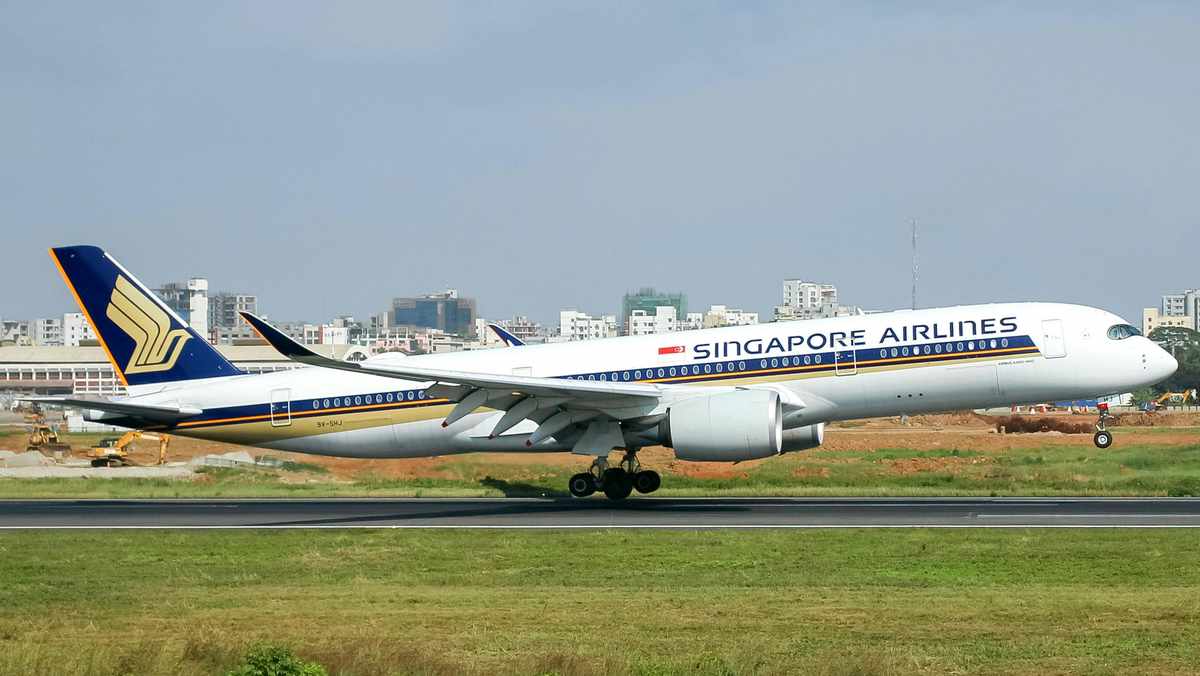
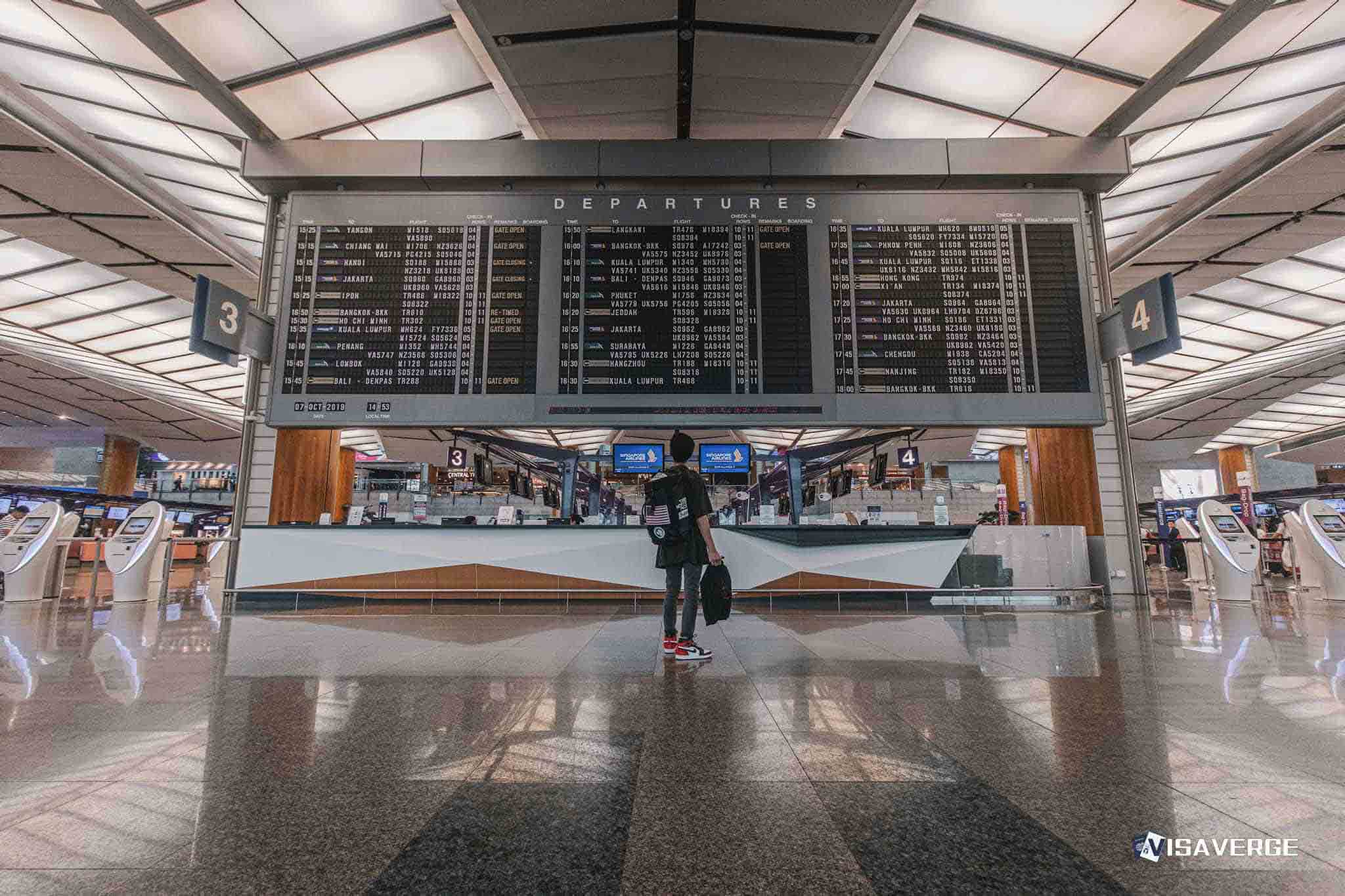
At Changi Airport, departure boards filled with notices as Singapore Airlines and several regional carriers delayed or canceled sectors tied to the storm’s path. Narita also reported waves of changes as ground staff paused ramp work during bursts of strong wind and low visibility. Incheon and Manila confirmed gate holds and diversions. Kuala Lumpur saw re-timed departures as crews and aircraft repositioned.
Free toolB1/B2 Tourist Visa Stay Calculator onlineWith major airports coordinating runway use and ramp safety, airlines emphasized that recovery flights would run only when conditions met strict safety thresholds.
Operational status and control-centre updates
As of September 23, 2025, airline control centers described conditions as “fluid.” Dispatchers were working to rebook travelers on the next available services and to move aircraft and crews into place once winds eased.
This recovery process often requires several cycles:
- Pilots must remain within duty time limits.
- Aircraft need inspections after weather exposure.
- Airports must clear debris and conduct further checks before resuming normal schedules.
Airport and airline statements indicated these steps were being followed before wider resumption of services.
Important: There is no confirmed timeline for full recovery. Schedules could change again if storm bands return.
What this means for international travelers
For many passengers, these canceled flights pose more than a missed meeting — they can affect visa timing, entry rules, and onward immigration checks.
- Some travelers risk failing proof-of-onward-travel requirements if a return or next-leg ticket is canceled.
- Others face entry-permit clocks that start upon arrival; missing a same-day connection may force rebooking for the next day and create tight deadlines.
- If your journey requires a timed entry (for example, a visa with a latest entry date), keep every piece of evidence that shows the disruption came from Typhoon Ragasa.
Collect and save the following documentation:
- Airline emails and text alerts
- Canceled flight numbers and rebooking confirmations
- Photos of terminal screens showing cancellations or delays
Border officers in Asia often consider weather disruptions when assessing late arrivals or missed connections, but they will ask for proof. If you face a same-day entry deadline, ask your airline to alert local immigration staff at the arrival airport and request written confirmation of the disruption.
If you risk overstaying because no flight is available today:
- Speak with the airline and, if necessary, the immigration counter at the airport for guidance.
- Check country-specific rules. In Singapore, travelers can consult the Immigration & Checkpoints Authority of Singapore.
- Similar guidance is available from authorities in Japan, South Korea, Malaysia, and the Philippines at their official portals.
Bring proof of your original travel dates and all notices of cancellation or delay.
Airline actions and passenger options
Airlines said they were processing rebookings without change fees where policy allows during weather events. However, seats are limited when many flights cancel at once, so expect:
- Longer wait times
- Crowded service counters
- Fewer alternative flights on the same day
Recommended steps for affected passengers:
- Contact your carrier as soon as you receive a cancellation notice. Ask for the next available seat and whether they can place you on a partner airline if their own flights are full.
- Keep copies of all notices showing your sector was canceled due to Typhoon Ragasa.
- If you need to clear immigration earlier than planned because a connection was lost, notify airline staff and request help speaking with border officers.
- If you’re on a visa waiver or short-stay entry, check how many days remain and plan an updated return date within your permission.
- Travelers needing special assistance should inform the airline right away; staff can arrange priority support once operations resume.
VisaVerge.com reports that during severe weather events, airlines often add recovery flights and open extra seats in the following 24 to 72 hours, but those flights can still slip if wind or visibility worsens. It’s often best to rebook the earliest flight possible, then monitor for upgrades or better options as seats open.
Wider operational pressures and costs
Across the region, the larger pattern is clear: repeated weather shocks in 2025 have strained crew rosters and aircraft positioning. When a hub like Incheon or Changi slows, the effect spreads quickly, leaving aircraft and crews out of place.
Key factors affecting recovery:
- Storm track and ramp conditions
- When pilots can legally return to duty
- Airlines juggling maintenance slots if aircraft take on extra flight hours later
Accommodation and expenses:
- Policies vary by carrier. Many airlines do not pay for hotels when the cause is weather, though some may offer meal vouchers or limited lodging during long delays.
- Travel insurance may cover hotels and meals if your plan includes weather delays — save all receipts and check claim rules before spending.
Special circumstances: families, students, workers
- Parents with children should consider school attendance notes if return dates shift. Employers may ask for proof of disruption; an airline letter or rebooking email usually suffices.
- Students and workers with permit interviews or reporting dates should inform the institution or employer and request a new appointment window.
- If your presence is tied to a formal deadline, request a written extension and keep copies with your travel papers.
Practical tips and final takeaways
- Act early: contact airlines immediately and rebook the earliest feasible option.
- Gather proof: keep emails, screenshots, canceled flight numbers, and any official notes tied to Typhoon Ragasa.
- Stay flexible: monitor airline apps, airport alerts, and government advisories for the latest rebooking windows and entry rules.
- Expect phased recovery: airports typically resume in stages — limited departures and arrivals first, then wider resumption as taxiways and gates reopen and crews rotate back into duty.
Officials called on travelers to rely on airline apps, airport alerts, and government advisories for the latest information. Airlines and airports are moving people as quickly as safety allows, but Typhoon Ragasa remains the key factor in what flies and when.
This Article in a Nutshell
Typhoon Ragasa caused widespread travel disruption across Asia, prompting 90 recent flight cancellations at major airports including Changi, Narita, Kuala Lumpur, Incheon and Manila. Airlines such as Singapore Airlines, Japan Airlines, AirAsia, Malaysia Airlines, Korean Air and Philippine Airlines suspended services for safety and ground-condition reasons. Regional tallies show more than 4,000 flights affected in 2025 by storms and operational pressures across China, Japan, Singapore, South Korea, Indonesia and India. Passengers should collect airline notices, canceled flight numbers and rebooking confirmations, contact carriers promptly for alternatives (often without change fees), and seek written confirmation for immigration or visa timing issues. Recovery depends on weather, aircraft inspections and crew duty limits and may take days as airports resume operations in phases.