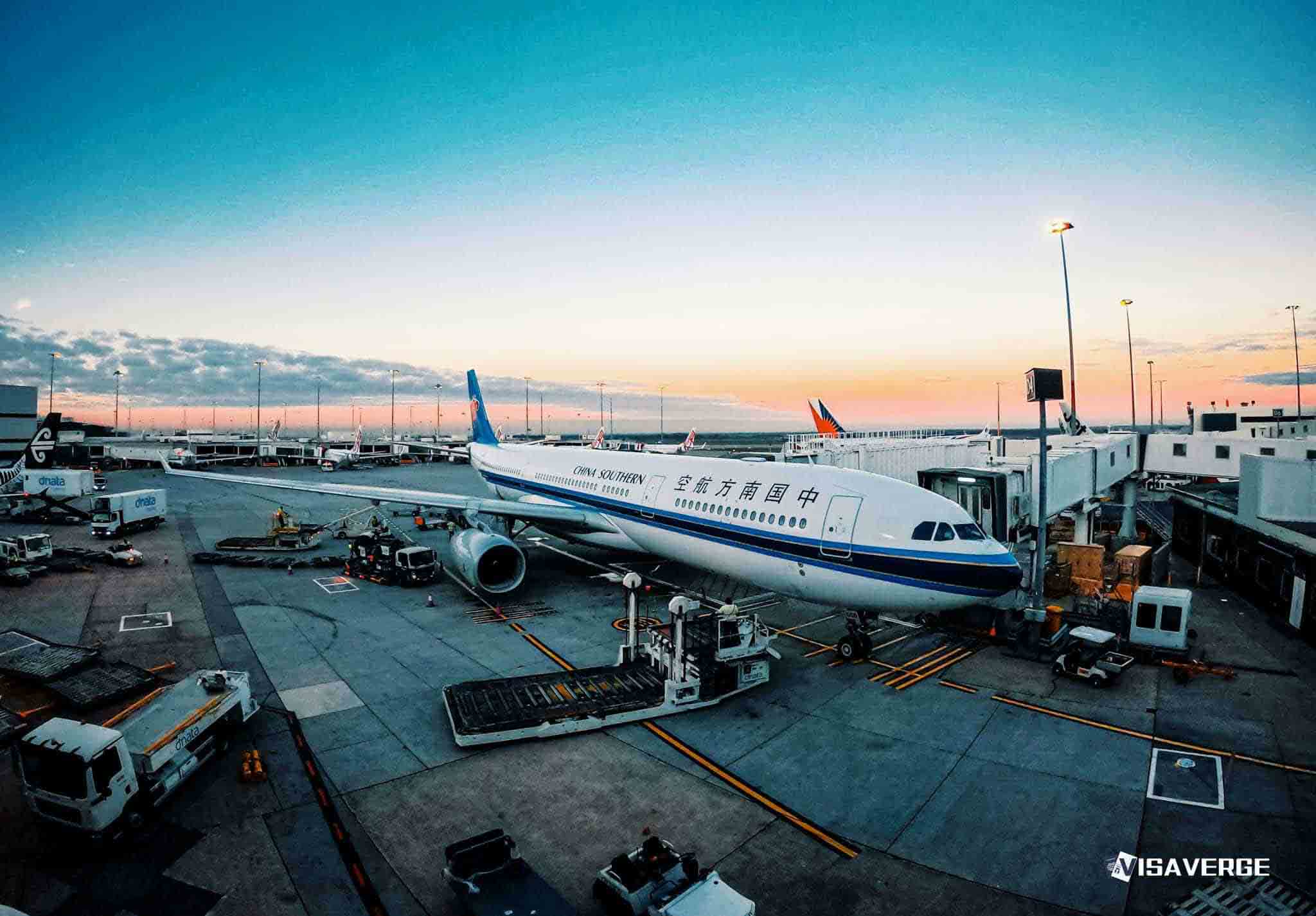
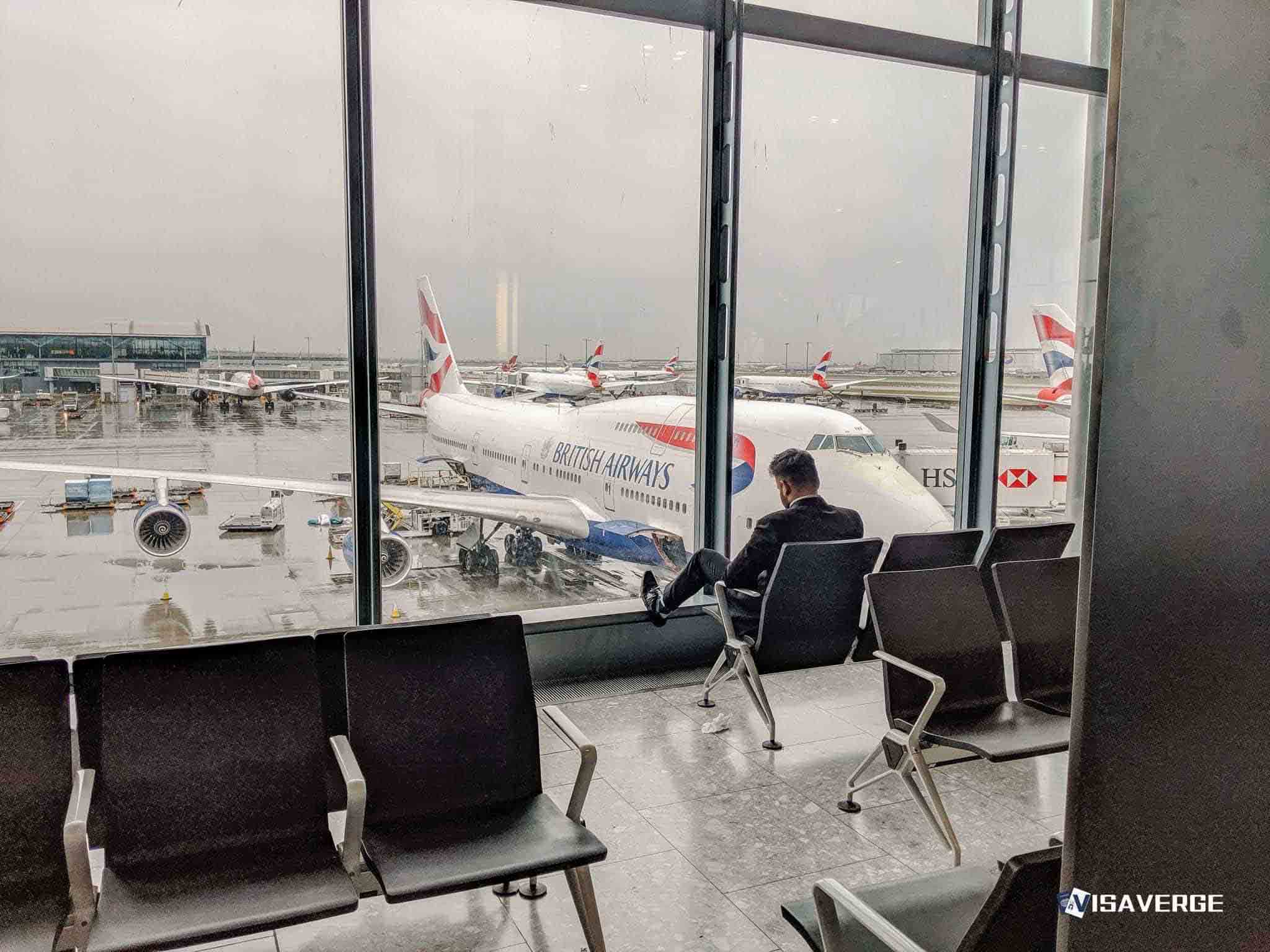
- Major airlines canceled over 100 flights at Haneda and Narita due to Typhoon Chan-hom’s unusual westward path.
- The storm disrupted the peak Bon holiday period, grounding All Nippon Airways’ entire Narita operation for the day.
- Meteorologists recorded a historic landfall in Ibaraki, marking the first such event since record-keeping began in 1951.
Japan Airlines canceled four domestic flights from Narita Airport on Tuesday as Typhoon Chan-hom moved toward Tokyo, while All Nippon Airways halted every flight at Narita for the day and canceled many services at Haneda. The disruptions hit travelers during the Bon holiday period, when domestic travel across Japan is especially busy.
The cancellations reached beyond the capital. ANA reported disruptions at Sendai and Fukushima, while JAL warned of major effects at Haneda and Aomori. Northern airports including Hanamaki, Sendai and Yamagata also faced possible interruptions.
Free toolB1/B2 Tourist Visa Stay Calculator online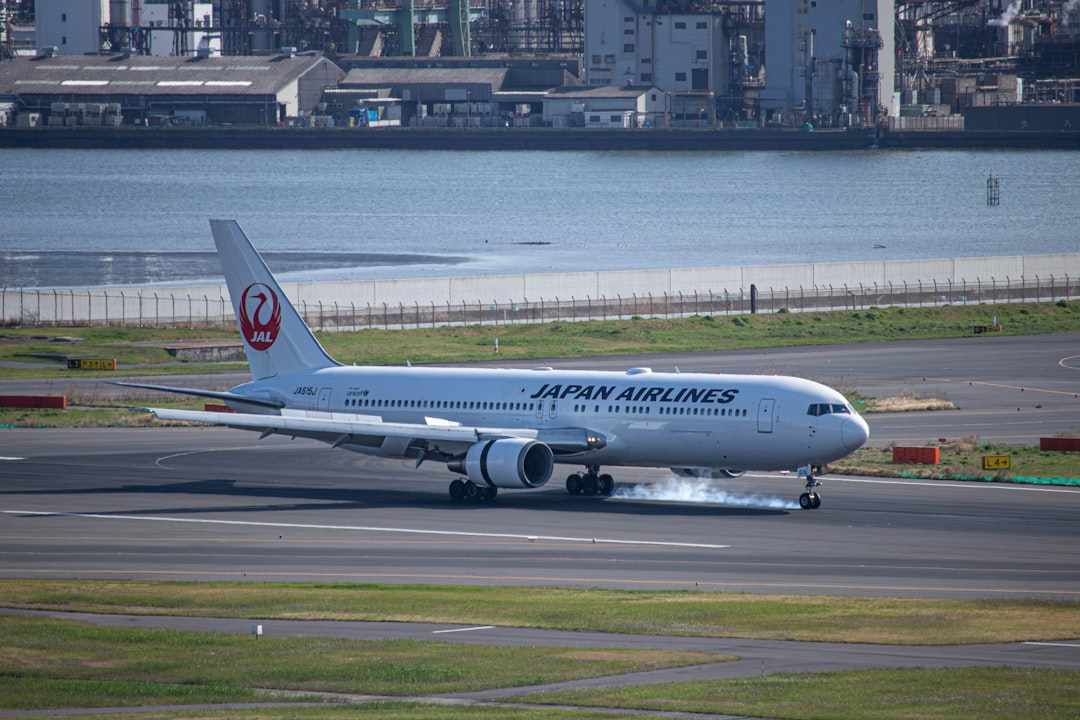
By 11:00 a.m. local time, airlines had canceled 62 flights, including 58 operated by ANA and four operated by JAL. JAL said its four Narita cancellations affected 568 people.
A separate airport tally put the combined number of cancellations at Haneda and Narita at 118. That count included 66 domestic and 14 international cancellations at Haneda, plus 27 international and 11 domestic cancellations at Narita.
The counts covered different reporting times and categories. More cancellations remained possible as the storm track developed.
The Japan Meteorological Agency said Chan-hom had maximum instantaneous gusts of 35 meters per second at 9 a.m. The storm was expected to approach the Tokyo region during the afternoon and potentially make landfall overnight.
The storm later made landfall in Ibaraki Prefecture near Tokyo at about 8:00 p.m. JST on August 11, according to the additional weather updates. It marked the first typhoon landfall in Ibaraki since the agency began keeping records in 1951.
Narita stopped all ANA flights while Haneda kept a reduced schedule
ANA's operating notice said every flight in and out of Narita had been canceled for August 11. Many Haneda flights also stopped, and the airline said the situation could change with the storm's route.
The carrier issued that update at 6:25 p.m. JST. It told passengers to check its website before traveling because further cancellations and delays could follow.
"Tokyo Narita: All flights have been canceled. Tokyo Haneda: Many flights have been canceled. This situation is subject to change depending on the route of the typhoon."
JAL took a narrower action at Narita, canceling four domestic flights and affecting 568 passengers. It also suspended its "Airport Standby and Departure Date Upgrade services" at Haneda for the entire day of August 11 as it managed displaced travelers.
Neither carrier offered a normal Tokyo operation. Haneda and Narita formed the main disruption points, but the effects spread across northern airports.
| Airport | Reported disruption |
|---|---|
| Narita | All ANA flights canceled for August 11; four JAL domestic flights canceled |
| Haneda | Many ANA flights canceled; JAL warned of major disruption |
| Sendai | ANA flights affected; airport included in northern disruption warnings |
| Fukushima | ANA flights affected; landslide and flooding risks continued nearby |
| Hanamaki and Yamagata | Flagged for possible disruption |
| Aomori | JAL warned of significant disruption |
The airlines' schedules remained tied to visibility, wind and the typhoon's progress. Low-visibility warnings also remained for northern airports including Kushiro and Kamine.
An unusual westward track brought the storm toward the capital
Chan-hom followed a path meteorologists described as highly unusual. Instead of moving from southwest to northeast, as many typhoons approaching Japan do, the storm traveled westward from the Pacific.
The agency referred to it as Typhoon No. 15. It reported central pressure of 980 to 985 hectopascals, maximum sustained winds of 25 meters per second, and peak gusts of 35 meters per second.
The agency warned that the storm was moving in an "unusual direction" and that atmospheric conditions would deteriorate rapidly.
"Atmospheric conditions are expected to become extremely unstable. the JMA is urging residents in the Tohoku region to remain on high alert for landslides through Wednesday."
Rainfall rates were forecast to reach 50 millimeters per hour in northern Kanto and Tohoku. Residents were urged to avoid non-essential travel as heavy rain increased the danger of landslides and overflowing rivers.
The warning extended beyond aviation. Tokyo Electric Power Company reported about 640 power outages in Ibaraki Prefecture as of 6:00 p.m. Tuesday.
Ferry cancellations added pressure during the Bon holiday
MOL Sunflower canceled ferry services between Oarai in Ibaraki and Tomakomai in Hokkaido for August 11 and 12. The cancellations left hundreds of holiday travelers stranded alongside passengers affected by the airport shutdowns.
The timing amplified the disruption. Bon, also called O-Bon, is one of Japan's busiest travel periods, when families commonly travel to ancestral hometowns.
The storm also arrived during an active Pacific season. Chan-hom was the 15th named storm of the 2026 season, while 16 named storms had formed by early August, making the season the most active since 1971.
Prime Minister Sanae Takaichi monitored the disaster response alongside briefings from the chief cabinet secretary. Those briefings also covered earthquake recovery in Kumamoto.
Most morning flights were expected to resume Wednesday
Forecasts called for Chan-hom to weaken into a tropical depression by Wednesday, August 12, after crossing Honshu and entering the Sea of Japan. The weather agency maintained a high-alert status in Fukushima Prefecture for landslides and river overflows through Wednesday morning.
Airlines expected to restore most morning services on August 12, but the timetable remained vulnerable to weather conditions. Low visibility could continue affecting northern airports even as the storm weakened.
Passengers holding August 12 reservations should check their airline's latest operation notice before leaving for the airport. Travelers affected by Tuesday's cancellations also faced limited alternatives after the Oarai-Tomakomai ferry cancellations.