- Major airlines canceled seventy-six interisland flights across Hawaii as Hurricane Lala hit the Big Island.
- Short-haul routes faced triple the disruption rate compared to transpacific flights due to complex network logistics.
- Hilo and Kona airports suspended all operations while Honolulu remained stable as the primary transit hub.
Hawaiian Airlines and Alaska Airlines canceled far more short interisland flights than transpacific flights as Hurricane Lala closed airports on Hawaii Island and disrupted the state’s internal air network. On Saturday, Aug. 15, the carriers canceled 59 neighbor-island flights and 18 transpacific flights.
The split widened as the storm moved through the islands. The airlines added 17 neighbor-island cancellations and 7 transpacific cancellations for Sunday, Aug. 16. Travelers connecting between islands faced the earliest and most concentrated disruption.
Free toolB1/B2 Tourist Visa Stay Calculator online
The Hawaii Department of Transportation closed Hilo International Airport and Ellison Onizuka Kona International Airport. Hilo lost all scheduled service, accounting for 25 cancellations, while Kona suspended all interisland operations after 2 p.m. and recorded 5 transpacific cancellations to or from the airport.
Honolulu held up better. Most flights scheduled to and from the state’s main hub continued, while Kahului and Lihue experienced reductions and cancellations.
The reason lies in how Hawaii’s short routes operate. A single aircraft may make several island sectors in one day, with crews and planes moving through airports that can close quickly when wind, rain or runway conditions deteriorate. Once one airport shuts, the schedule can no longer turn as planned.
Big Island closures broke the schedule at its most vulnerable points
The storm reached Category 1 hurricane strength Saturday, producing maximum sustained winds of 75 mph, before weakening to a tropical storm Sunday, Aug. 16. Its first serious aviation effects centered on Hawaii Island.
Hilo closed early Saturday morning. Kona stopped operations at 2 p.m. That removed both major Big Island airports from the network during the period when airlines were trying to position aircraft and crews ahead of worsening conditions.
The airport closures also affected flights that did not originate on Hawaii Island. A plane scheduled to fly from Honolulu to another island may already have been assigned to a later sector from that destination. If the destination closes, the aircraft can be stranded, the crew can be displaced and several later flights can fail in sequence.
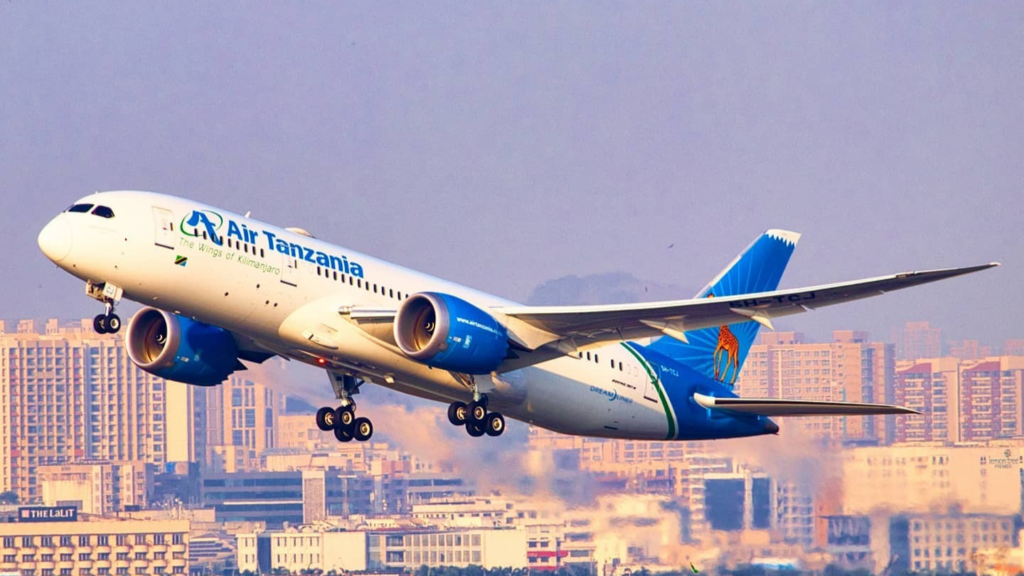
That exposure is greater on the interisland network than on a long-haul flight schedule. Interisland services primarily use Boeing 717s and smaller aircraft such as Mokulele’s Cessna Caravans. Transpacific routes use larger Airbus A330s and Boeing 787s.
The aircraft types are only one part of the calculation. Airlines also move interisland aircraft away from threatened airports to avoid trapping them at facilities with limited secure hangar space. During previous similar threats, Hawaiian Airlines moved 54 aircraft to the mainland or alternative island hubs.
"The strongest operational worry [is] strong and gusty winds. Affected passengers will be offered options that include a refund or rebooking."
Alex Da Silva, a Hawaiian Airlines spokesperson, made that statement Aug. 14. The carrier’s response reflected both flight safety and the need to keep aircraft away from airports where operations could stop.
Honolulu’s stability did not protect the neighbor-island network
Daniel K. Inouye International Airport in Honolulu serves as the state’s largest connecting point, but the interisland system depends on smaller airports closer to the storm’s path. Those facilities can close before Honolulu, leaving the central hub open while island-to-island travel collapses.
Governor Josh Green, M.D., said Friday evening that 23 Saturday flights had already been canceled. He said "most of them [were] on interisland routes."
The early cancellations gave airlines room to remove aircraft and crews from exposed locations. They also left travelers with fewer ways to reach another island after arriving in Honolulu or Kahului.
Kahului Airport became a holding point for roughly 60 travelers overnight after they tried to depart without confirmed tickets. The airport was not the first facility closed, but the episode showed how quickly passengers can be left between disrupted sectors when seats disappear.
Alaska Air Group CEO Ben Minicucci said teams were "actively navigating weather and on-the-ground conditions to prioritize the safety of employees and guests". The carrier operated alongside Hawaiian in a market where a cancellation on one island can affect aircraft movements across several routes.
The cancellation pattern changed as Lala weakened
The disruption did not end when the storm weakened. The Hawaii DOT expected operations at the Big Island airports to resume Sunday, Aug. 16, if safety assessments found conditions acceptable.
That qualification left the reopening dependent on inspections and weather, not simply on the storm’s change from hurricane to tropical storm. Even after an airport reopens, airlines must return aircraft, crews and regular schedules before every planned flight can operate.
| Date | Neighbor-island cancellations | Transpacific cancellations | Main operational development |
|---|---|---|---|
| Aug. 15 | 59 | 18 | Hilo service fully suspended; Kona interisland service stopped after 2 p.m. |
| Aug. 16 | 17 additional | 7 additional | Big Island operations expected to resume if safety checks allowed |
The Big Island’s aviation disruption also followed damage outside the airports. Hawaiian Electric reported more than 63,000 customers without power on the island Saturday night after heavy rain and hurricane-force gusts.
Governor Green’s emergency proclamation activated the Major Disaster Fund and authorized the Hawaii National Guard to assist with rescue and recovery. Those measures addressed conditions on the ground that could affect airport access, inspections and the return of normal service.
A short flight can carry more network risk than a long one
Transpacific flights appear more exposed because they cross open ocean and use larger aircraft, but the route structure creates a different vulnerability. A long-haul aircraft may arrive, turn around and leave on a limited number of sectors. An interisland aircraft can be expected to complete repeated short flights between multiple airports.
That repetition improves frequency during normal operations. It also spreads one airport closure through the rest of the day.
The result was visible in the numbers. By Saturday, the combined cancellations from Hawaiian and Alaska were more than three times as numerous on neighbor-island routes as on transpacific routes. The pattern came from airport closures and network mechanics, not from a blanket shutdown of Hawaii’s air service.
Passengers holding disrupted reservations should wait for a confirmed itinerary before going to an airport. Hawaiian said affected travelers would be offered a refund or rebooking, while the carriers continued assessing wind and conditions on the ground.
The next operational checkpoint was Sunday, Aug. 16, when inspectors were expected to assess the Big Island facilities. A reopening could restore the airports, but airlines still had to reposition aircraft and crews before the interisland timetable could fully return.